ByBruce Dorminey,
Senior Contributor.
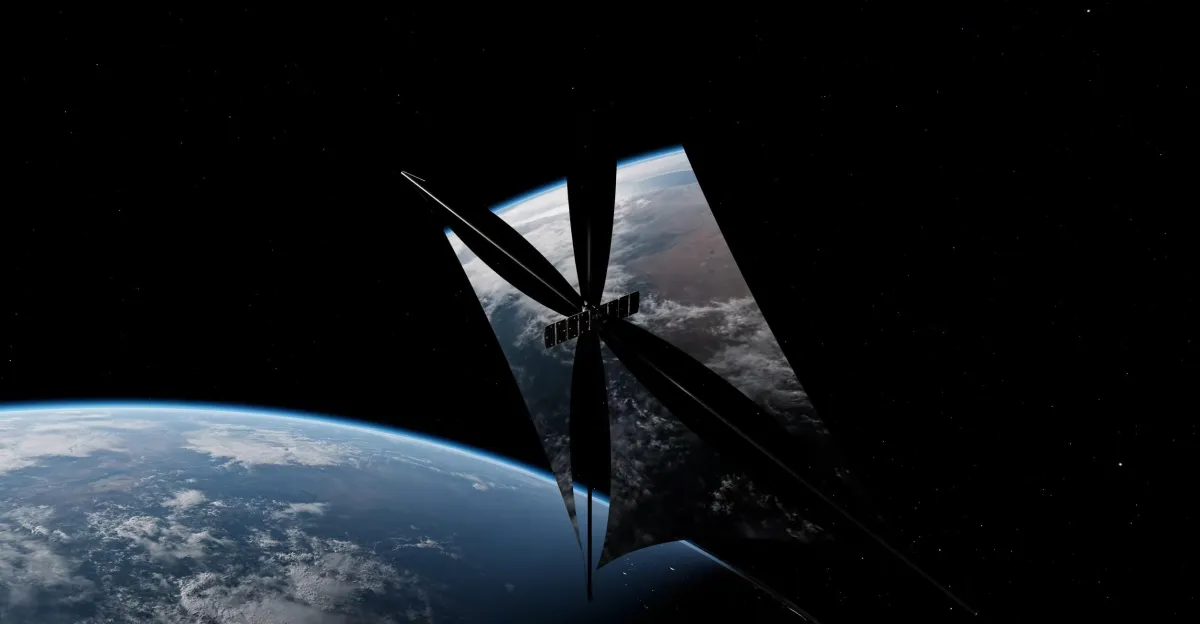
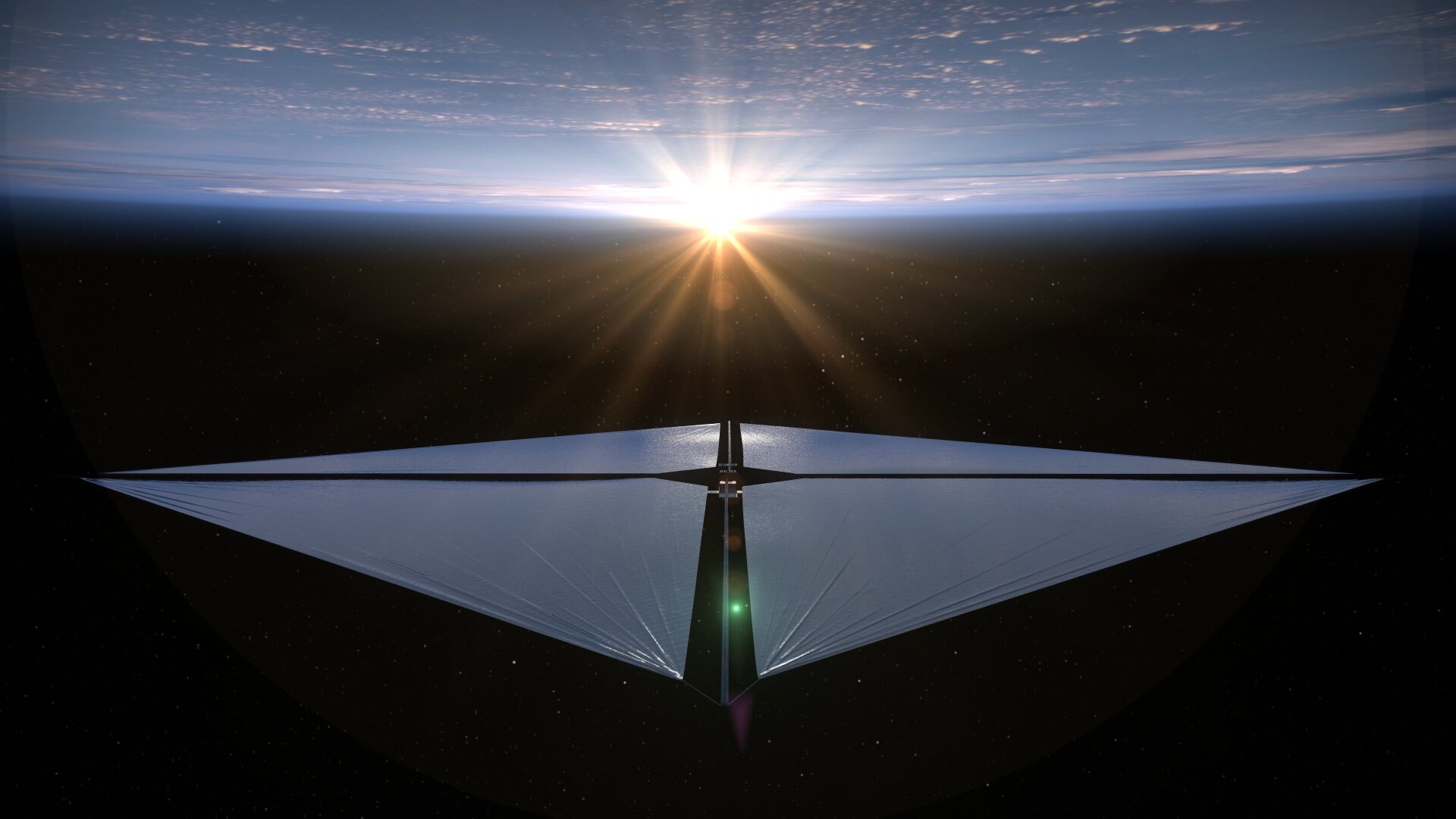
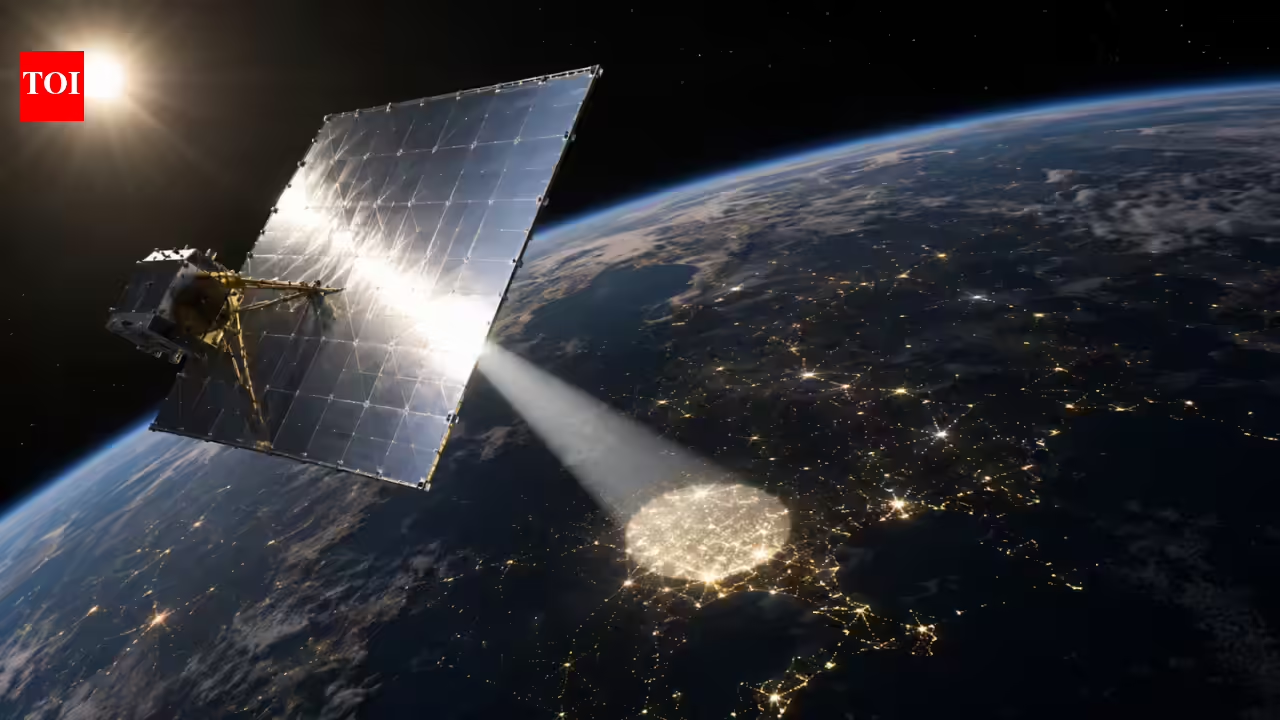
Astronomers in the U.S. and Europe are actively working on a revolutionary new optical telescope concept that would harness our Sun’s own massive gravity to view distant celestial targets.
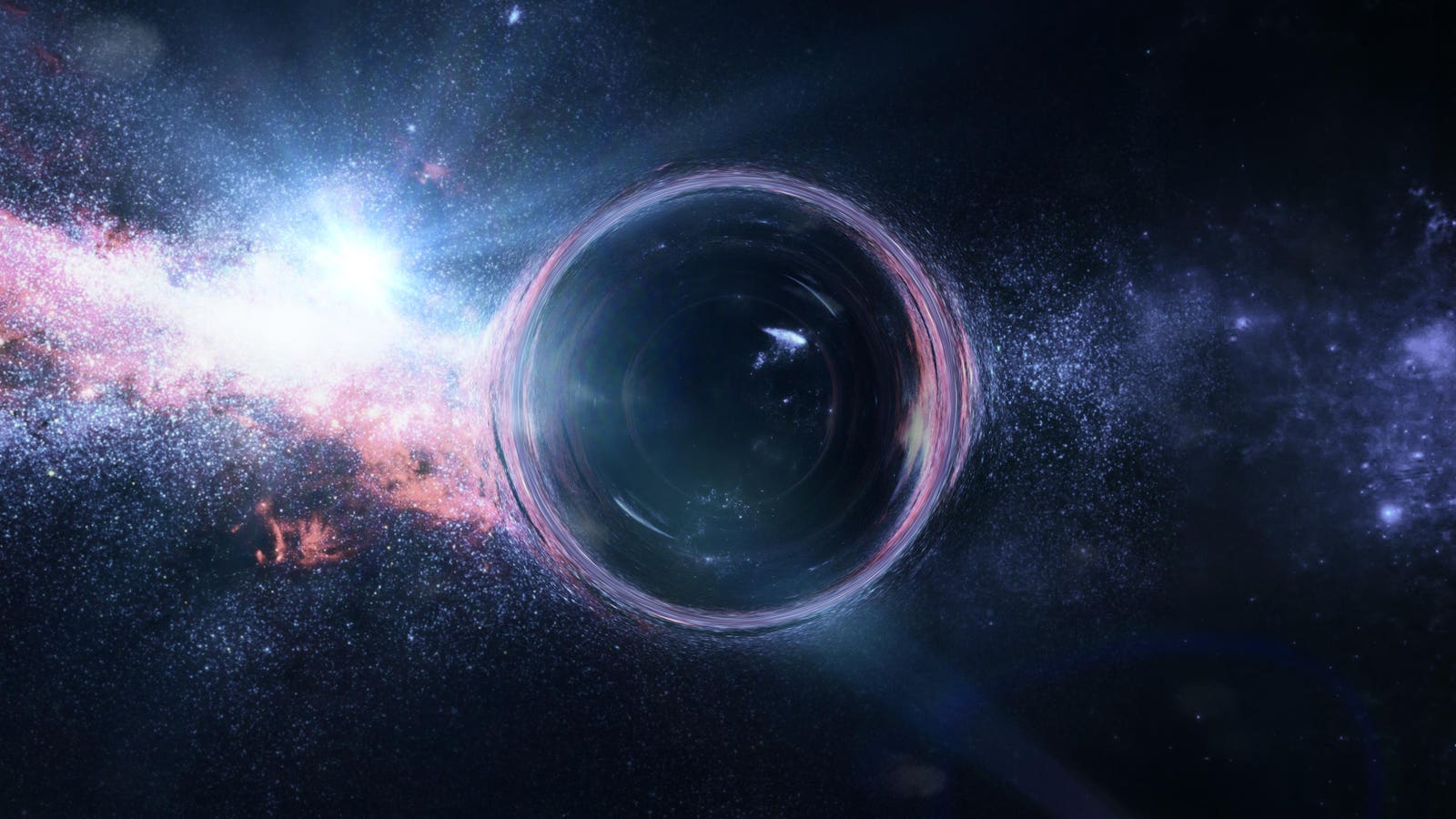
Perched on the very outer fringes of our solar system, a Solar Gravitational Lens (SGL) telescope, sometimes dubbed a Curved Space Telescope, would use the gravity of our own Sun to obtain extraordinary optical images at a focal point some 650 Earth-Sun distances (astronomical units) away. From this vantage point, such a telescope (or telescopes) could, in theory, obtain highly precise images of exoplanets, galaxies and supermassive black holes.
The crux of the technology rests on Albert Einstein's theory of general relativity in which massive objects such as stars and galaxies gravitationally-bend space and time. For decades, astronomers have been using Einstein’s discovery to gravitationally lens galaxies and even planets circling other stars.