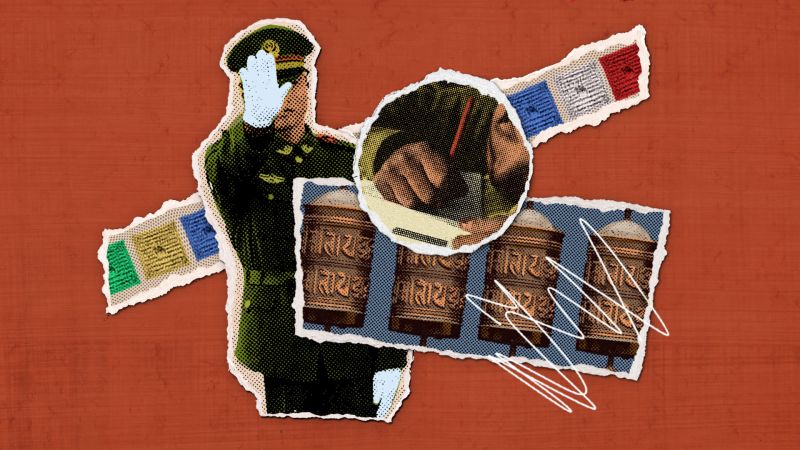
Still largely viewed as a peaceful philosophy, across much of south-east Asia, the religion has been weaponised to serve nationalist goals
I
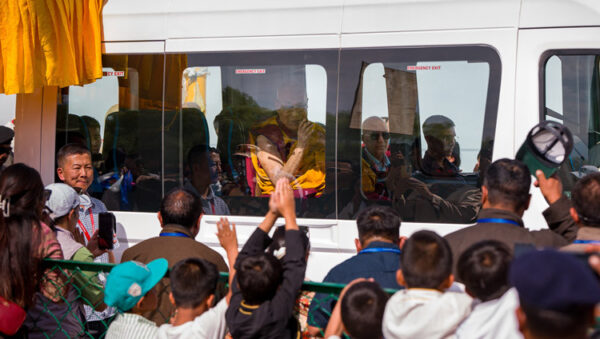
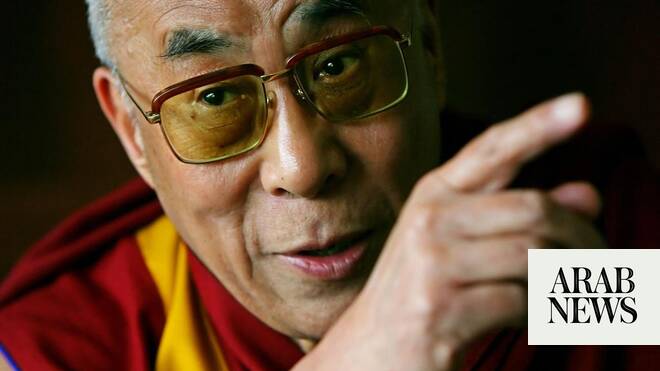
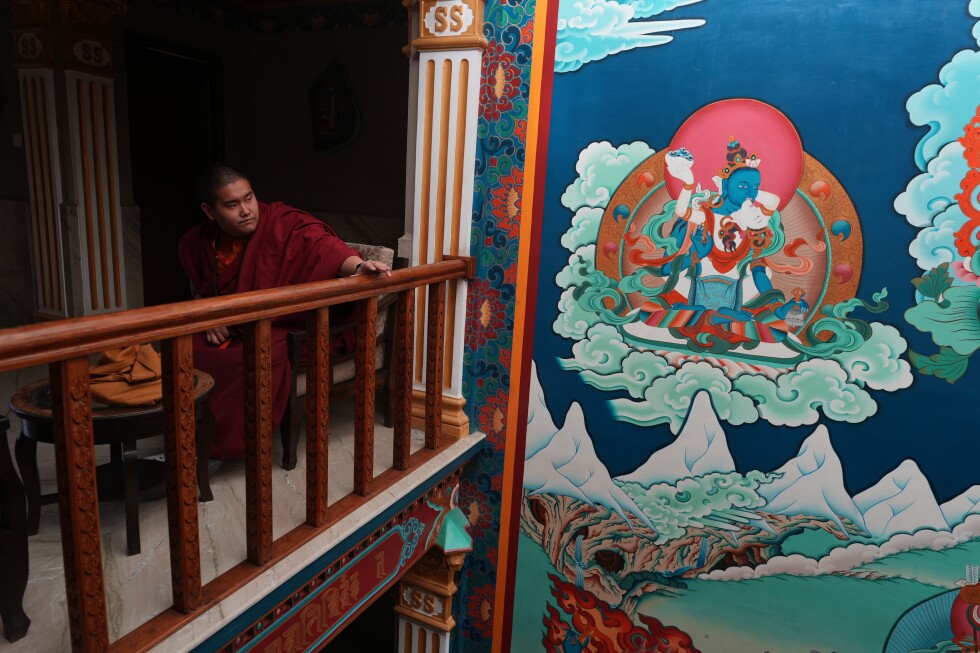
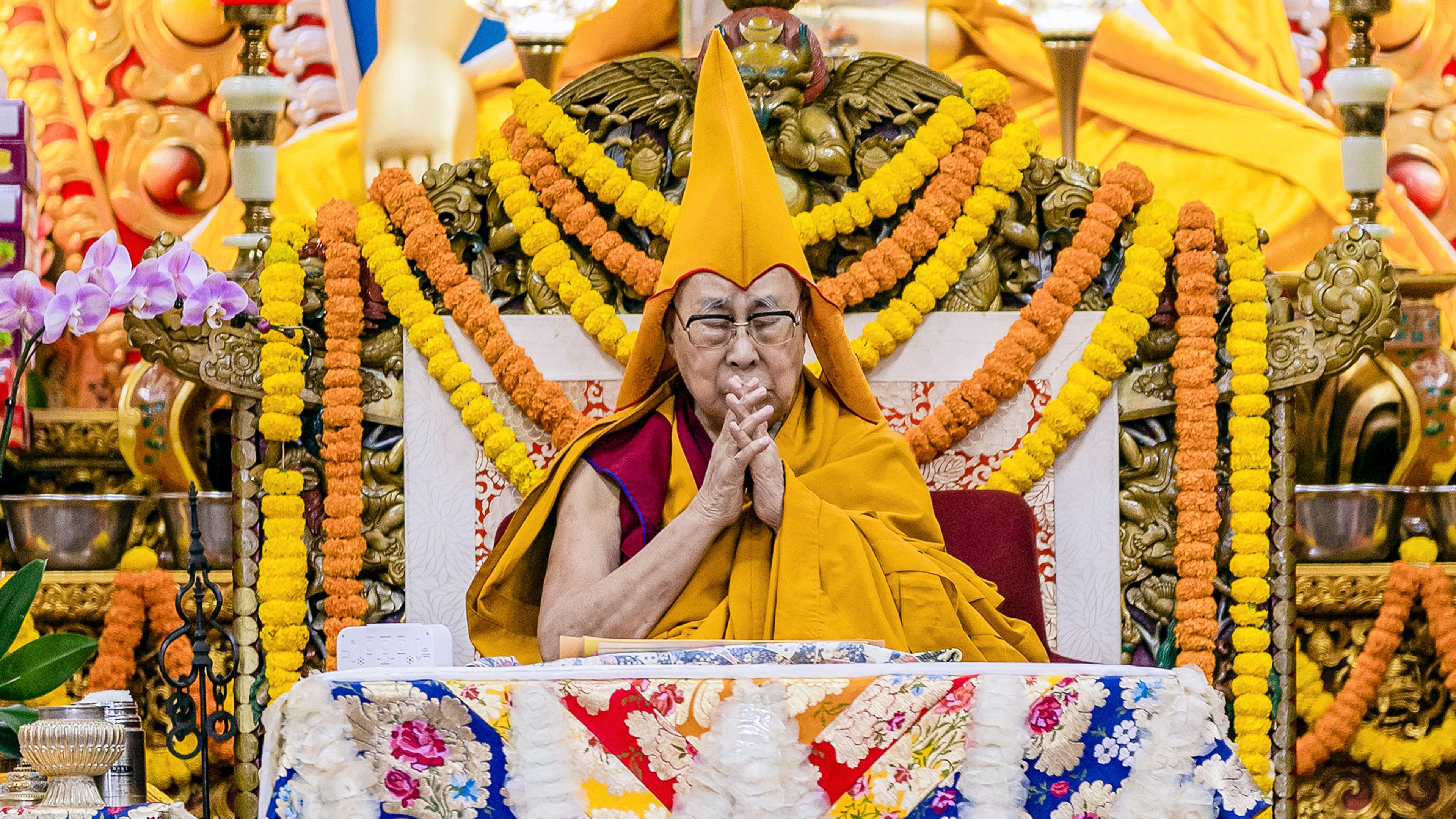
n the summer of 2023, I arrived in Dharamshala, an Indian town celebrated as the home of the Dalai Lama, the Tibetan spiritual leader. The place hadn’t changed much since my last visit almost two decades ago. The roads were still a patchwork of uneven asphalt and dirt, and Tibetan monks in maroon robes filled the streets. Despite the relentless hum of traffic, Dharamshala had a rare stillness. The hills seemed to absorb the noise. Prayer flags flickered in the breeze, each rustle a reminder of something enduring.
But beneath the surface, the Buddhism practised across Asia has shifted. While still widely followed as a peaceful, nonviolent philosophy, it has been weaponised, in some quarters, in the service of nationalism, and in support of governments embracing a global trend toward majoritarianism and autocracy.
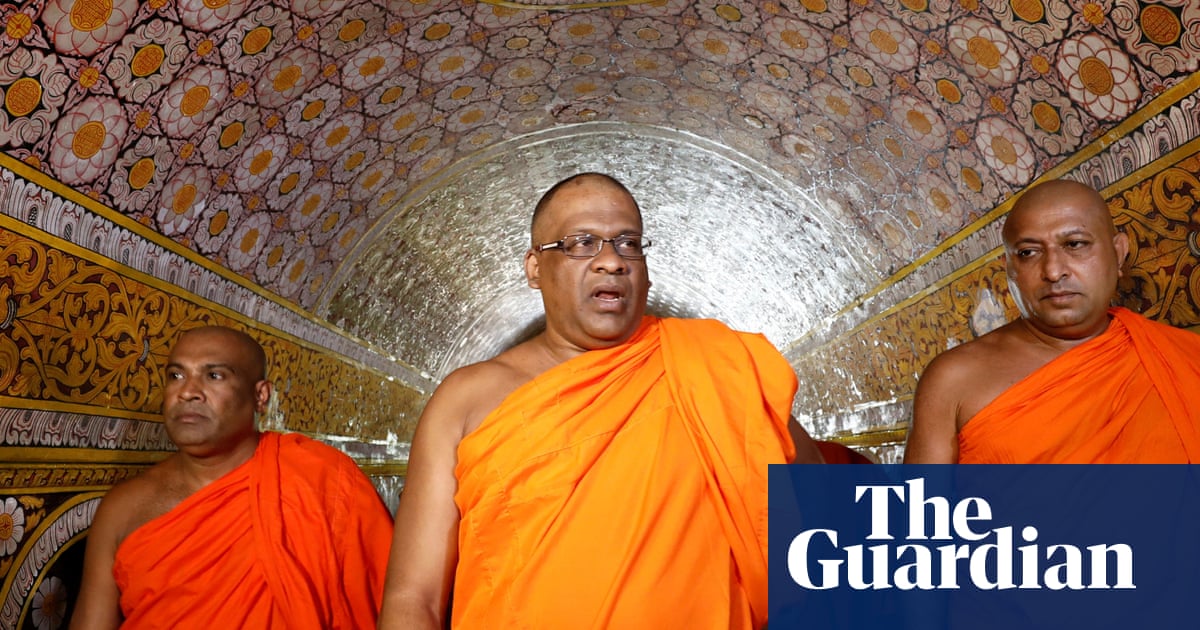
In countries such as Sri Lanka and Myanmar, where the conservative Theravada strain predominates, monks have emerged as central figures in movements that promote sectarian hatred, abandoning the teachings of the Buddha in favour of a more common and earthly goal: political power. My journey to Dharamshala and across other parts of the Buddhist world was driven by a need to understand how this transformation had occurred.