The story so far: On November 18, the Karnataka government decided that it would submit a “revised” Detailed Project Report (DPR) to the Centre on the Mekedatu balancing reservoir across the inter-State river Cauvery. Five days earlier, the Supreme Court termed as “premature” the application of Tamil Nadu challenging the project proposed by Karnataka. With this development, the decks have been cleared for the Cauvery Water Management Authority (CWMA) and the Central Water Commission (CWC) to examine the upper riparian State’s proposal.
How has Tamil Nadu reacted?
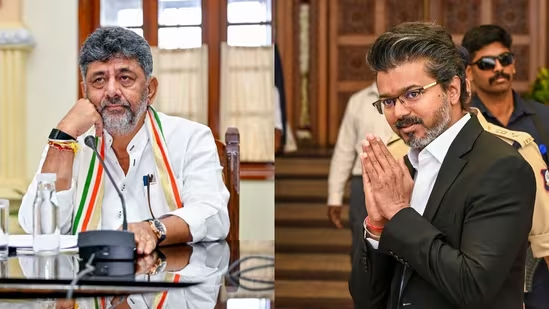
While the Opposition in Tamil Nadu has blamed the Dravida Munnetra Kazhagam government for the top Court’s ruling, the lower riparian State’s Water Resources Minister Durai Murugan rebutted reports of the Court having permitted the construction of the dam and asserted that his government would resist Karnataka’s every attempt to proceed with the project. Karnataka Deputy Chief Minister D.K. Shivakumar called the Court’s order “justice to the State.”
What are the main features of the project?
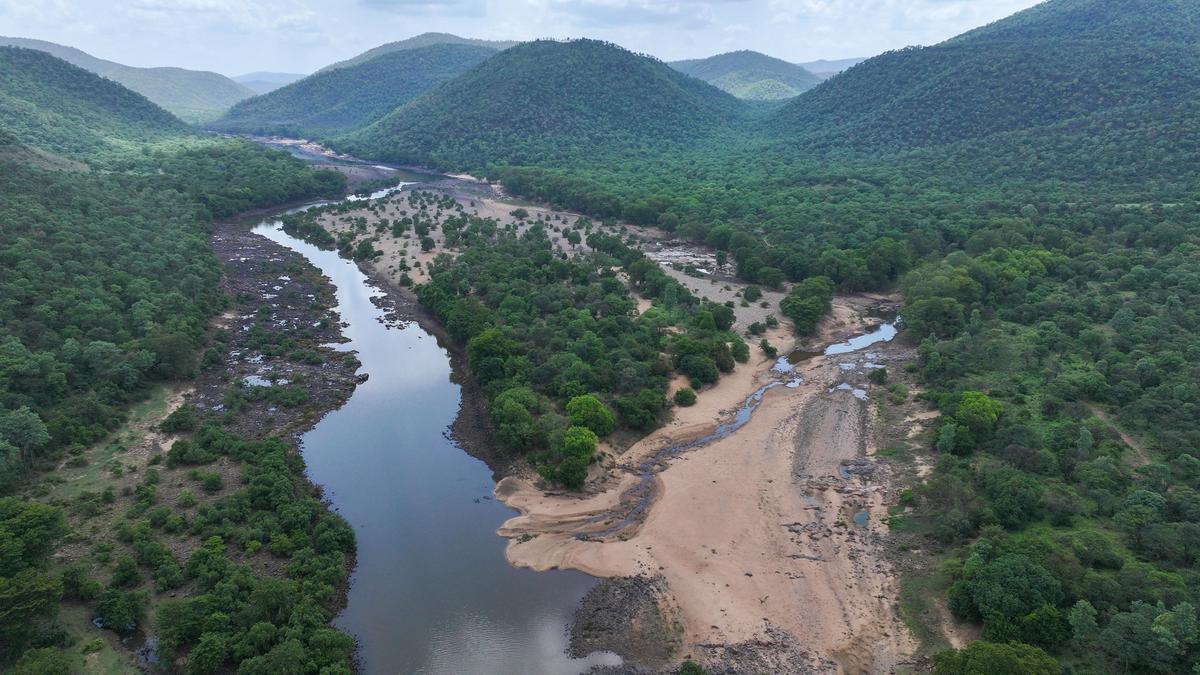
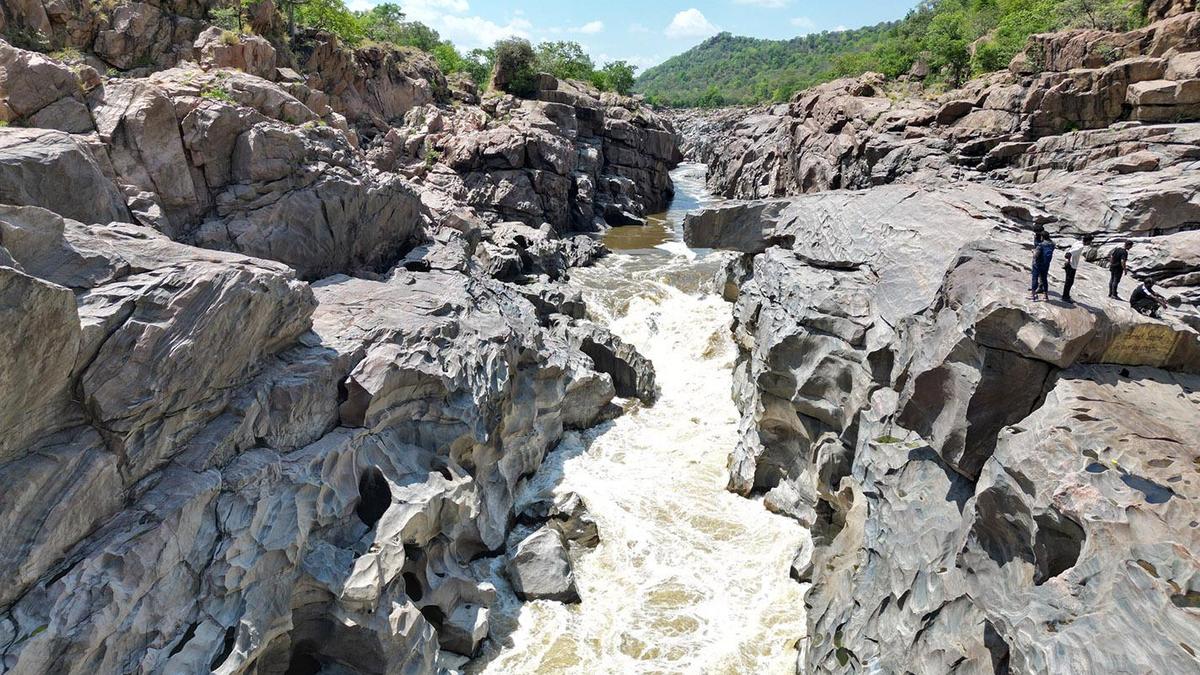
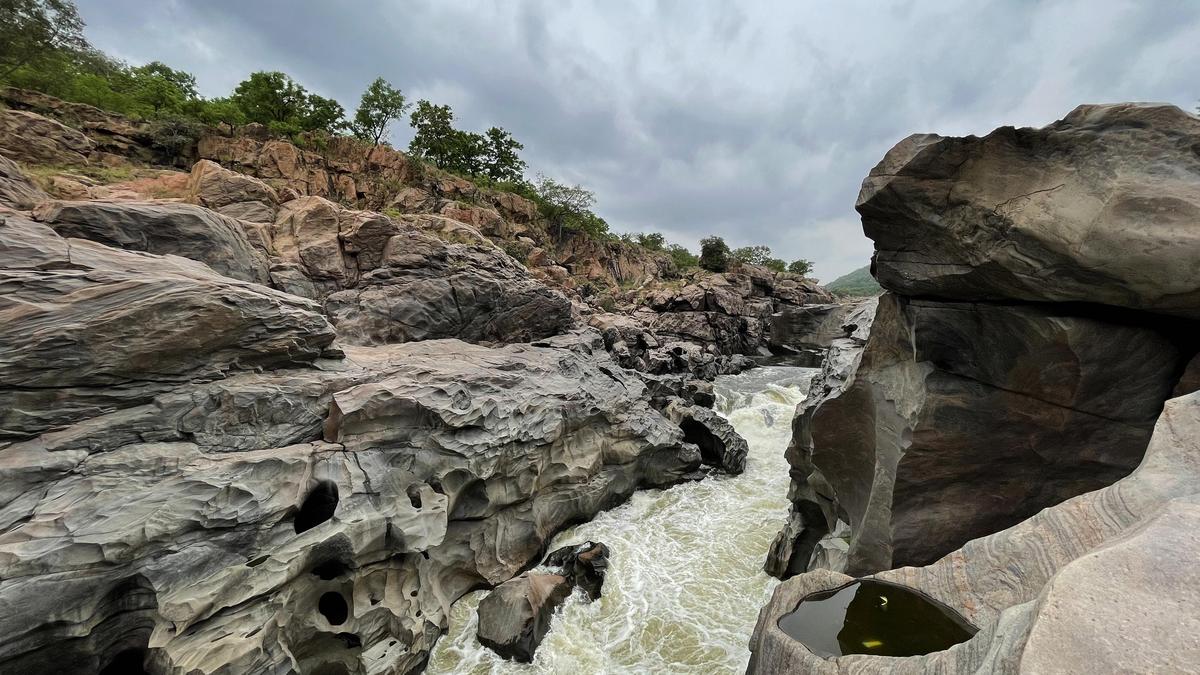
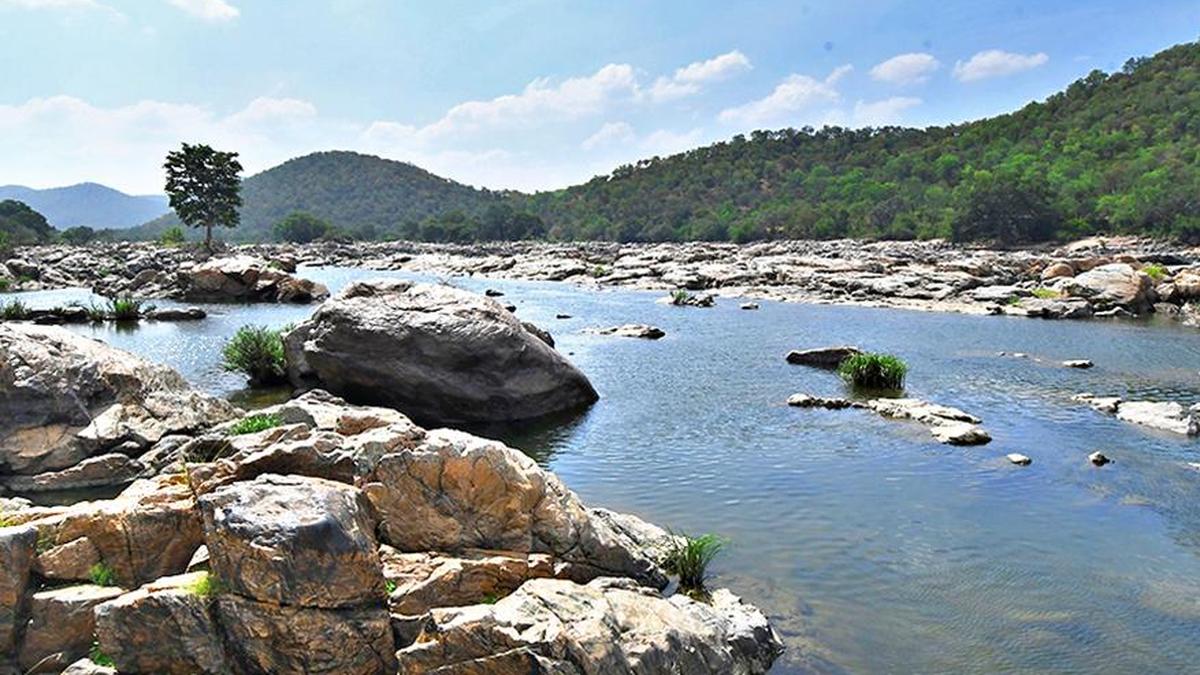
Karnataka is planning to build a ₹9,000-crore balancing reservoir at Mekedatu, about 100 km from Bengaluru, for impounding 67.16 thousand million cubic ft (TMC) of water. It will have a 400 MW hydro power component too. The project will submerge around 4,996 hectares of land, including about 4,800 hectares of forest and wildlife land. It is expected to help Karnataka utilise an additional 4.75 TMC of water allotted by the Supreme Court, in its judgment in February 2018 on the Cauvery dispute, to meet the growing drinking water needs of Bengaluru. Though the project was mooted as early as 1948, it acquired momentum only in recent years with the capital city of the upper riparian State experiencing severe water shortages in the summer.