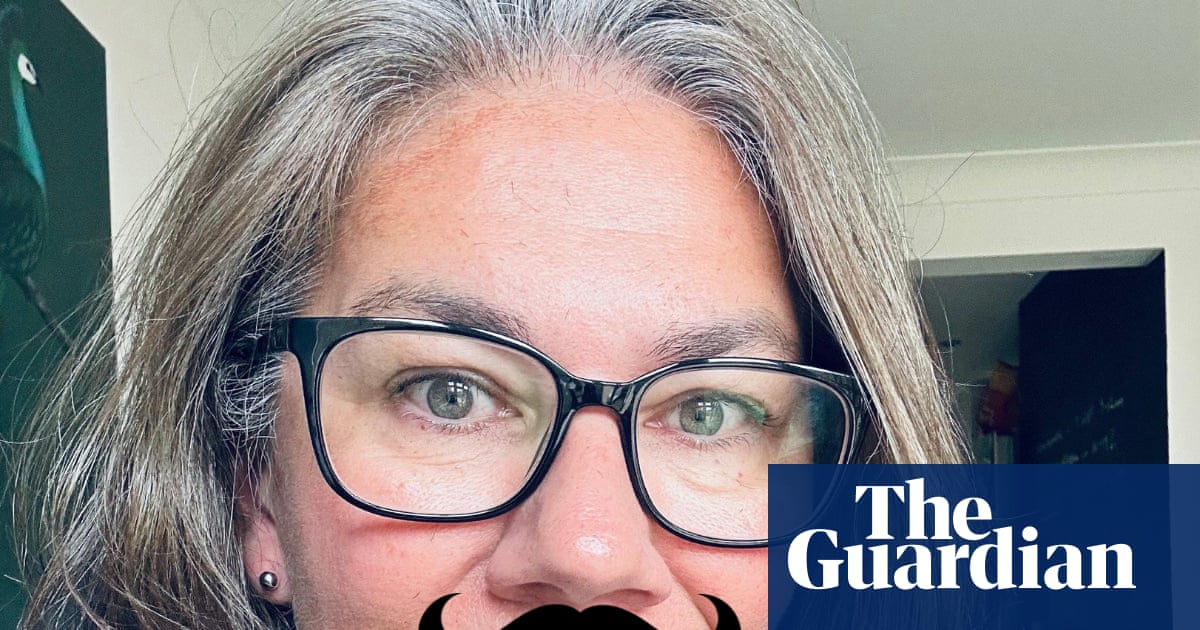
Scroll your LinkedIn feed this week, and you might see some unusual experiments going on. Women have been changing their names (from “Lucy” to “Luke”), adding a mustache to a profile photo, and changing the gender on their profiles. Anecdotally, some of these LinkedIn sleuths found some stark results.
Lucy Ferguson, who changed her name for 24 hours, said impressions of her content went up 818% compared to the prior seven days. Rosie Taylor changed her gender settings to male and, with no other changes, says her people reached stat rose 220%. Cass Cooper said she tried it out—and her own visibility dropped, which she attributed to the intersection of gender and race as her profile now registered her as a Black man.
LinkedIn was, unsurprisingly, concerned about this trending topic. Sakshi Jain, the platform’s head of responsible AI and AI governance, published a blog post responding to the trend. She said that LinkedIn’s “algorithm and AI systems do not use demographic information (such as age, race, or gender) as a signal to determine the visibility of content, profile, or posts in the feed.” Instead, she wrote, signals including position, industry, network, and activity are used to determine what content shows up in the LinkedIn feed. And she argued that side-by-side snapshots are not a reliable measure, as volume of content shared on LinkedIn grows exponentially.