https://arab.news/g5qap
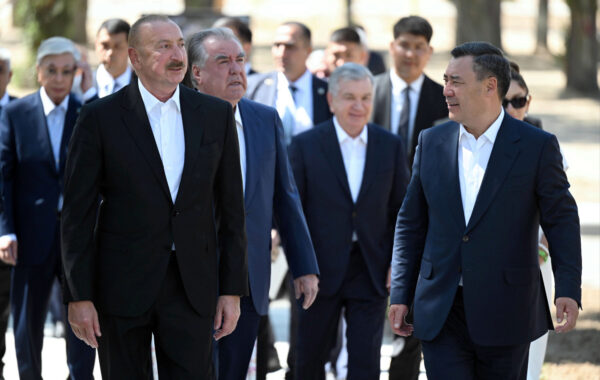
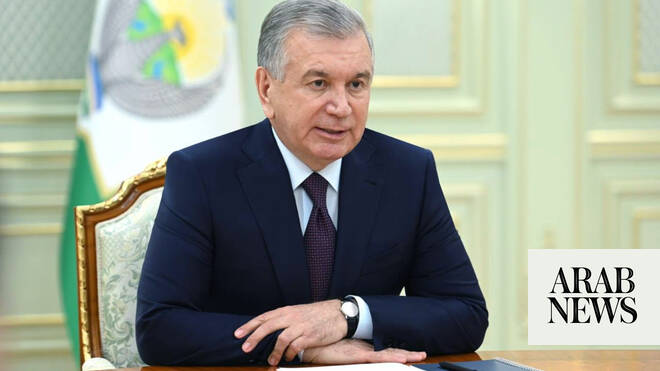
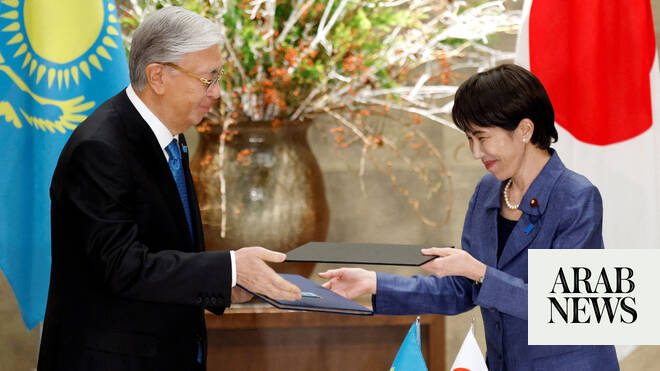
At a meeting in Tashkent, Uzbekistan, last Sunday, the leaders of the five Central Asian states — Kazakhstan, Uzbekistan, Turkmenistan, Kyrgyzstan and Tajikistan — made an important decision that could have geopolitical ramifications for Eurasia. At the Seventh Consultative Meeting of the Heads of State of Central Asia, also referred to as the C5, the leaders agreed to formally add Azerbaijan to the format. Going forward, this body will be known as the C6.
The C5 format has helped the five countries of Central Asia facilitate deeper cooperation, especially in the fields of trade, economics, culture and energy. It was created after these states regained their independence following the collapse of the Soviet Union and has served as the major platform for regional cooperation in Central Asia.
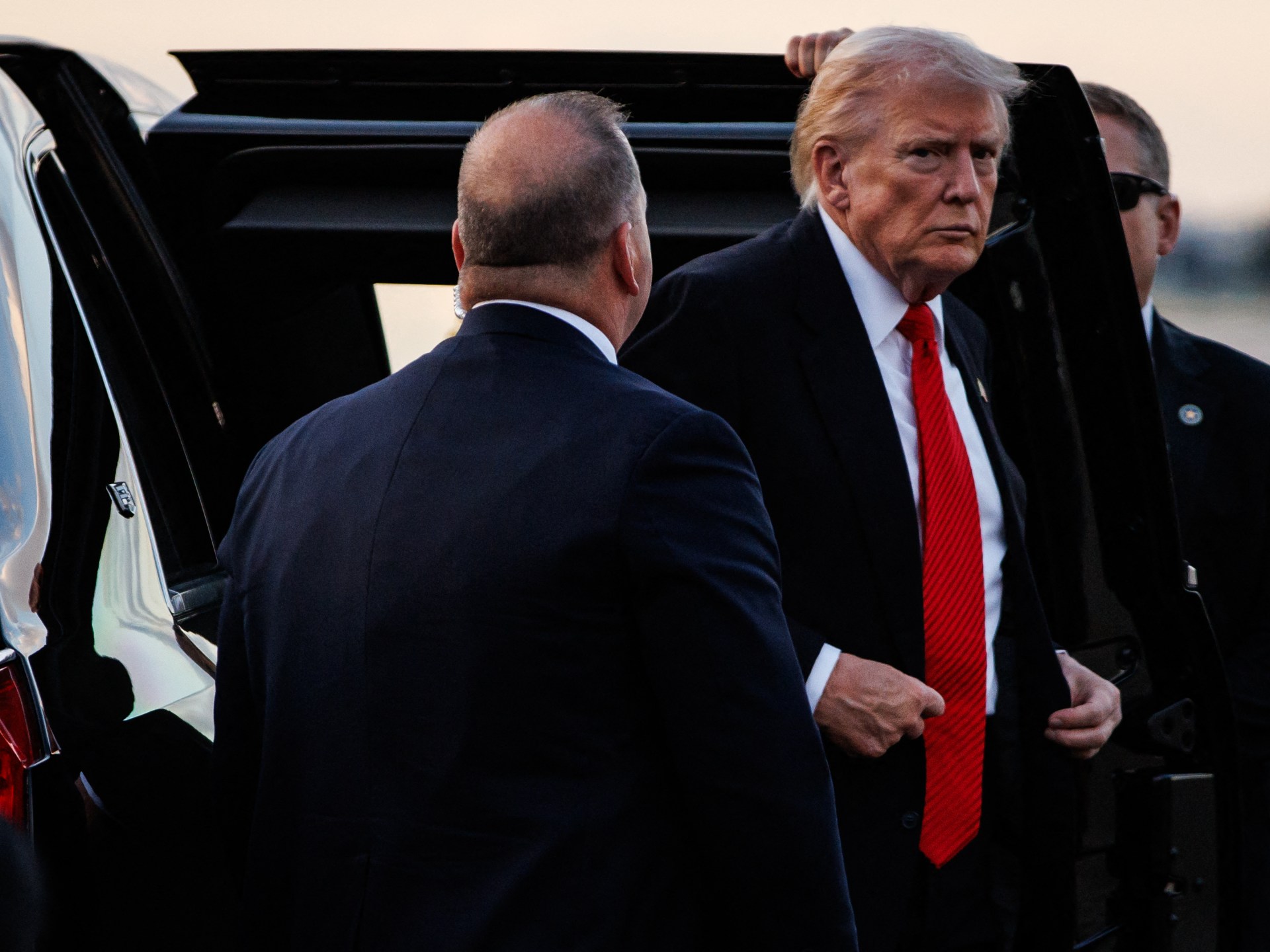
It has also been used for the region’s external relations. For example, just last week, US President Donald Trump hosted a summit marking the 10th anniversary of the C5+1 format, which is the platform that brings Washington into regular engagement with the region. Bringing Azerbaijan formally into the format was the logical next step in the evolution of this grouping.
One only has to look at a map to understand why. Azerbaijan is in a strategic location. Situated on the western shore of the Caspian Sea, it serves as one of the primary gateways for Central Asia to reach European and global markets. In recent years, Azerbaijan and the countries of Central Asia have significantly increased their bilateral relations.