https://arab.news/2dmv8
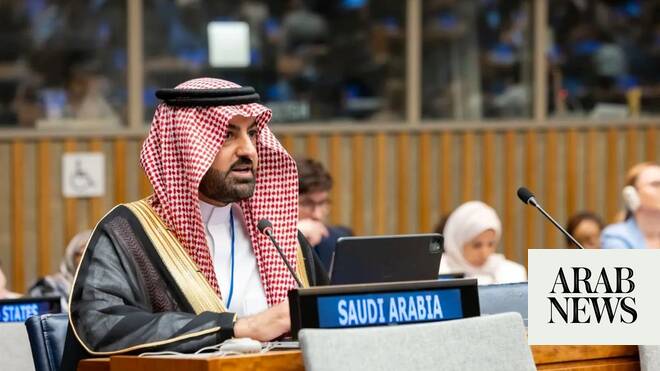
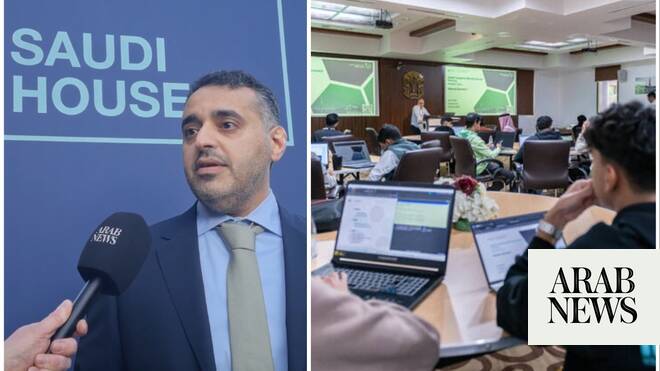
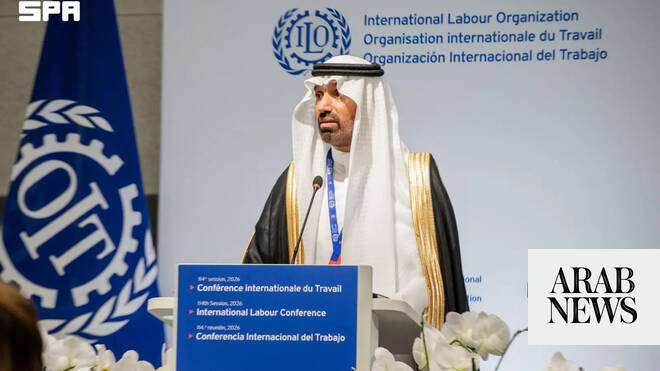
Saudi Minister of Human Resources and Social Development Ahmed Al-Rajhi and other representatives of the Kingdom attended the Second World Summit for Social Development in Doha this month. It was also attended by ministers and senior officials from countries worldwide, in addition to representatives of global and regional entities and civil society organizations. The summit discussed efforts to eliminate poverty, establish full employment and decent work, and develop social inclusion to guarantee support for everybody in this complex world.
In the theoretical framework, social inclusion has primarily been linked with efforts to overcome the problems of social exclusion, such as educational underachievement, unemployment, low income, high crime, poor housing and poor health. Government policies toward social inclusion are fortified by the idea that social cohesion might be threatened when certain groups are not linked to the broader community. The meaning of social inclusion is related to equality, social justice and fairness.
Adopting the logic presented by the researcher Hazel Maxwell, who analyzes social inclusion in Australian community sport settings, the term can arguably be further developed within the context of soft power. In his book, “Soft Power: The Means to Success in World Politics,” political theorist Joseph Nye described soft power as power that is exercised through diplomacy and cultural influence. The long-term contribution of Saudi Arabia to tackling matters concerning social inclusion can be broadly understood within the realization of the Kingdom’s soft power objectives.