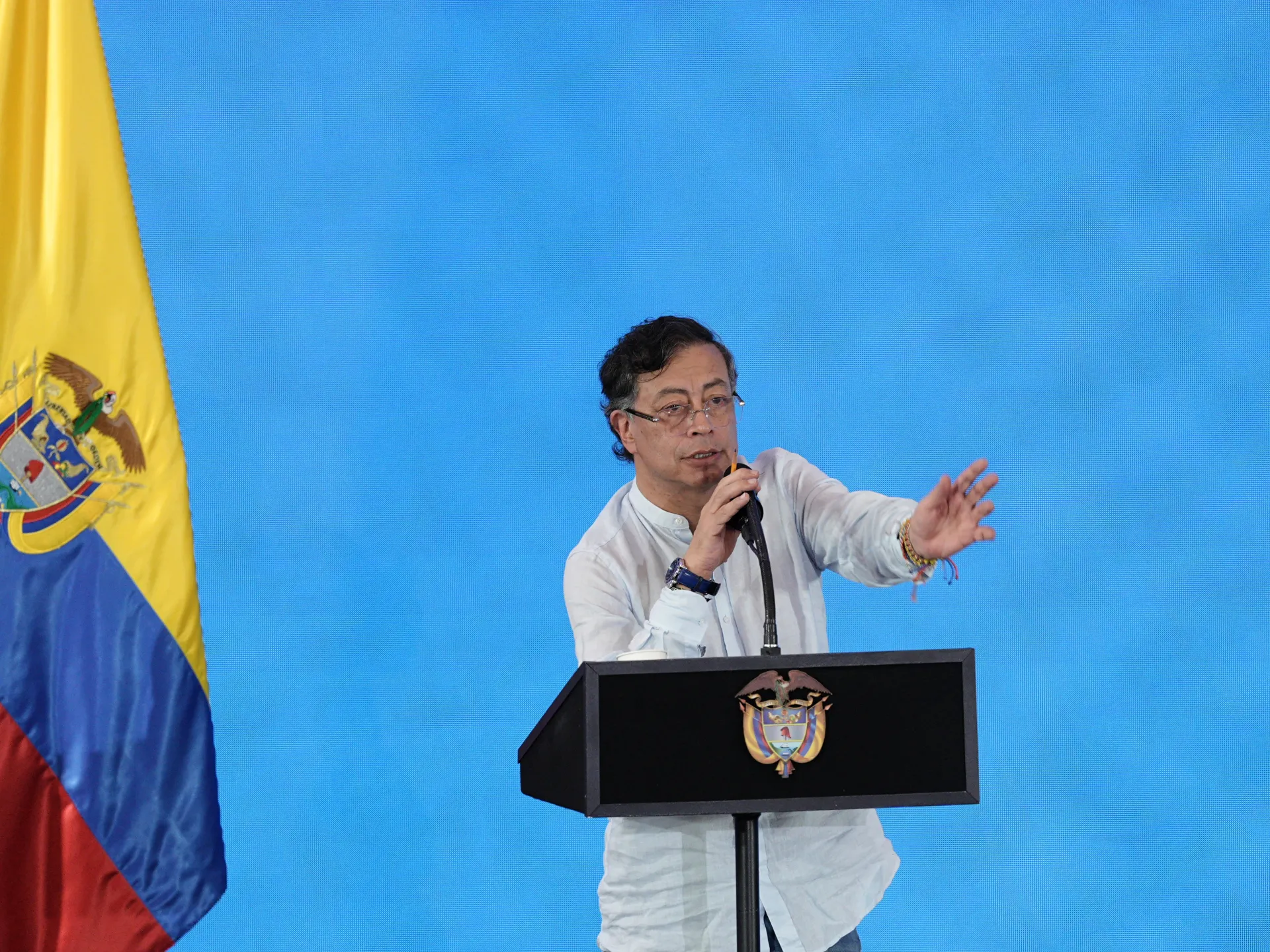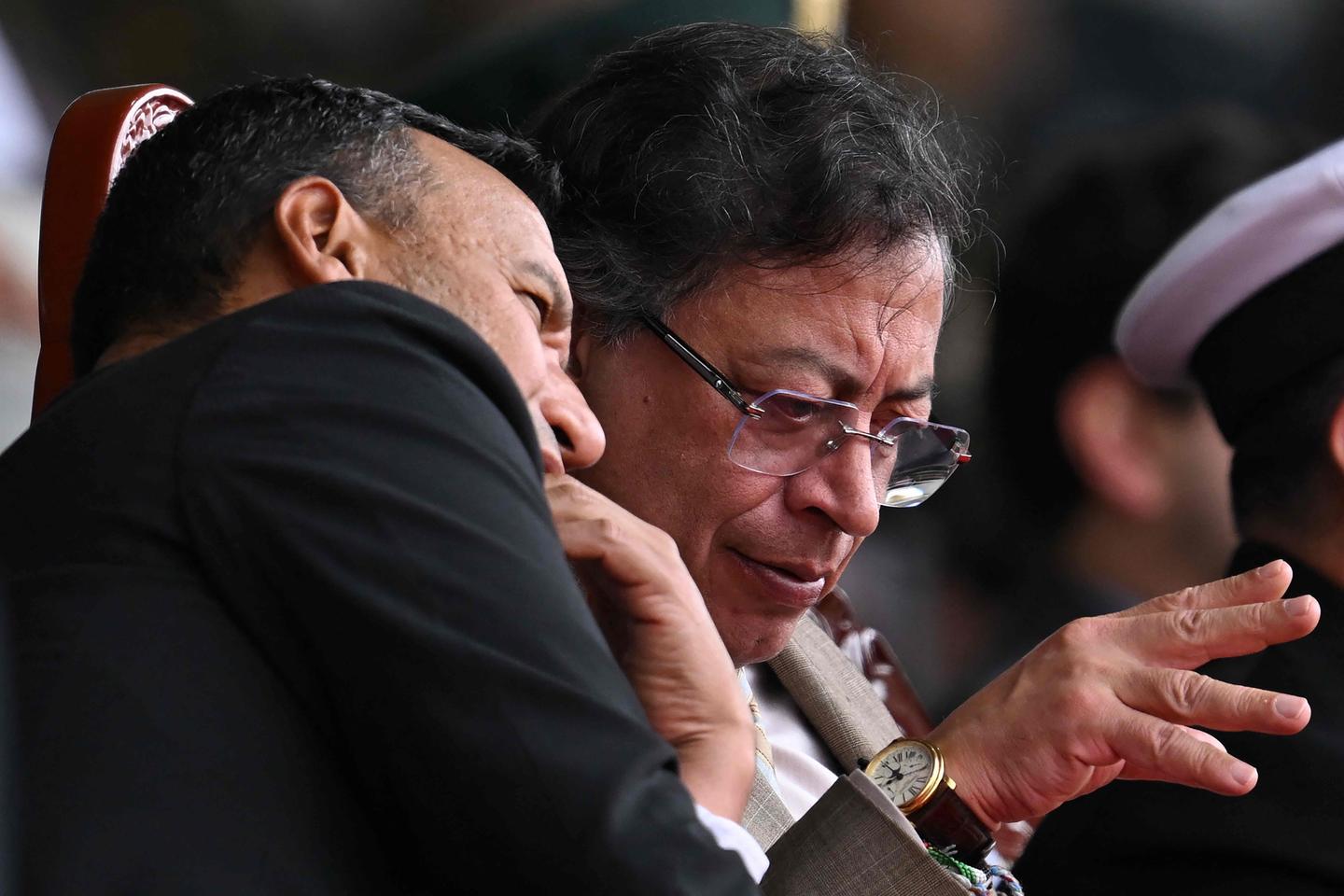
Colombian President Gustavo Petro and Defense Minister Pedro Sanchez attend the 134th anniversary celebration of the national police in Bogota, November 13, 2025. RAUL ARBOLEDA/AFP
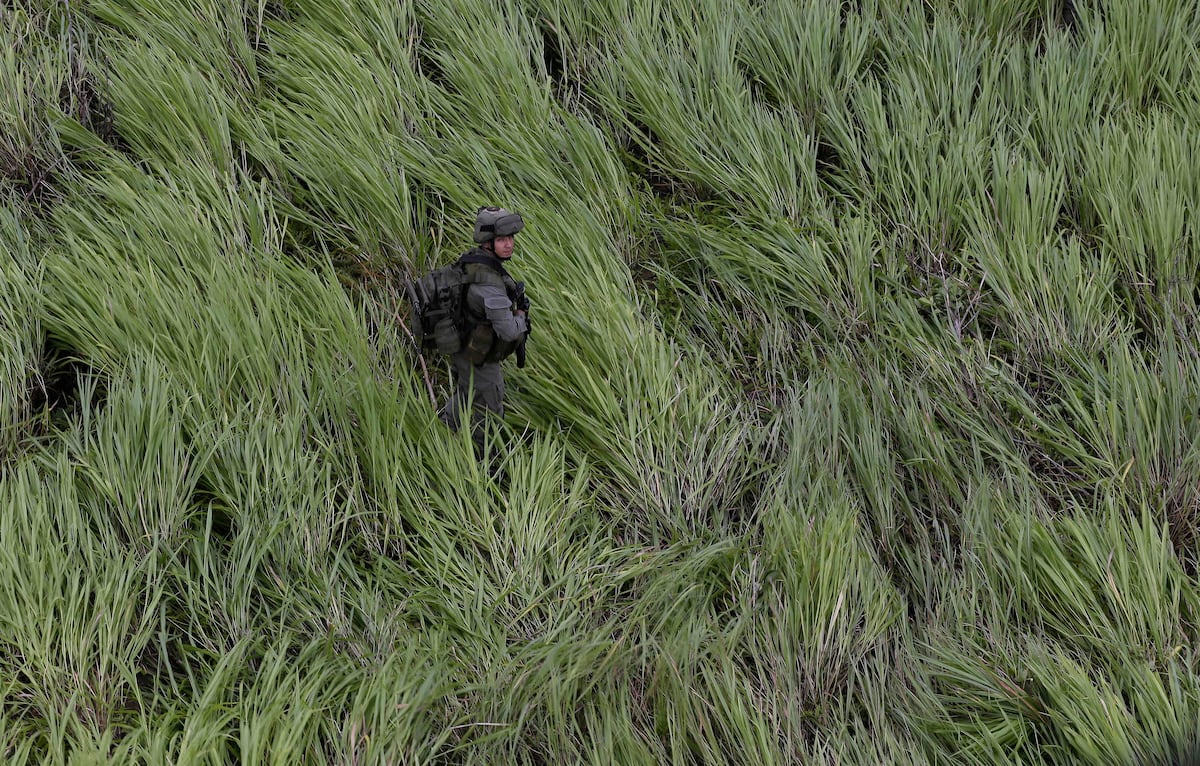
Colombia's first left-wing president, Gustavo Petro, who had once promised "total peace," has found himself entangled in the relentless logic of war. On November 10, seven teenagers were killed in an airstrike against an armed group in the Guaviare department in the south of the country. The youngest victim was 13 years old. Petro stated that he had personally authorized the strike.
In 2019, then-Defense Minister Guillermo Botero, a member of the right, was forced to resign after a similar tragedy. At the time, Petro, then in opposition, wrote: "If the government knew there were minors before the bombing, it is a war crime." Now, the president's supporters are finding themselves at odds and divided.
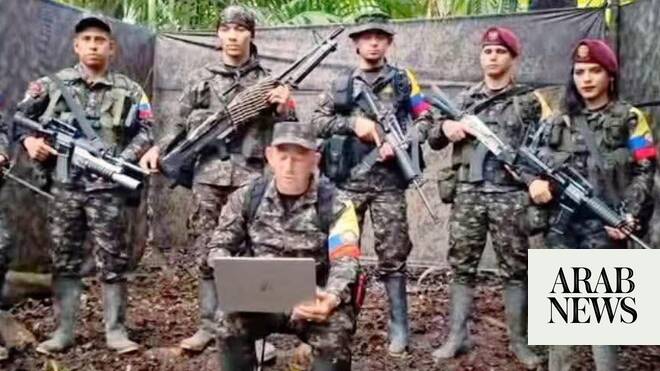
The November 10 airstrike targeted a unit of the Central General Staff (EMC). Led by Ivan Mordisco, the EMC is the main dissident group to emerge from the former guerrilla movement, the Revolutionary Armed Forces of Colombia (FARC). "Letting Ivan Mordisco's 150 men move through the jungle would have meant allowing them to trap 20 young soldiers who were just a few kilometers away," the president wrote. According to authorities, the EMC now has roughly 4,000 fighters. Iris Marin, head of the People's Defender, the institution responsible for upholding human rights, asked: "Couldn't the military advantage have been achieved through other operational means, far less damaging?"