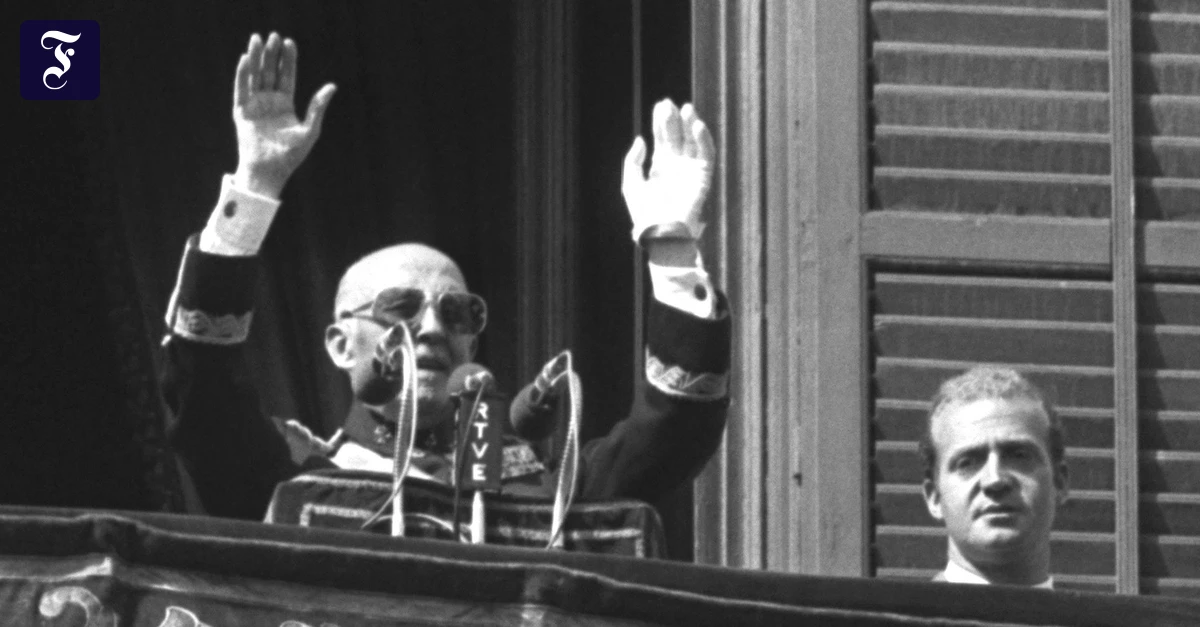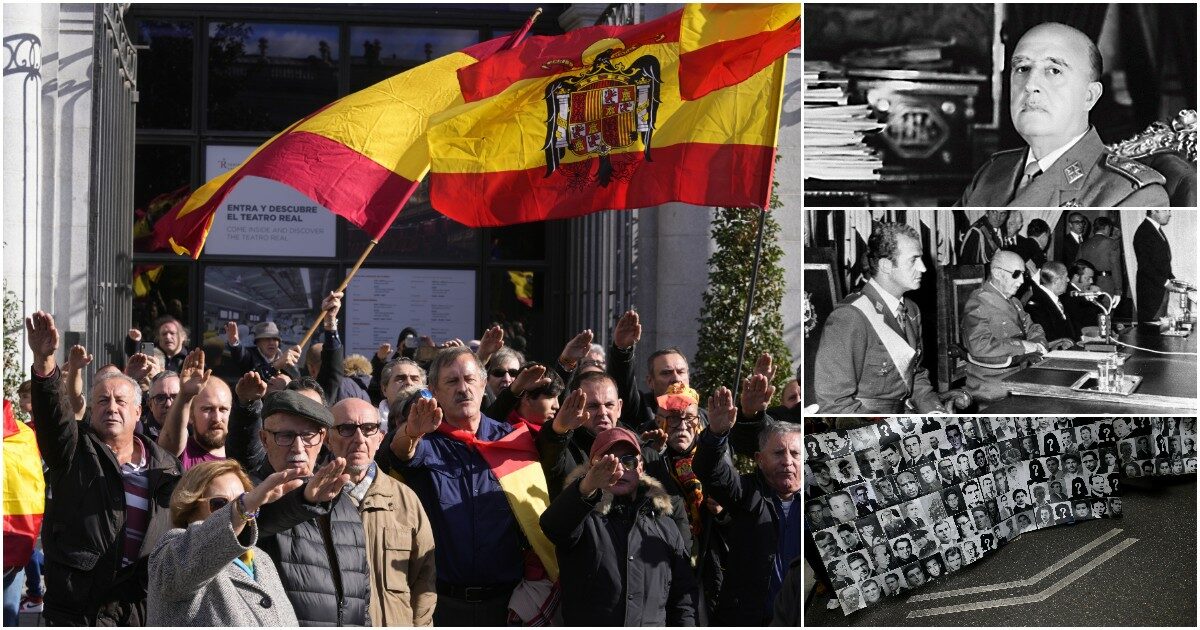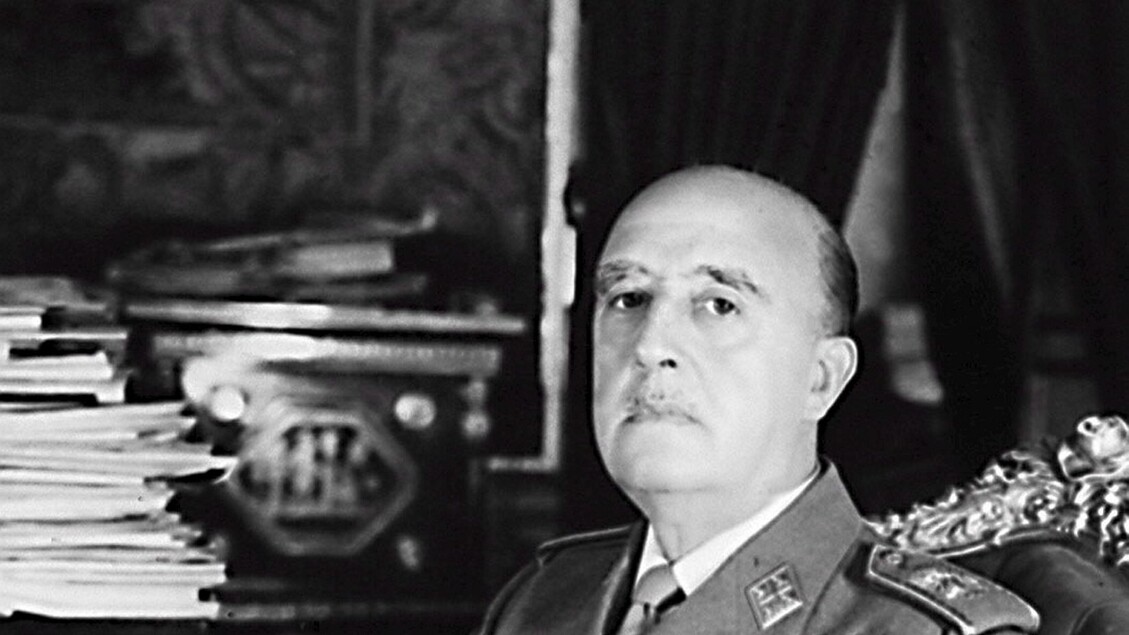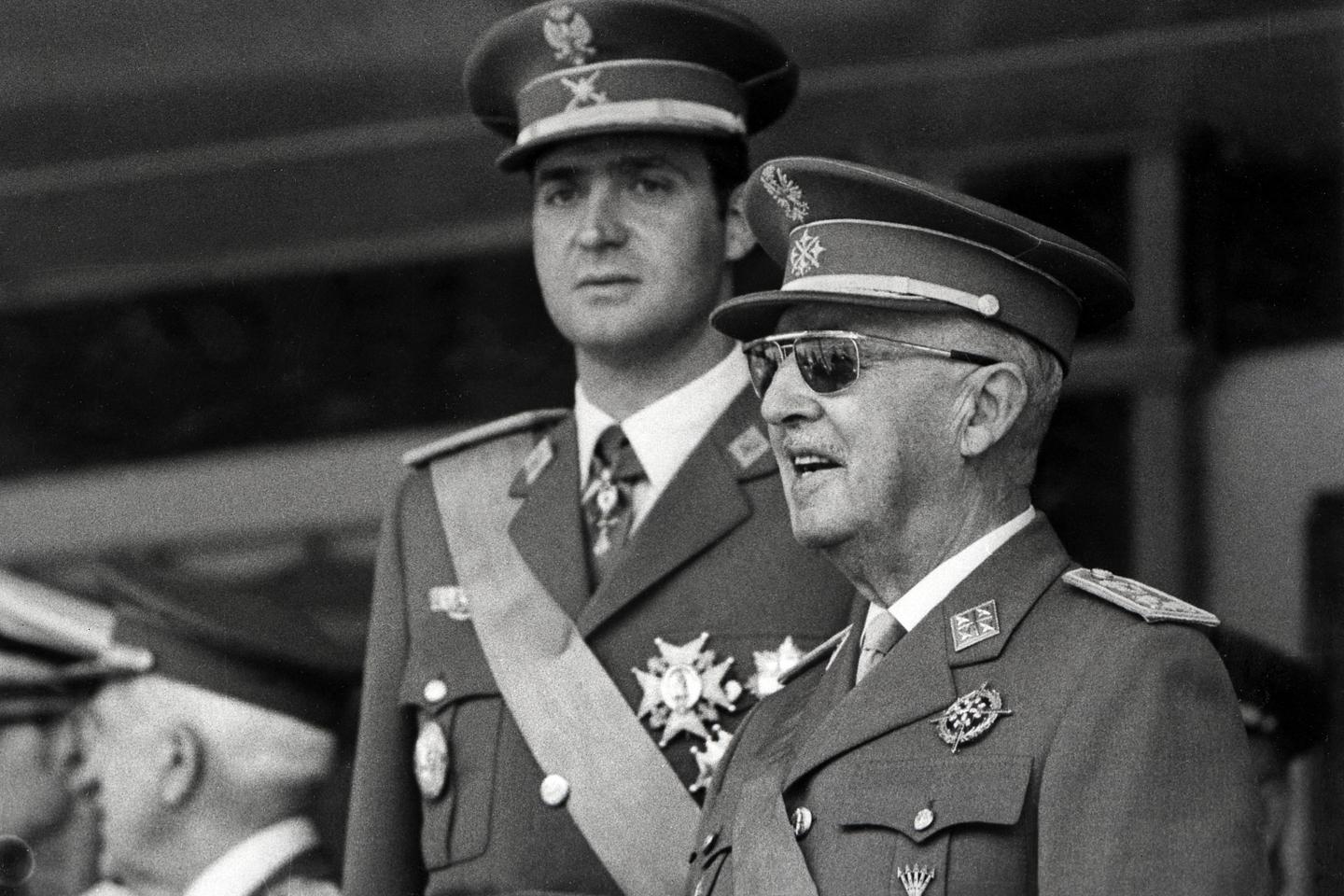
Spain's former dictator, General Francisco Franco, pictured with Prince Juan Carlos de Bourbon in Madrid on June 10, 1971. AFP
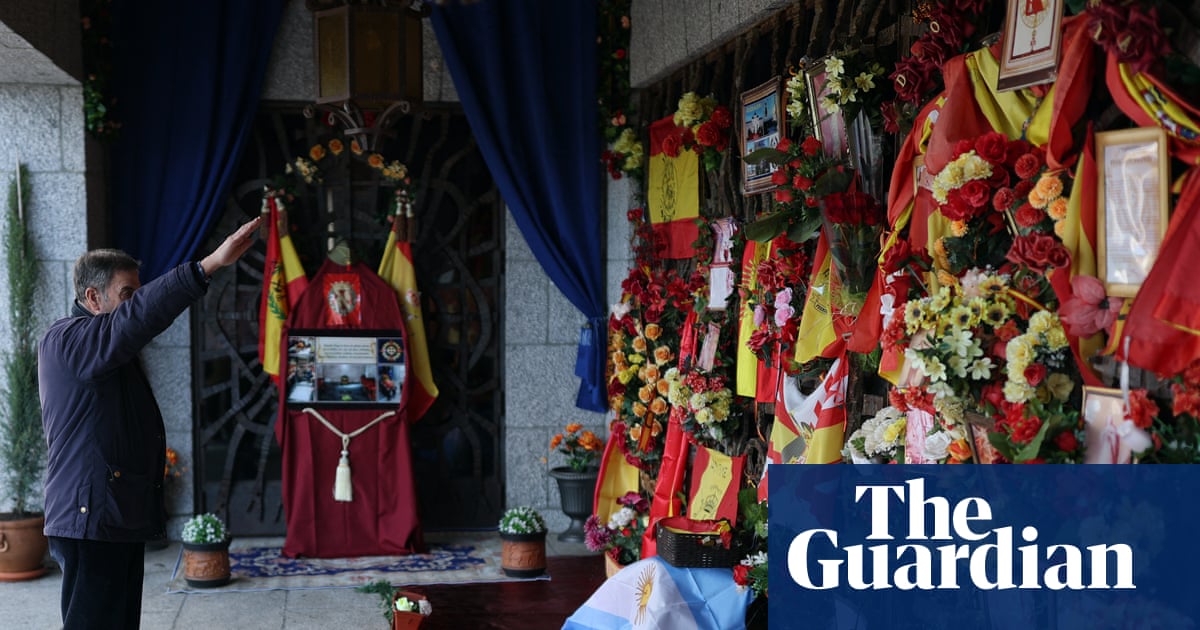
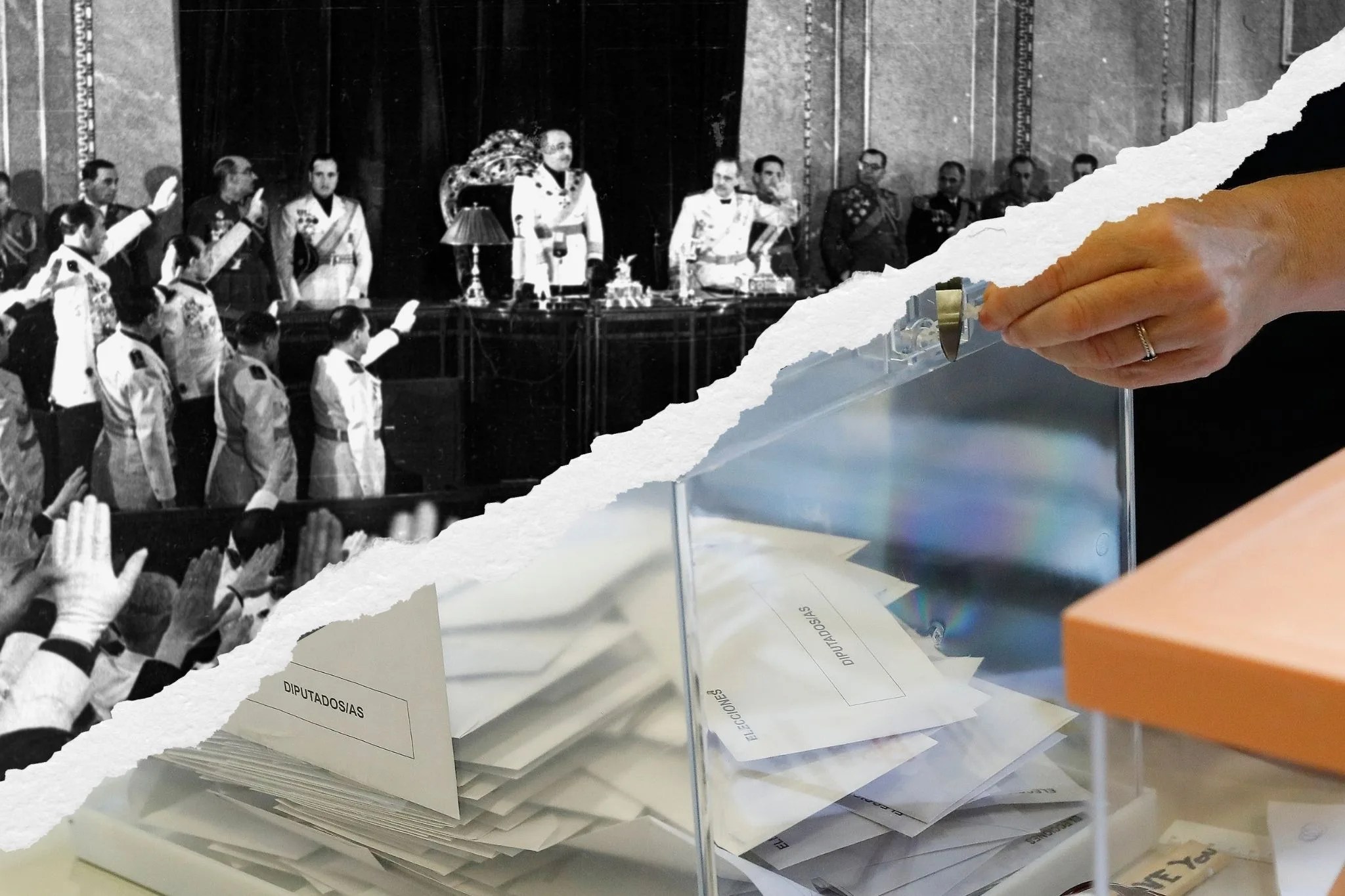
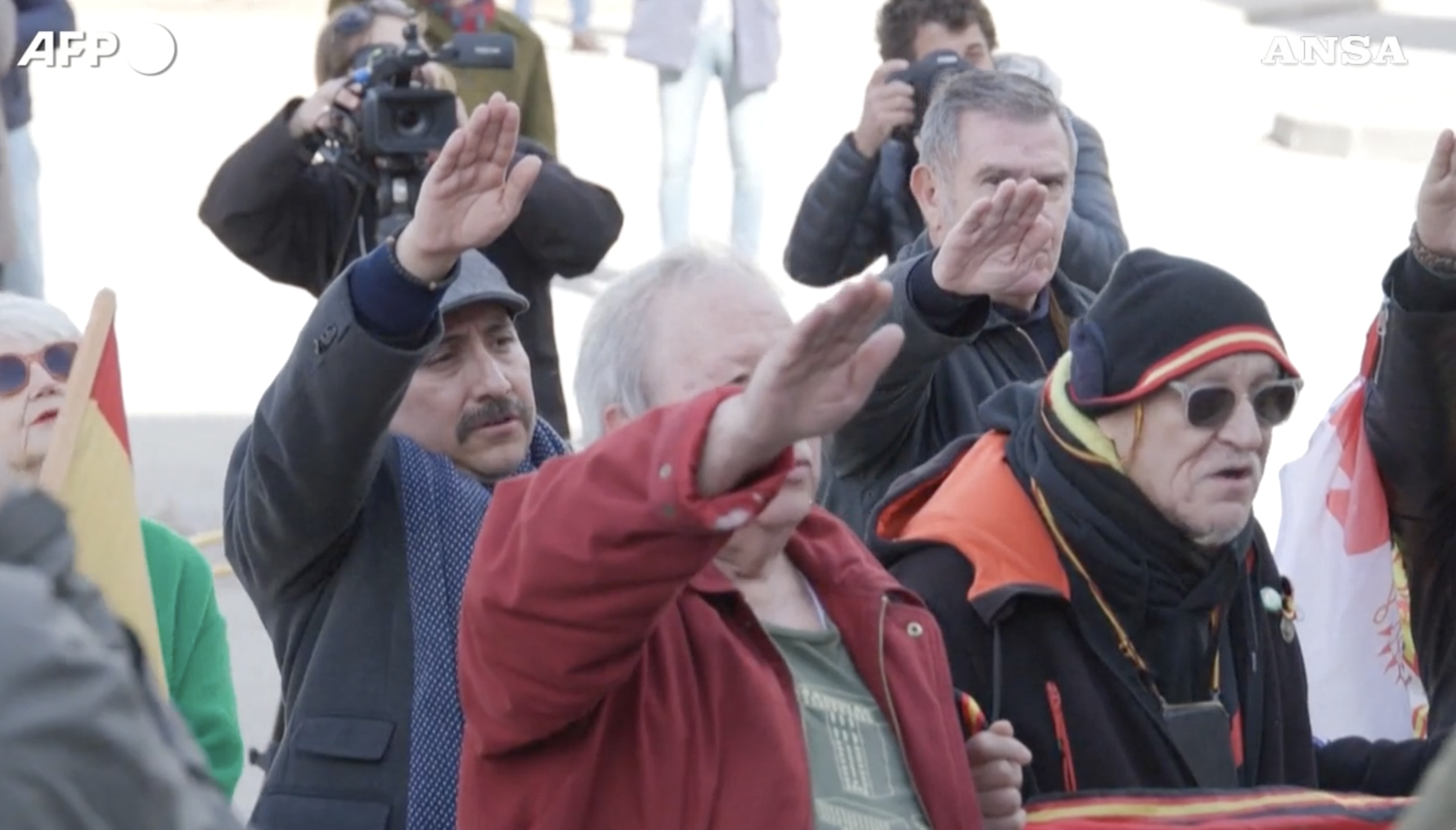
Fifty years after the death of Francisco Franco, Spain remains deeply divided over his legacy. Franco, who died on November 20, 1975, ruled the country with an iron fist from 1939 to 1975 and continued to fracture Spanish society amid an increasingly polarized climate.
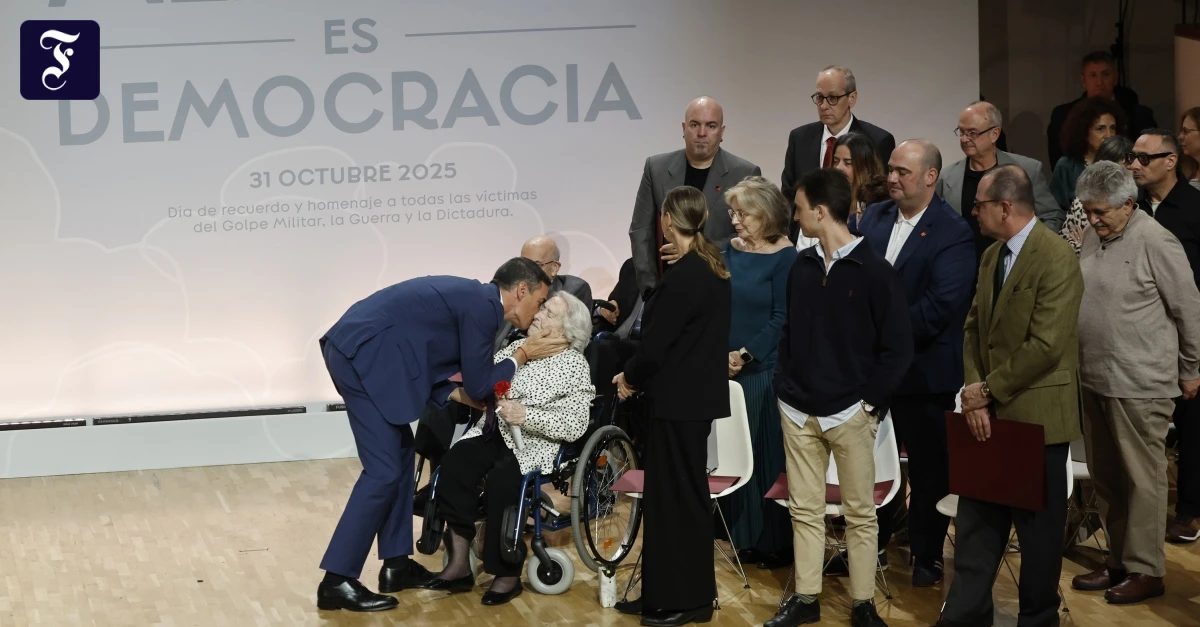
Bringing together all political figures for a joint commemoration seemed impossible. When Socialist Prime Minister Pedro Sanchez launched a year-long series of events in January, dubbed "50 Years of Freedom" to "highlight the profound transformation achieved over this half-century of democracy," the conservative opposition, composed of the right-wing Partido Popular (PP) and the far-right Vox, boycotted the initiative. They accused Sanchez of trying to distract from corruption scandals affecting his party, the Spanish Socialist Workers' Party (PSOE).
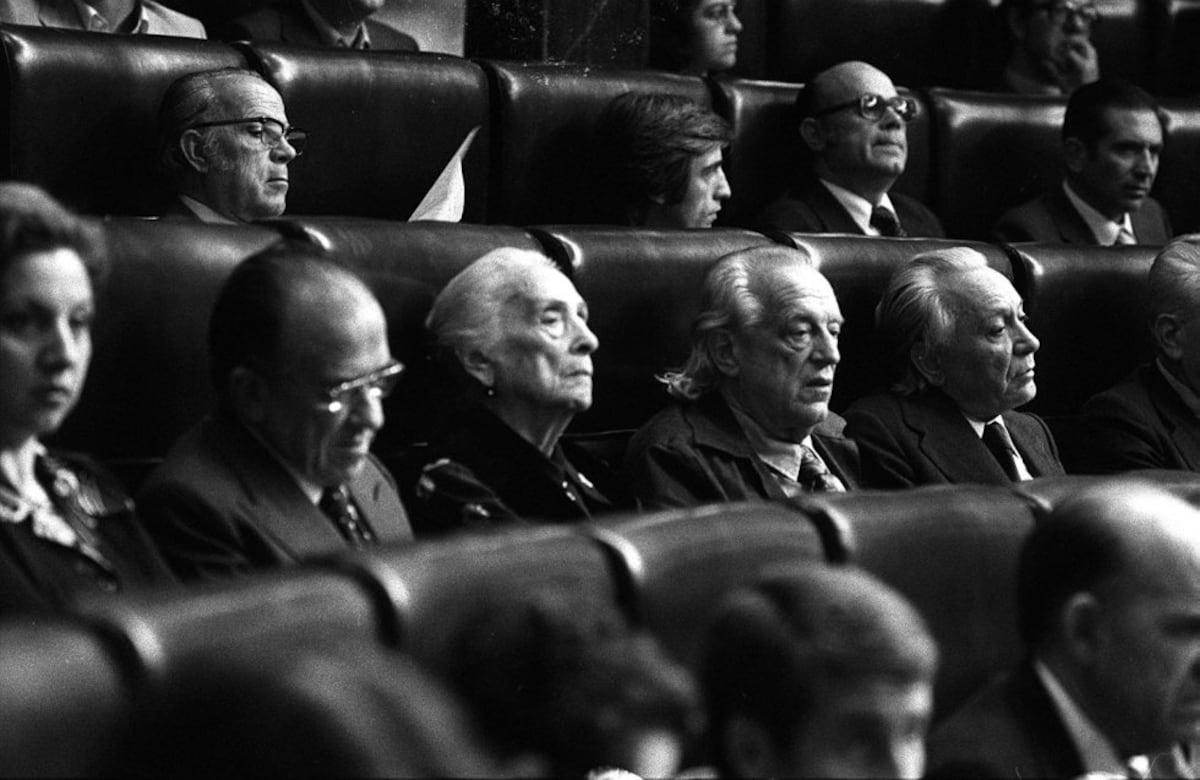
As a result, no major celebrations were held. The November 21 symposium in Parliament, organized to mark the return of the monarchy and presided over by King Felipe VI with members of the PSOE and PP in attendance, was also boycotted by Vox, which refused to "share a space with a corrupt and dangerous government." Sumar, the PSOE's coalition partner, and the left-wing parties Podemos and Izquierda Unida (United Left) declined to attend as well. They argued that the "regime" born of the 1978 Constitution "carries Francoist DNA" and called for the establishment of a republic. Nationalist parties from Catalonia and the Basque Country did the same, demanding reform of the system of autonomous regions created after the dictatorship.