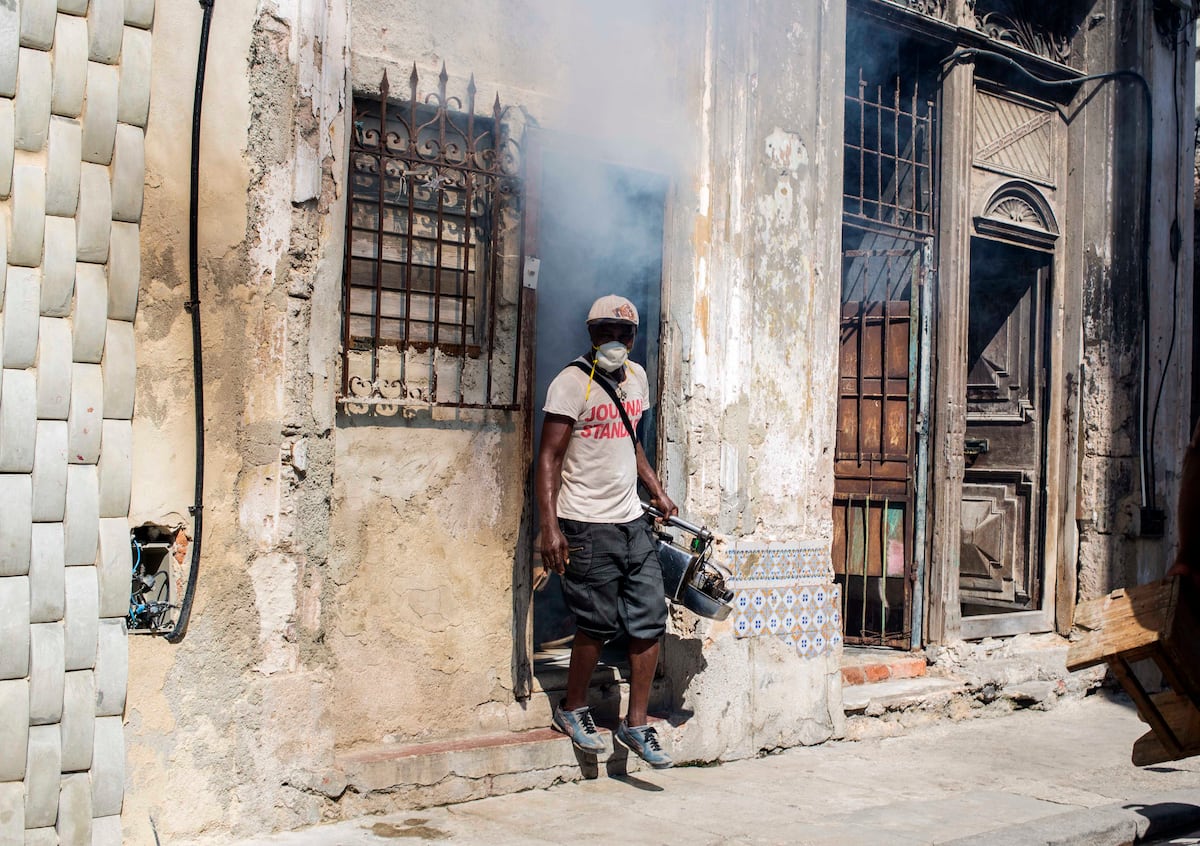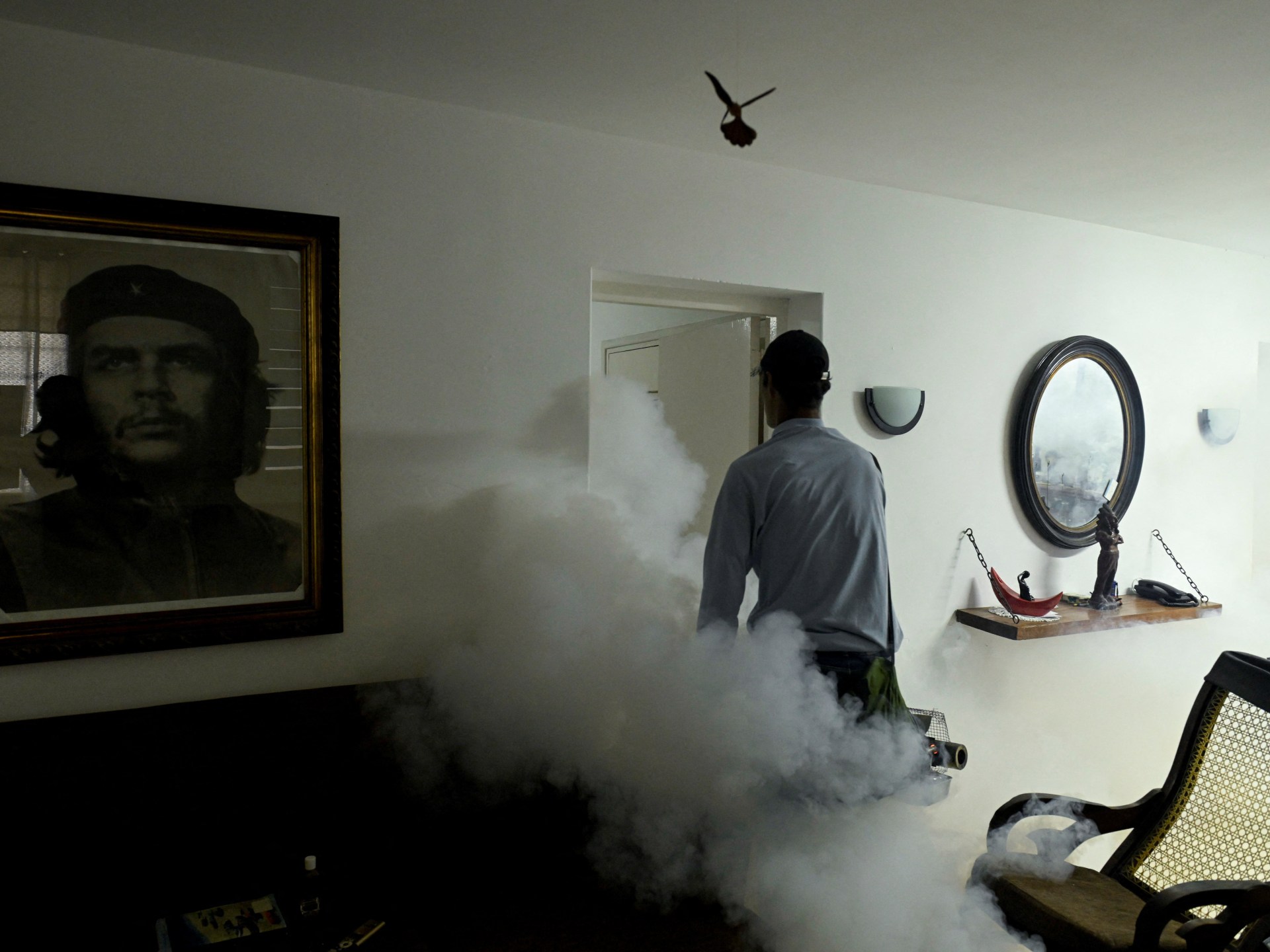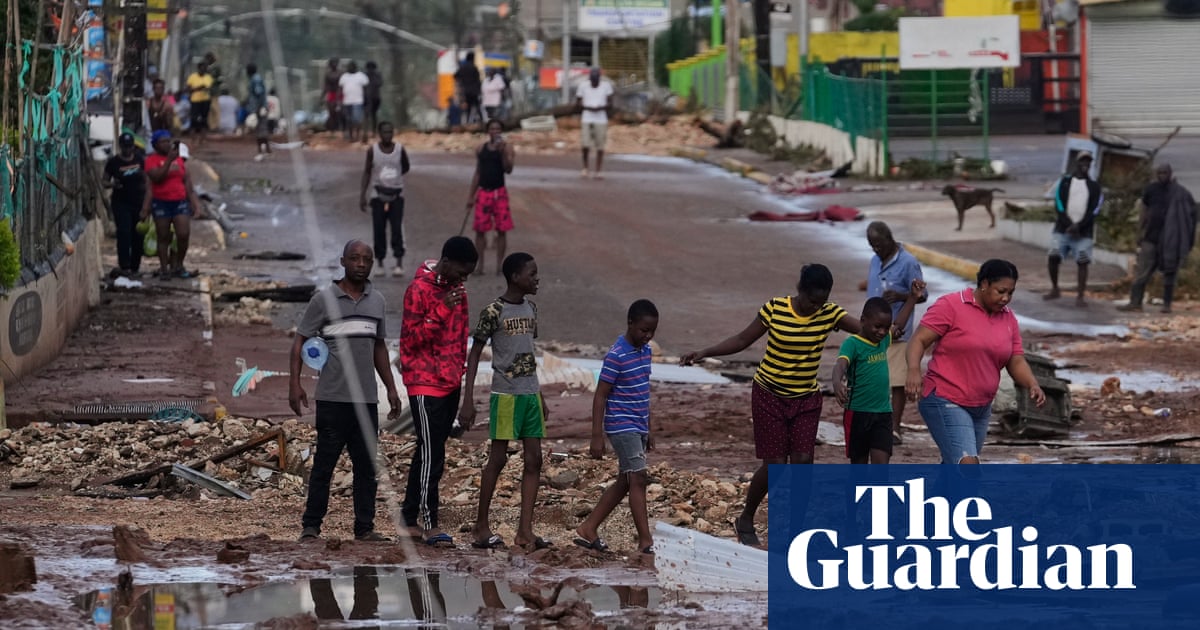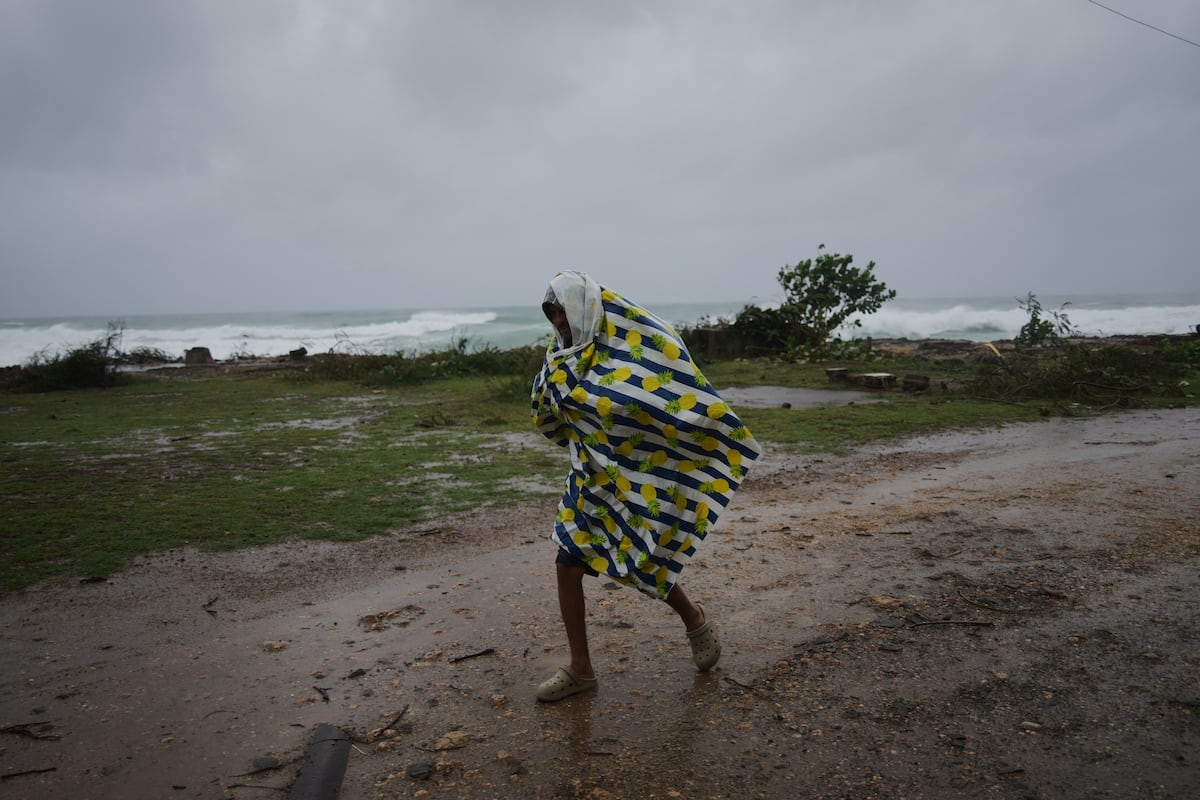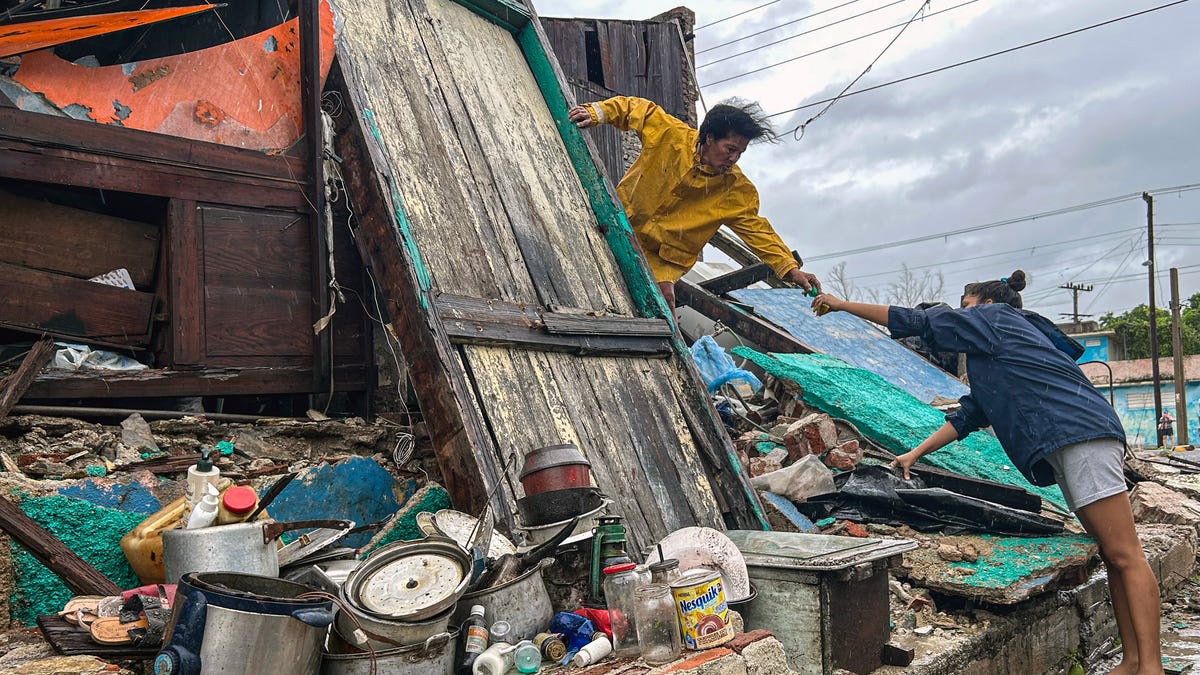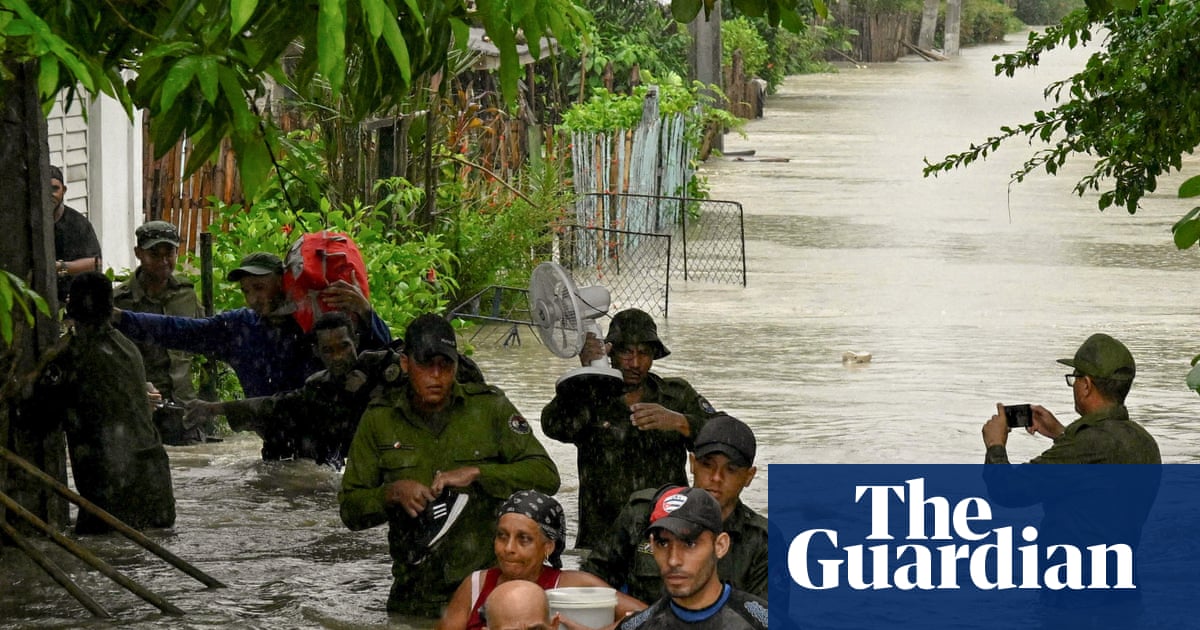
A lack of clean water and medicines in the aftermath of the storm has led to a sharp rise in viruses such as chikungunya and dengue
M
aidel Jorge, a 36-year-old farmer, sweats as he chops down a tree to collect wood for cooking: the early November weather in eastern Cuba is still as hot as summer. The tree was young, so the wood is green, which means it will take longer to burn and their meal will take longer to prepare.
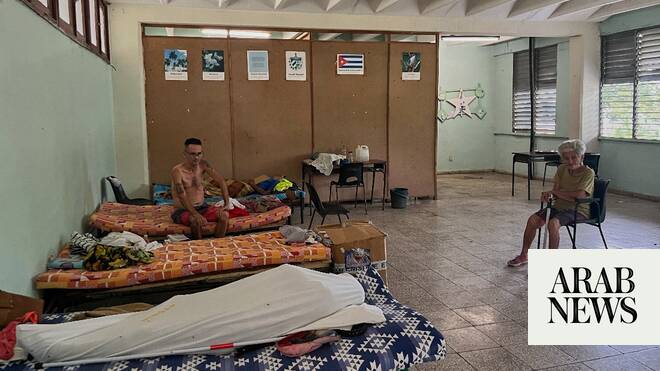
Jorge, his pregnant wife and their six-year-old son are among 300 people staying in a school turned into an evacuation centre in Grito de Yara, Granma province, some of the 3 million Cubans exposed to Hurricane Melissa, which barrelled into the country last month.
Jorge’s family haven’t had electricity for two weeks, the water supply arrives on occasional tankers, and mosquito-borne illnesses are rampant. In the evacuation centre, 18 people are suffering from a fever. Nobody knows for sure which it is: they just call it “the virus”.