ByRobert Rapier,
Senior Contributor.
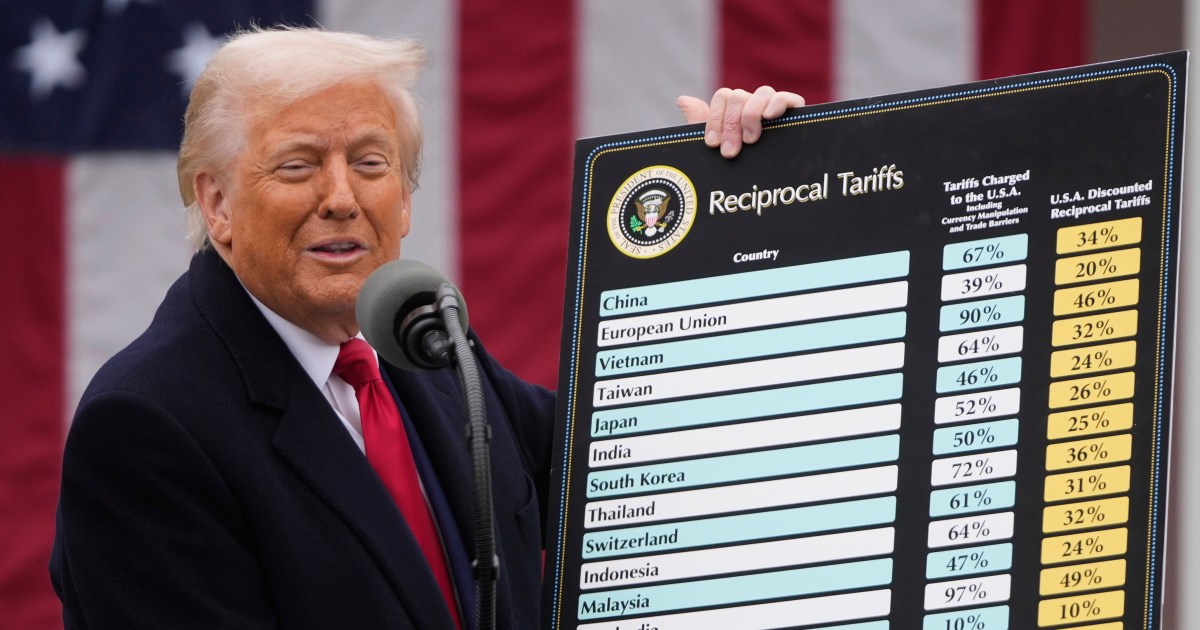
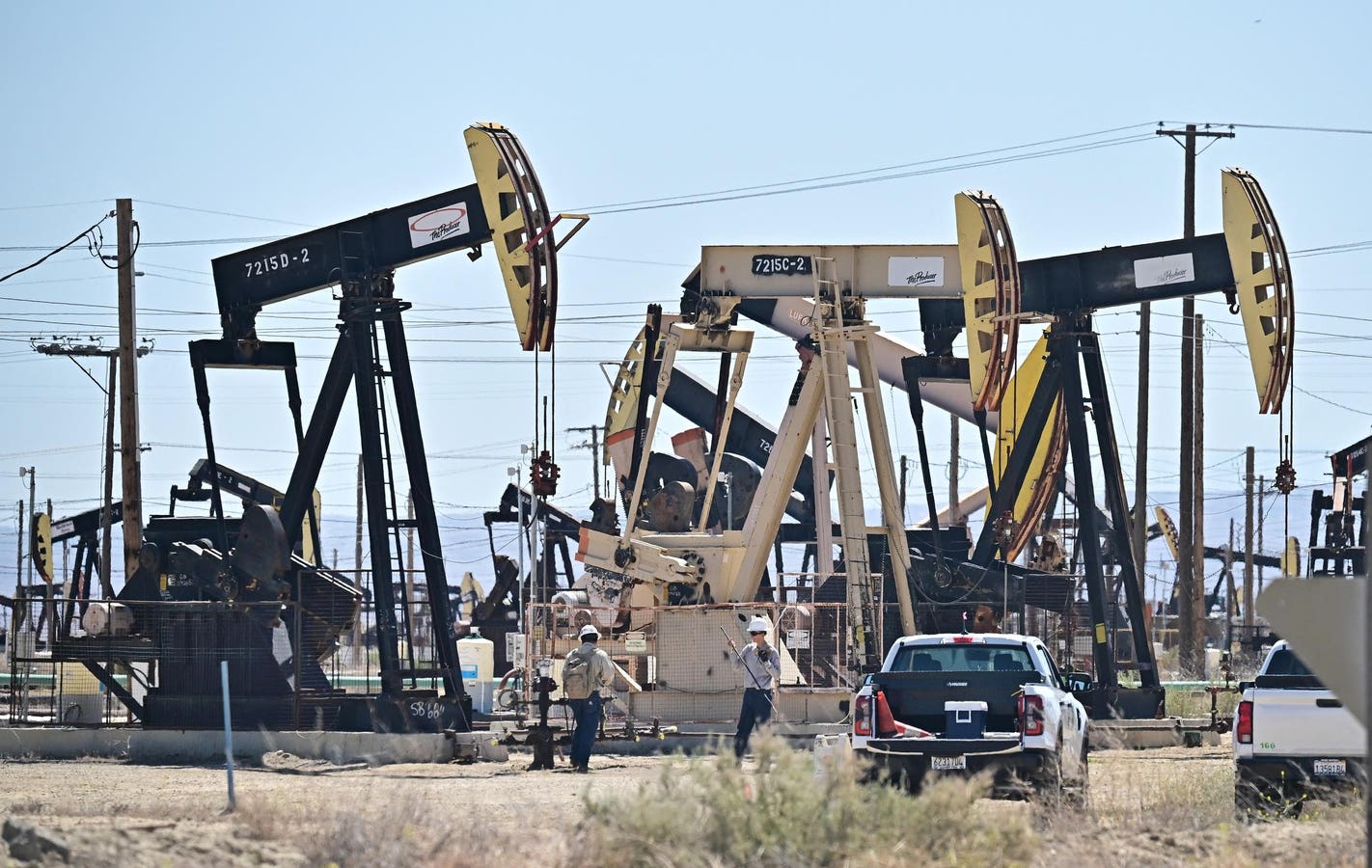
President Trump’s tariff strategy in his second term has touched almost every corner of the economy, but few sectors have felt the effects as unevenly as oil and gas. The administration has chosen not to apply tariffs to crude oil, natural gas, or refined fuel imports—yet upstream, midstream, and refining companies are still dealing with higher costs from steel, aluminum, and other essential materials. The disconnect means that the feedstock remains tariff-free, while the infrastructure needed to produce and process it is becoming more expensive.
The most immediate pain point is cost inflation on equipment and materials. The current tariff package includes:
For an industry that sources everything from line pipe to control systems globally, these tariffs show up quickly. Steel is the biggest factor. Drill pipe, casing, gathering lines, transmission lines, LNG tanks, refinery vessels, structural steel—almost every piece of hard infrastructure depends on it.