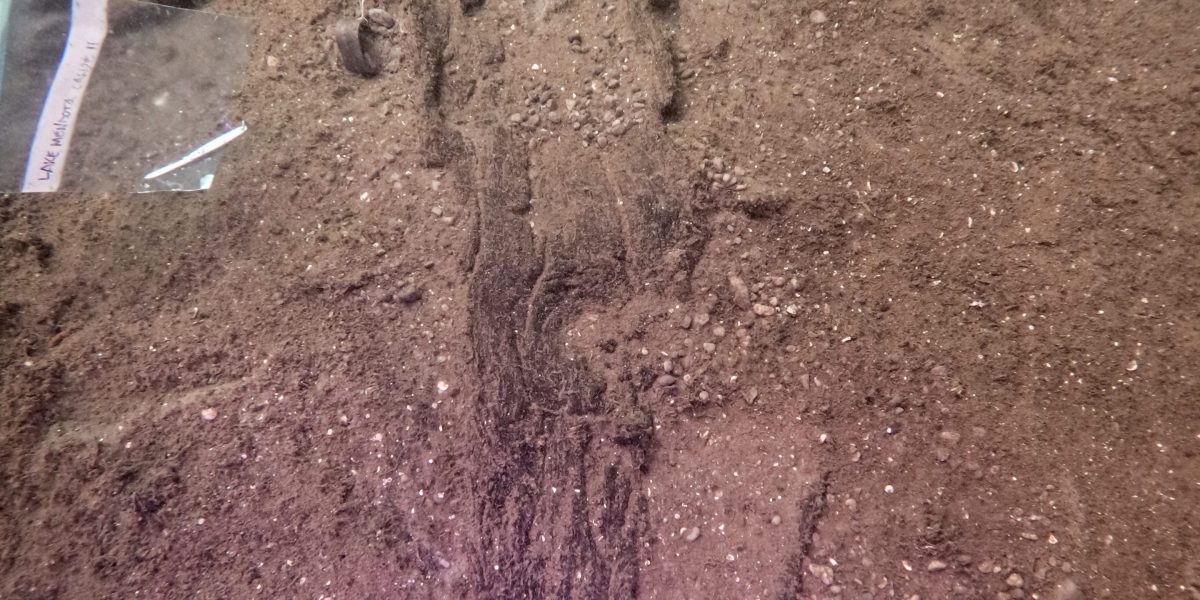
Archaeologists have identified more than a dozen ancient canoes that Indigenous people apparently left behind in a sort of prehistoric parking lot along a Wisconsin lakeshore.
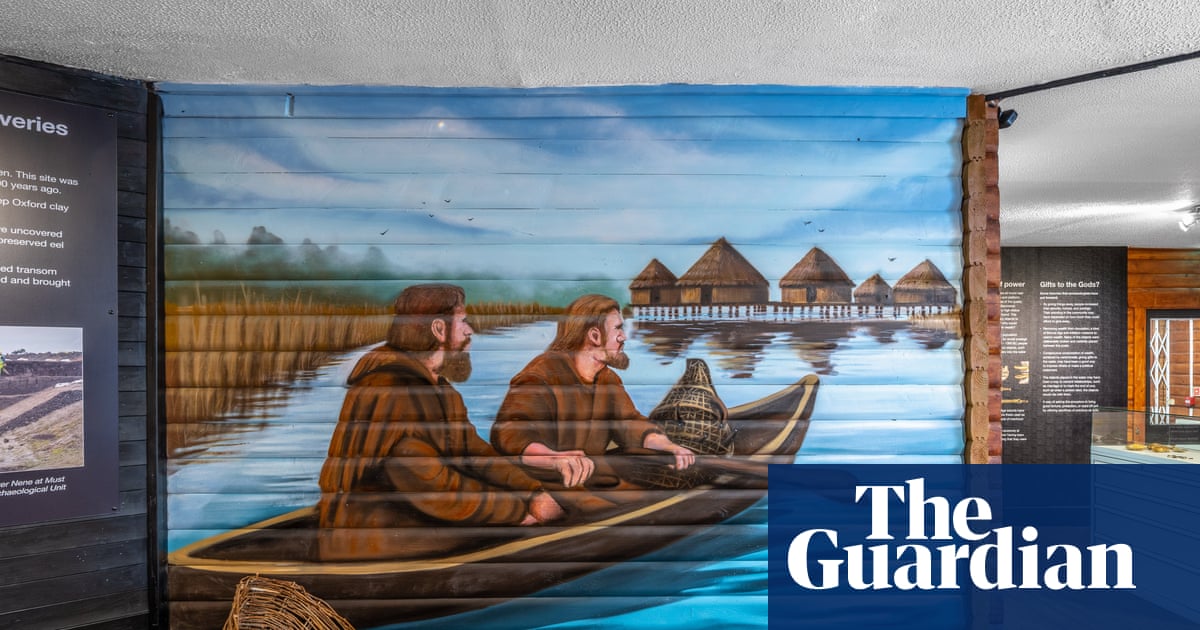
The Wisconsin Historical Society announced Wednesday that archaeologists have mapped the location of 16 canoes submerged in the lake bed of Lake Mendota in Madison. Tamara Thomsen, the state’s maritime archaeologist, said that the site lies near a network of what were once indigenous trails, suggesting ancient people left the canoes there for anyone to use as they traveled, much like a modern-day e-bike rack.
“It’s a parking spot that’s been used for millennia, over and over,” Thomsen said.
Lake Mendota is a sprawling, 15-square-mile (38.8-square-kilometer) body of water on Madison’s west side. The state Capitol building and the University of Wisconsin-Madison are located on an isthmus that runs between it and Lake Monona, a 5-square-mile (13-square-kilometer) lake to the east.
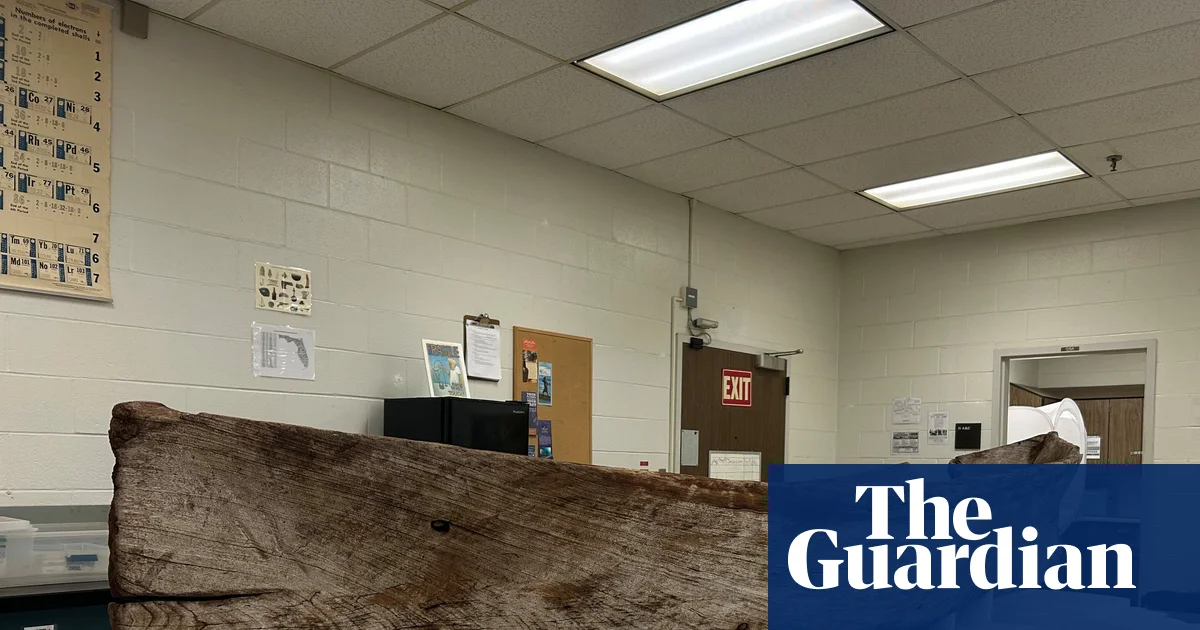
The discoveries began in 2021 when archaeologists uncovered the remains of a 1,200-year-old canoe submerged in 24 feet of water in Lake Mendota. The following year they found the remains of a 3,000-year-old canoe, a 4,500-year-old canoe under it and a 2,000-year-old canoe next to it, alerting researchers that there was probably more to the site than they expected.