Molecular profiles will give detailed snapshot of person’s physiology and predict diseases from diabetes to cancer and dementia
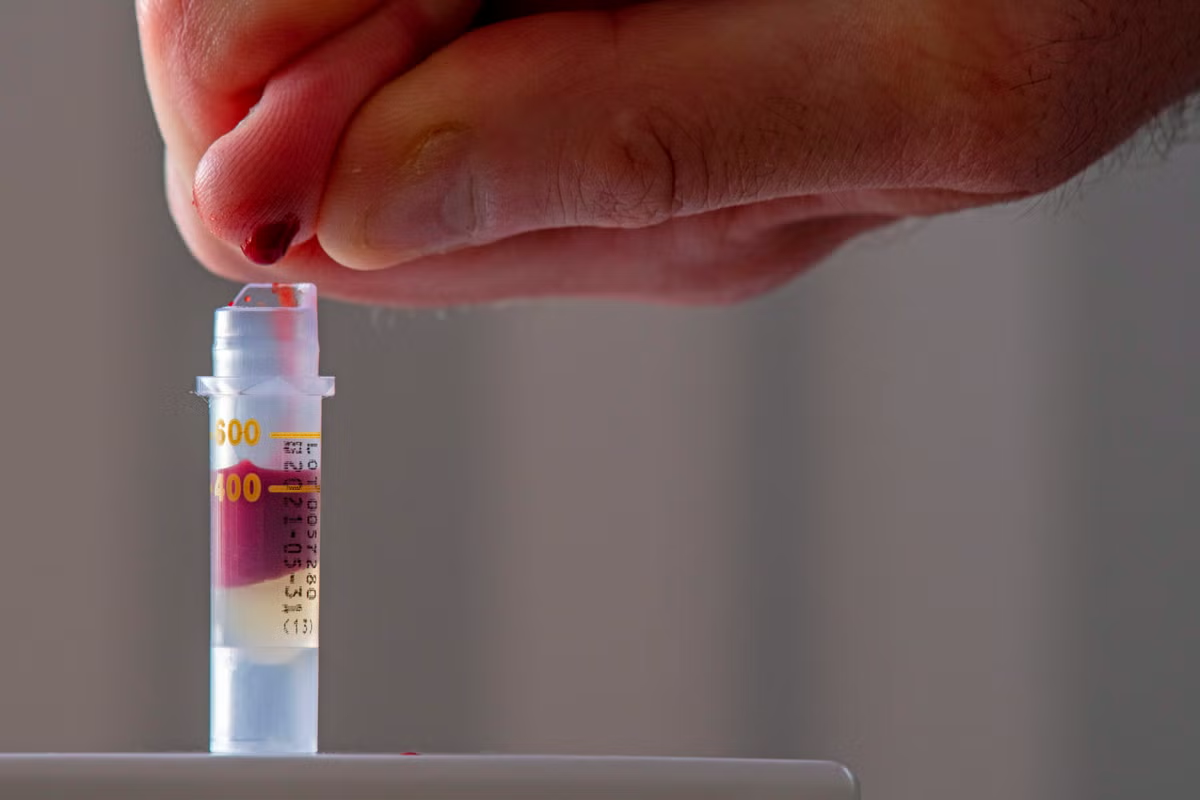
The world’s largest study into key substances in the bloodstream has paved the way for a swathe of pinprick tests that can detect early signs of disease more than a decade before symptoms appear, researchers say.
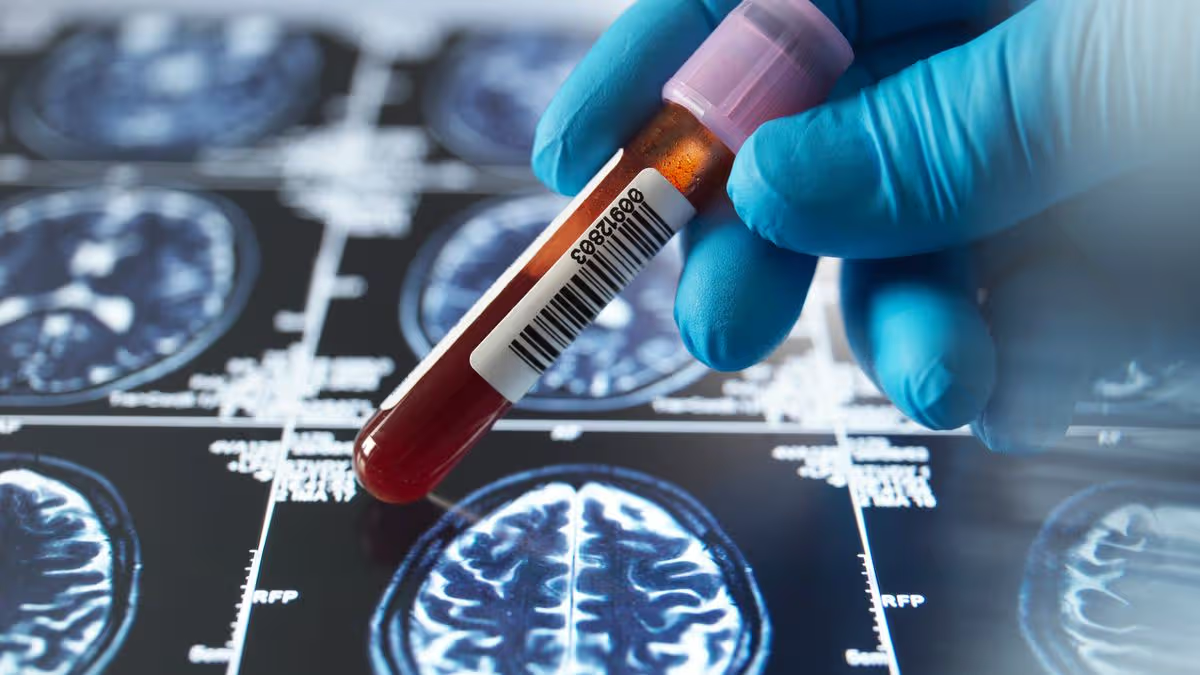
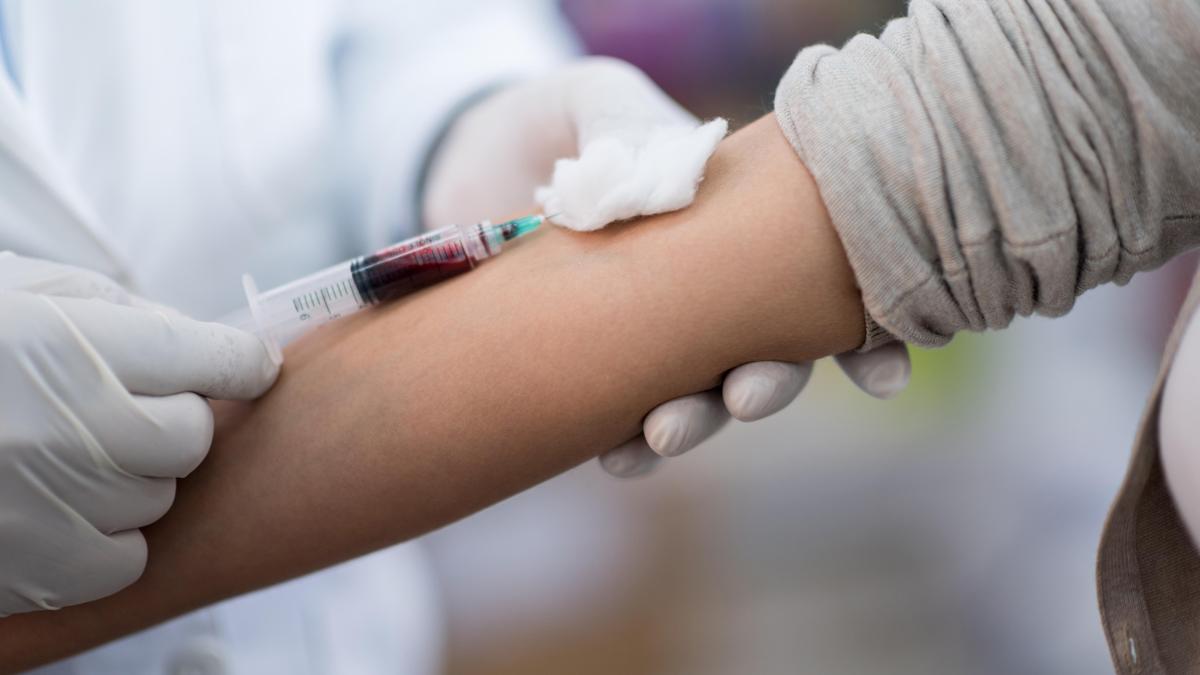
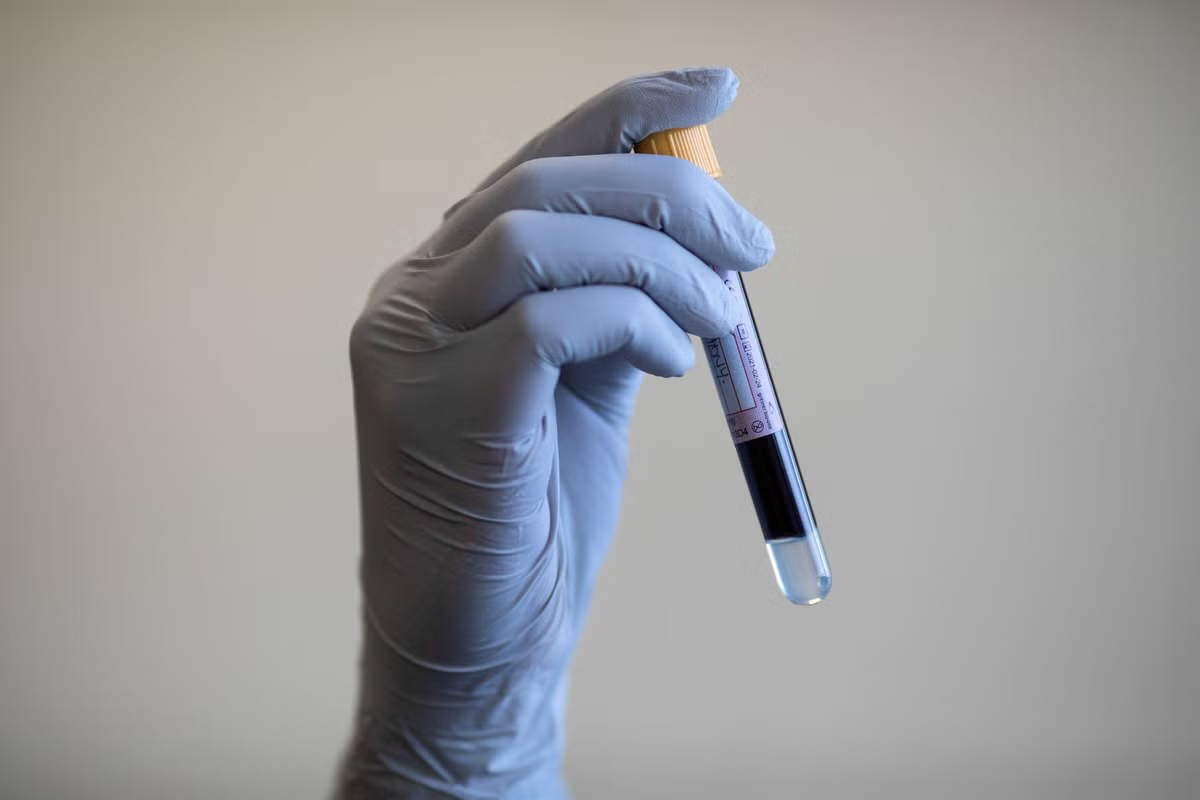
Work on the tests follows the completion of a project by the UK Biobank to measure the levels of nearly 250 different proteins, sugars, fats and other compounds in blood collected from half a million volunteers.
The complex molecular profiles give a detailed snapshot of each person’s physiology, and when combined with medical records and death registries, allow scientists to predict the risk of a host of diseases from diabetes and heart disease to cancer and dementia.
“It’s going to be a real gamechanger for our work,” said Dr Joy Edwards-Hicks at the University of Edinburgh, who studies how changes in blood metabolites affect the immune system. More predictive tests will shift the emphasis in healthcare towards preventing diseases rather than treating them.