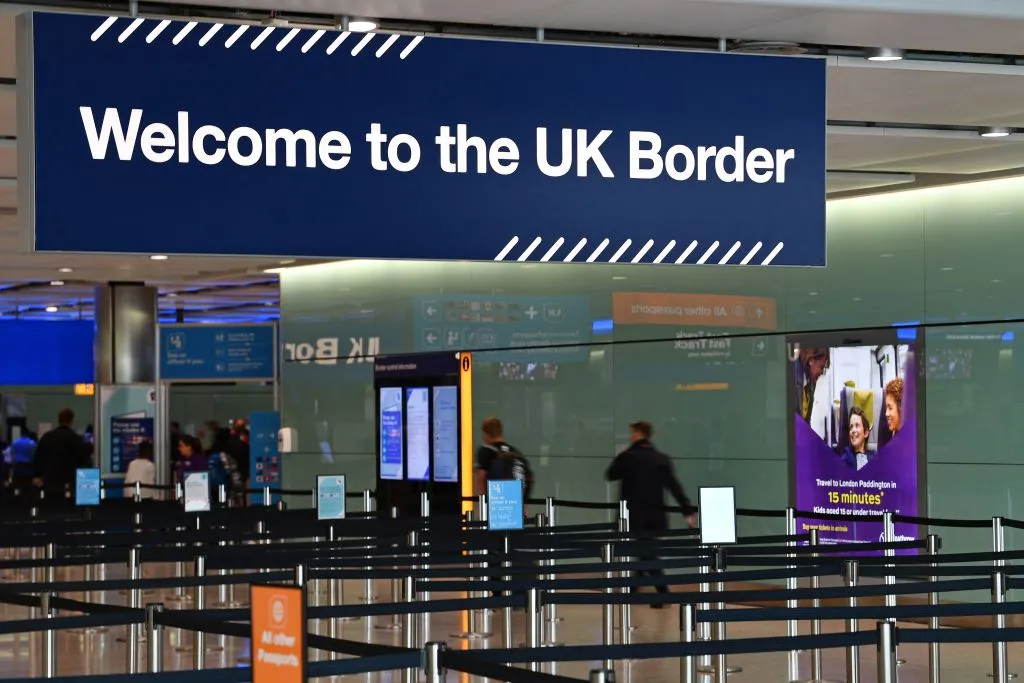
A fixation on reducing numbers leaves no room for rational discussion of what that means for the economy and society
B
ritish political debate has long been dominated by public anxiety about rising levels of immigration. How might that change if the population tide were to turn? Not at all, would appear to be the answer. Net migration has in fact been falling since before Labour came to power last July, and yet there has been no end of demand for ever tighter controls and no end of government acquiescence.
New figures published this week by the Office for National Statistics (ONS), adjusting historical data for methodological changes, show that net migration was 944,000 for the year ending March 2023 – about 40,000 higher than had previously been thought. The drop since then has also been steeper. The number for the year ending December 2024 is now thought to be 345,000 – lower than the earlier count by 86,000.
The fact that the initial figures were wrong raises difficult questions for the ONS. Ministers making policy should have access to reliable data. Political arguments should be predicated on numbers that voters can trust. But even before revision, the downward trend in data was clear. Net migration spiked in 2022, in part because of population flows connected to the easing of pandemic restrictions, but also because Britain welcomed large numbers of people seeking sanctuary from the Ukraine war and fleeing Chinese repression in Hong Kong.