Labour’s cautious fixes for immigration and asylum policy face a toxic public mood shaped by fear, falsehoods and far-right provocation
I
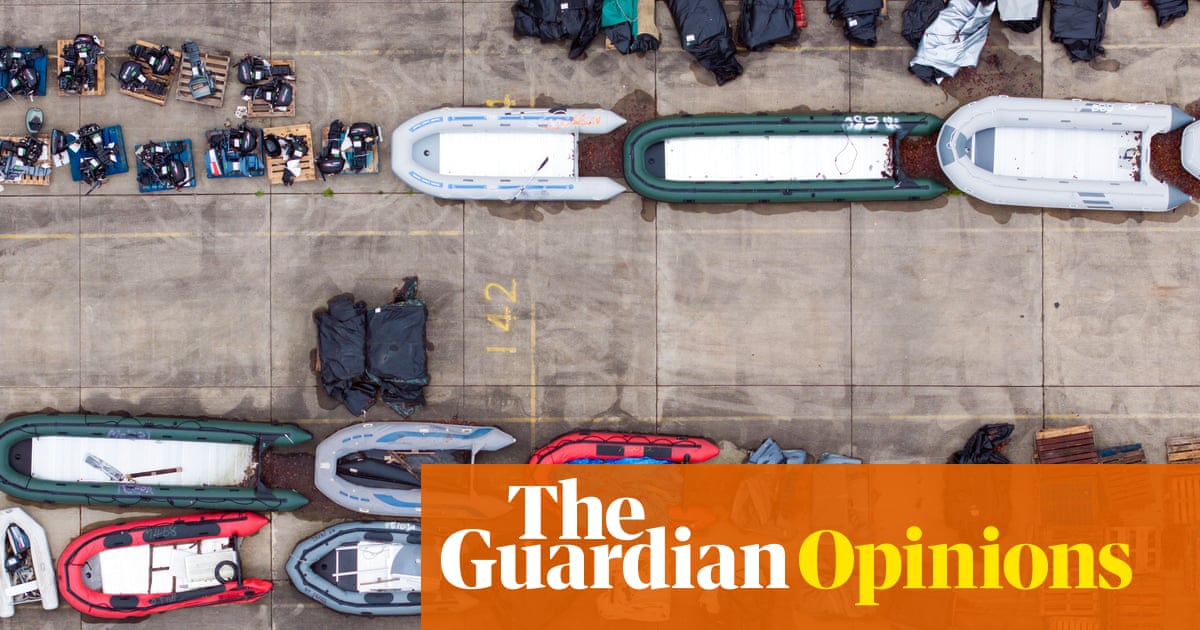
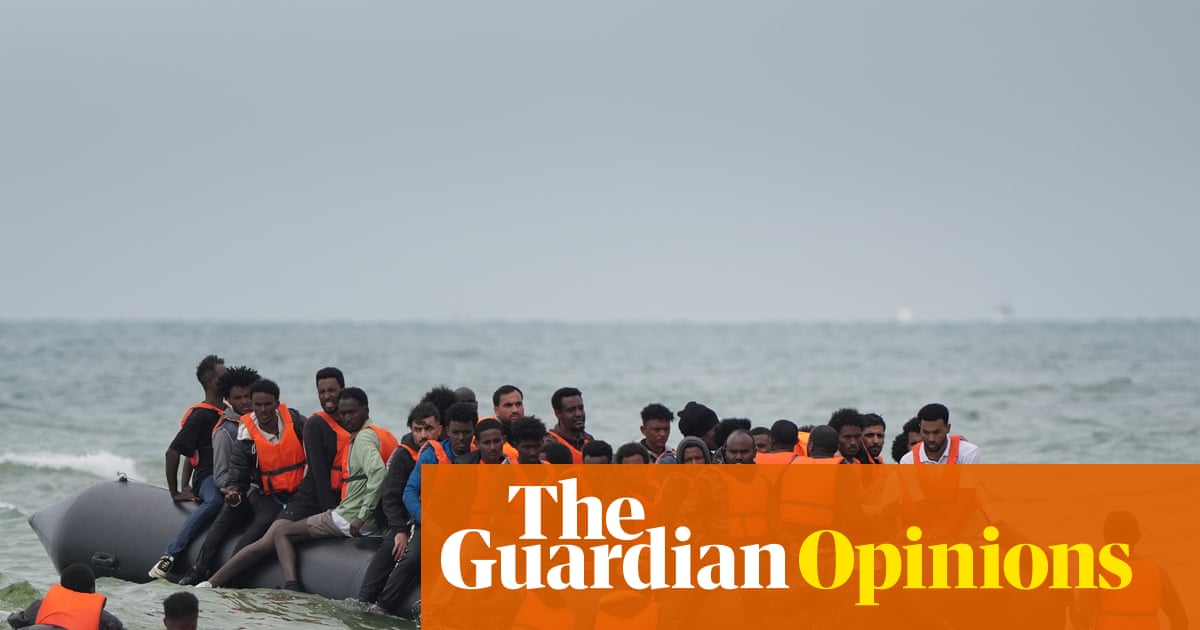
n politics, numbers rarely speak for themselves. They must be framed and interpreted. They are often weaponised. In Britain’s increasingly toxic debate over asylum and migration, the question isn’t just how many asylum seekers arrive on small boats. It’s what those numbers are made to represent – and why polls suggest a large proportion of the public now believes things that are simply untrue.
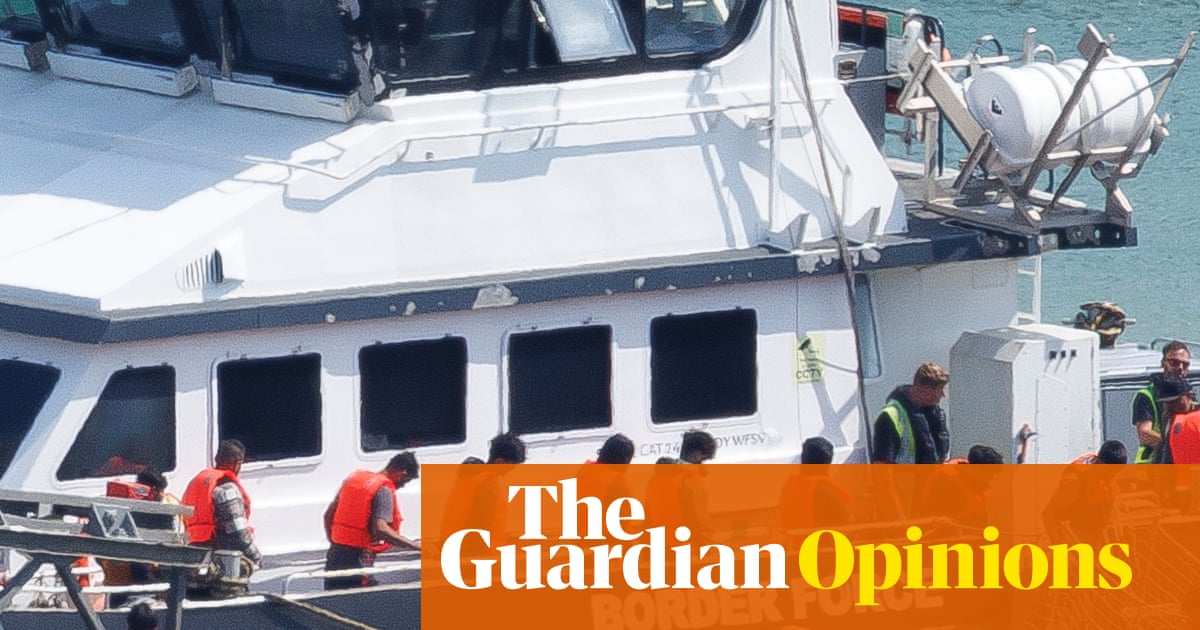
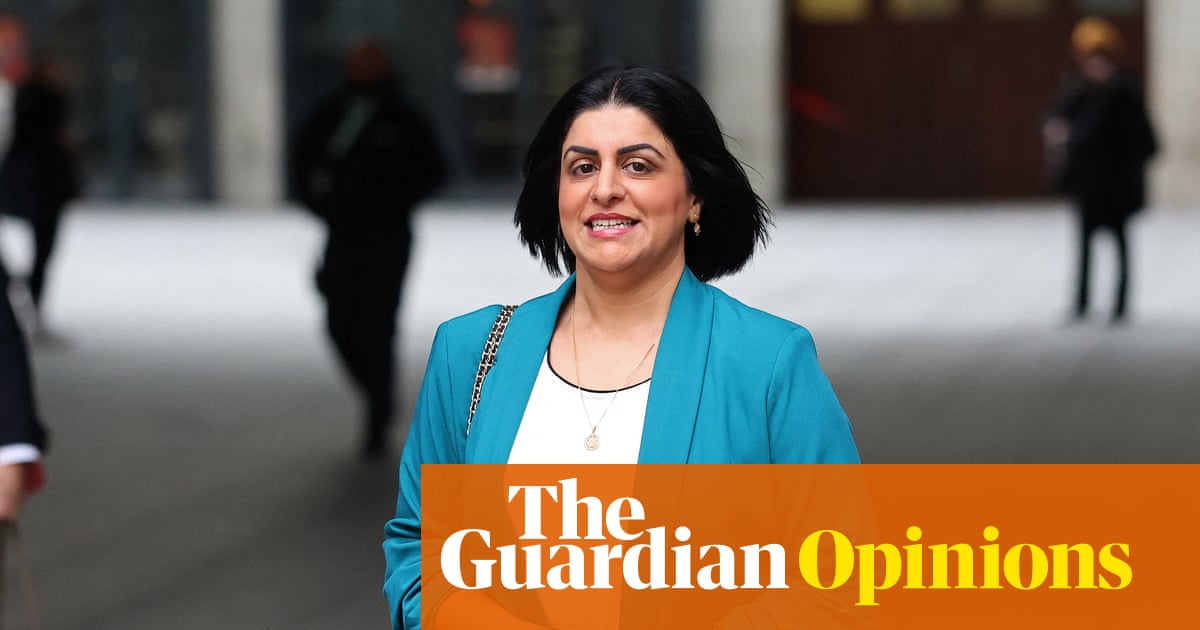
Yvette Cooper, the home secretary, has staked her political credibility on restoring a sense of grip over the asylum system: reducing the backlog by processing cases, accelerating returns of those with no legal claim to stay and launching an as yet small-scale “one in, one out” returns deal with France. In balancing operational realism with symbolic reassurance, Ms Cooper walks a knife-edge between policy and perception.
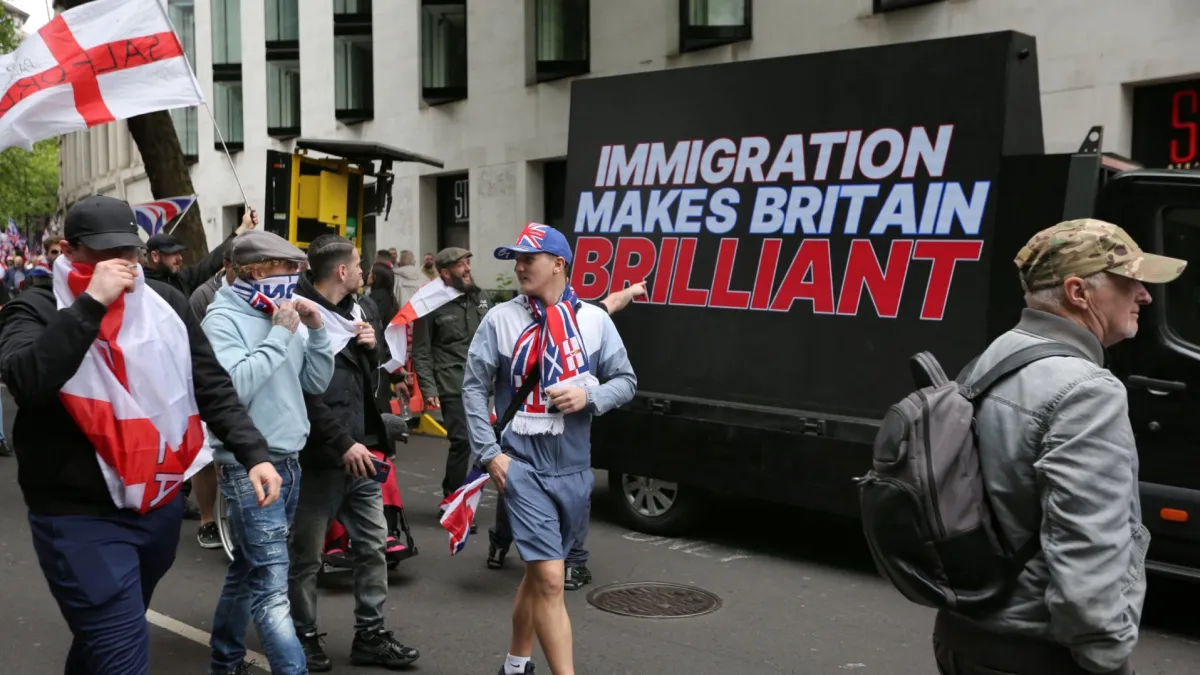
The small boats issue is no longer just about shortcomings. It is a cultural firestorm – and one increasingly fuelled not by facts, but by misinformation. According to new YouGov polling, nearly half of Britons wrongly believe that illegal migrants now outnumber those here legally. A staggering 72% of those who support mass deportations hold this belief – even though official estimates show legal migration outnumbers irregular migration by at least 10 to 1. That gap between belief and reality is not accidental. It is the outcome of years of distortion by populist media and politicians who conflate asylum, illegality and criminality. Figures like Nigel Farage and Robert Jenrick have led the charge, using cherrypicked statistics and lurid anecdote to foster the sense of a country under siege. Hotels housing asylum seekers have become flashpoints for far-right protest. Last summer’s riots, frighteningly, appear to be no fluke. They look like a trial run.