Whether by leveraging Russia’s frozen assets, or other means, the EU must deliver the cash necessary to withstand Putin’s war of attrition
I
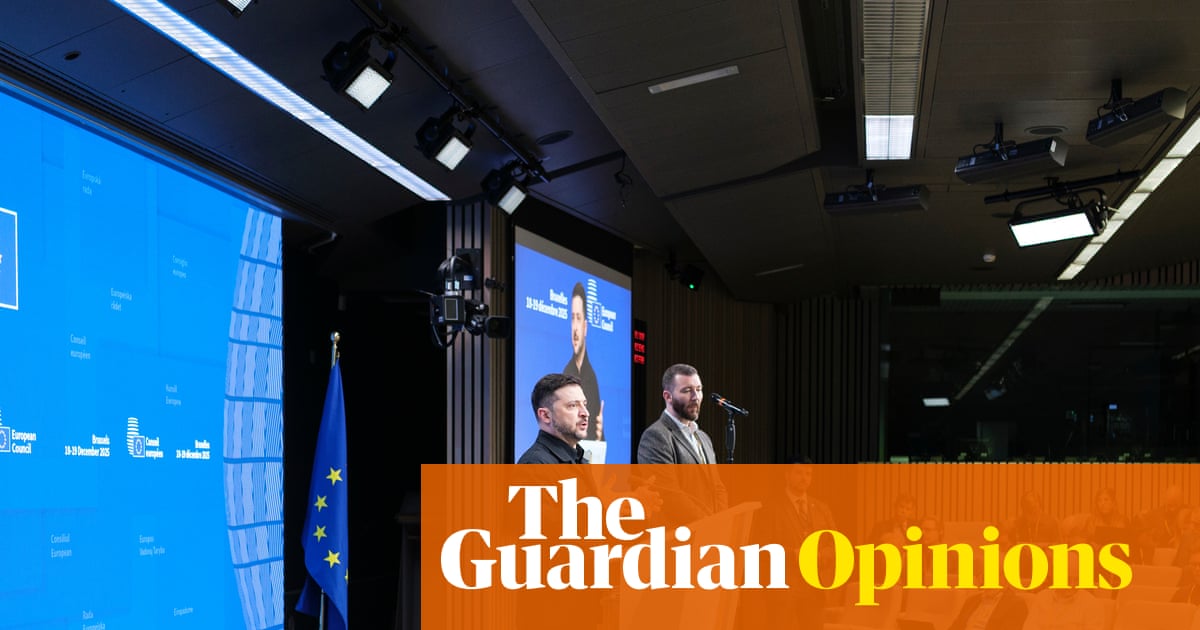
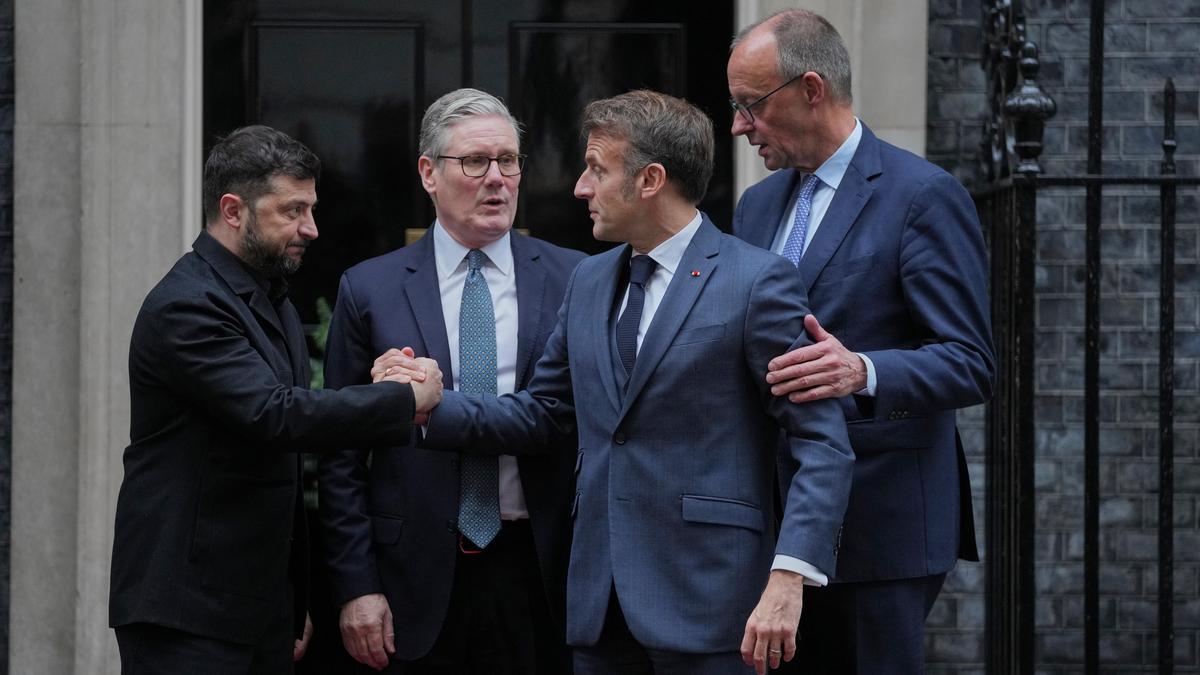
n the early part of this year, as the US vice-president, JD Vance, berated European leaders in Munich, and Volodymyr Zelenskyy was subjected to a televised mauling in the White House, it became starkly apparent that the bonds of solidarity between the European Union and Ukraine would need to be strengthened to cope with a new geopolitical reality. As 2025 draws to a close, a moment of reckoning has arrived.
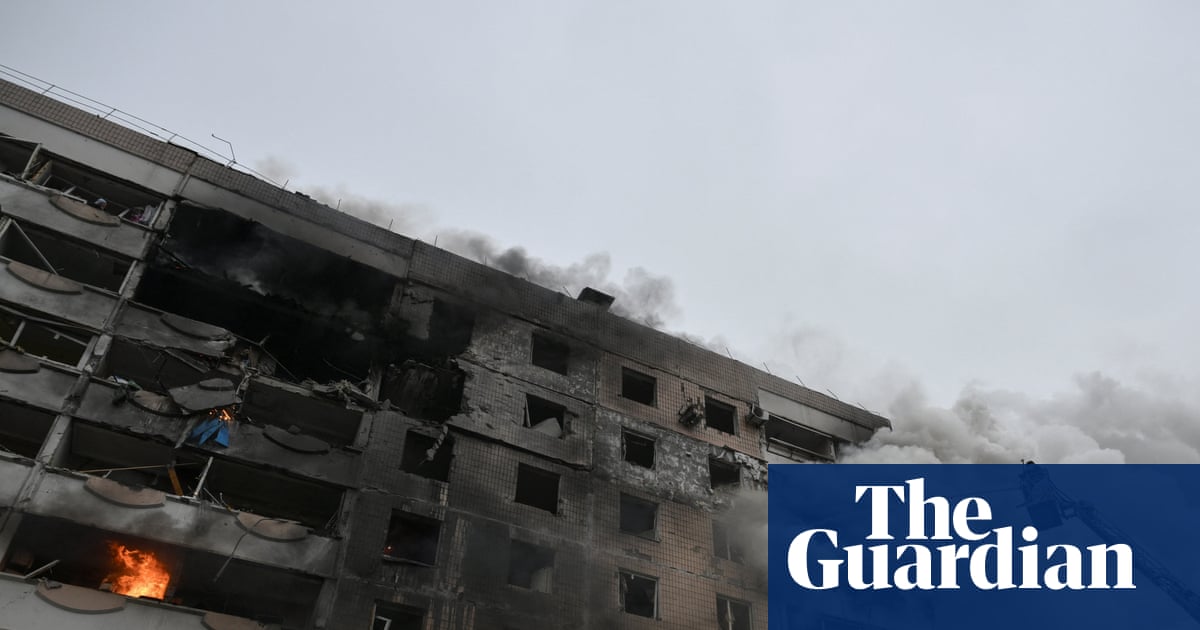
According to EU estimates, Ukraine will need more than €70bn in extra financial assistance next year to keep defending itself against Vladimir Putin. That money won’t be coming from Washington, where Donald Trump has refused to seek new funding for military aid from Congress. Yet Kyiv’s ability to negotiate an acceptable peace depends on its capacity to withstand Mr Putin’s relentless war of attrition, which is designed to drain Ukraine of the resources necessary to resist, and to weaken the resolve of its European allies.
The International Monetary Fund, currently in negotiations with Kyiv over new loans reportedly worth about $8bn, has warned that its own decisions will depend on what the EU decides to come up with. The threat of a disastrous cash crunch by the spring, which could lead to a drying up of funds for basic social infrastructure as well as the military, is real. The risk of potentially catastrophic damage to morale, and Ukrainian bargaining power, is obvious. But until now, the urgency of the situation has not been matched by a swiftness of response in Brussels.