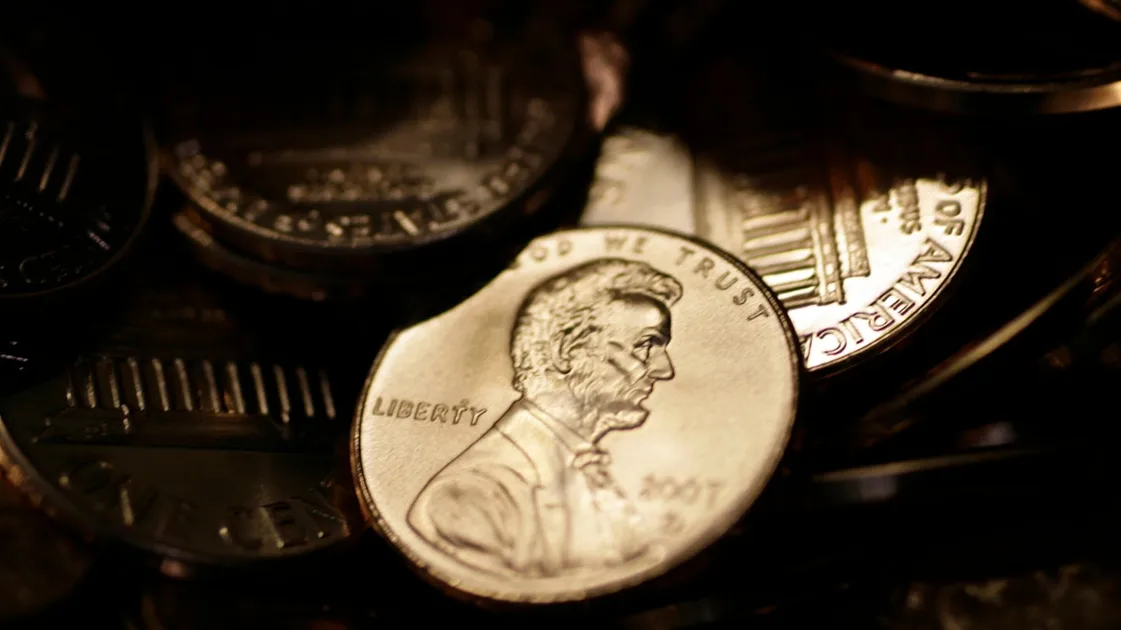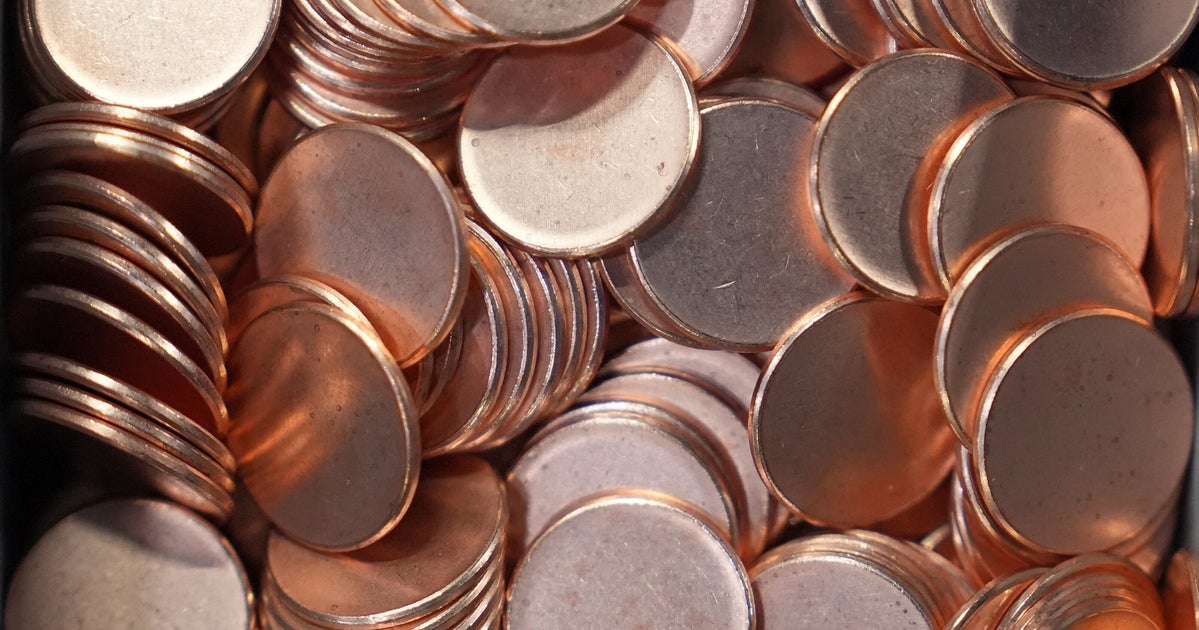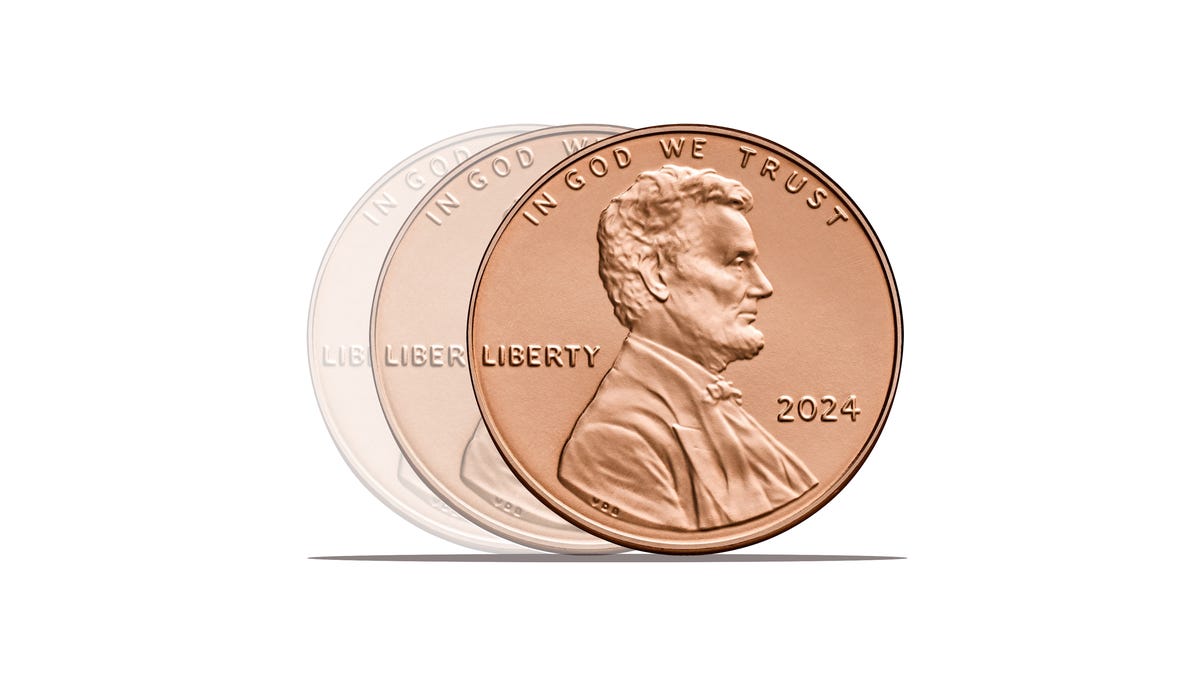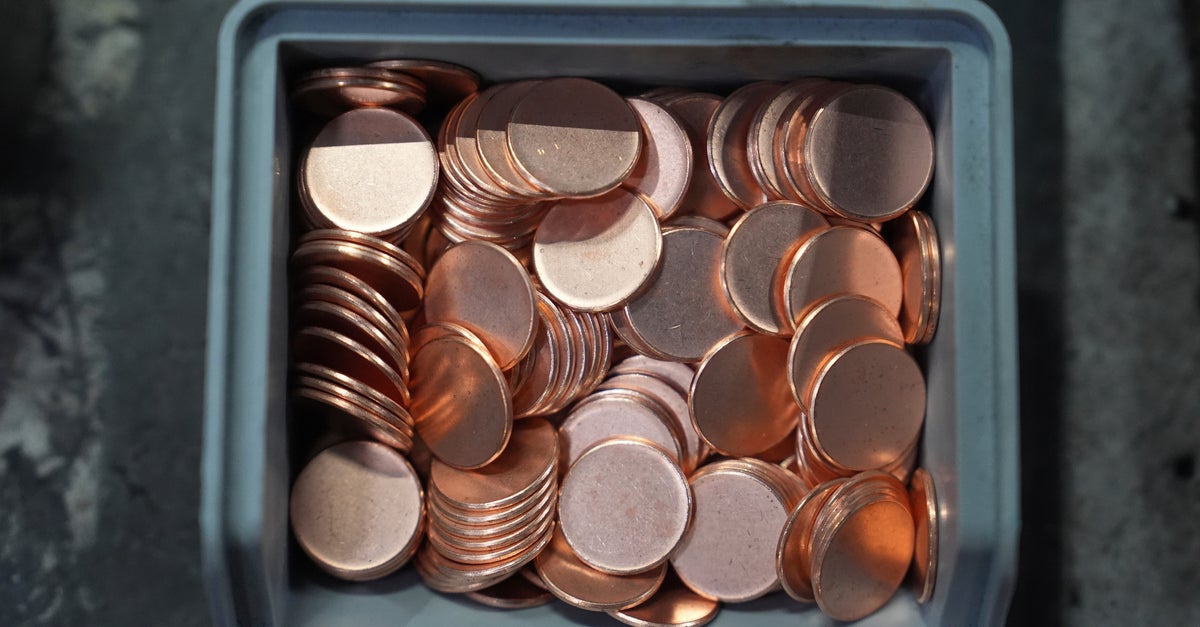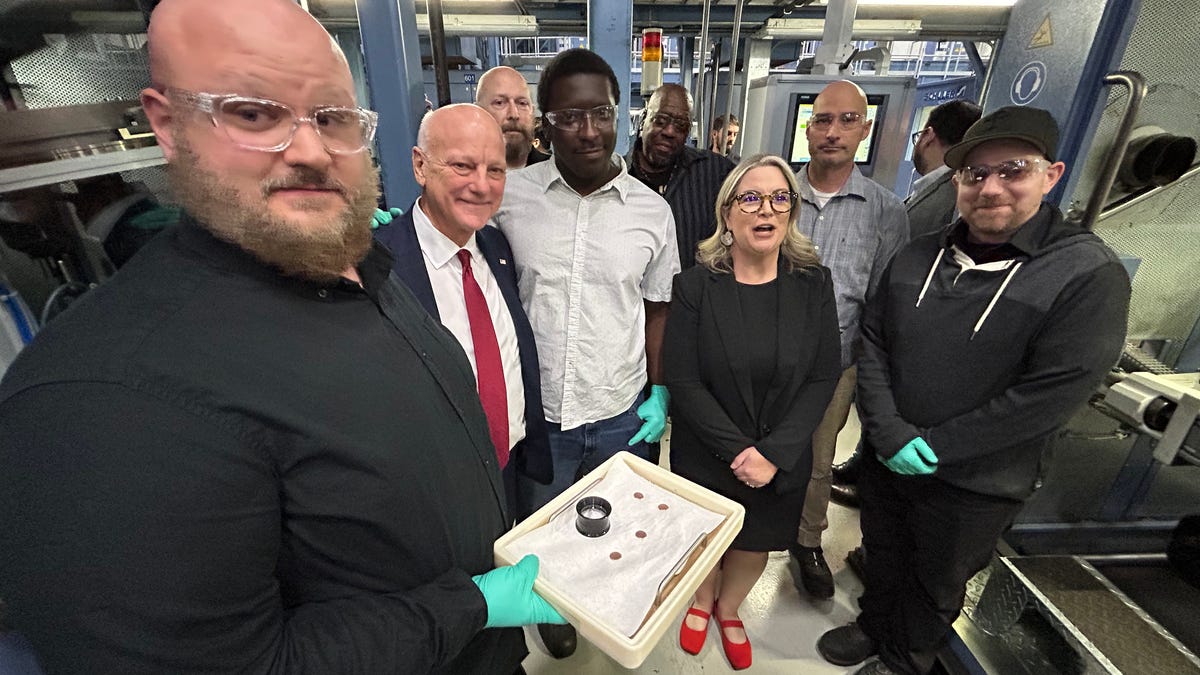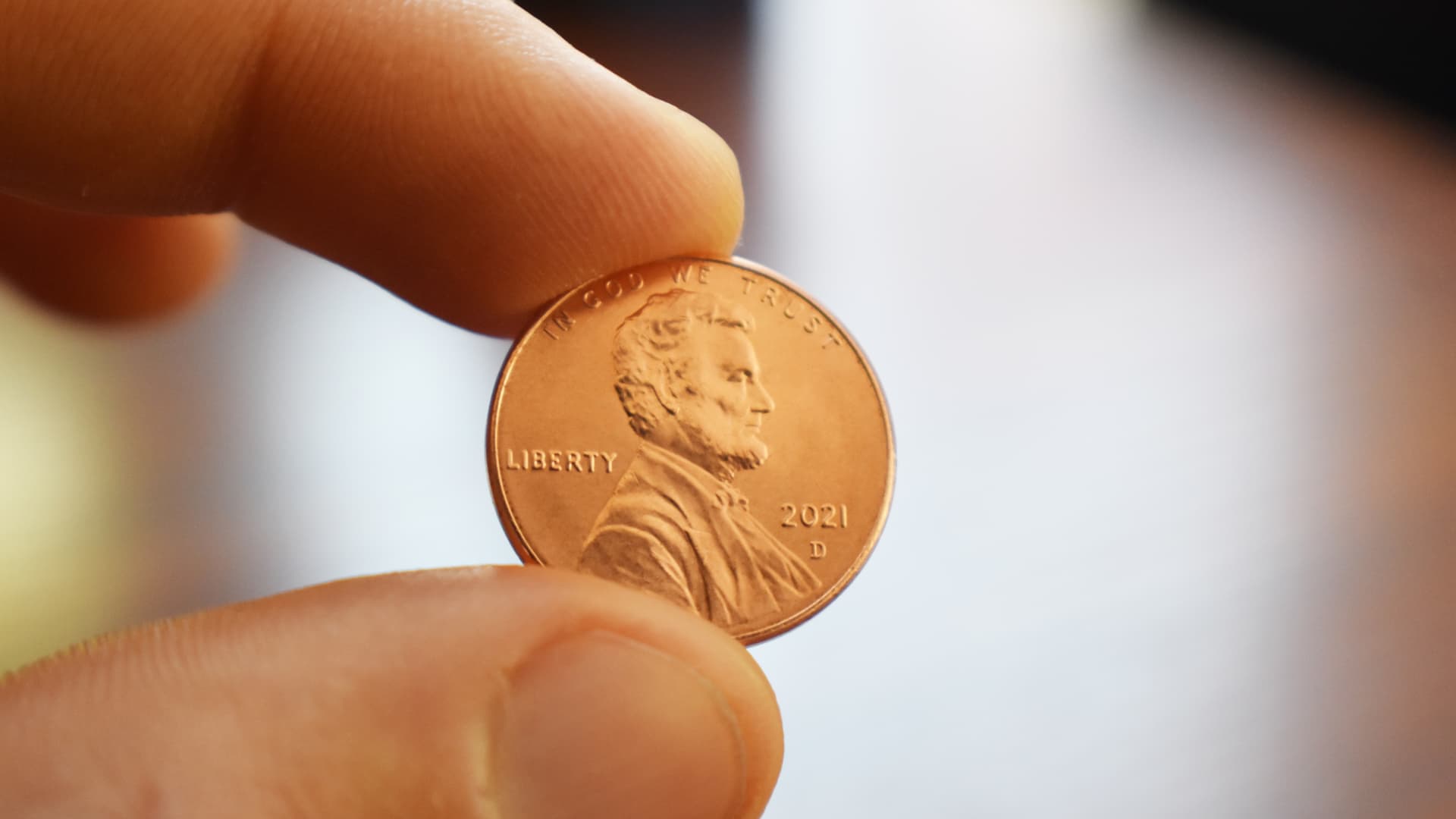
With the U.S. Mint striking its final batch of pennies in Philadelphia last week, the 232-year production run of the one-cent coin has effectively ended.
Much of the shift is driven by rising production costs and declining cash usage. Over the past decade, the Mint’s cost to produce each penny has climbed from 1.42 cents to 3.69 cents, according to the U.S. Mint.
The penny isn’t discontinued and still counts as legal tender, and the final batch is expected to enter circulation in early 2026. But with no new coins being made, the circulating supply will shrink as older pennies drop out of use. Some retailers have already reported penny shortages as production has scaled down, according to Reuters.
And with fewer people using cash for purchases — especially coins — spare change is playing a smaller role in everyday transactions as more people pay with cards or their smartphones. Cash now makes up 14% of consumer payments, down from 31% in 2016, according to Federal Reserve data.
“Now is a good time to cash in [your coins],” says David Rosenstrock, a certified financial planner with Wharton Wealth Planning. “The primary reasons relate to practicality, as coins have an eroding purchasing power, take up space and are becoming less convenient to use or exchange.”