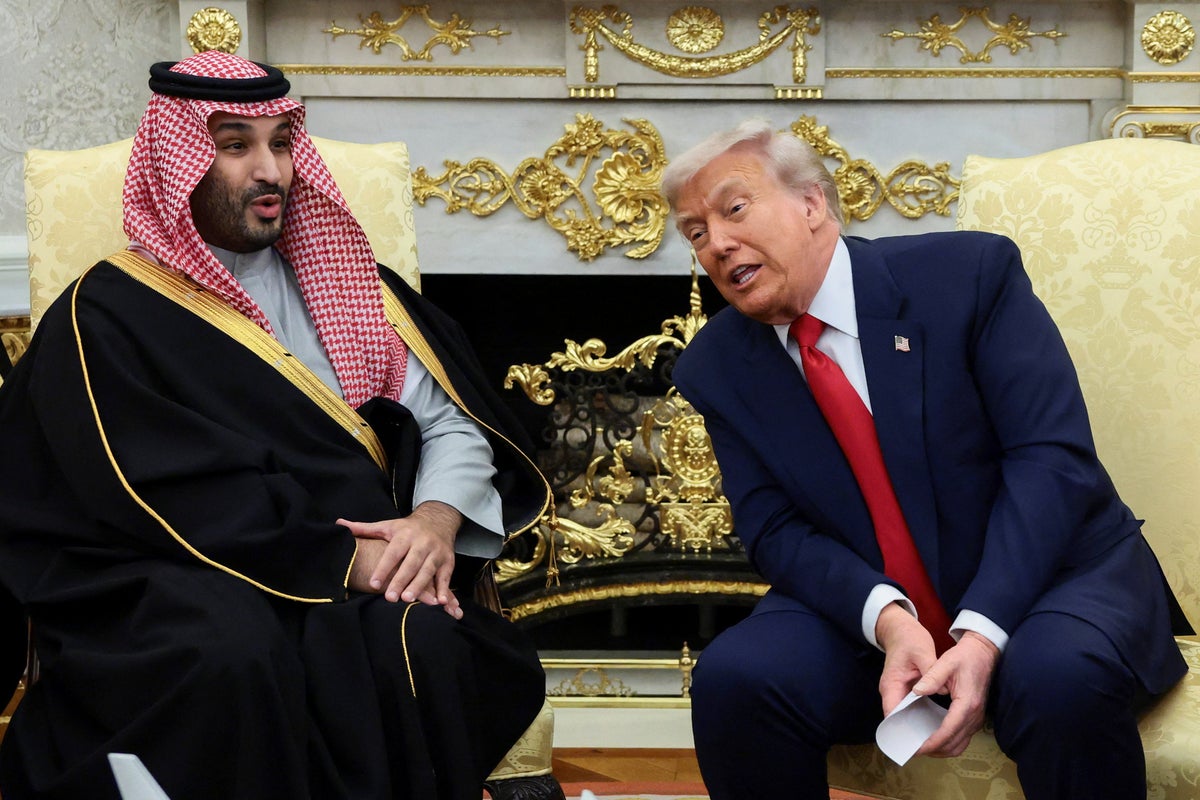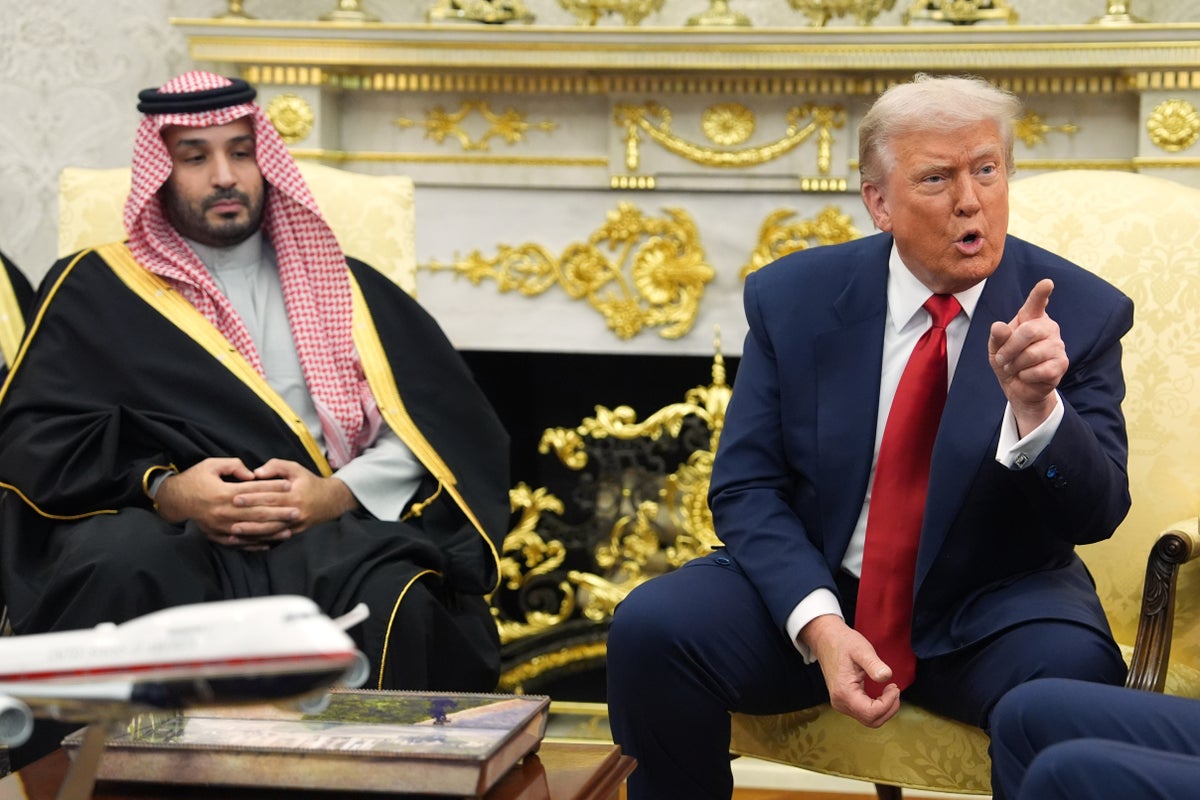
Jamal Khashoggi’s plight and murder was a warning sign for the US, of the impending loss of freedom and censorship that would sweep the country
T
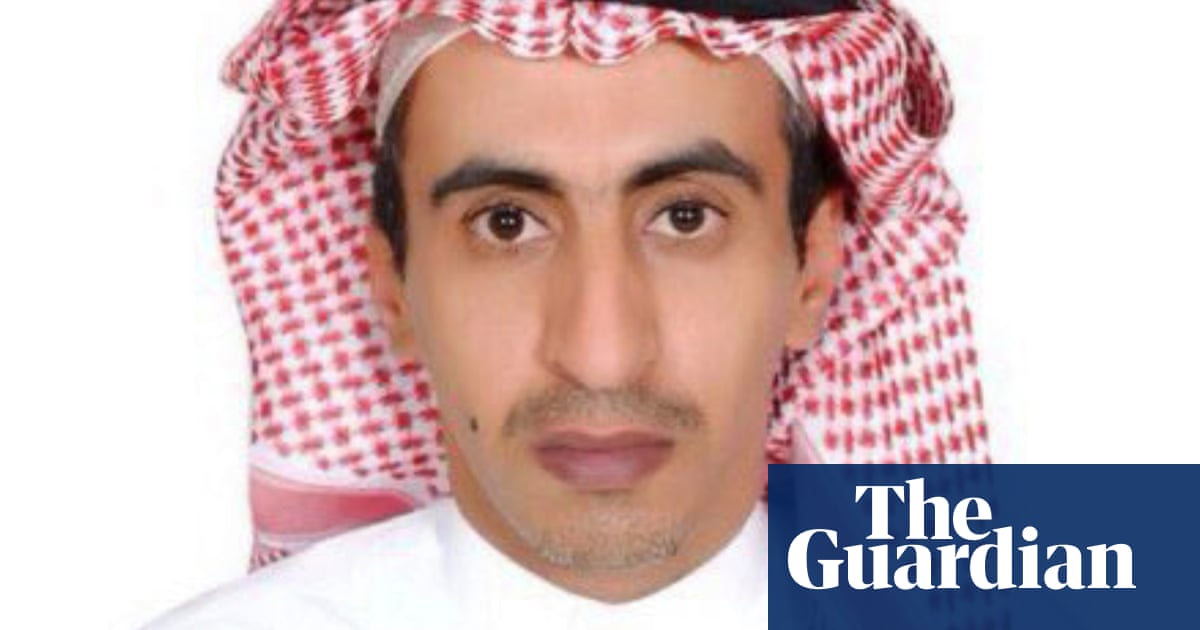
he first time I ever used the words “alhumdulilah”, which translates to praise be to God in Arabic, was the night of 16 November 2018. A Friday night news alert came through on my phone: “CIA concludes Saudi crown prince ordered Jamal Khashoggi’s assassination.” I collapsed into my couch, repeating the words.
I am not Muslim. But Jamal, in life and death, has taught me a lot about faith and looking for hope in all the wrong places. As a writer with a history of criticizing America’s meddling in weaker countries, in normal circumstances, I should have been loath to celebrate the CIA.
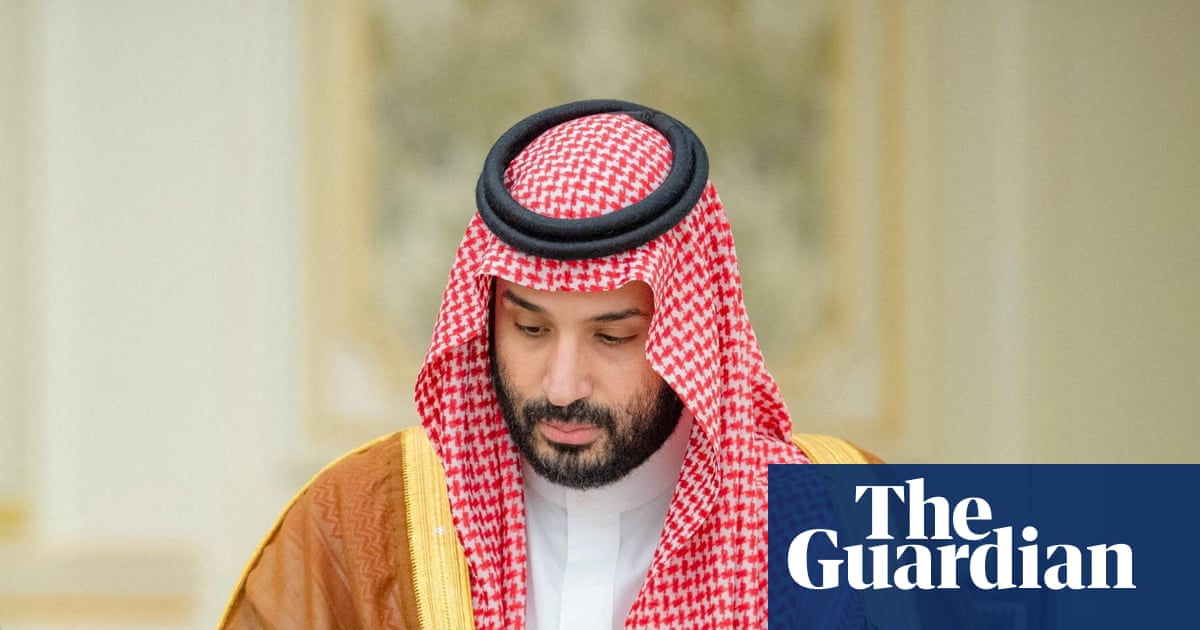
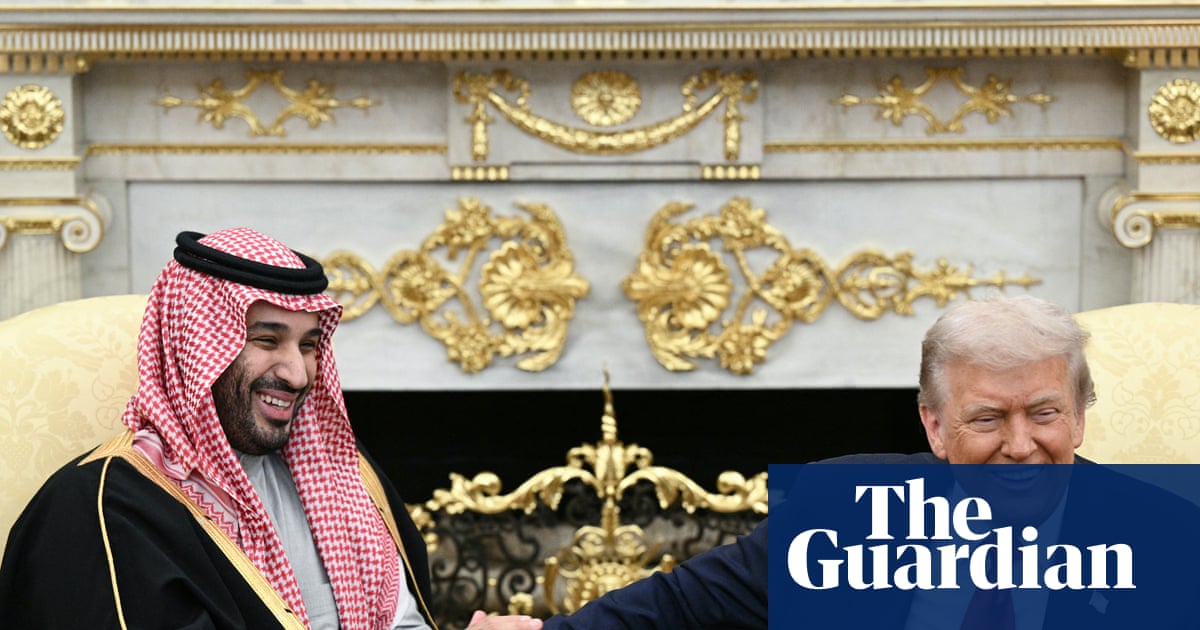
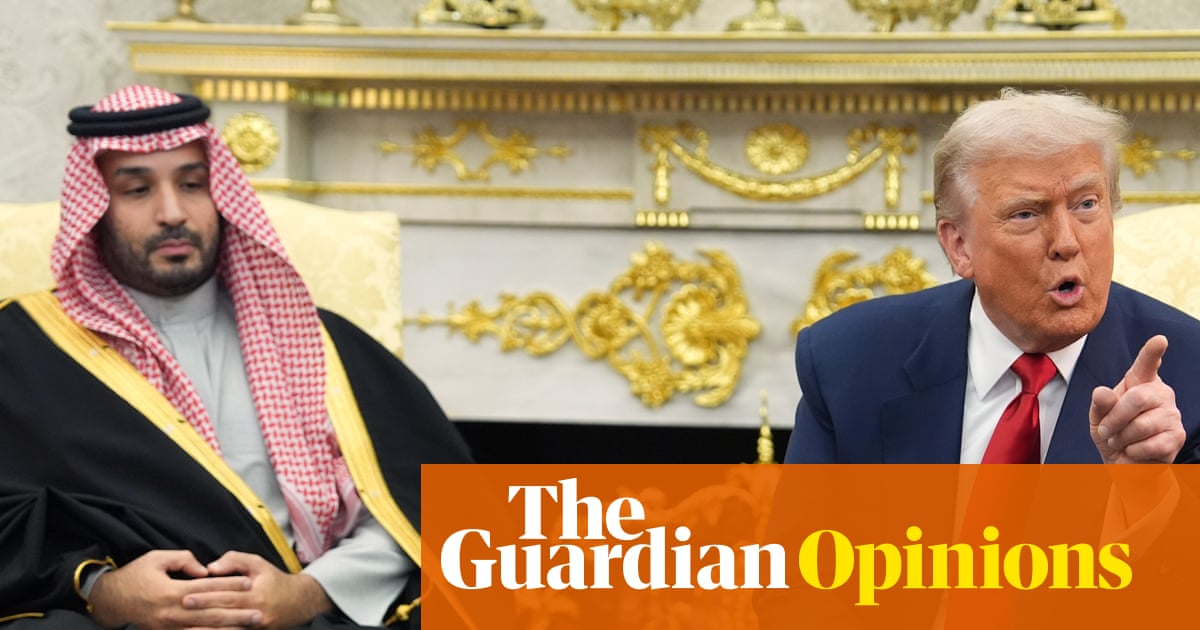
But given that, a month before, a group of Saudi hitmen not only kidnapped my friend and writer from a consulate in Istanbul but allegedly cut his body into pieces, I might have been forgiven for looking for any hope that the Saudi crown prince, Mohammed bin Salman (MBS), would face consequences – cutting off leaders who think nothing of cutting up human beings should be a basic tenet of any healthy country’s foreign policy. (MBS has denied any involvement or responsibility for Khashoggi’s killing.)