https://arab.news/wpumh
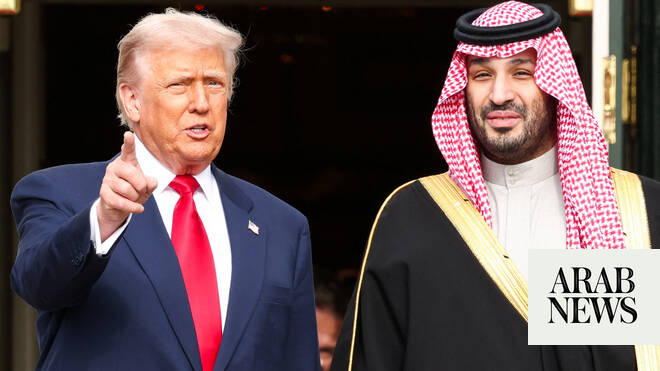
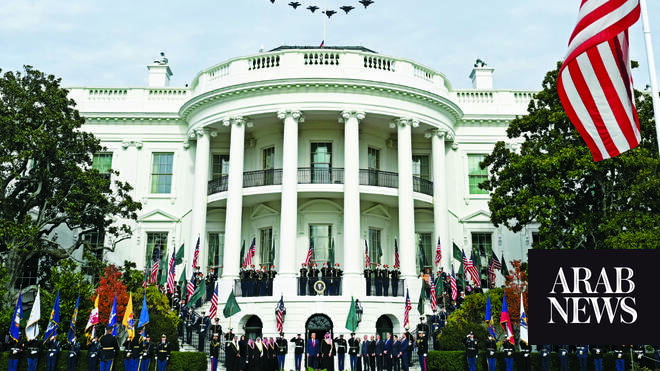
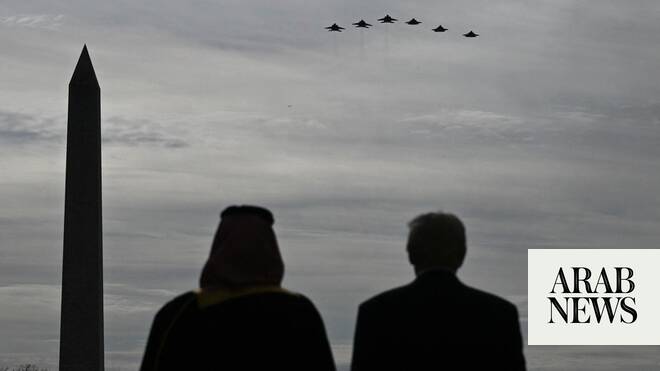
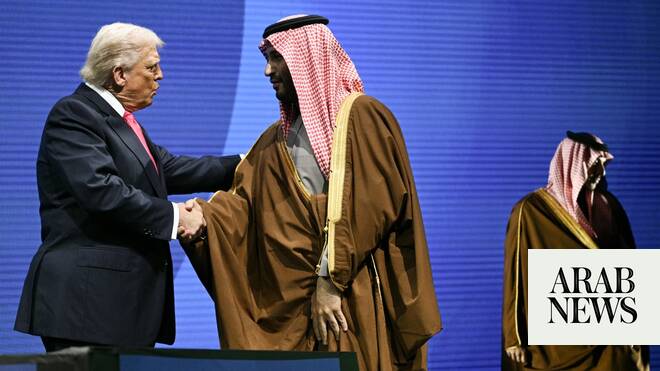
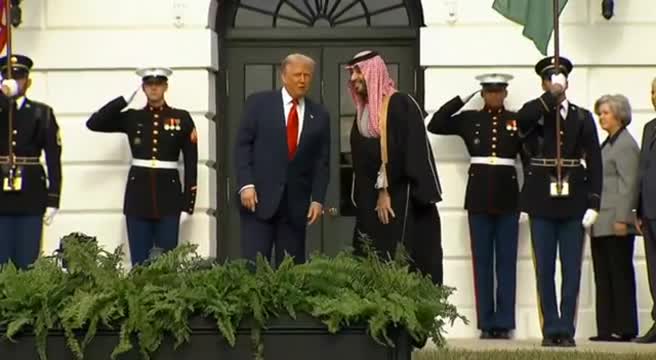
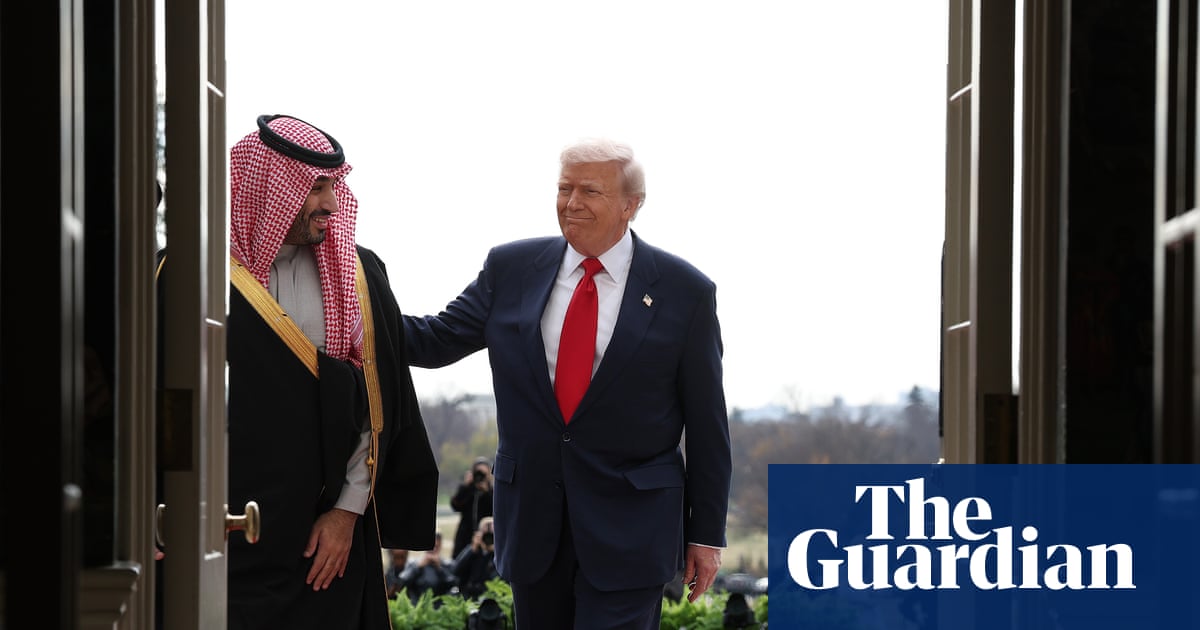
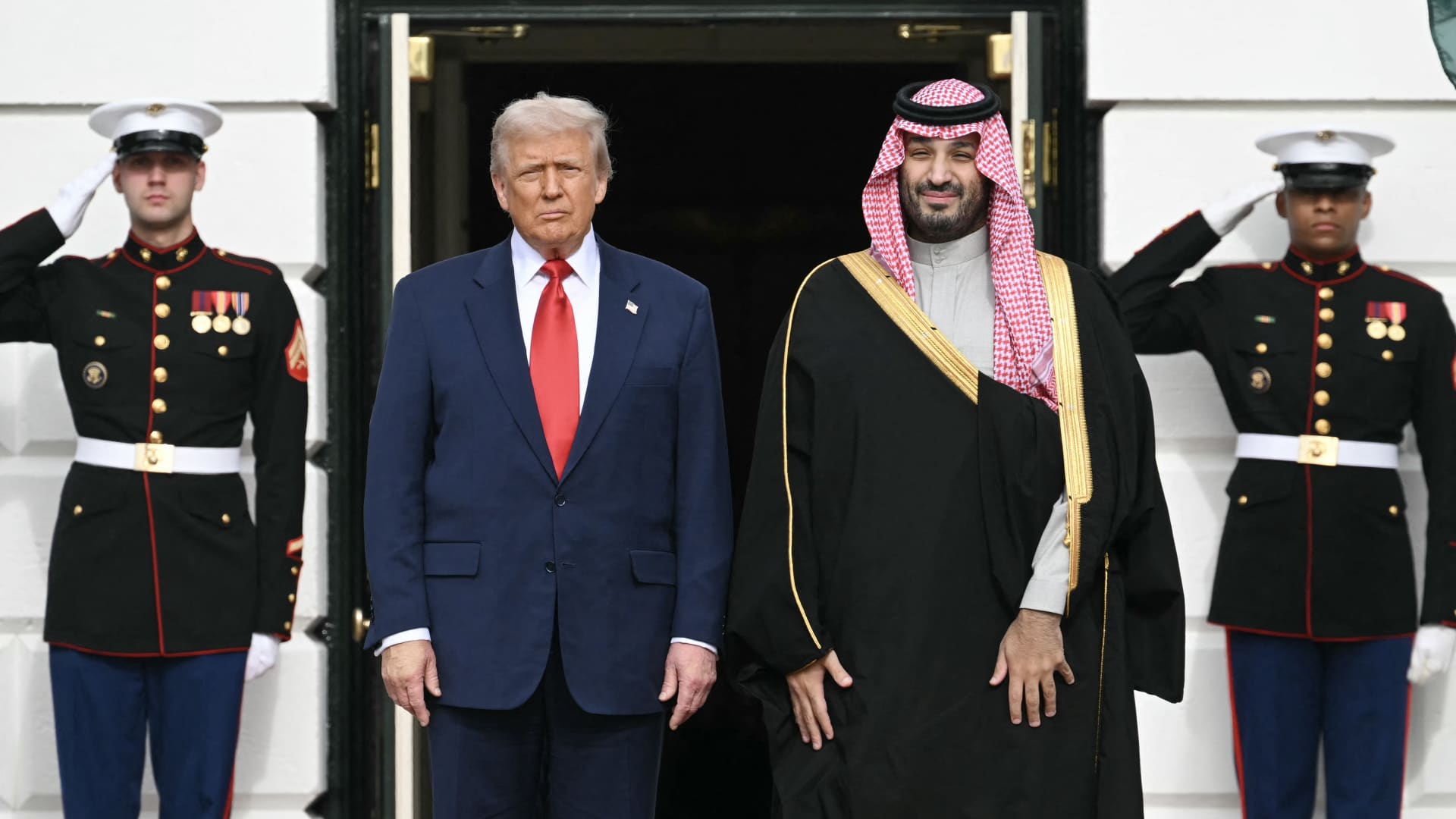
The reception that greeted Crown Prince Mohammed bin Salman in Washington was exceptional even by American standards. Full state honors, a 21-gun salute, mounted guards on horseback and fighter jets overhead signaled not only respect but recognition of the Kingdom’s rising global weight.
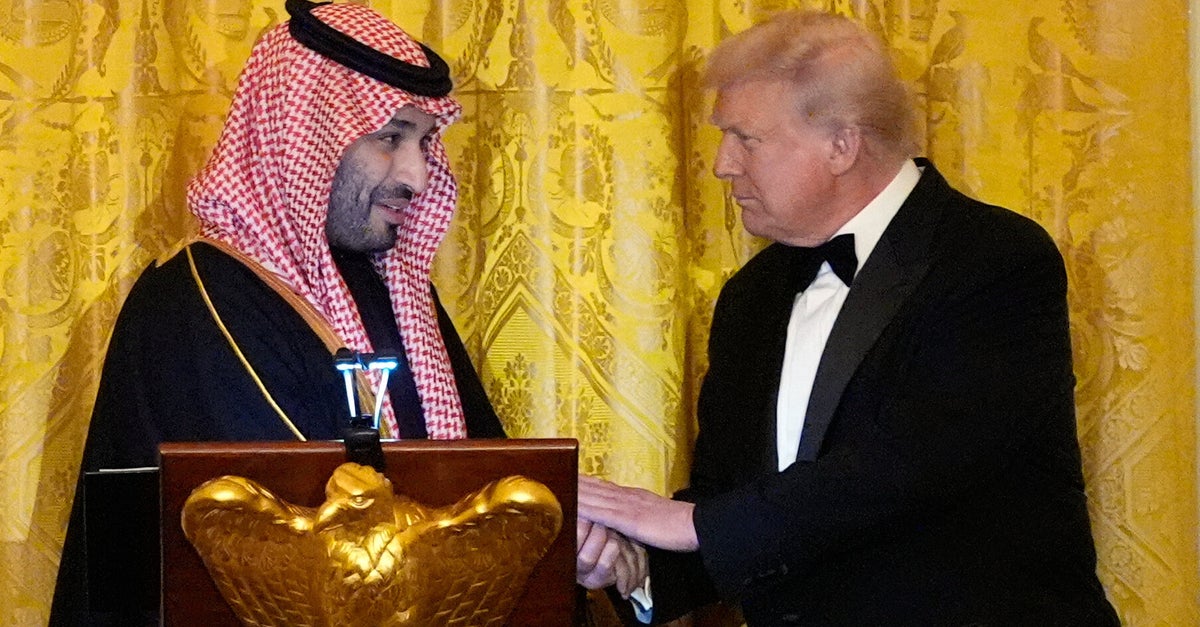
Later that evening, President Donald Trump hosted a black-tie dinner at the White House — an honor usually reserved for the closest US allies. The guest list, which included global figures such as Cristiano Ronaldo and Elon Musk, reflected the administration’s intention to showcase the visit as a defining diplomatic moment.
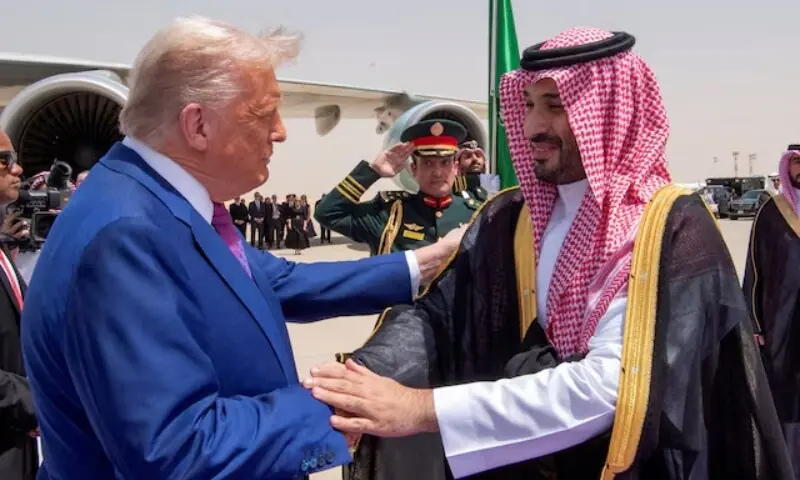
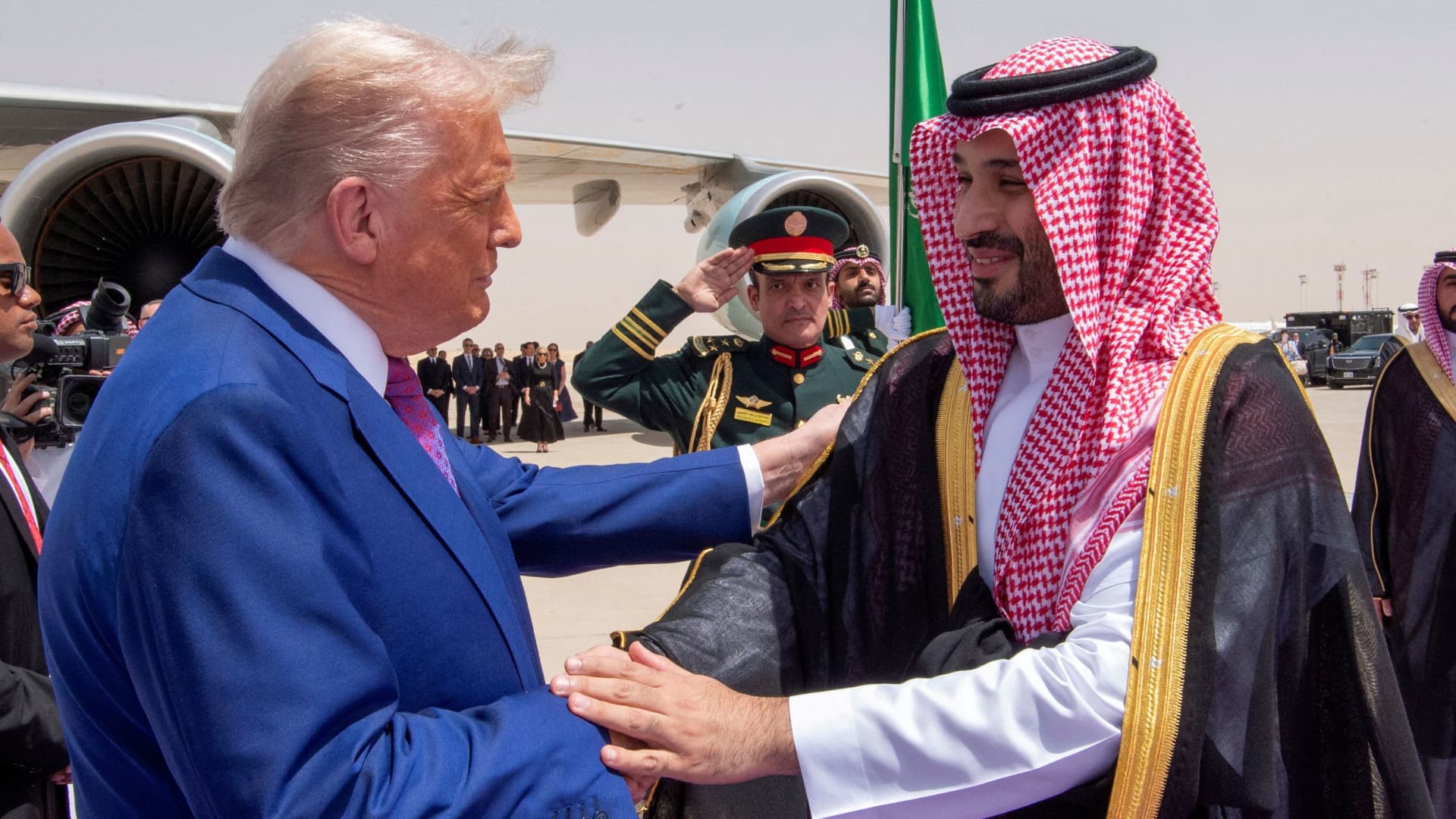
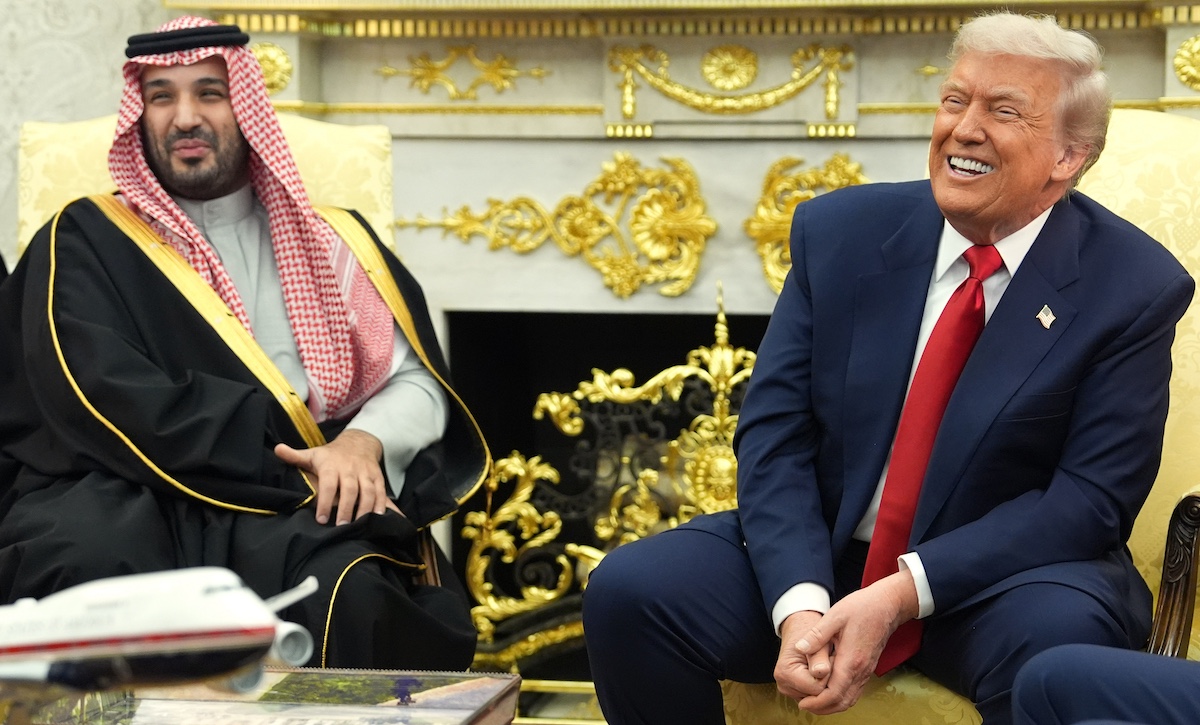
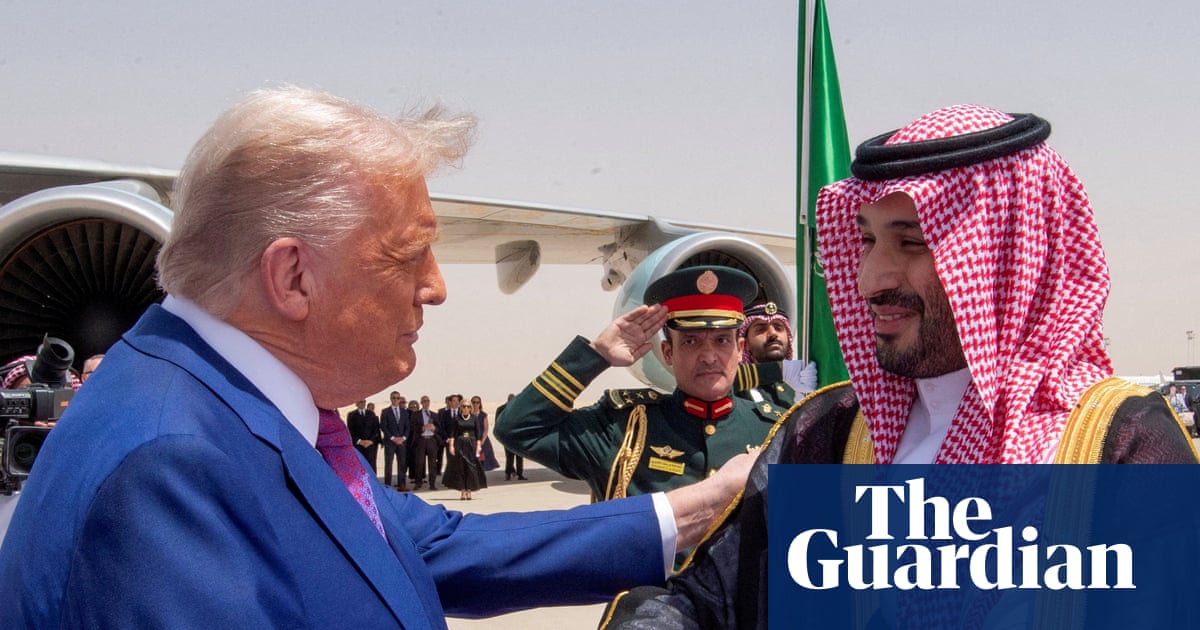
This was not mere ceremony. It was a deliberate message to the world: Saudi Arabia is today central to American strategic thinking and this visit carries consequences that extend far beyond Washington. In many ways, the warmth of this reception reciprocated the exceptional hospitality extended to Trump during his earlier visits to Riyadh — affirming a relationship built on mutual confidence, pragmatic cooperation and strategic alignment.
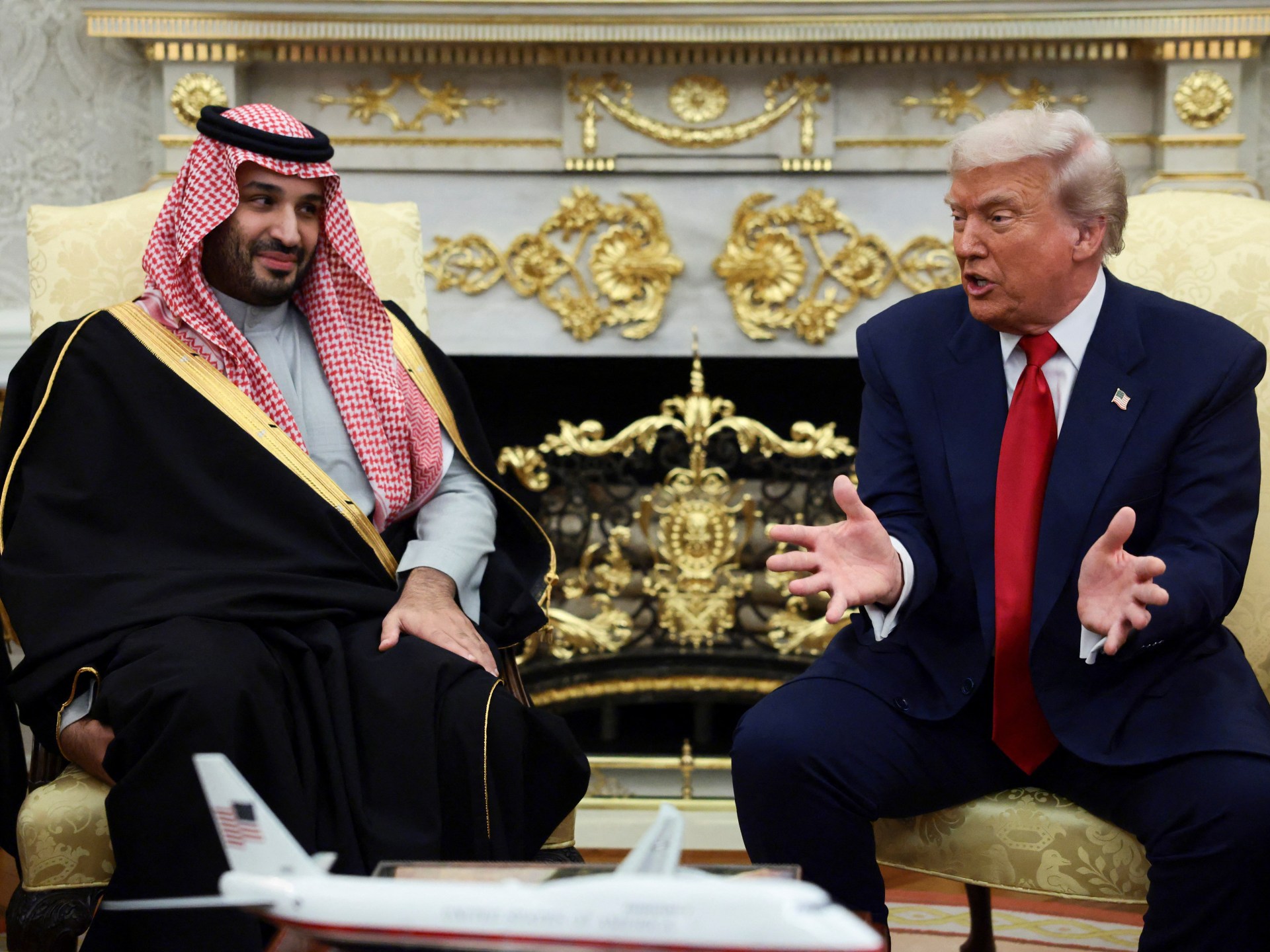
What followed exceeded even the most ambitious expectations. The two sides finalized a series of landmark agreements that will reshape the foundations of one of the world’s most consequential bilateral relationships. These agreements marked a shift from transactional understandings to a far deeper form of strategic parity — one in which Saudi and American interests intersect across security, technology, economics and regional diplomacy.