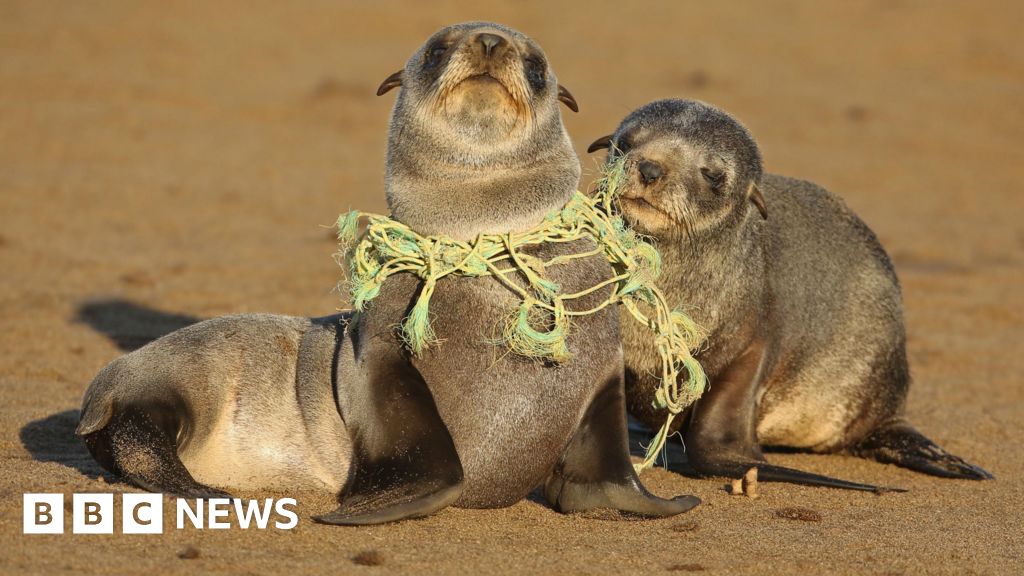
Scientists have analysed 10,000 marine animal autopsies to understand how plastic ingestion leads to death.
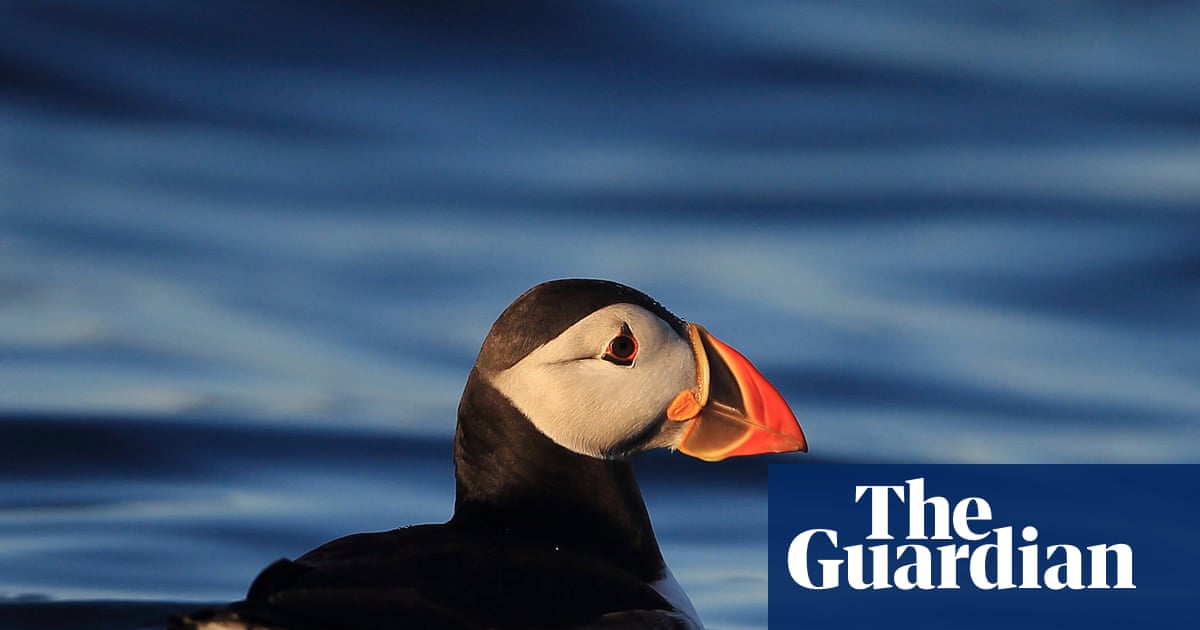
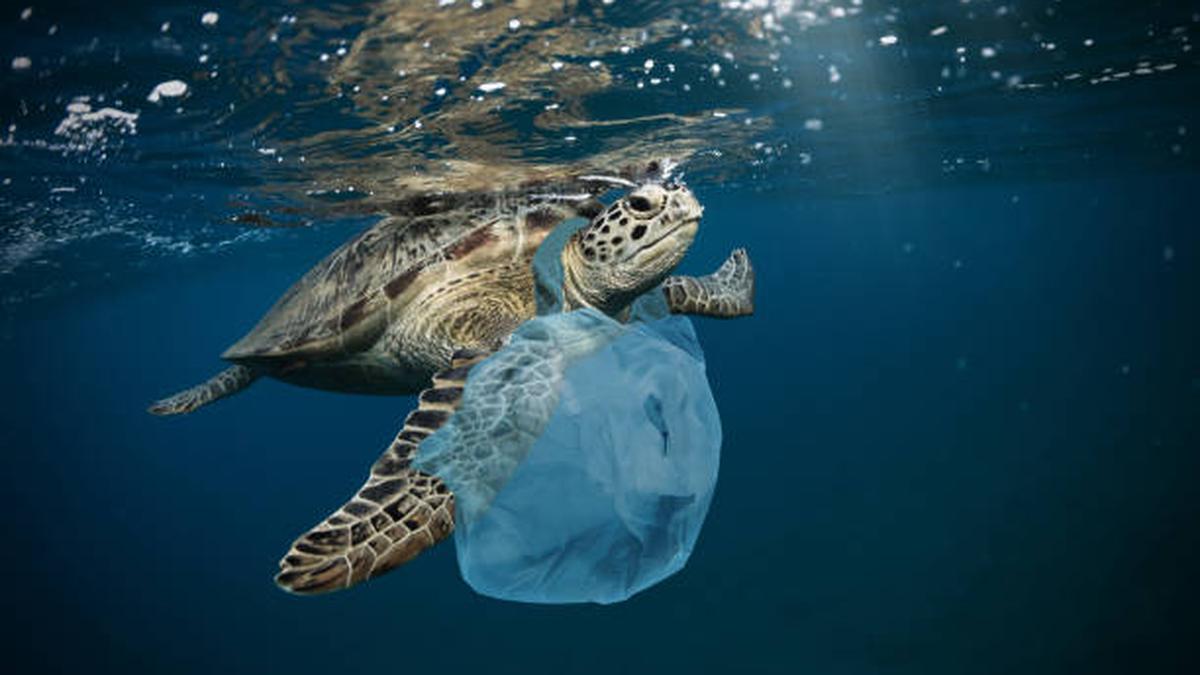
The study found seabirds face extreme risk after swallowing just 23 pieces of plastic, giving them a 90% chance of dying. Marine mammals reach similar danger at 29 pieces, while sea turtles need to ingest around 405 pieces to hit the same threshold.
The researchers were surprised by how little plastic can be dangerous - less than a soccer ball's worth of soft plastic by volume can be fatal to a dolphin, while a seabird might die from ingesting a few pieces of rubber smaller than the size of a pea.
They say the findings could help shape global efforts to protect wildlife.
"It's a really important reminder that plastic pollution does pose an existential threat to ocean wildlife," said lead researcher, Dr Erin Murphy of the US-based environment group, Ocean Conservancy.