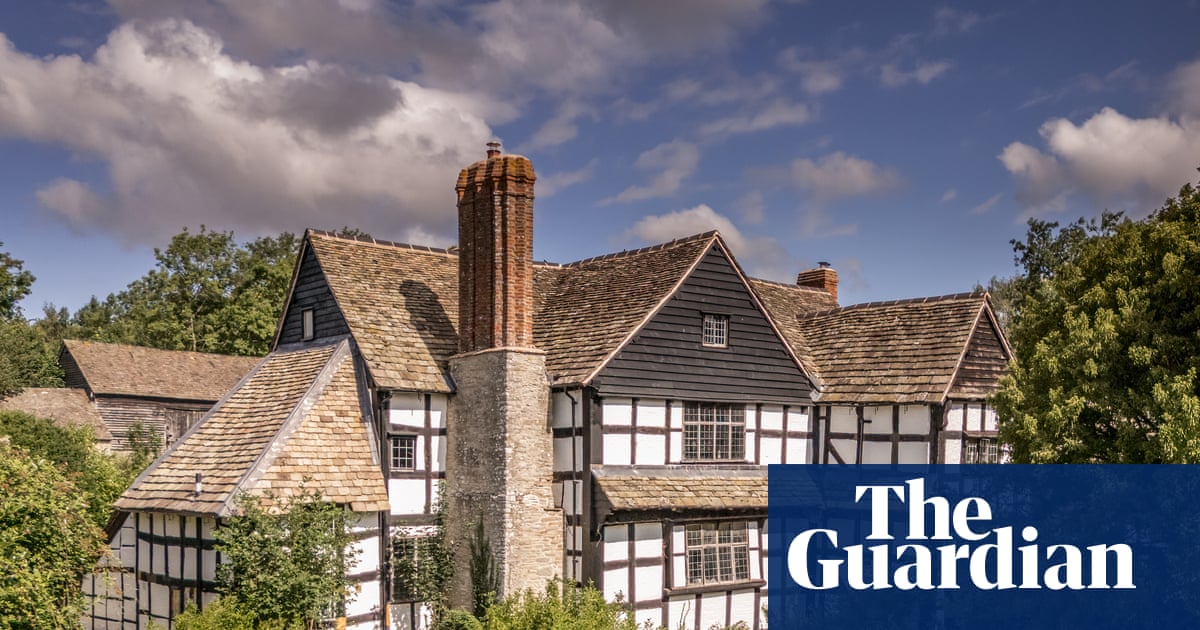
Crooked buildings, welcoming inns, ancient woodlands … it’s easy to see why the location scouts chose this idyllic corner of England
T
he door creaks as I push it back and move forward into the gloom. The ceiling is vaulted and dark, but light falls in shafts of gold from the upper windows, revealing ancient stone carvings and tombs. It’s the right atmosphere for a ghost-hunt. I take a few steps and the door clicks, making me jump. Must be the wind.
Exploring old English churches is always a pleasure. There is no one to disturb you, and in the dim quiet will be a historical jaw-dropper: a centuries-old face carved in oak, a grisly tomb, an inscription to the dead hero of a forgotten battle. Each site is a mini detective puzzle, waiting to be unravelled, often with a helpful booklet available near the door. The spirits of those who have shuffled off this mortal coil hang in the dust motes, but here, in Weobley, Herefordshire, I am looking for someone specific.
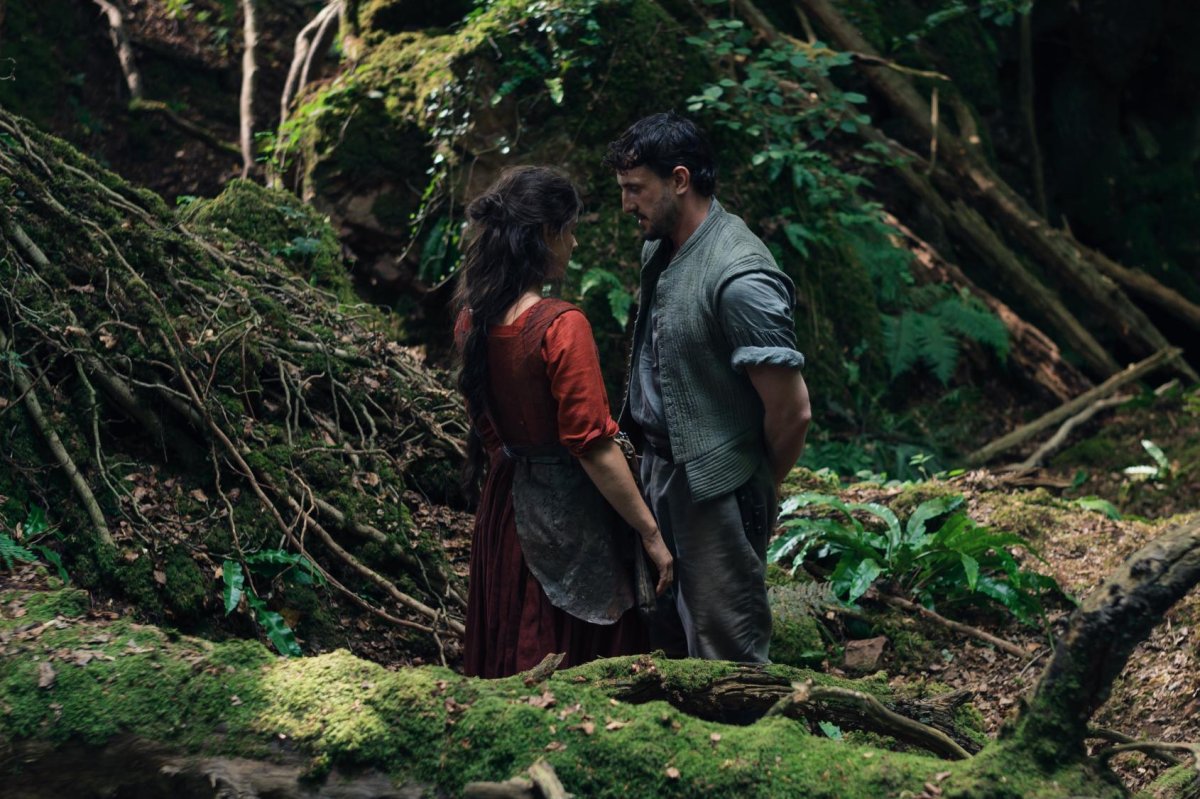
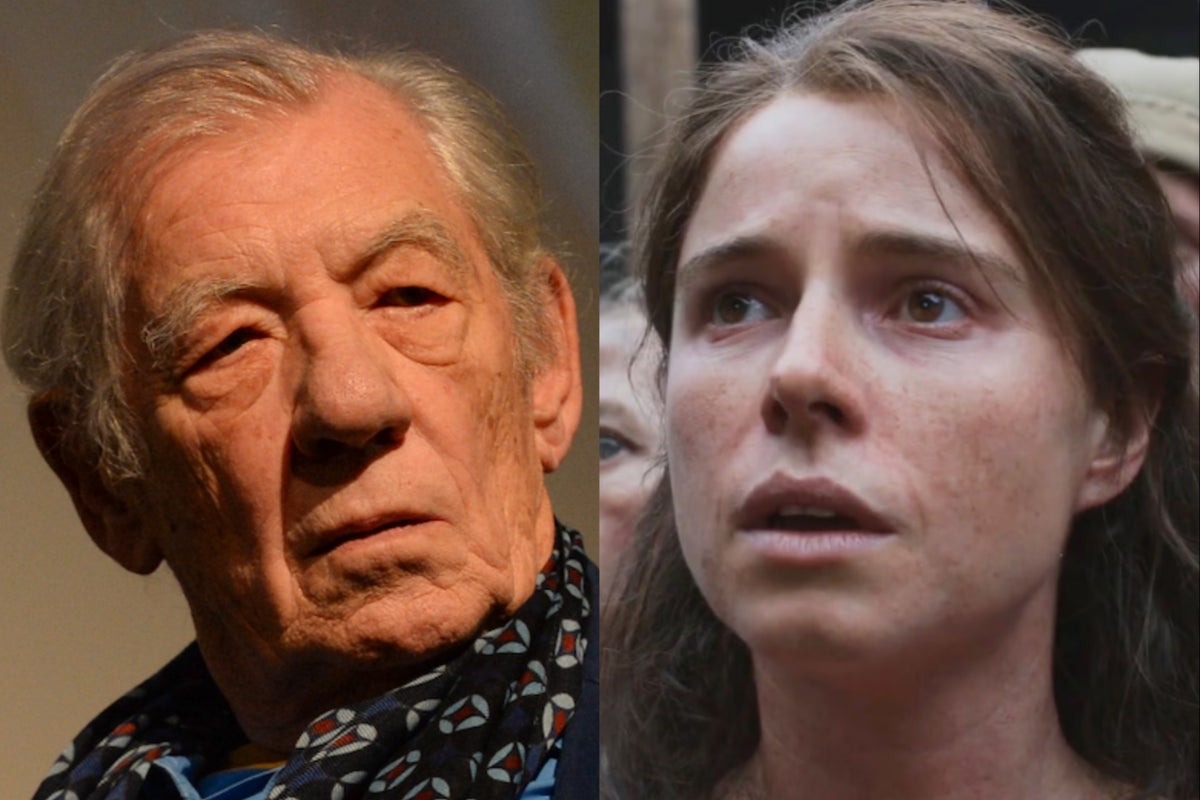
It is a standard opener for any work on William Shakespeare to declare how few facts we know about the most famous playwright of all time. No matter, every snippet has launched a thousand academic careers, a swarm of novels, and dozens of films. The latest on the big screen is Hamnet, based on the bestselling 2020 novel by Maggie O’Farrell, and starring Jessie Buckley and Paul Mescal. The book conjures up the Elizabethan world of Shakespeare and his wife, Agnes (AKA Anne), at a time when plague is ravaging Warwickshire and filling their Stratford home with grief. In 1596, their 11-year-old son, Hamnet, dies, a tragedy that seems to have spurred his father into a burst of creative energy. When filming the adaptation of O’Farrell’s powerful literary evocation, some very special locations were needed, and the scouts found them in the Welsh borders and in Weobley.