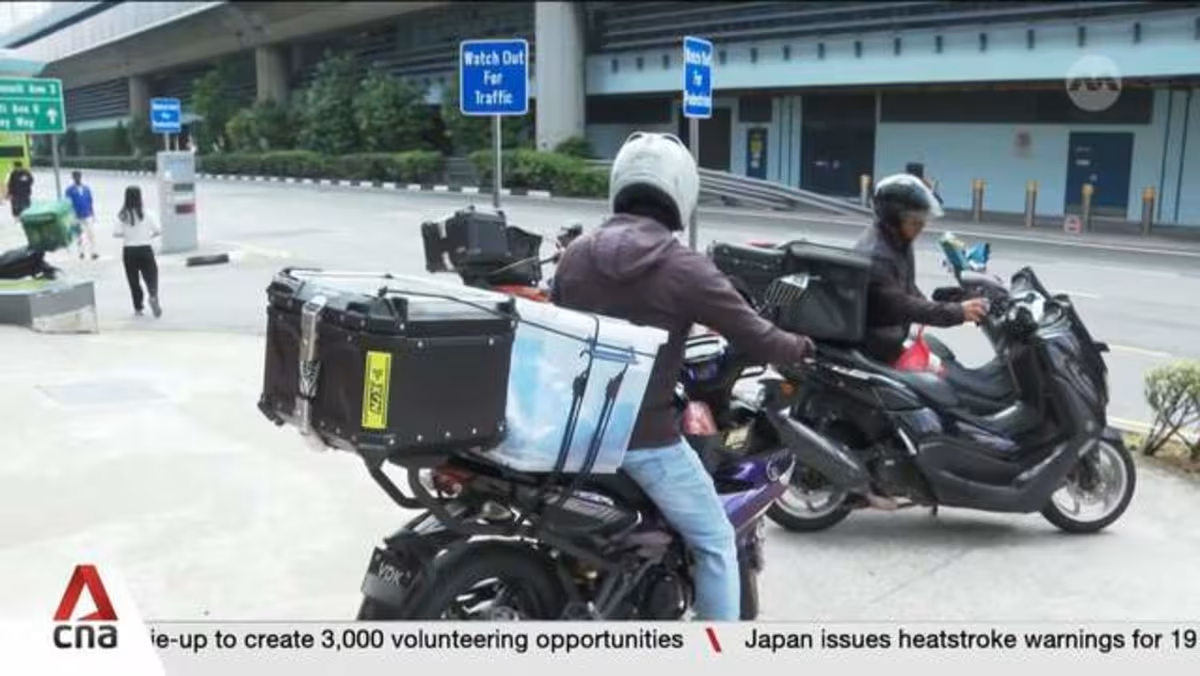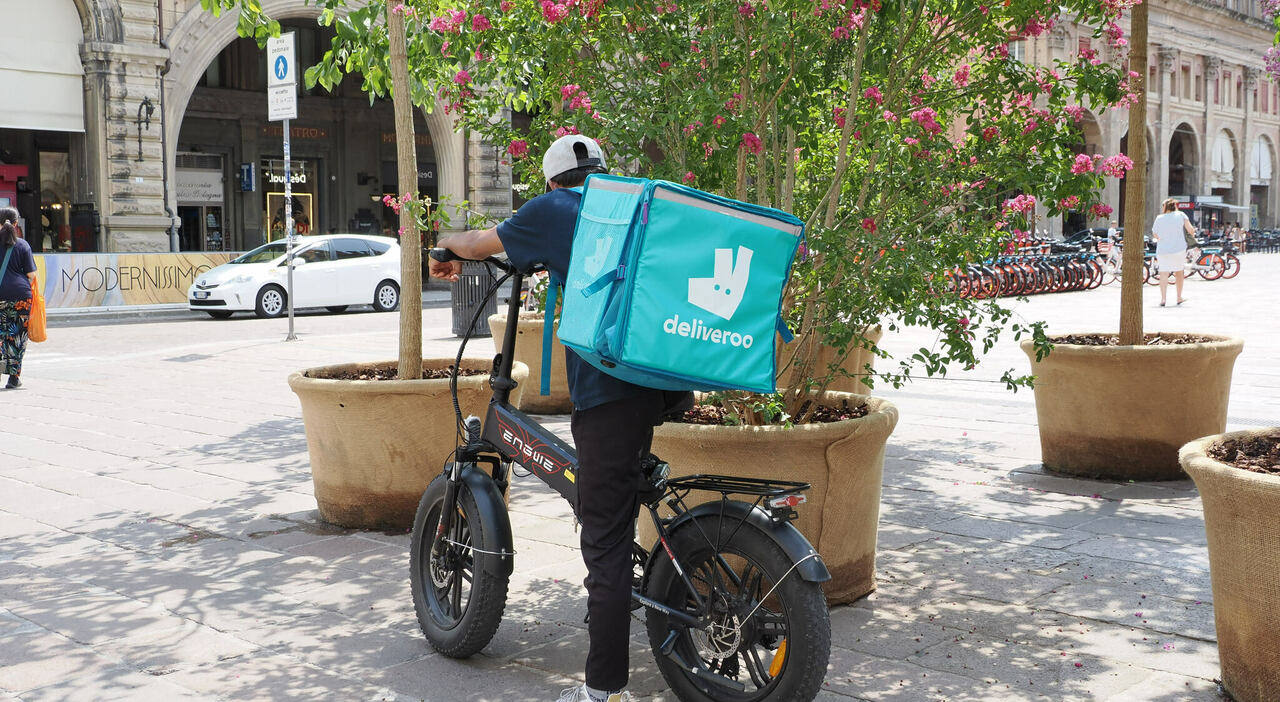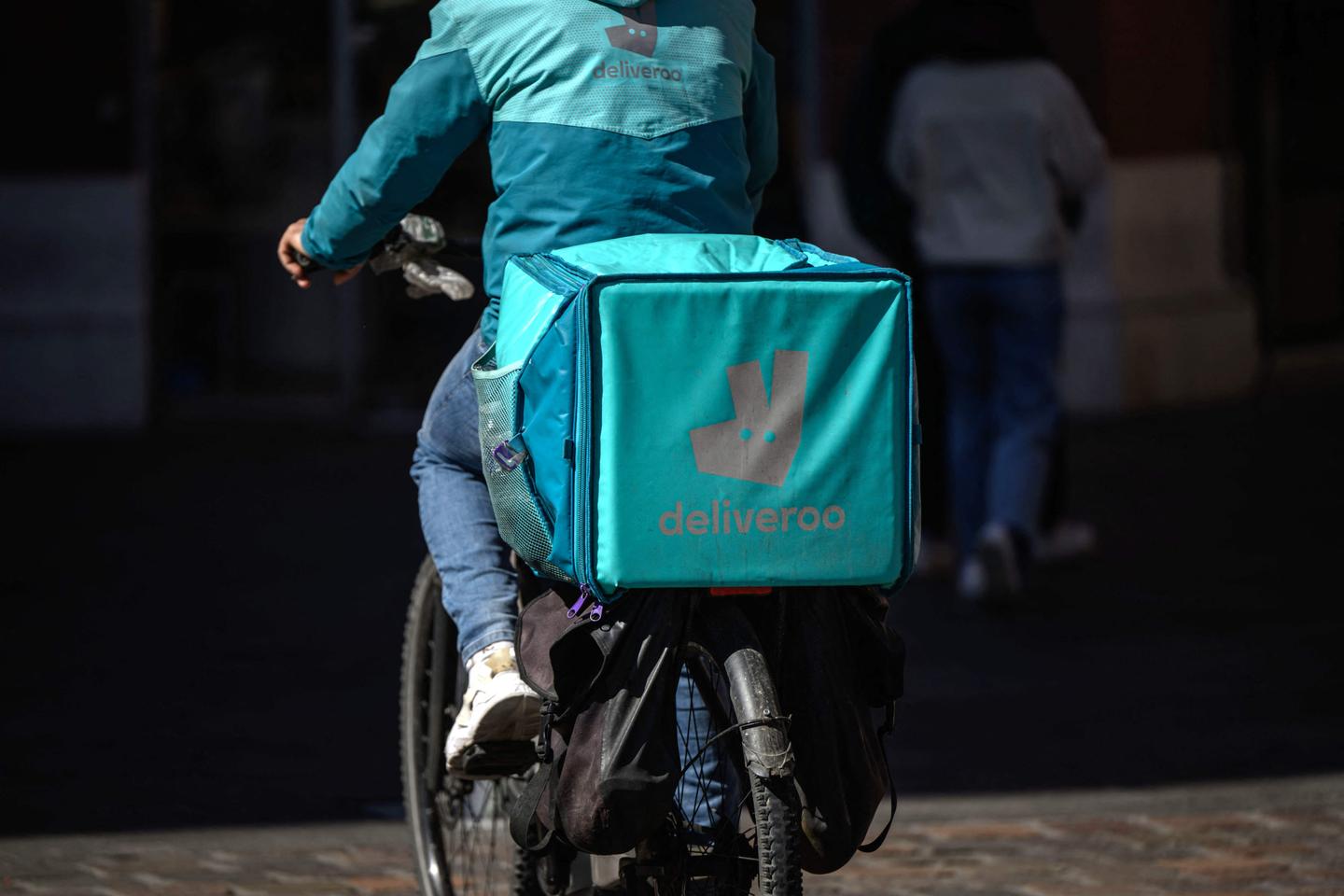
To earn a living as a delivery rider, some work 10-12 hour days, contending with low pay, exhaustion, accidents, injuries and harassment. Is this a new form of modern slavery?
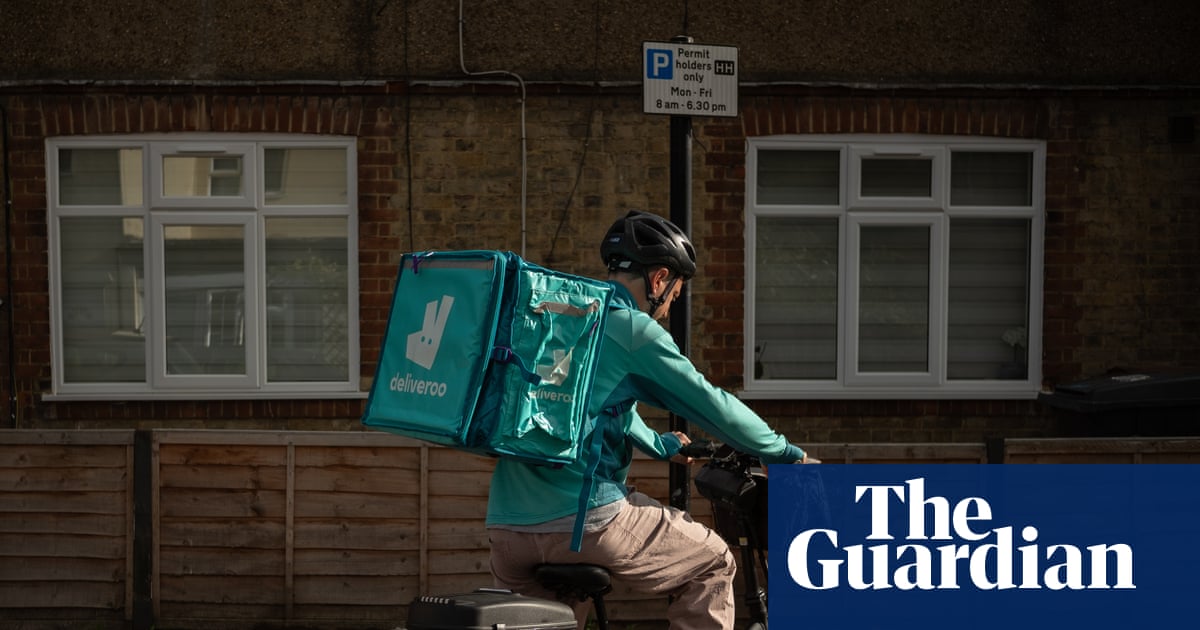
“I earn more cleaning toilets than I do from being a Deliveroo rider,” says Marina, a Brazilian woman who juggles two jobs to support her 12- and 18-year-old daughters.
It’s a “bullshit, horrible job”, says Adam, from Sudan, who combines riding for Deliveroo with studying for a law degree. “On a good day I can earn £50 or £60, although it’s really hard doing deliveries using a pedal bike.”
“As humans we are invisible to the people we deliver to,” says Mohammed, a Syrian refugee who also works as a Deliveroo rider. “People don’t think about our struggles and our dreams. I’ve heard people in this country talk about second-class citizens; delivery riders are actually third-class citizens.”
Marina, Adam and Mohammed are just a few of the hundreds of thousands of food delivery riders in the UK, mostly working for the big three players, Just Eat, Deliveroo and Uber Eats. Most are migrants, according to the riders themselves. Deliveroo, which says it has about 73,000 riders across the UK and Ireland, describes them as a “multitude of nationalities”.