https://arab.news/4xh8x
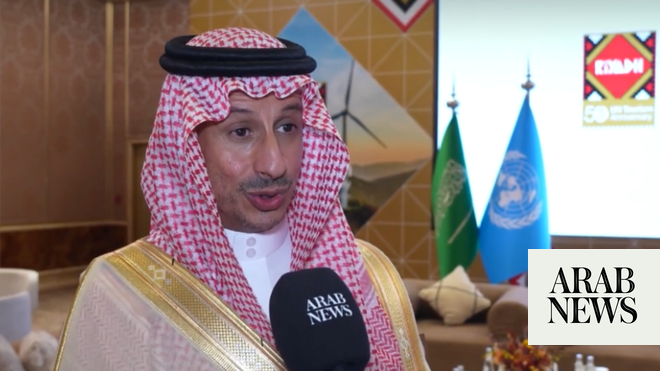
When Saudi Arabia’s Minister of Tourism Ahmed Al-Khateeb stated during this week’s UN Tourism General Assembly in Riyadh that “the cities of the future will be built for visitors, not just for residents,” he summed up in one sentence a profound shift in the way we understand global urbanism. Cities are no longer designed only for those who inhabit them, but also for those who experience them. This fits perfectly with the principles of Saudi Arabia’s Vision 2030, which places tourism and sustainable urban development at the core of its economic diversification strategy.
As someone who has witnessed, and taken part in, Spain’s transformation over recent decades from a traditional society to one of the most sophisticated tourism ecosystems in the world, I believe there are valuable lessons in how to design cities that are not only livable, but also visitable, vibrant and globally connected.
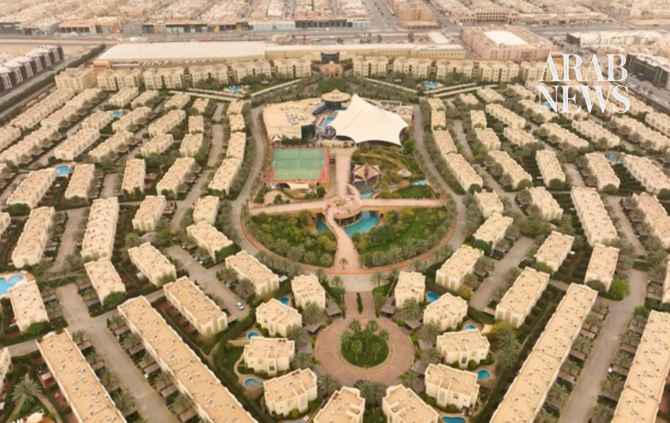
Traditionally, urban planning has focused on residents: their mobility, housing and access to services. However, the modern city is also a stage for visitors, temporary citizens who bring cultural exchange, innovation and economic opportunity. The challenge lies in creating cities that welcome them without displacing local life.