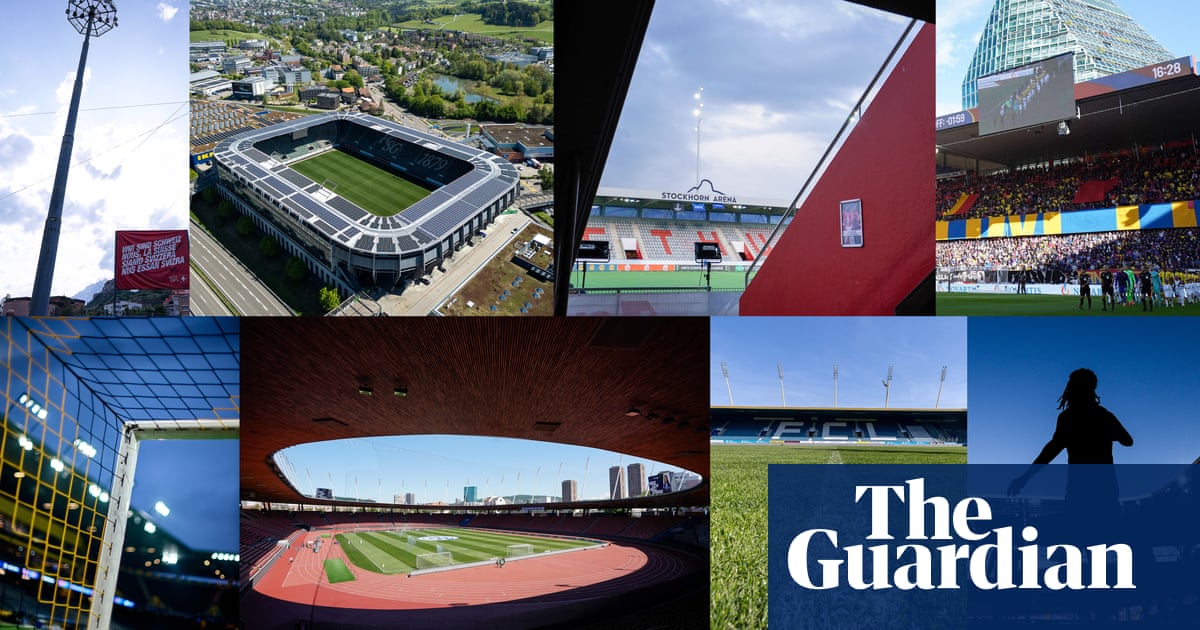
While there are promising signs of Swiss growth, there is some way to go to cement lasting legacy for the tournament
S
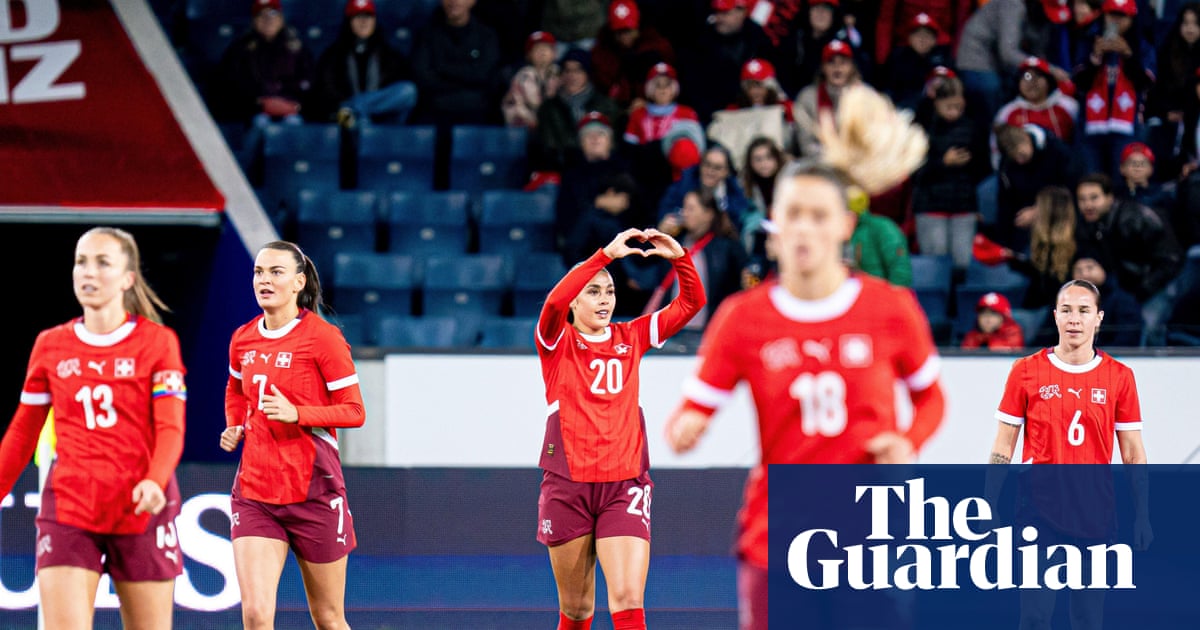
witzerland were the toast of the continent this summer as hosts of the Women’s European Championship. The national team reached the quarter-finals for the first time and a total of 623,088 were in attendance at the 31 matches, a tournament record. The hope within Switzerland was for a boost at club level similar to what England experienced three years previously. Those heights have not been reached, but there has been a definite bump.
According to Switzerland’s football association, their Women’s Super League has enjoyed a 62% increase in attendances this season, with an average attendance of 787. While that does not compare with the huge spike England’s Women’s Super League had after Euro 2022 – an average attendance increase of 172% the following season – it is still encouraging.
Grasshopper, currently second in the Swiss WSL, had an average attendance of 300 last season; that is up to 450 for this campaign. Thun, bottom of the Swiss WSL, have more than doubled their average attendance, from 156 to 326. Basel, who sit sixth, have experienced a big increase in the amount of season tickets sold, from 300 last season to 800 this. However, the number of supporters attending games there remains roughly the same.