LEXINGTON, MA ‒ Everyone knows the story. At least, a version of it.
Sitting cross-legged on matted classroom rugs, elementary school students each year are read the famous opening lines of Henry Wadsworth Longfellow’s poem: “Listen, my children, and you shall hear of the midnight ride of Paul Revere.”
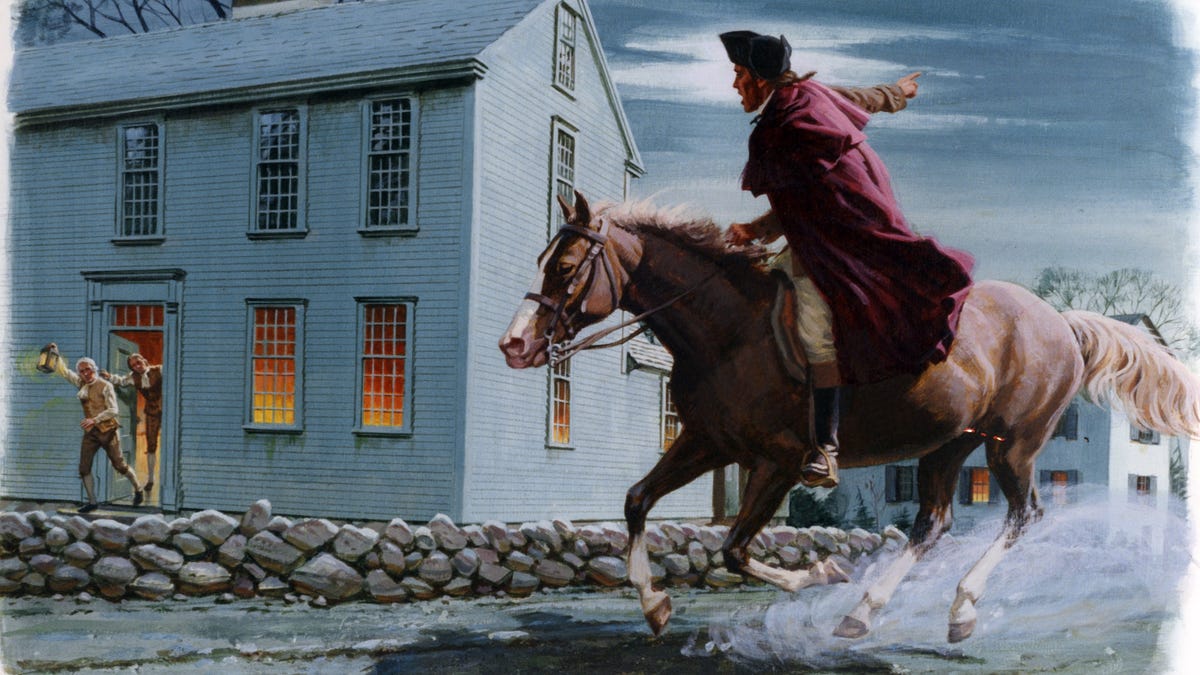
They learn of the lone rider galloping through the moonlit suburbs of Boston, across cobblestones and dirt paths, on a misty April morning in 1775, risking his life to warn his fellow citizens of the British army’s impending attack. Revere, they hear, was the voice of alarm preparing the country for the first battles of America’s War for Independence.
The truth of the story is murkier. Revere was far from alone that evening. He was one man in a complex network of riders, lamplighters, farmers and minutemen whose actions, woven together, sparked a revolution.
Yet, Longfellow, at the dawn of the Civil War, wrote of Revere’s journey as a call to arms, a rallying cry aimed at stirring patriotic sentiment among Northerners and a reminder that action by a single individual can matter.