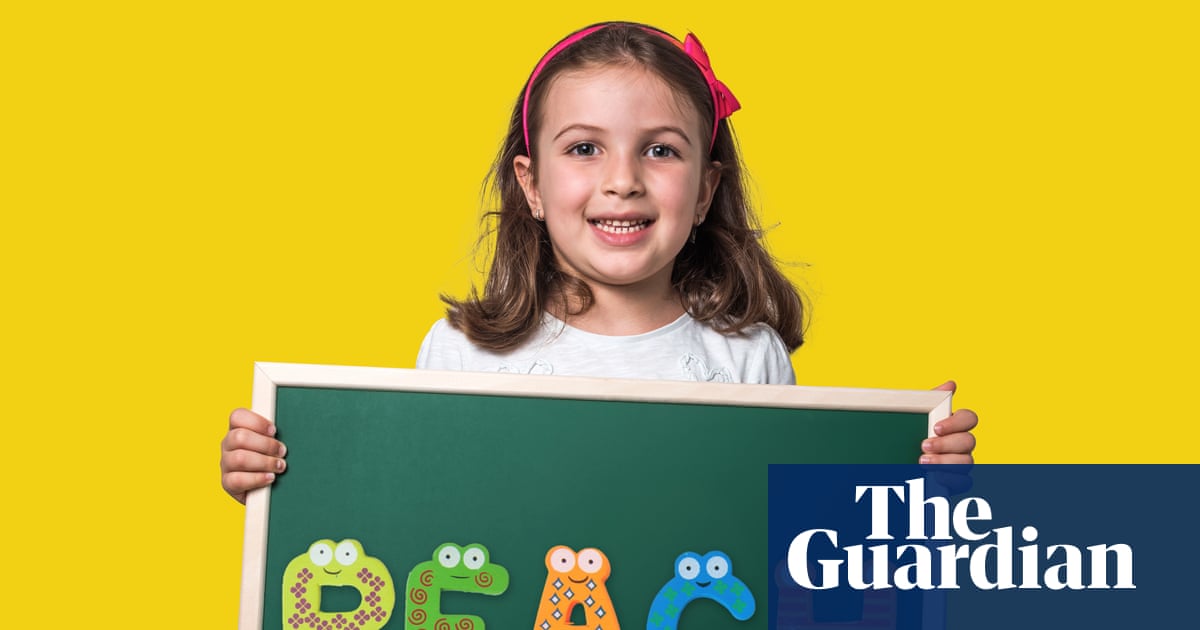
From Peach to Riot to Aquaman, anything goes now when it comes to kids’ names. There are even companies to help you pick one …
“I’m lucky I’m not a lawyer or an accountant or something professional,” says Peach Martine, a 23-year-old musician whose Instagram feed is a kaleidoscope of colourful faux fur and leopard-print outfits. “People sometimes have trouble taking my name seriously.” First, there are the jokey comments (“Is your sister named Papaya?”) and then the assumption that she must be “a bit silly”. And don’t get her started on going to Starbucks. “They always put Paige on the cup!”
Martine wouldn’t dream of changing her first name though. She likes the fact that she has an unusual name. As a singer, she says, it has helped her to be more recognisable. If she had children, she would consider naming them something unique too.
Martine is not alone. According to one study, based on an analysis of 325 million American babies born between 1880 and 2007, the use of common baby names has decreased steadily since 1983, with the greatest rate of change during the 1990s. In 2023, the last year for which figures were published, the UK’s Office for National Statistics found that 64,560 unique names were being registered each year – twice as many as in 1999. This year, according to the US parenting website and app BabyCenter, Juniper, Malachi and Emersyn made it into the top 100 names for the first time. In Japan, the spread of unique names has been so vast that this year the government clamped down on kirakira (shiny or glittery) names, after parents had sparked criticism by naming children after brands or famous characters, including the Pokémon Pikachu, Naiki (Nike) and Pū (as in Winnie-the-Pooh), or others, such as Akuma (Devil), that made headlines.