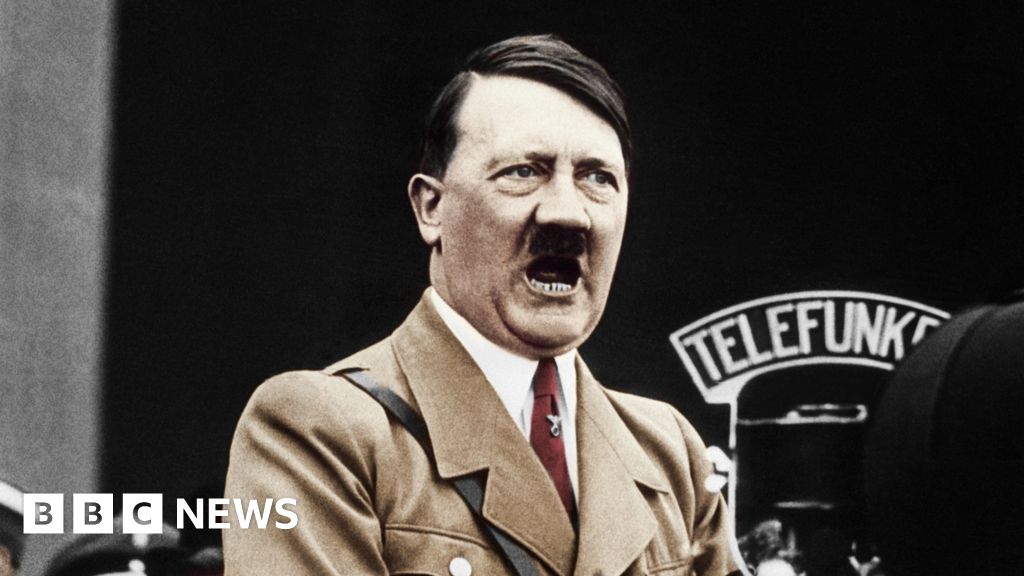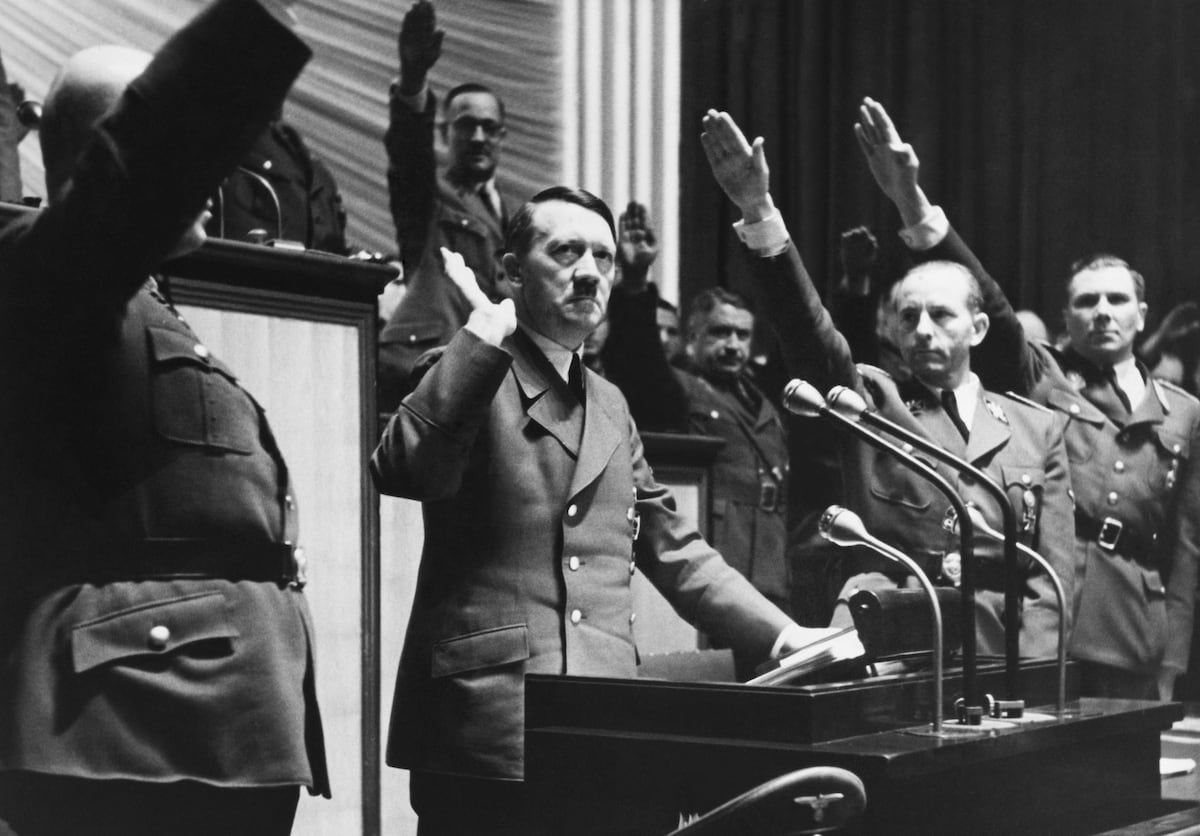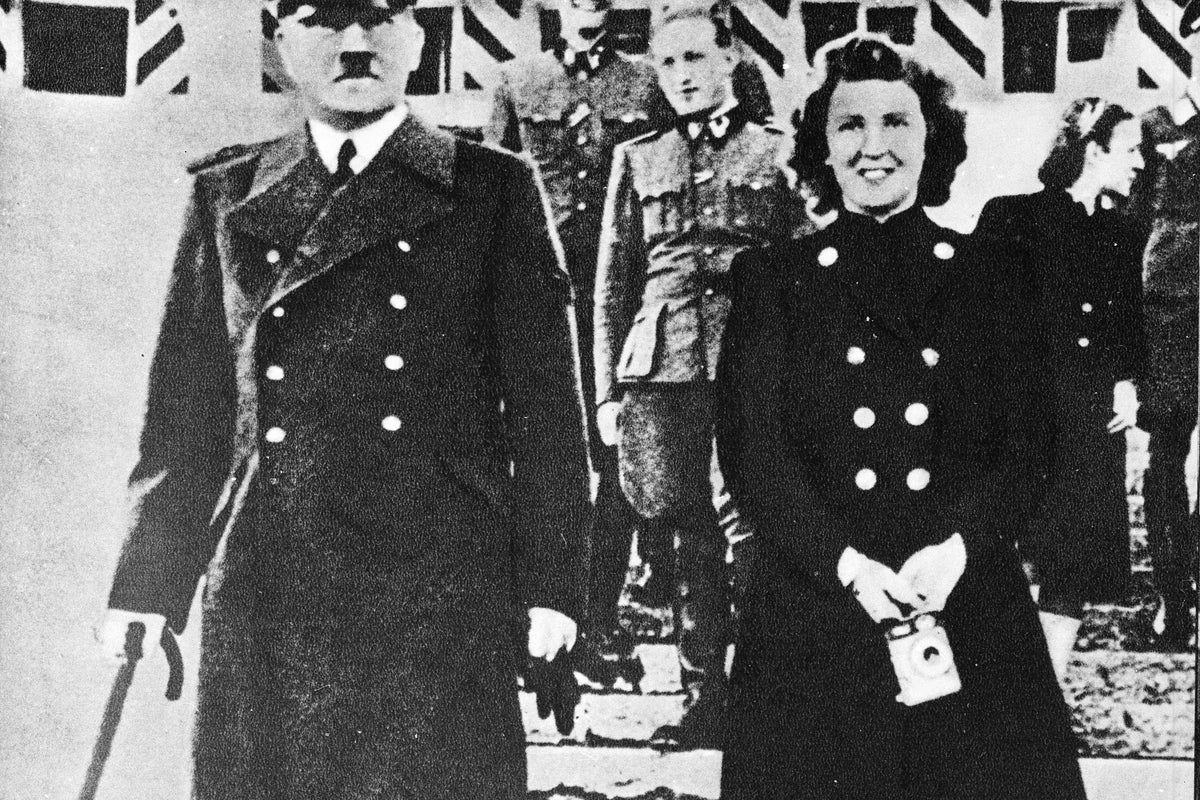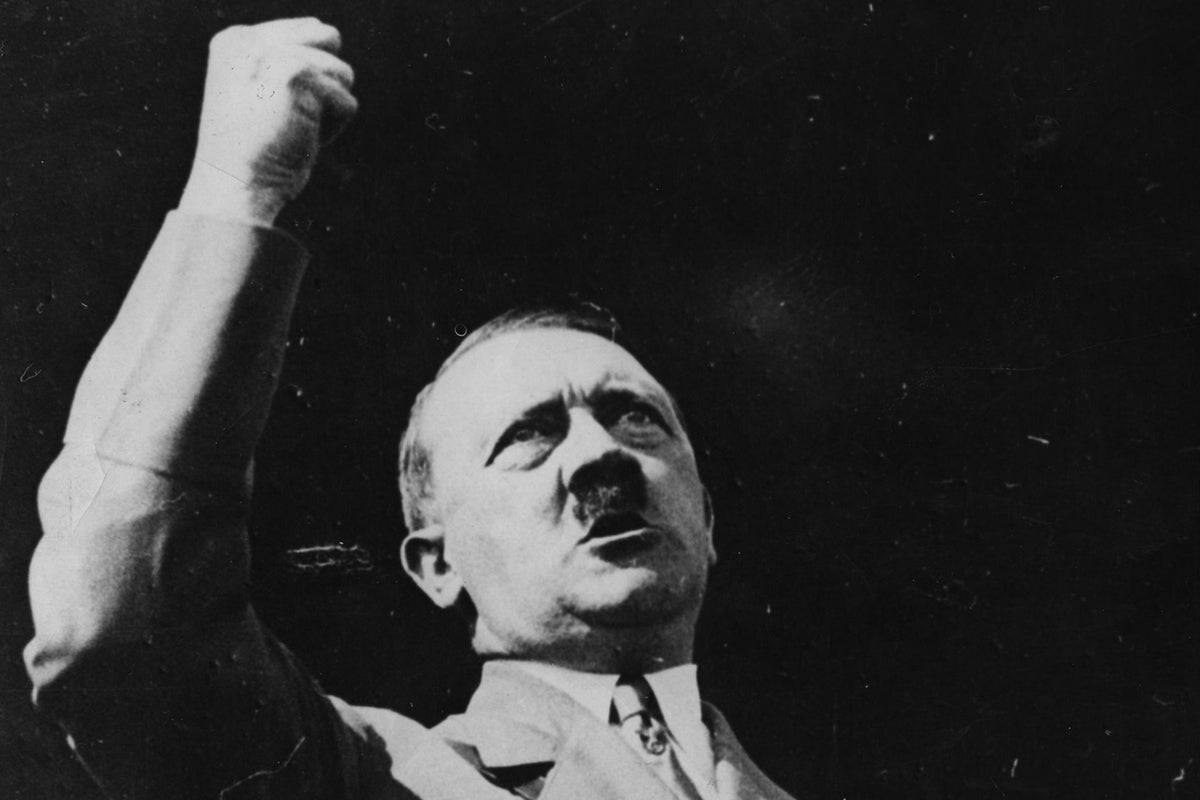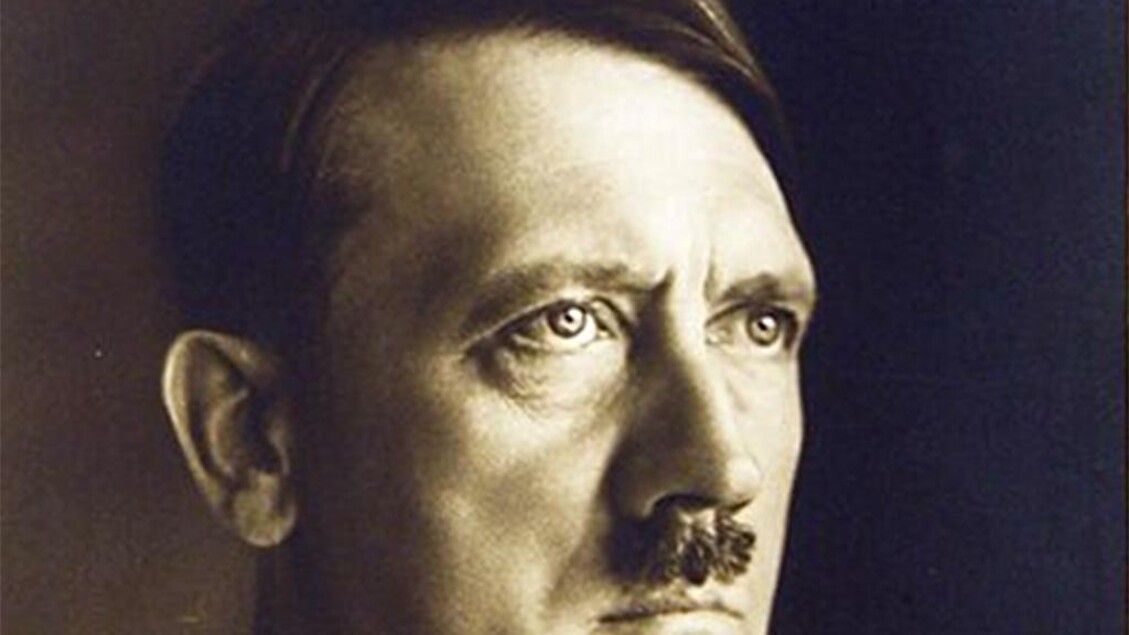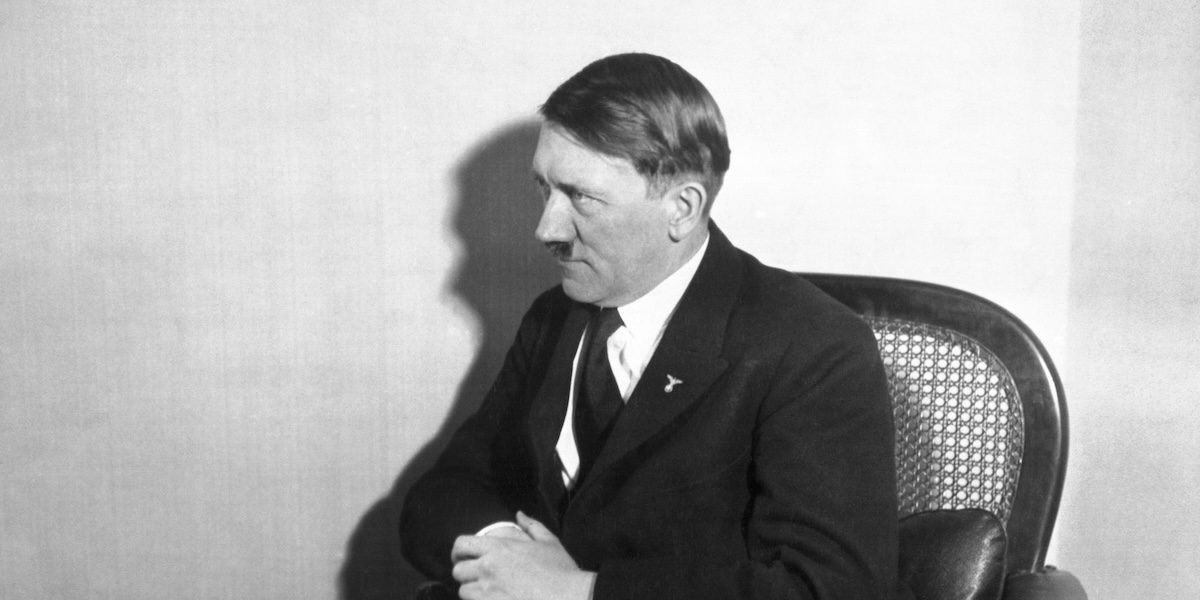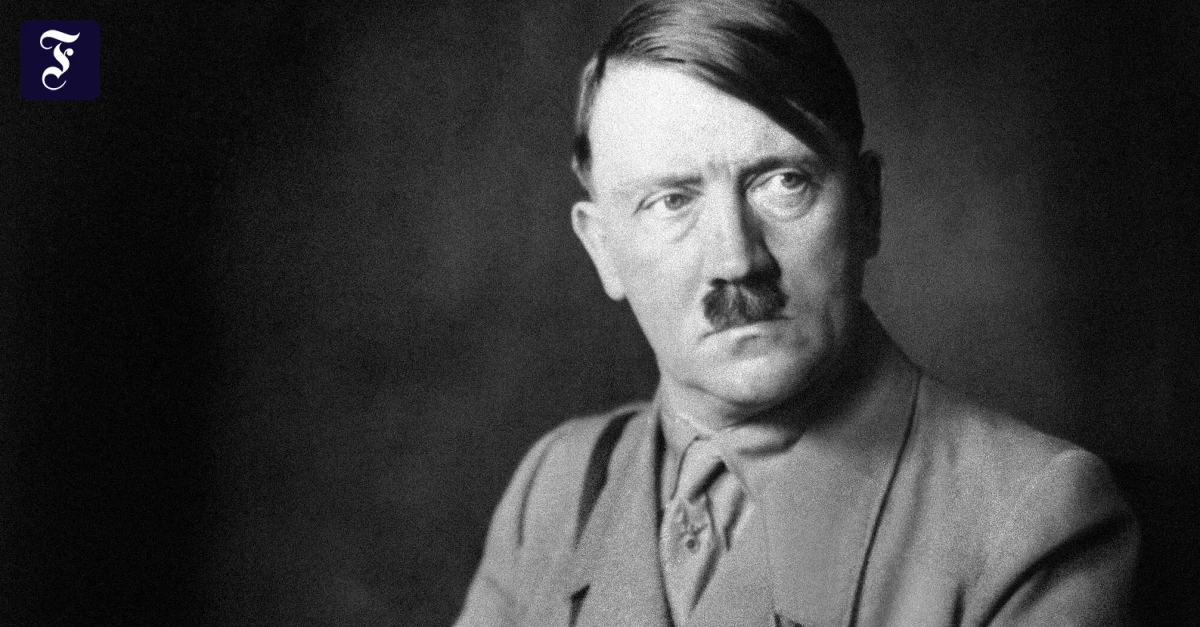
Was the wartime chant about his solitary testicle correct? Did he have Jewish ancestry? New documentary Hitler’s DNA is trying to answer these, and more contentious, questions – but should it have gone there at all?
I
f a TV programme sets about sequencing the genome of Adolf Hitler – the person in modern history who comes closest to a universally agreed-upon personification of evil – there are at the very least two questions you want the producers to ask themselves. First: is it possible? And second, the Jurassic Park question: just because scientists can, should they?
Channel 4’s two-part documentary Hitler’s DNA: Blueprint of a Dictator is not the first time the self-consciously edgy British broadcaster has gone there. In 2014’s Dead Famous DNA, it inadvertently answered both these questions in the negative. Having first cast aside ethical integrity by paying Holocaust denier David Irving £3,000 for a lock of hair purporting to belong to Adolf Hitler, the programme’s makers then discovered it not to be Hitler’s and thus useless for DNA sequencing.
Airing just over 10 years later, the producers of this new programme at least made sure to answer the “is it possible” bit. Inside an obscure military history museum in Gettysburg, Pennsylvania, they managed to track down a blood-drenched swatch of fabric cut by a US soldier from the sofa on which Hitler killed himself. In their attempt to authenticate the blood, they failed to get a fresh DNA sample from any of Hitler’s surviving relatives in Austria and the US, who are all understandably reluctant about media exposure.