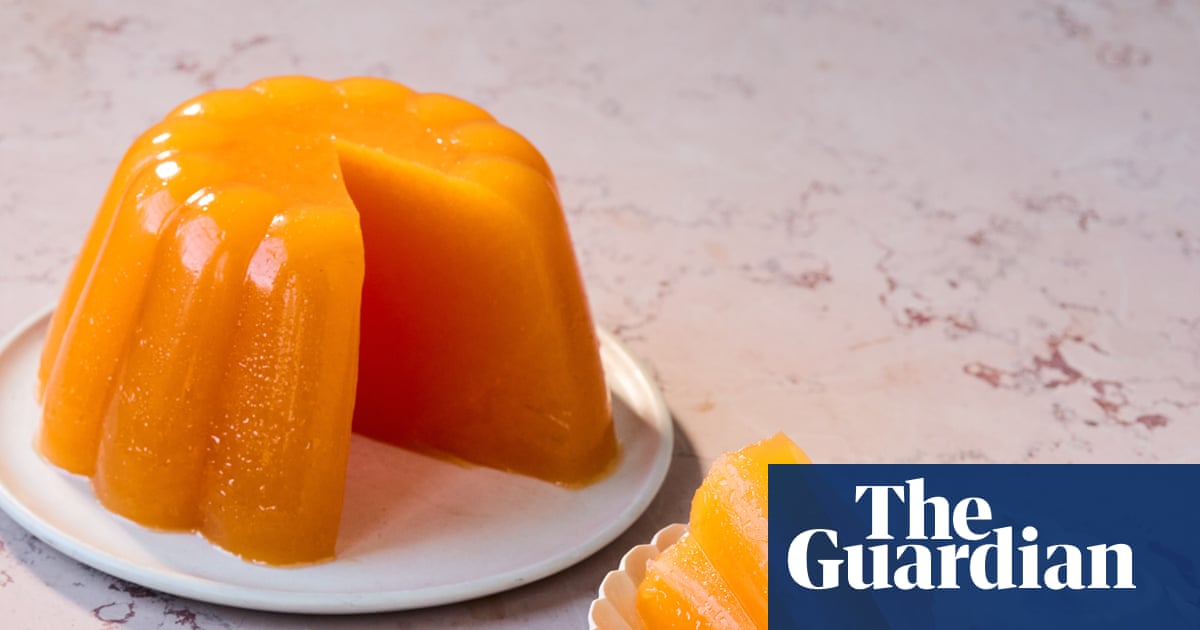
Jelly is back in all its wobbly, Instagram-friendly glory. But does it always taste as impressive as it looks? And why is it so hard to get it to set rather than slump? This could get messy …
Jelly has a dowdy reputation, but it may well be the perfect food for the Instagram age: when it works, it’s incredibly photogenic, so who cares what it tastes like?
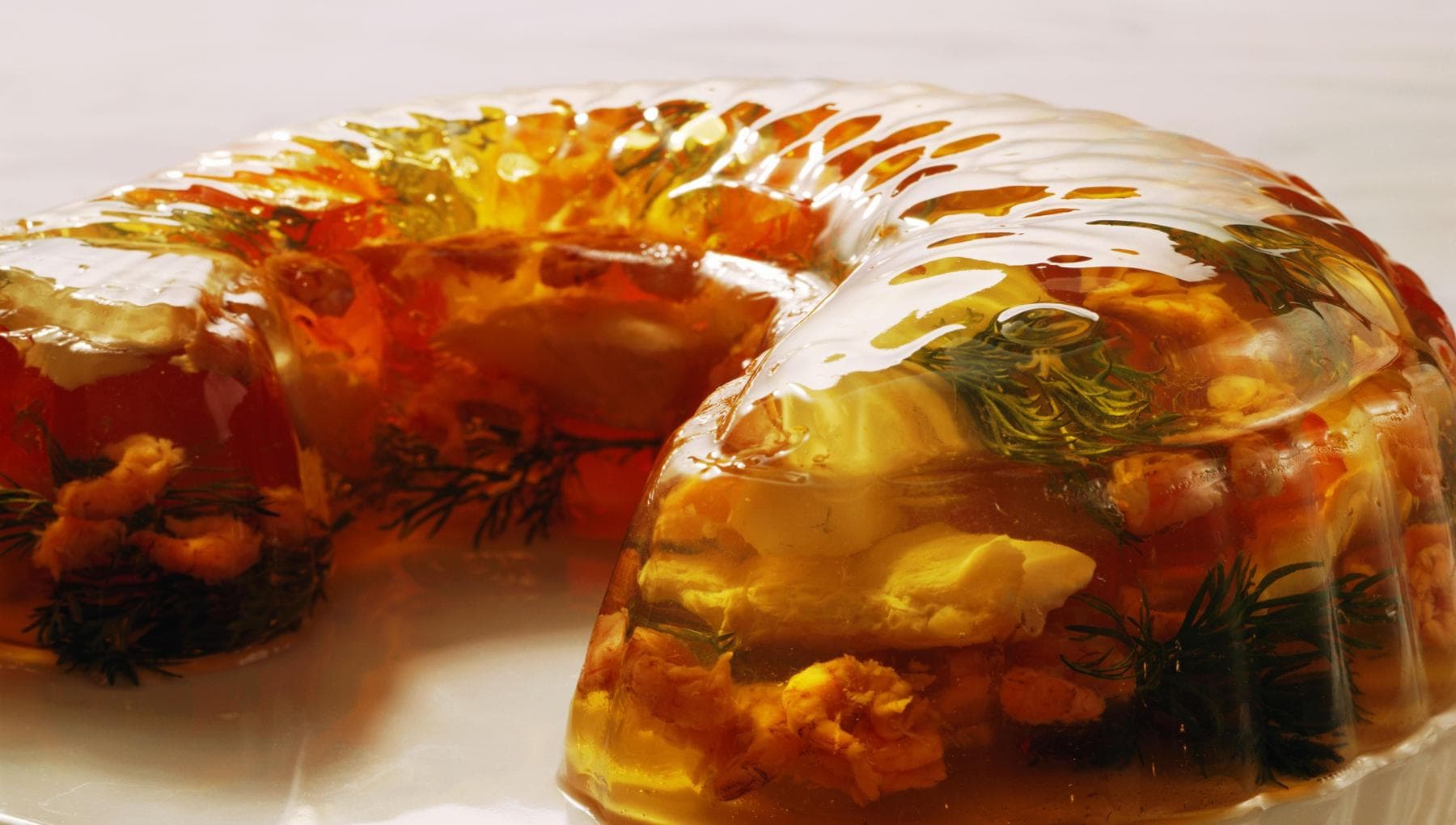
There can be no other explanation for recent claims that savoury jellies – the most lurid and off-putting of dishes, reminiscent of the worst culinary efforts of the 1950s – are suddenly fashionable. This resurgence comes, according to the New York Times, “at a time when chefs are feeling pressure to produce viral visuals and molecular gastronomy is old hat”.
The notion that jelly is having a moment is actually a perennial threat: this time last year it was reported that supermarket jelly cube sales were rising sharply, while vintage jelly moulds were experiencing a five-fold increase in online sales. And it was 15 years ago that the high-end “jellymongers” Bompas & Parr – known for their elaborate architectural creations – first published their book on the subject.
People who are sceptical about jelly are often put off by its origins. There’s no getting round it: gelatine is a pork byproduct, extracted from the bones, skin and connective tissue of the animal. But these days there are widely available vegan-friendly setting agents – mostly carrageenan and agar, derived from algae – that work just as well.