The Oscar-winning actor’s autobiography combines vulnerability with bloody mindedness and belligerence
It’s the greatest entrance in movie history – and he doesn’t move a muscle.
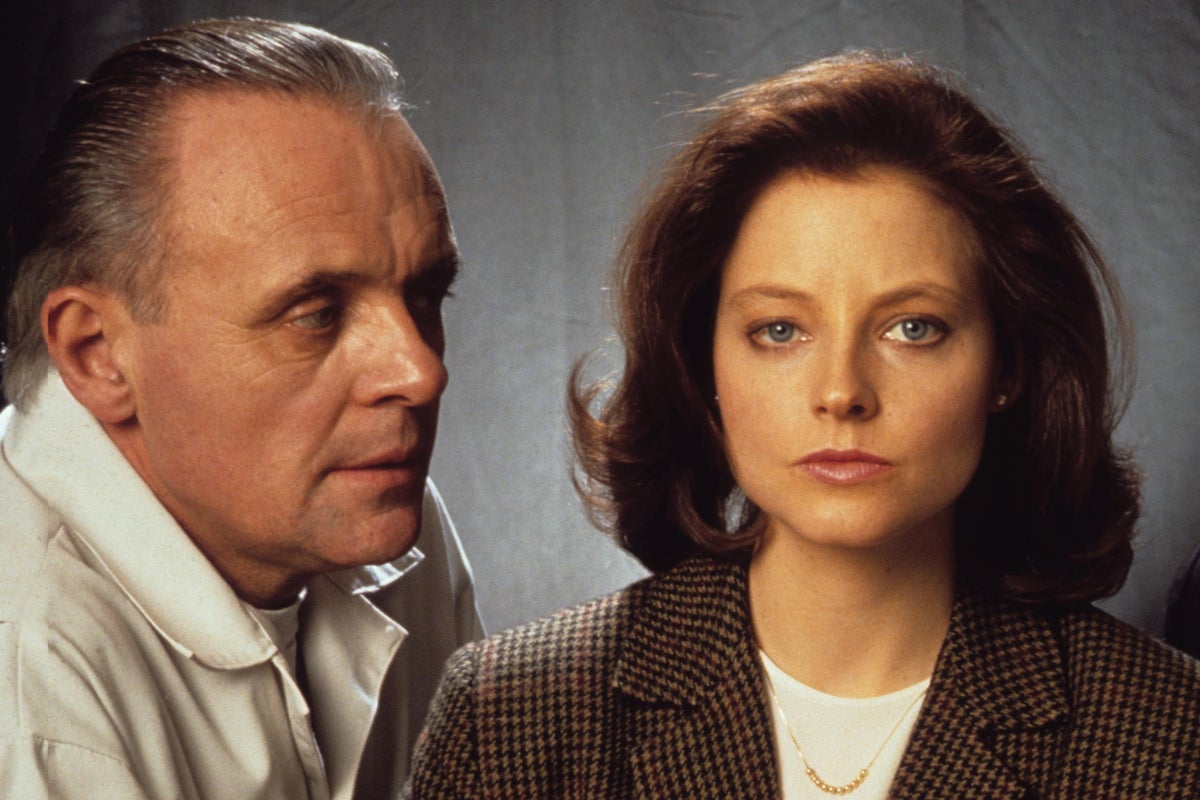
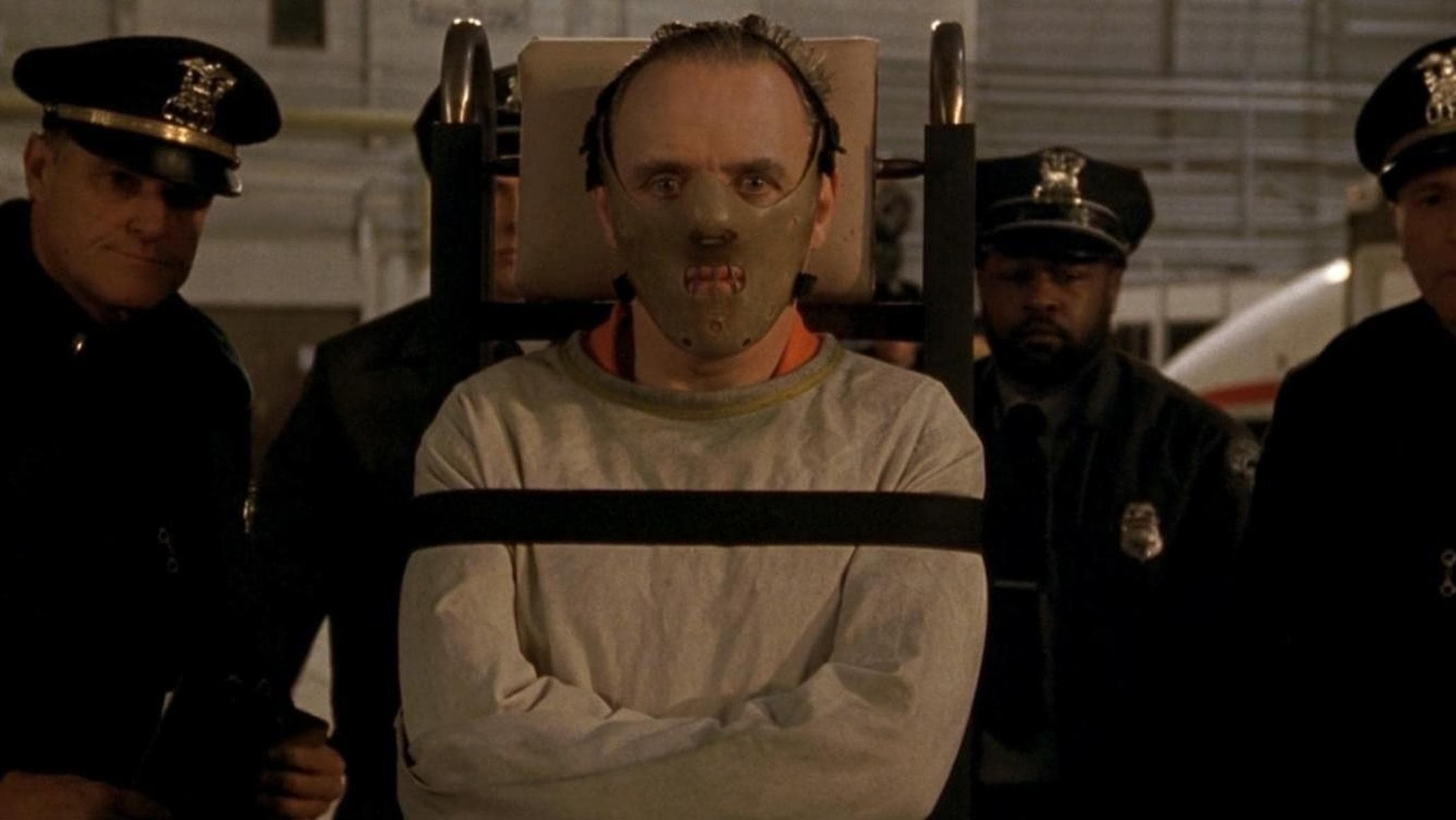
FBI rookie Clarice Starling must walk along the row of cells until she reaches Dr Lecter’s reinforced glass tank, where the man himself is simply standing, his face a living skull of satanic malice, eerily immobile in his form-fitting blue prison jumpsuit – immobile, that is, until such time as he launches himself against the glass, making that extraordinary hissing-slavering sound. A billion true-crime documentaries have since revealed that actual serial killers are very boring, with nothing like Anthony Hopkins’s screen presence.
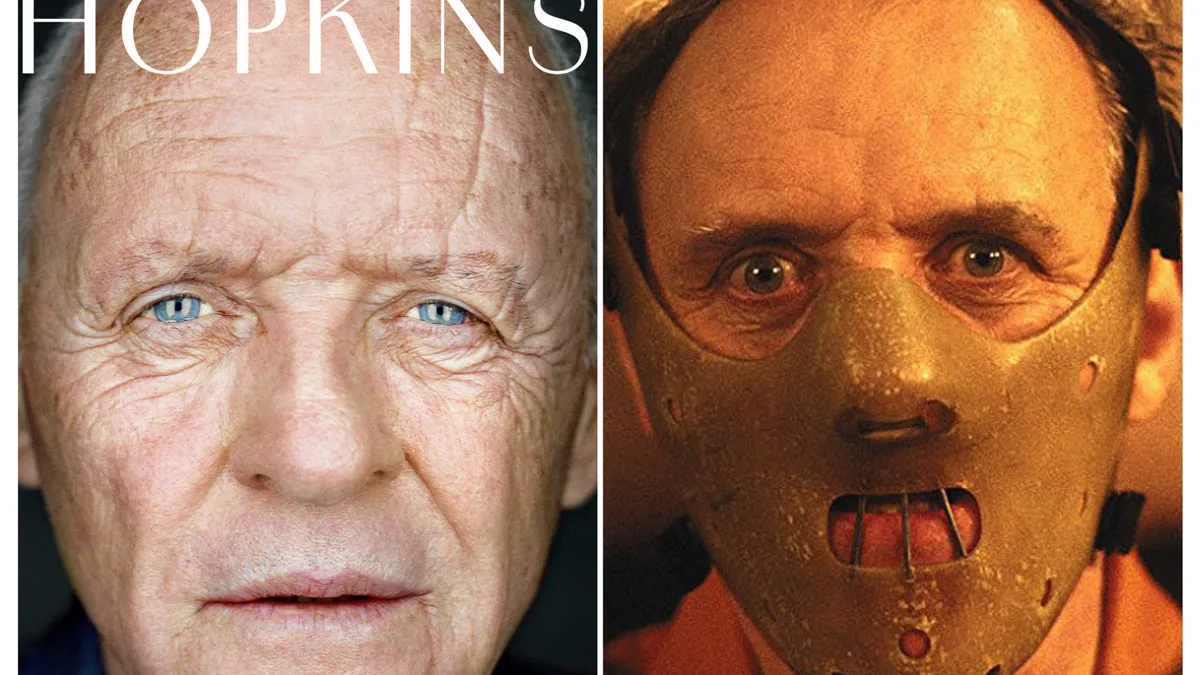
He was hardly an unknown when he got that Oscar-winning part in The Silence of the Lambs in 1989: a star wasn’t born, but rather a megastar, a legend. His Dr Lecter was based, Hopkins cheerfully recalls in this new autobiography, on Bela Lugosi’s Dracula, on Stalin as recalled by his daughter, and on his own icily exacting, gimlet-eyed Rada tutor Christopher Fettes. There was a father-daughter dimension to these scenes as well; a painful subject for Hopkins, who also describes how his Lear was subconsciously influenced by an agonised guilt about Abigail, the estranged daughter from his disastrous first marriage in 1966 to Petronella Barker, who resented his absences and drinking.