Smith’s incantatory voice shines through in this surprisingly revelatory follow up to Just Kids and M Train
T
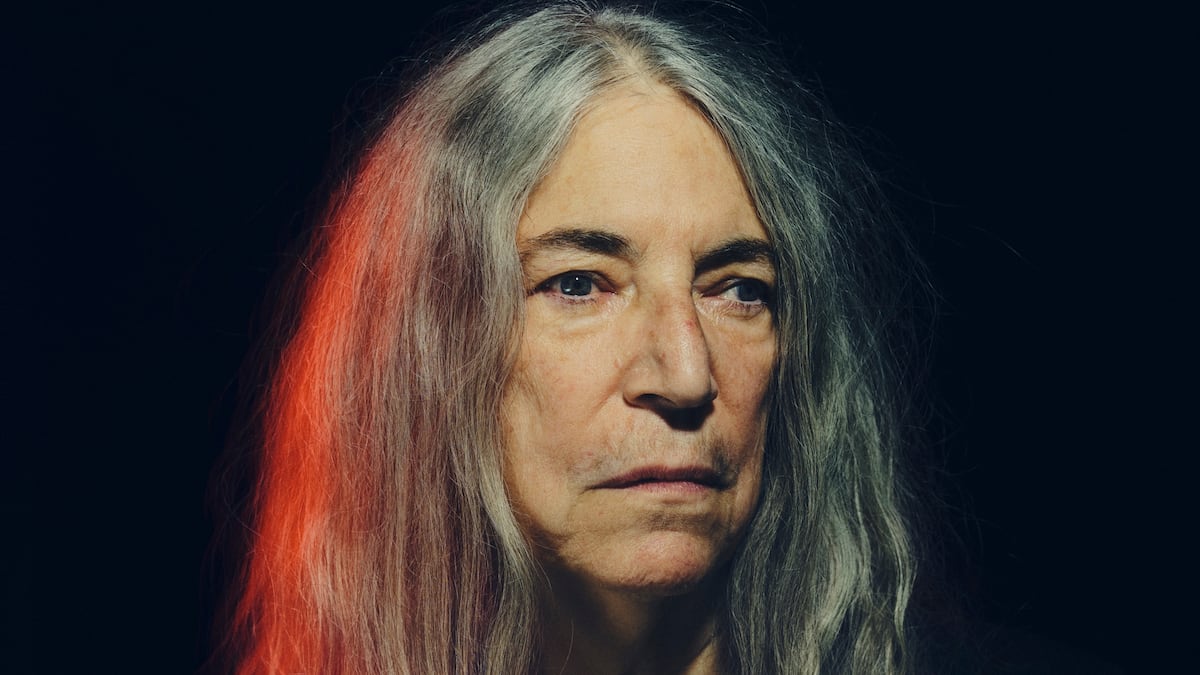
he post-pandemic flood of artist memoirs continues, but Patti Smith stands apart. The poet who wrote punk into existence before pivoting to pop stardom then ghosting fans to raise a family has, in the 21st century, leaned into literature and music with such vitality it has become hard to say which medium suits her better. It hardly matters. At 78 years old, Smith lives and breathes both.
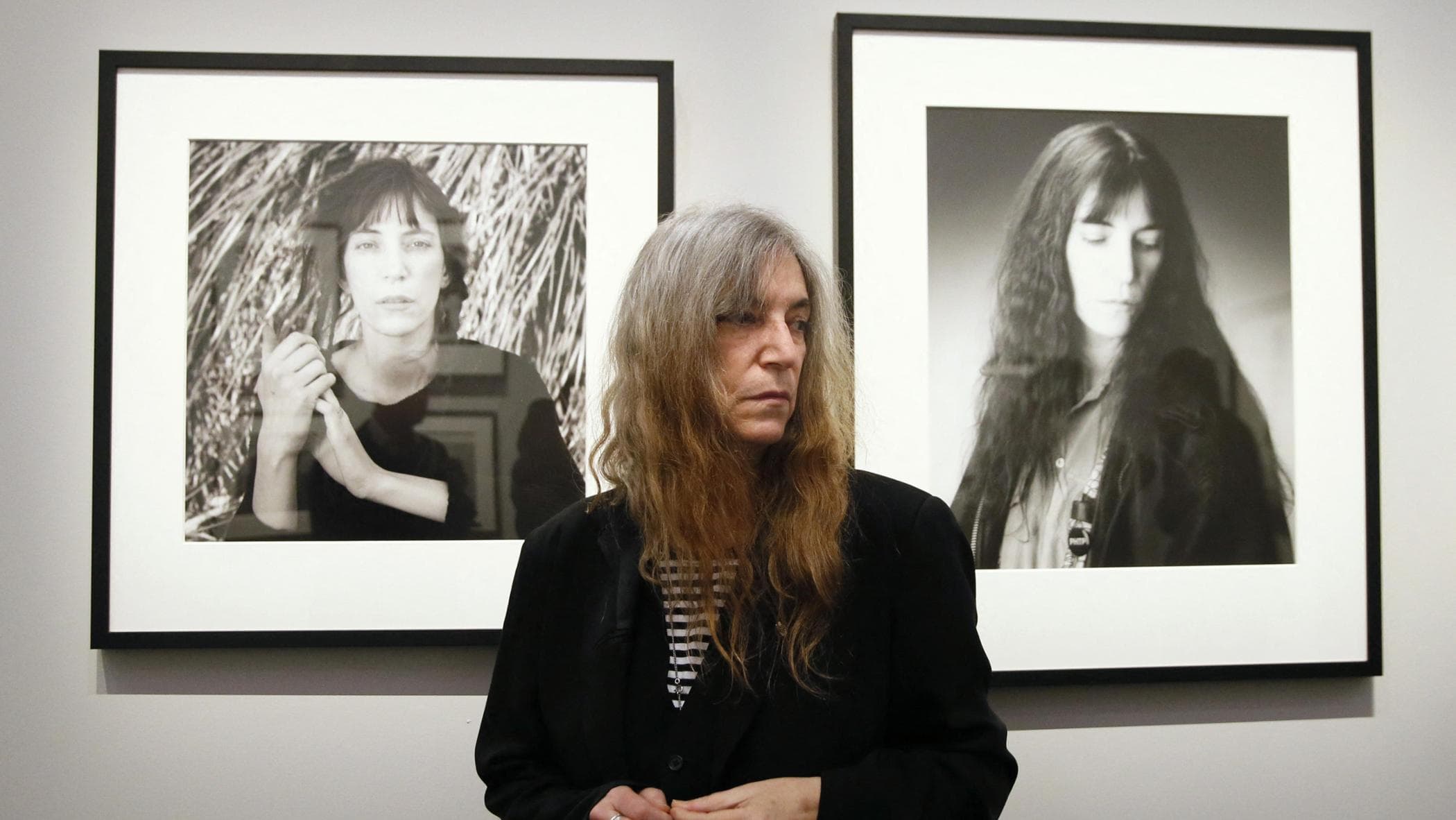
Her latest memoir follows the tightly focused coming-of-age story Just Kids, published to great acclaim in 2010, and 2015’s more ruminative M Train. Bread of Angels splits the difference to create a more conventional autobiography. It could be described as Just Kids’ prequel and sequel, moving from Smith’s hardscrabble childhood to the near-present, where a striking twist takes the narrative back to her literal conception. It’s one of a number of revelations about an artist whose story would otherwise seem, by now, well-chiseled into the tablets of rock history.
But surprises don’t feel crucial to a work that builds its world as much through narrative voice as its description of events. That voice can take some getting used to. Oddly formal, even archaic, in tone, at times unrestrained if not undisciplined, Smith’s literary mind is a wild mare. It can occasionally feel repetitive or self‑indulgent. But once you settle in, it casts a potent spell, and you’ll learn as much about the artist from her style as from the stories themselves.