China launches £5.4bn ship capable of carrying 60 aircraft that Beijing values as much for maintaining its global influence as for its use in warfare
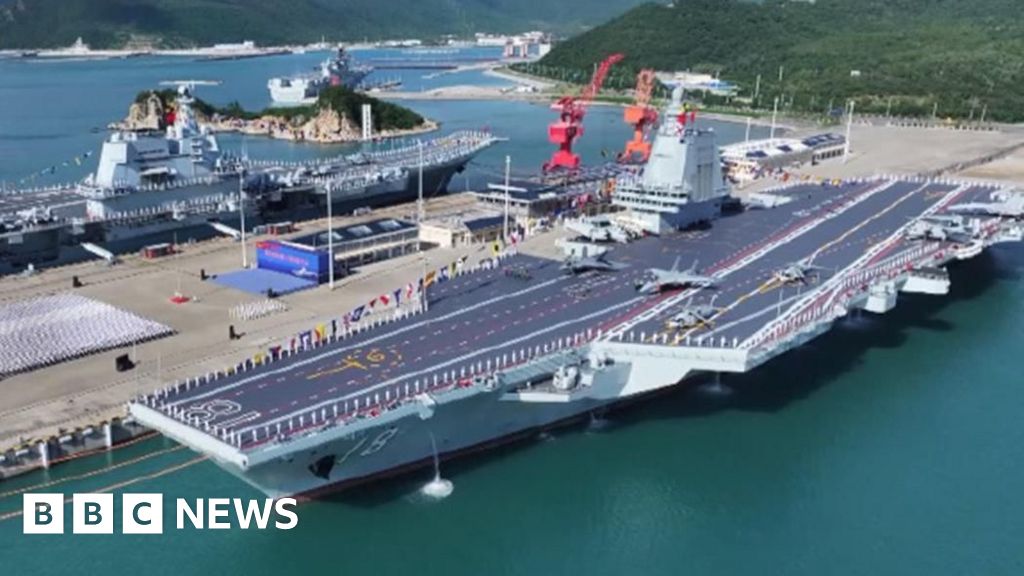
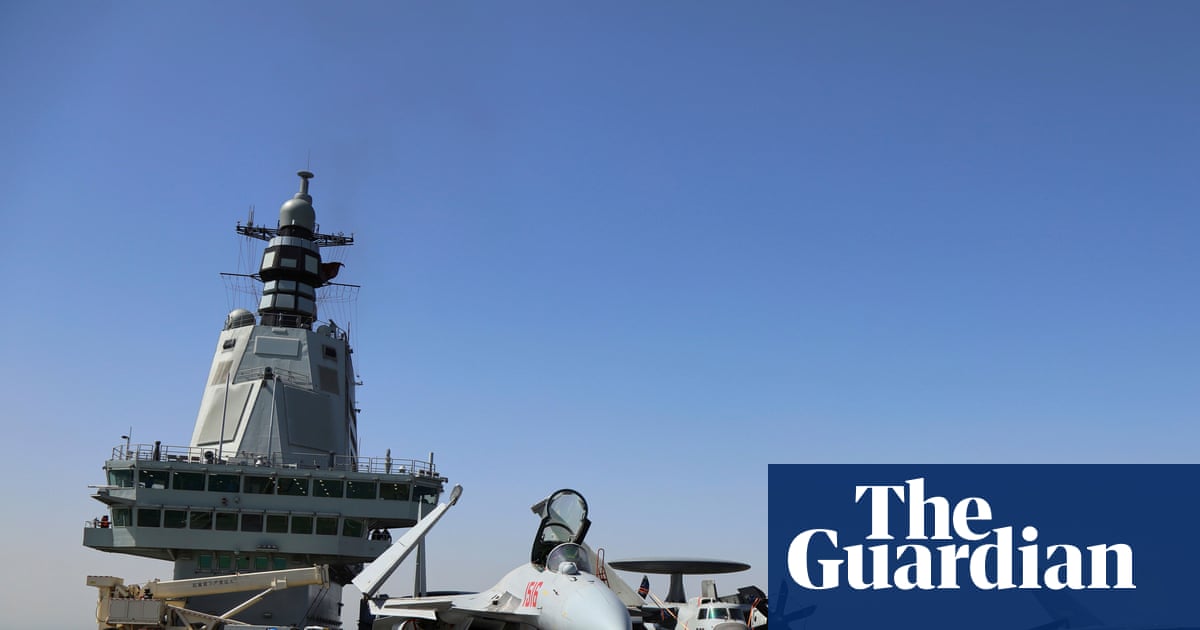
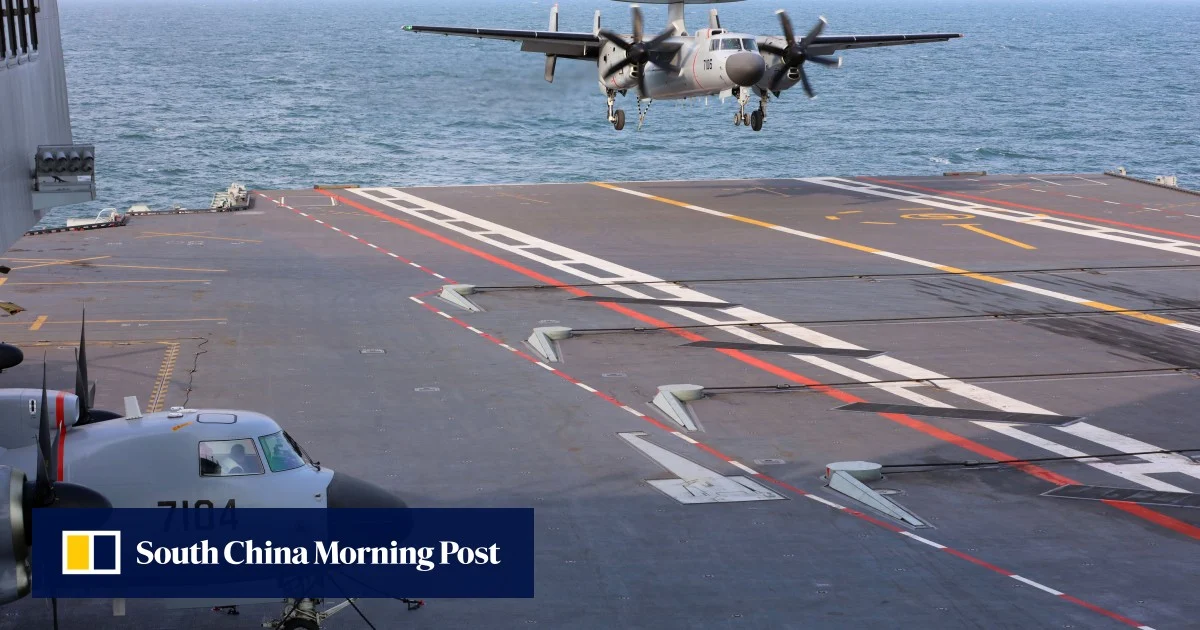
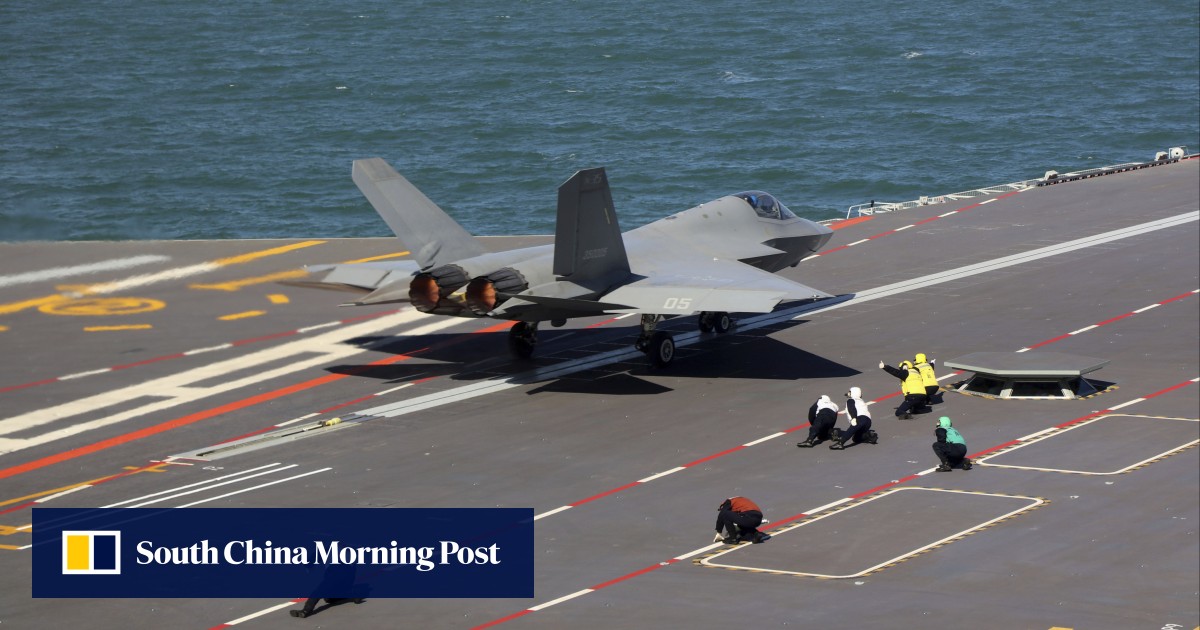
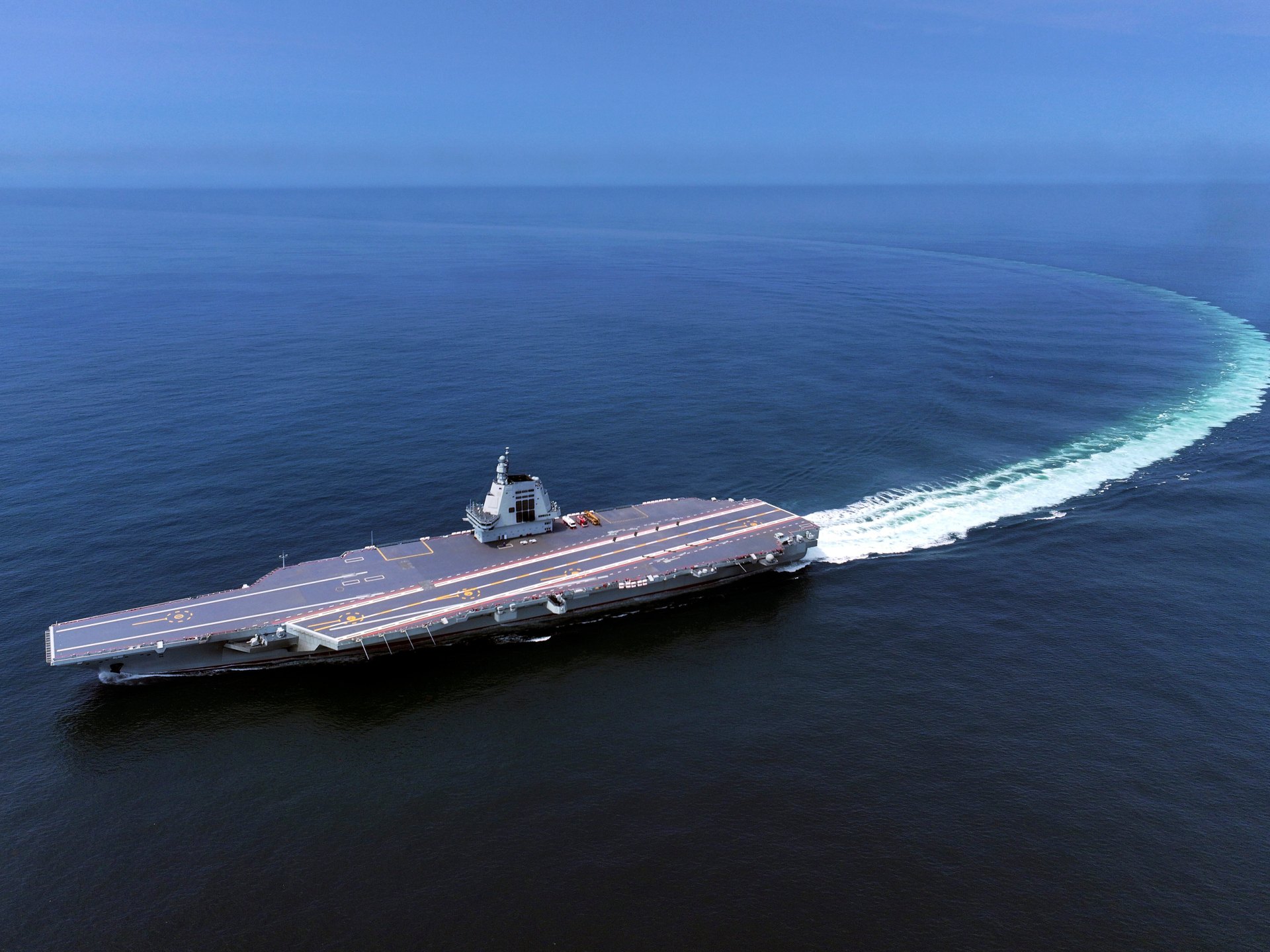
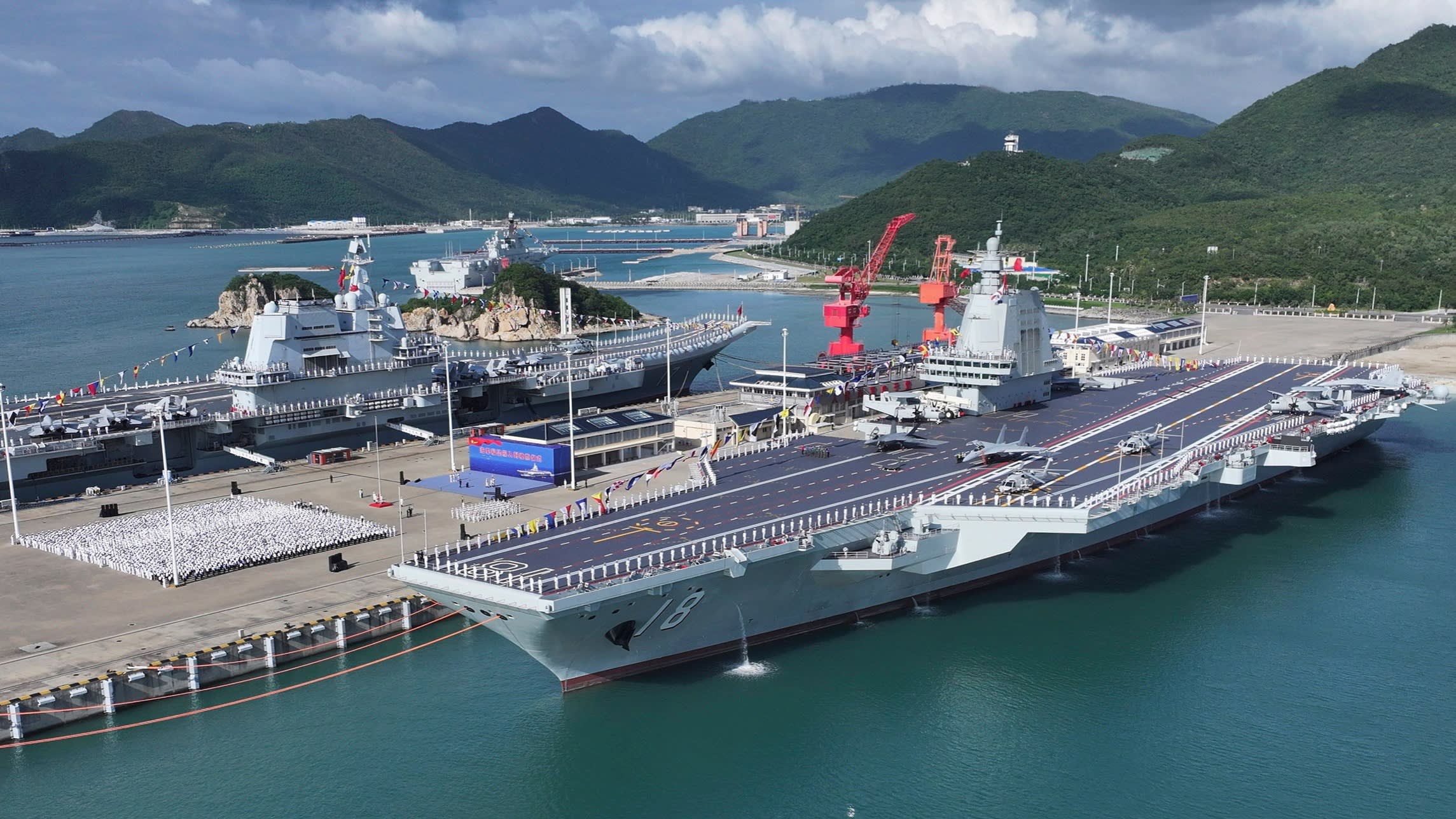
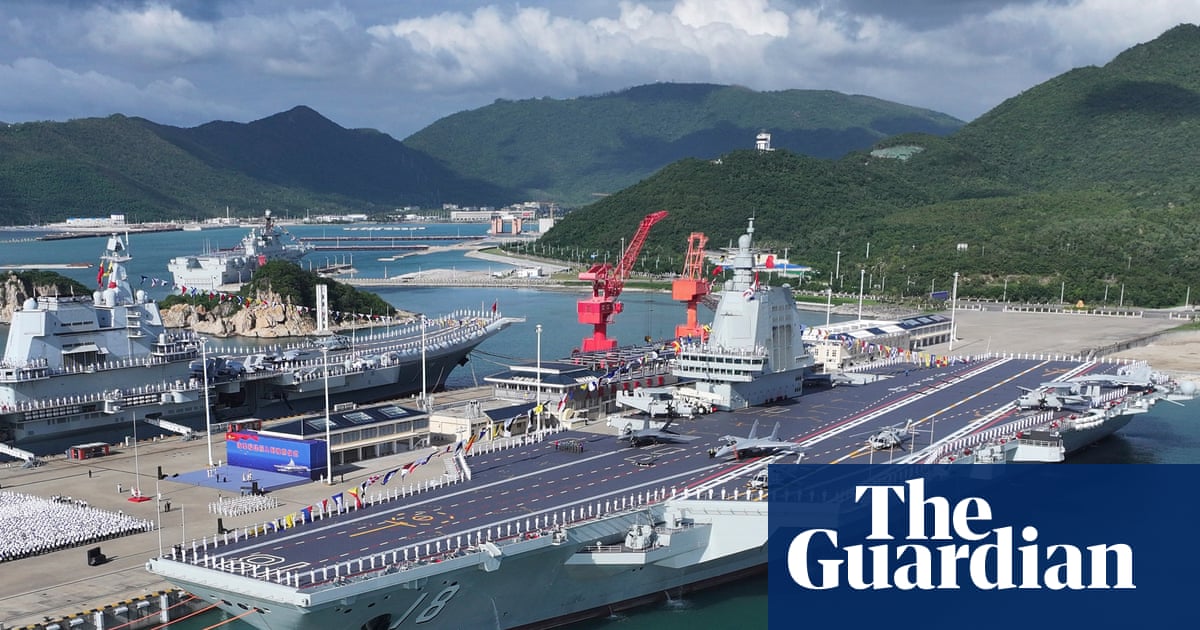
In port, the 80,000-tonne Fujian aircraft carrier would be impossible to miss. More than 300 metres long and capable of carrying about 60 aircraft, the £5.4bn super-vessel places China second among the world’s navies, with three aircraft carriers, though still a long way behind the global leader, the US, which has 11.
Yet for all the great power projection of the new warship, nearly 5,000 miles away from its home port another conflict appears to suggest size may not matter. In the Black Sea, Ukraine achieved an extraordinary military success by inflicting a “functional defeat” on Russia’s naval fleet using swarms of skilfully targeted sea drones.
The contradiction, however, is likely to be more apparent than real. In a new era of state competition, and in particular the growing rivalry between China and the US, for all their size and expense, aircraft carriers remain an attractive resource for projecting power and conducting harder edged diplomacy.
This is why the US president, Donald Trump, ordered the USS Gerald R Ford – at $12.8bn the world’s largest and most expensive warship – to sail to Venezuela to intimidate the country’s regime. Capable of carrying 70 aircraft, able to operate up to 125 sorties at peak, and with four destroyers in support, the manoeuvre was so unusual it raised the question of whether the force on display would be used against President Nicolas Maduro.