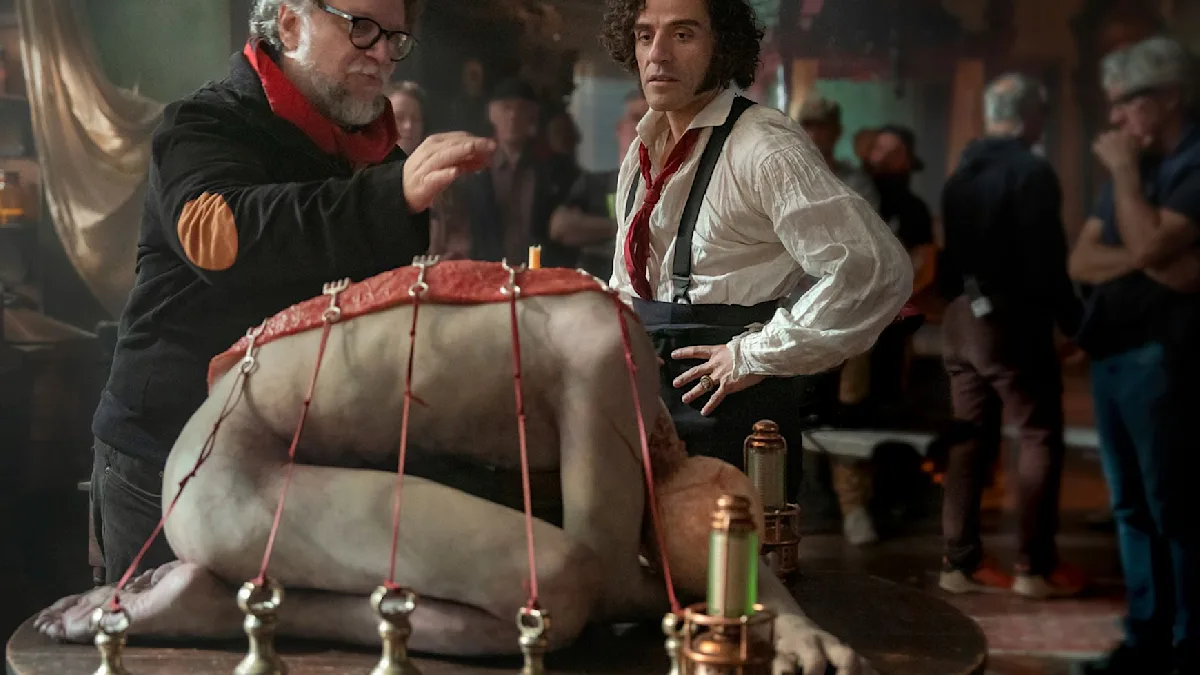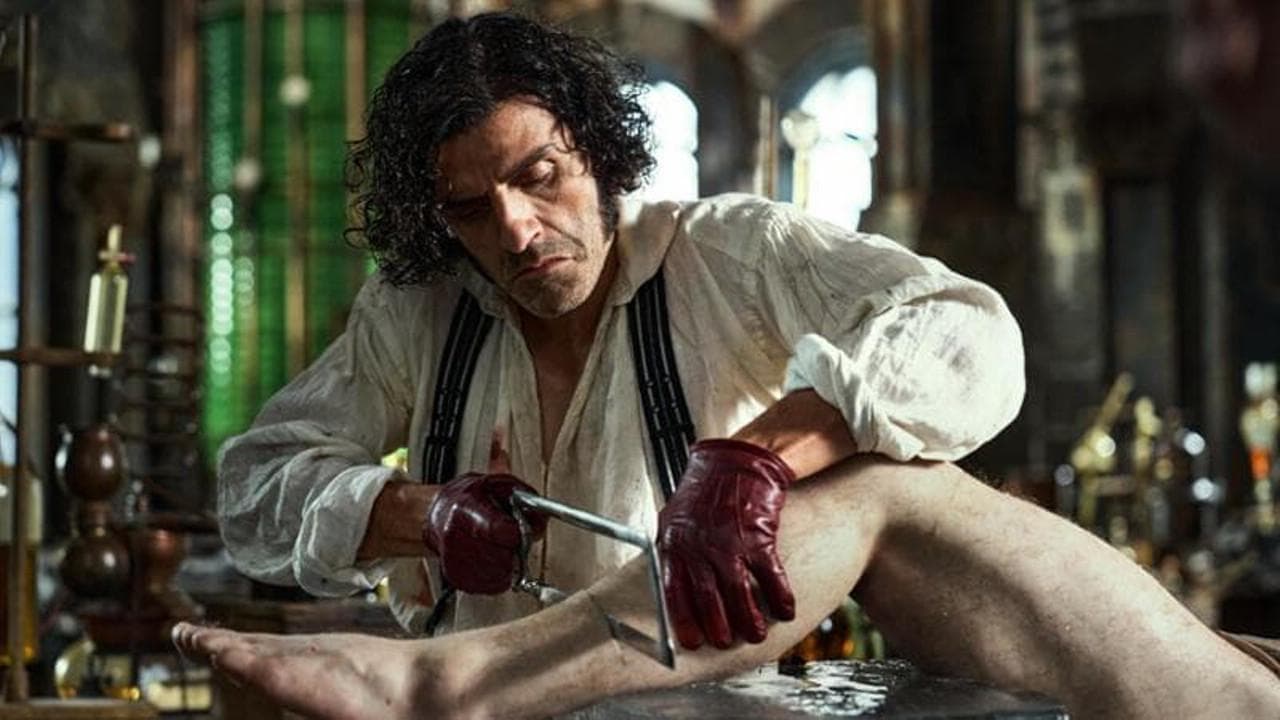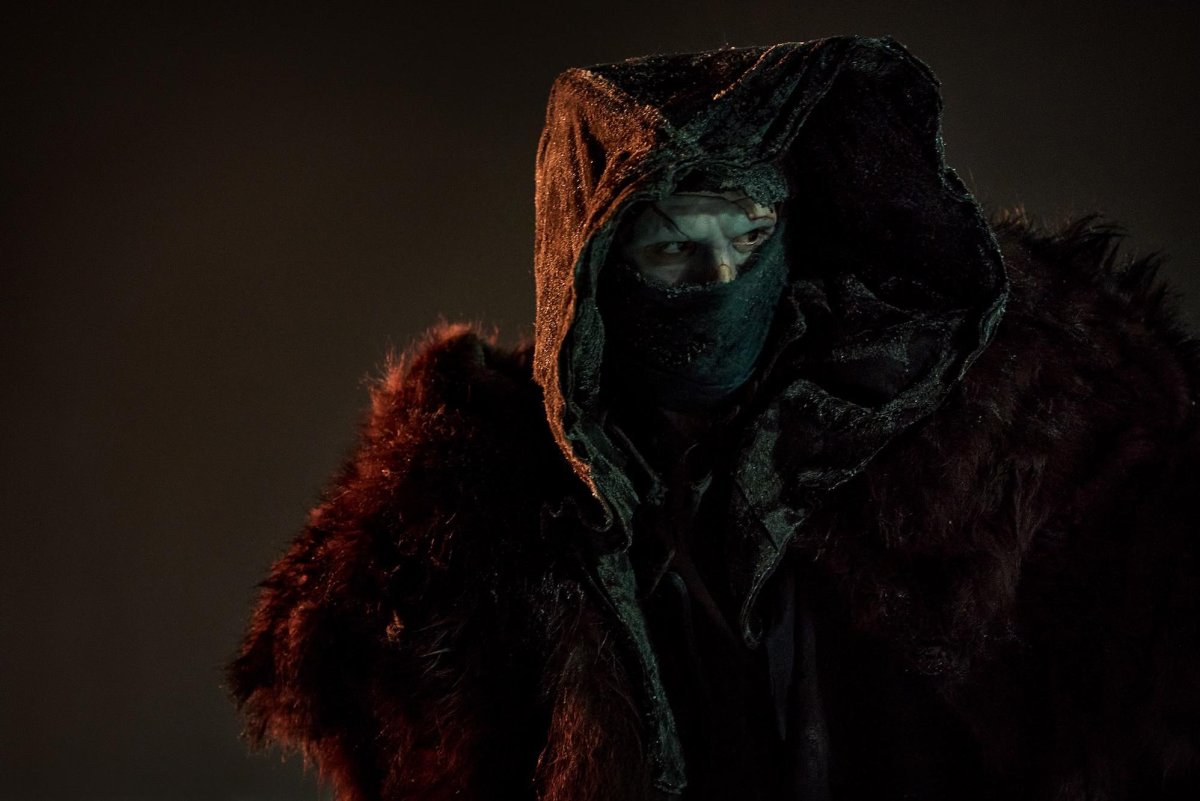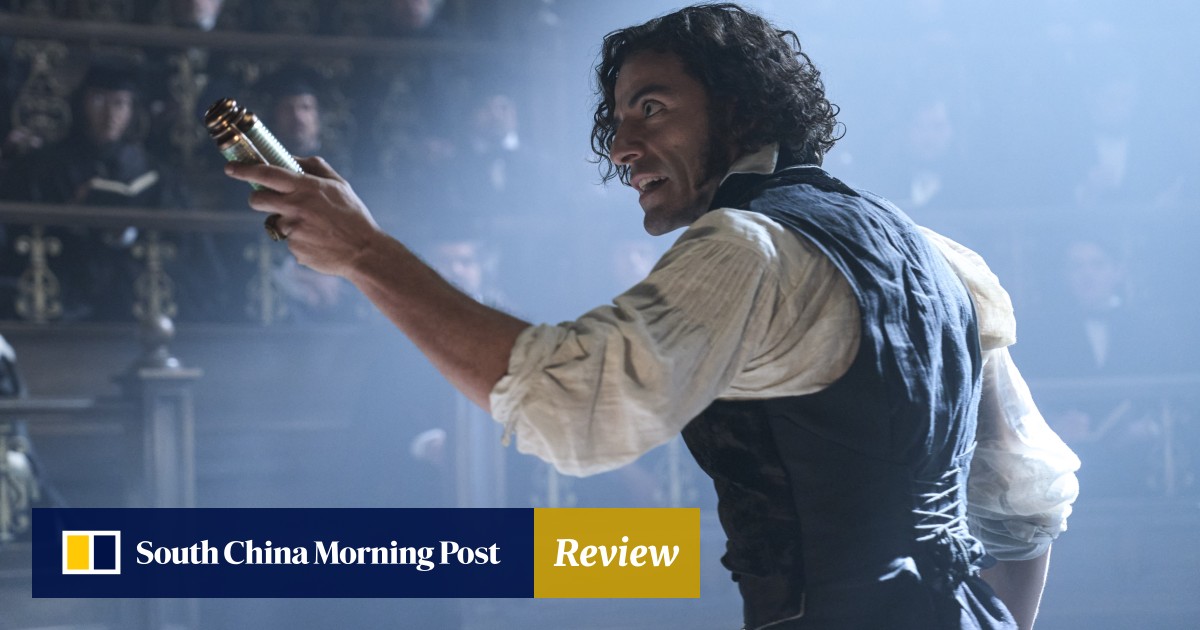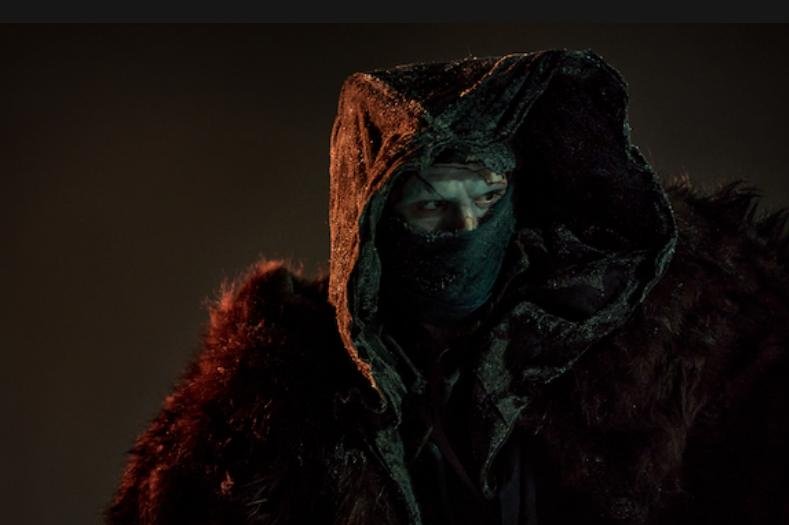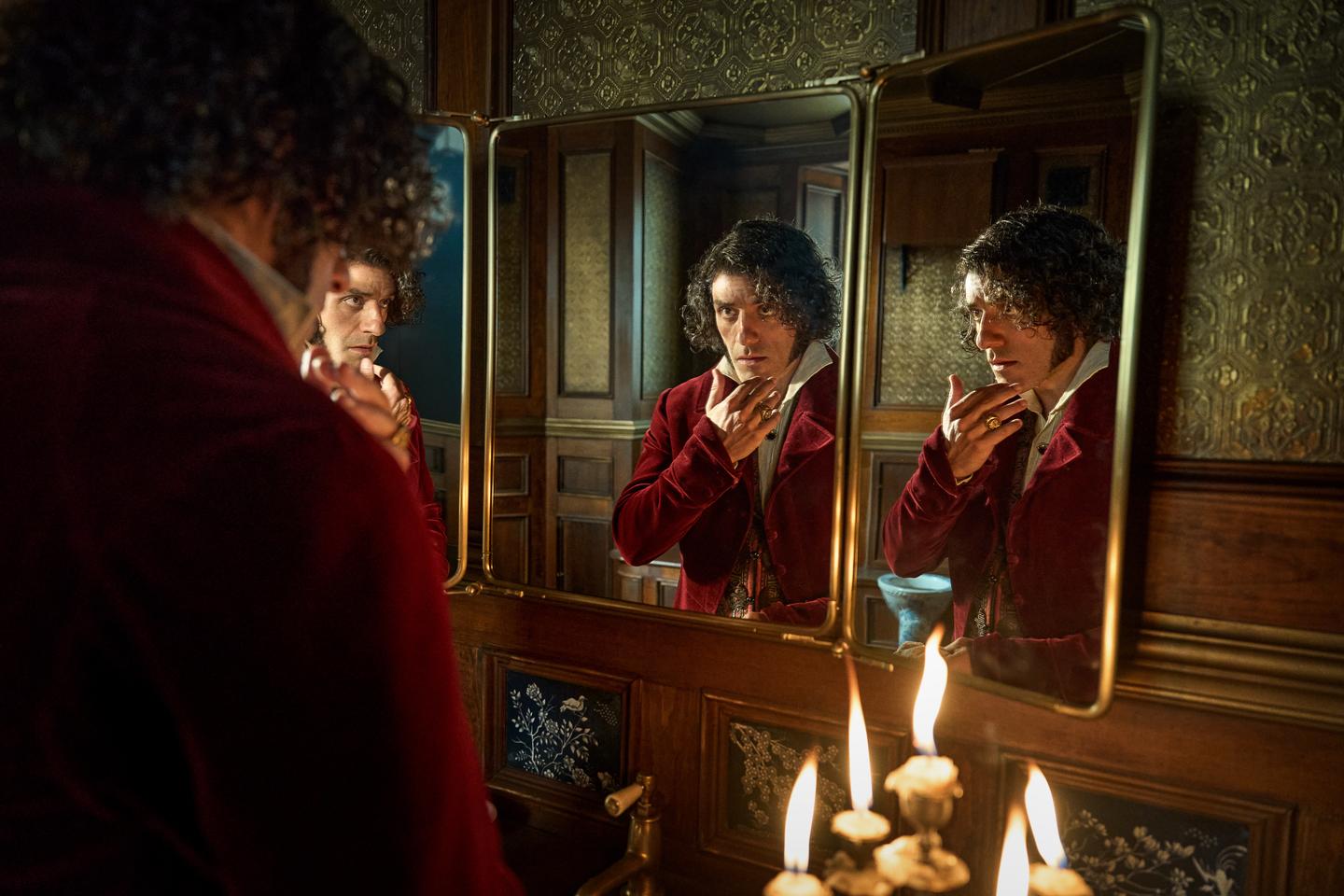
Oscar Isaac (Victor Frankenstein) in 'Frankenstein,' by Guillermo del Toro. KEN WORONER/NETFLIX
Nearly 20 years ago, Guillermo del Toro expressed his intention to make his own version of Frankenstein; or, The Modern Prometheus, based on the novel by Mary Shelley (1797-1851). Watching the film he premiered at the Venice Film Festival at the end of the summer, it is clear that the Mexican filmmaker has been carrying this project with him for much longer, probably since, as a child, he first saw James Whale's 1932 Frankenstein.
The metaphysical anxiety of his film Cronos (1993), the childhood rifts and terrors of Pan's Labyrinth (2006), the heightened romanticism of Crimson Peak (2015) and the Catholic compassion of The Shape of Water (2018) are all steps leading to this Frankenstein. Like any major work, it is nourished by its contradictions. The most obvious is the confrontation between del Toro's intimate universe and the fidelity to the text that Shelley wrote two centuries ago, in 1818. To these two poles, one must add del Toro's stated desire in 2007 to give his film the dimension of a "Miltonian tragedy," to place it in the lineage of great Christian works of English literature, such as Milton's Paradise Lost (1667).