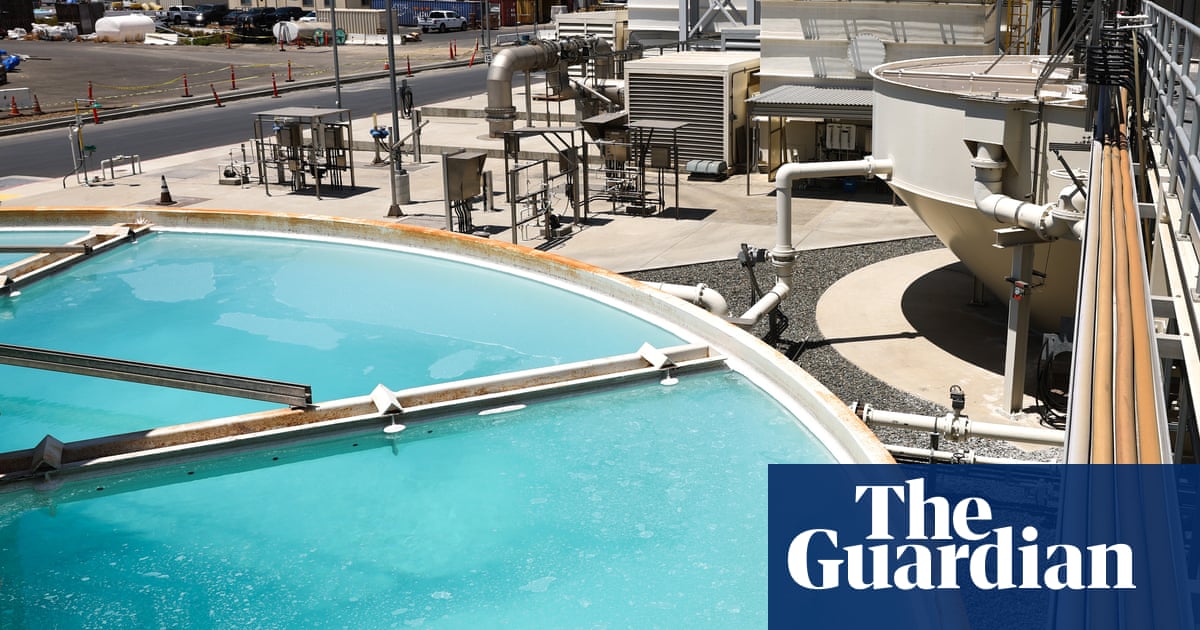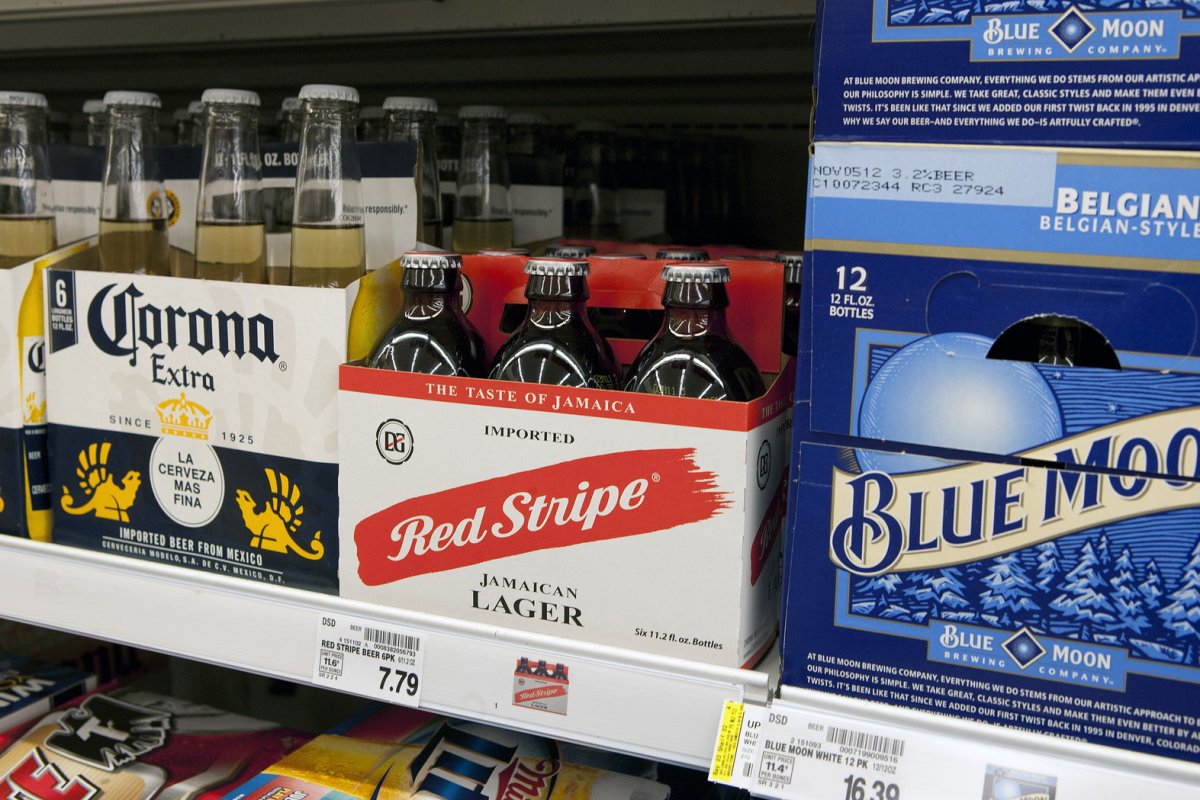
Modern beer production is a US$117 billion business in the United States, with brewers producing over 170 million barrels of beer per year. The brewing process is time- and energy-intensive, and each step generates large amounts of waste.
Solid components such as used grains and yeast from this waste end up in landfills, where harmful compounds can leach into the soil. Brewing wastewater that makes it into aquatic ecosystems can contaminate streams and lakes, decrease oxygen levels in those environments and threaten organisms.
To keep this waste from going into the environment, scientists like me are exploring how to manufacture beer brewing waste into useful products. I'm a chemist, and my research team and I are interested in figuring out how to recycle and repurpose brewery waste into tiny particles that can be used to make new types of prescription drugs.
The brewing process
The brewing process takes raw cereal grain - usually from barley - and converts its starch and proteins into simpler chemicals by malting. Brewers initiate this process by adding water, which wakes the seed from dormancy, and then keeping the seeds at a controlled temperature to sprout the grain.