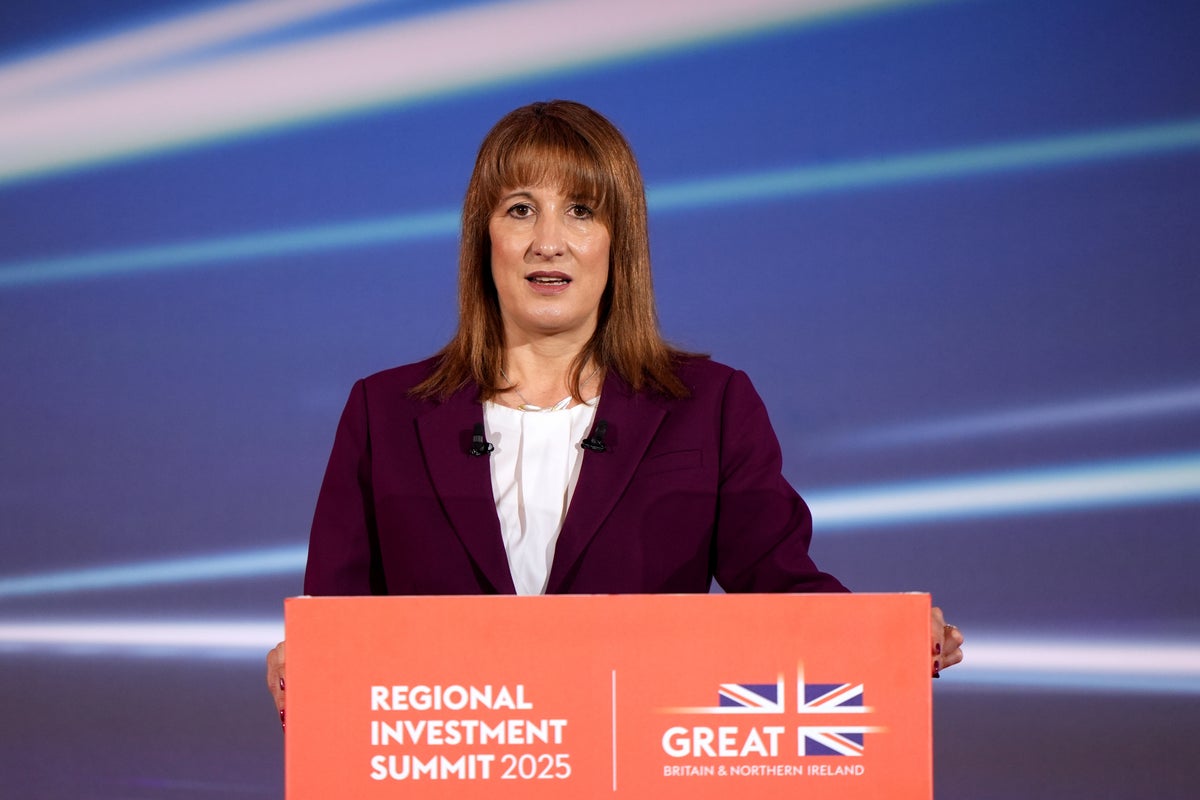
The only way the chancellor can save herself is to lower living costs or make big improvements to public services. Farage waits in the wings if not
I
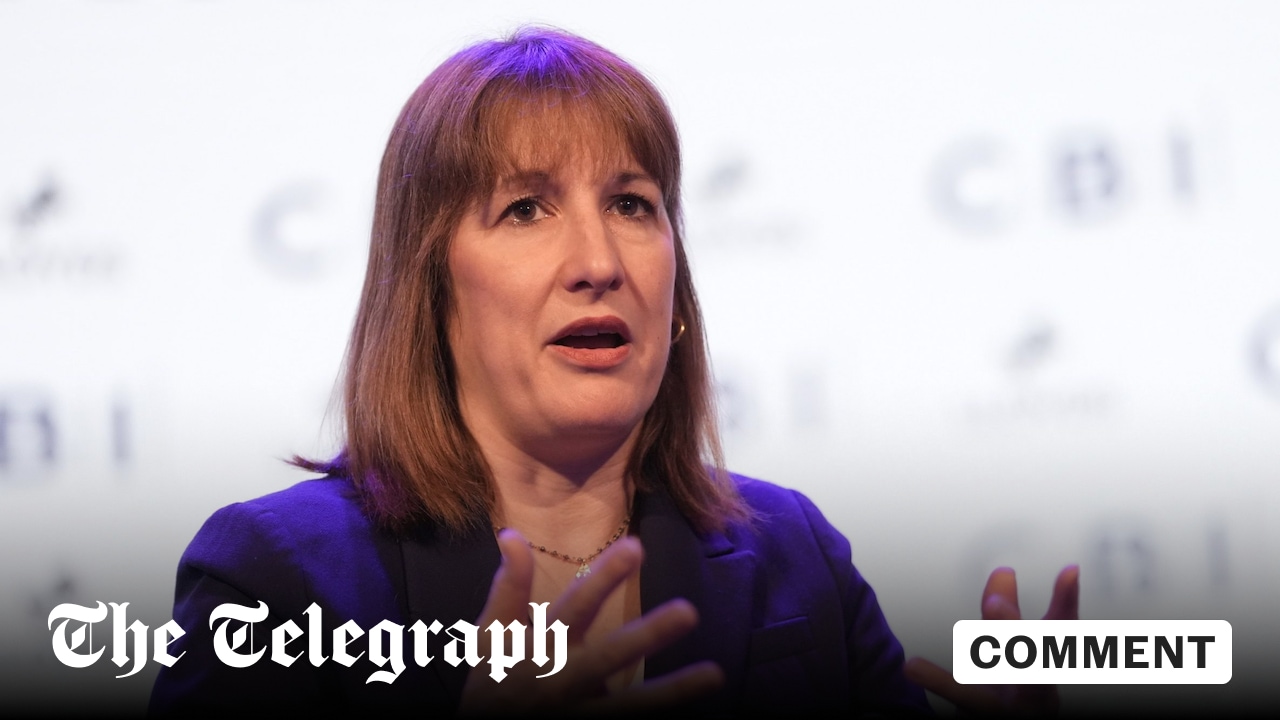
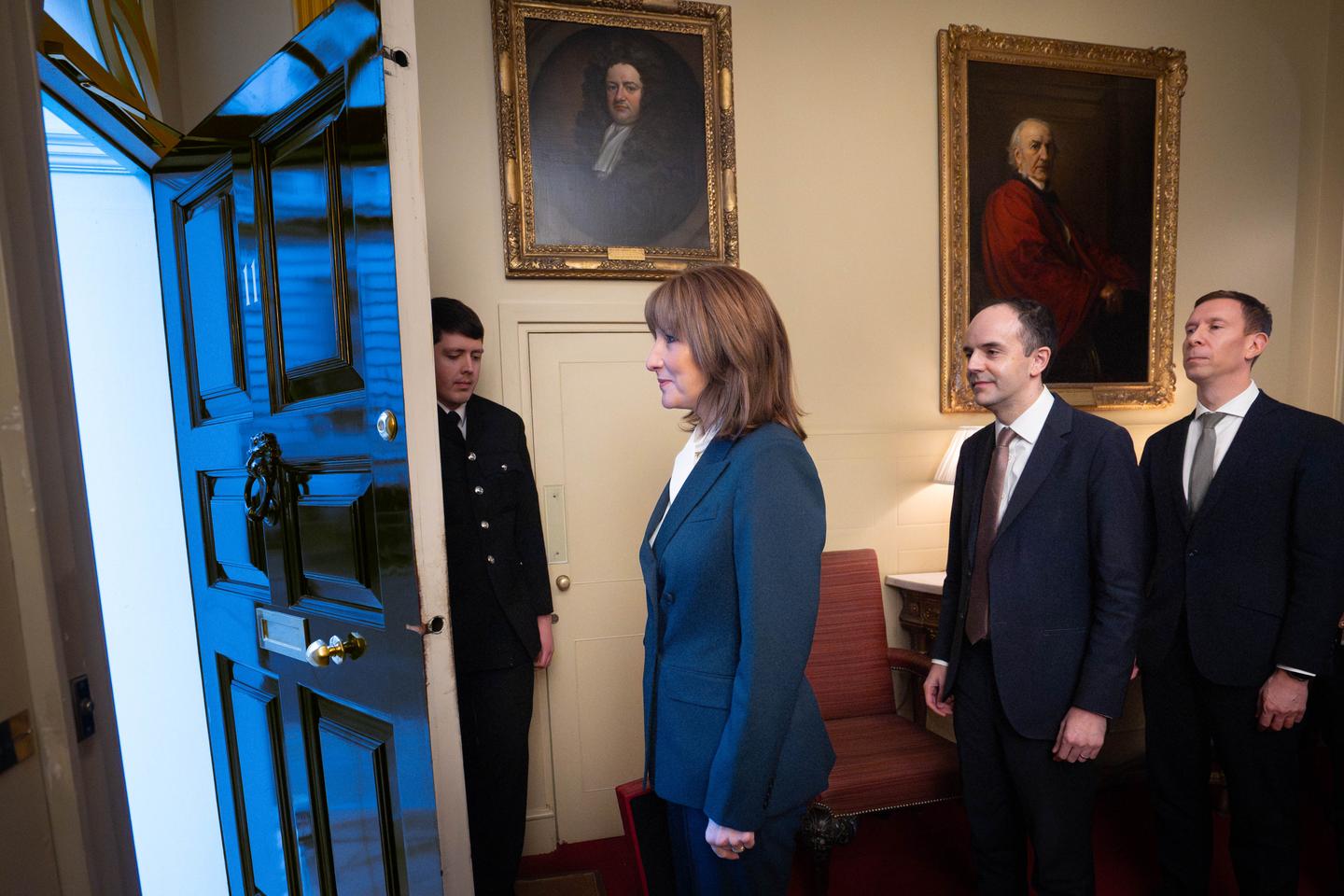
t may not feel that way, but these are pivotal weeks in modern British, and perhaps also modern European, politics. I do not know whether the ink is yet dry on the final draft of Rachel Reeves’s 26 November budget, let alone know what measures it will contain. But I do know that this budget matters more than any other in recent times.
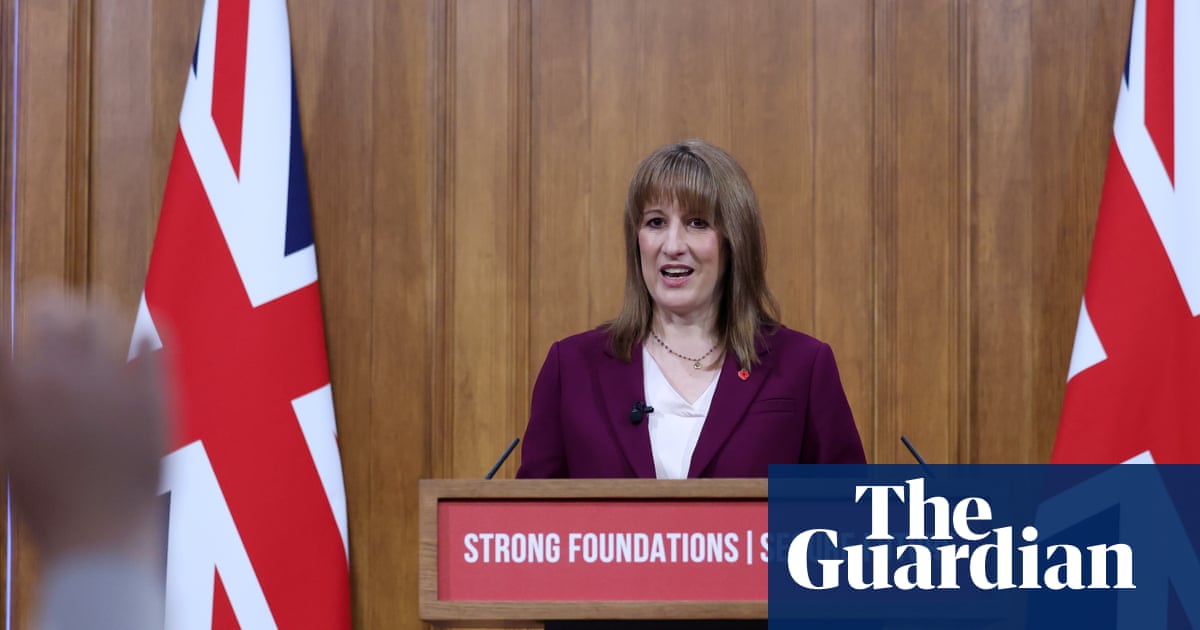
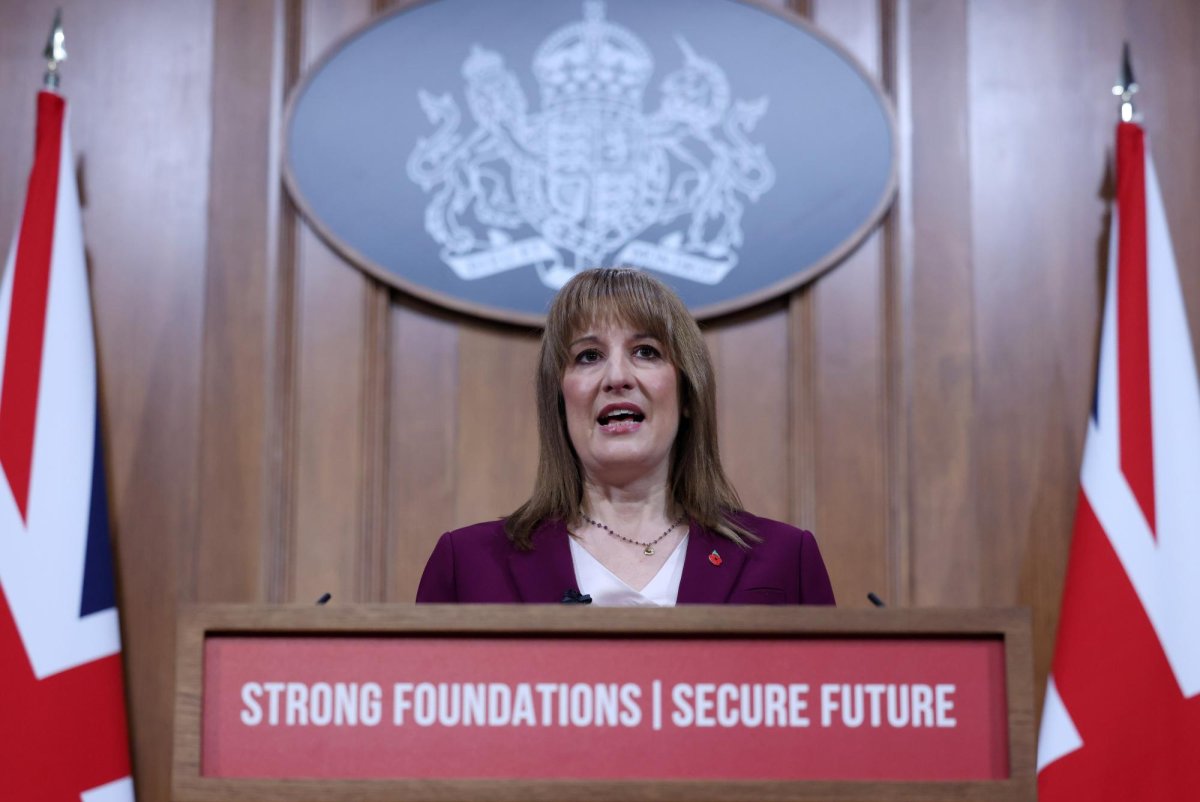
Reeves would not have made her Downing Street speech on Tuesday simply to trail a business-as-usual package. The inevitable inference is that she plans a moment of enforced but necessary departure from tradition. The outcome, whether success or failure, will surely reshape politics for years to come.
The heart of the story on 26 November, although emphatically not the whole of the story, should be income tax. Income tax is key to the public finances and to the redistribution of wealth by the state. It will always be the principal embodiment of Oliver Wendell Holmes junior’s totemic dictum that “taxes are the price we pay for a civilised society”. But no chancellor has raised the income tax base rate since Labour’s Denis Healey raised it from 33% to 35% in 1975 (he then cut the rate in 1977 and 1978, but we don’t hear so much about that).