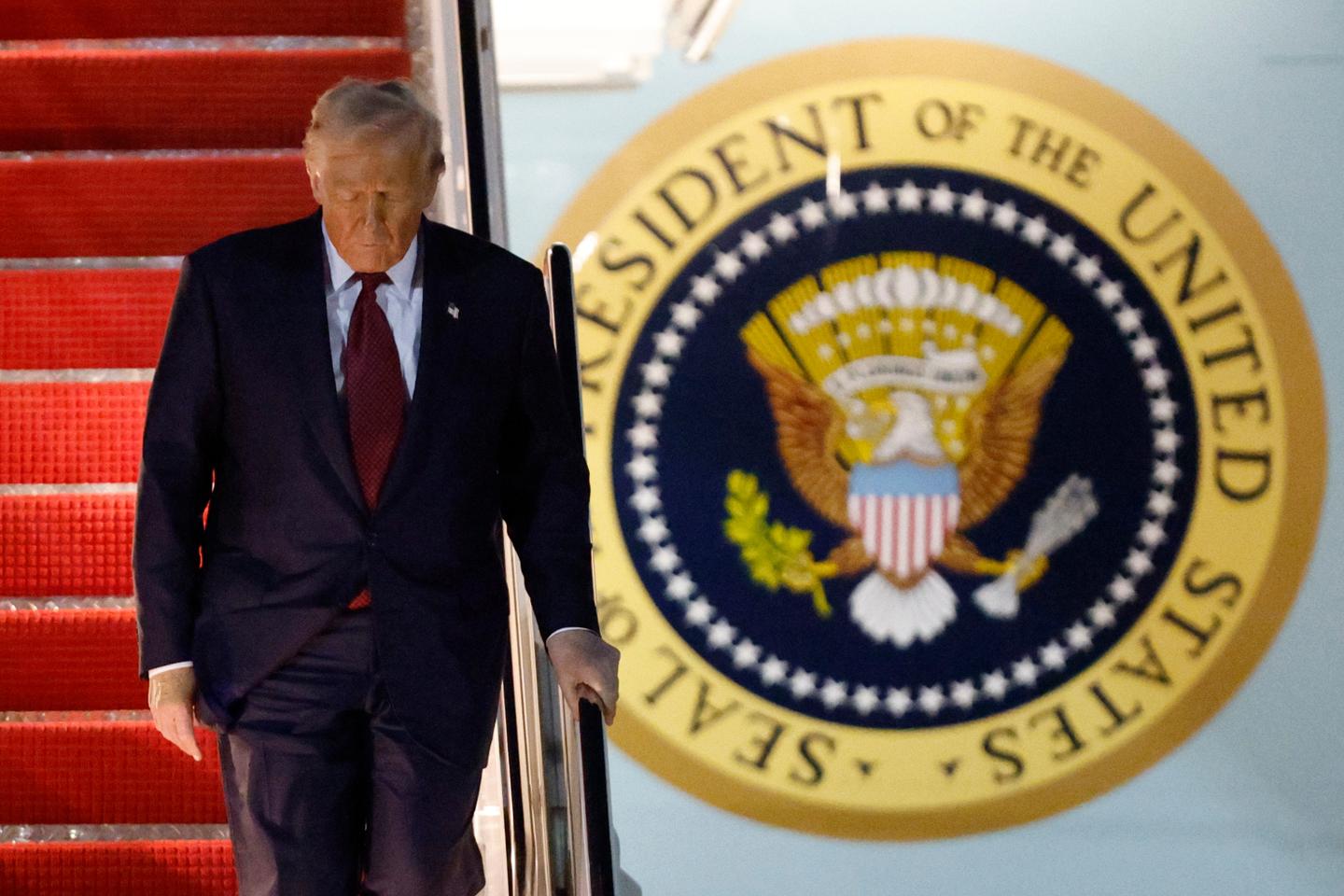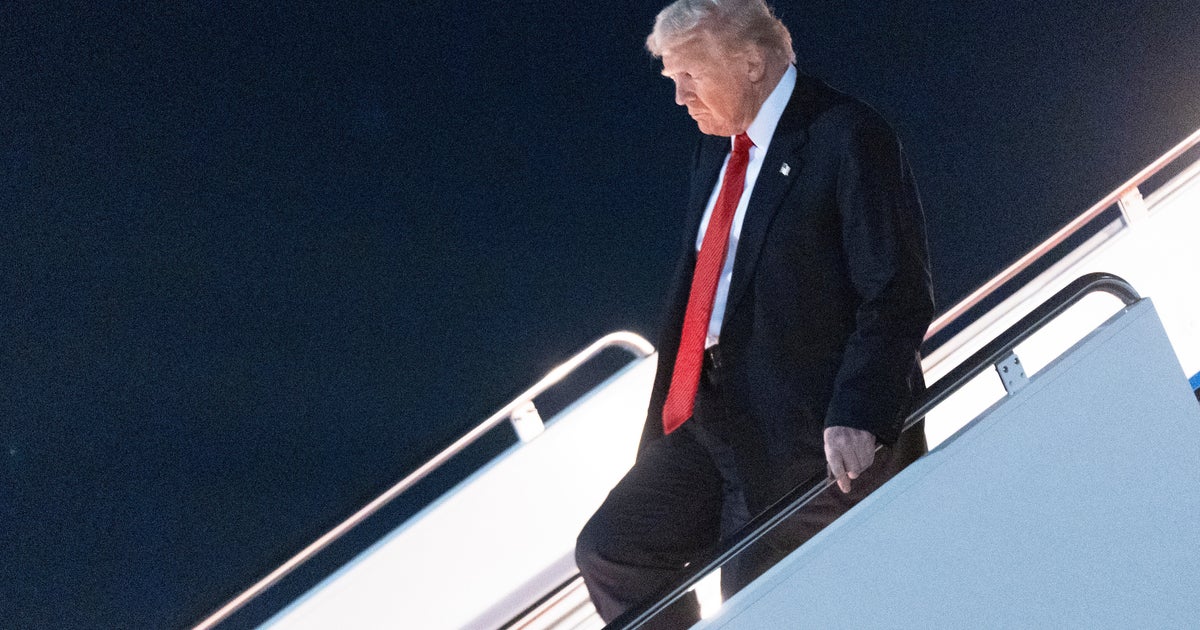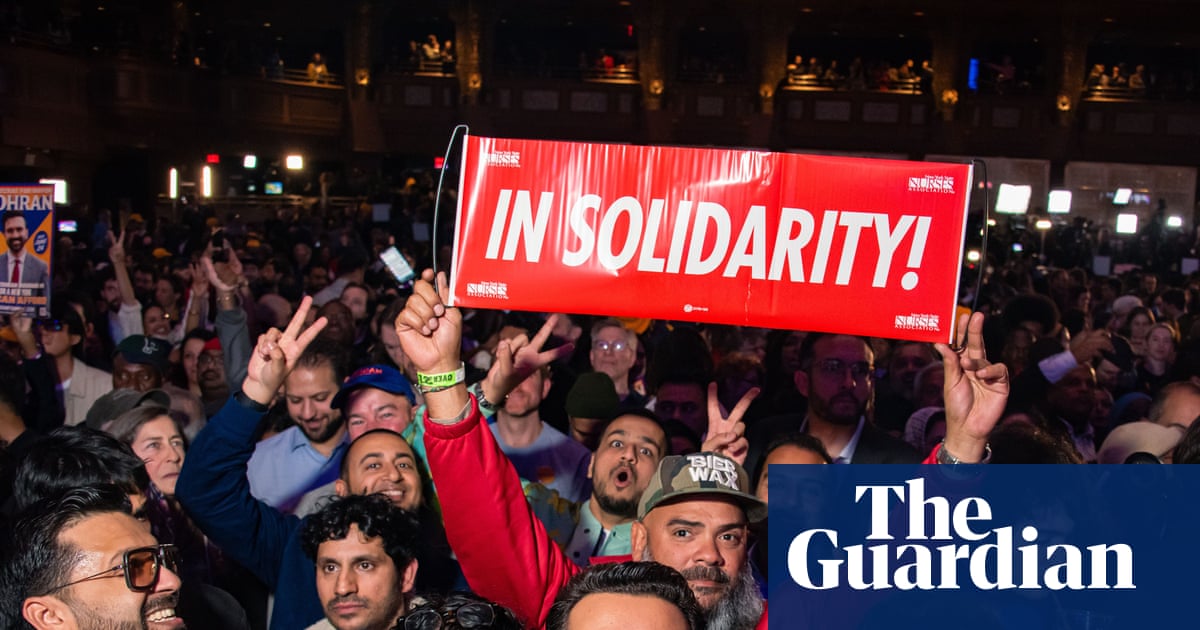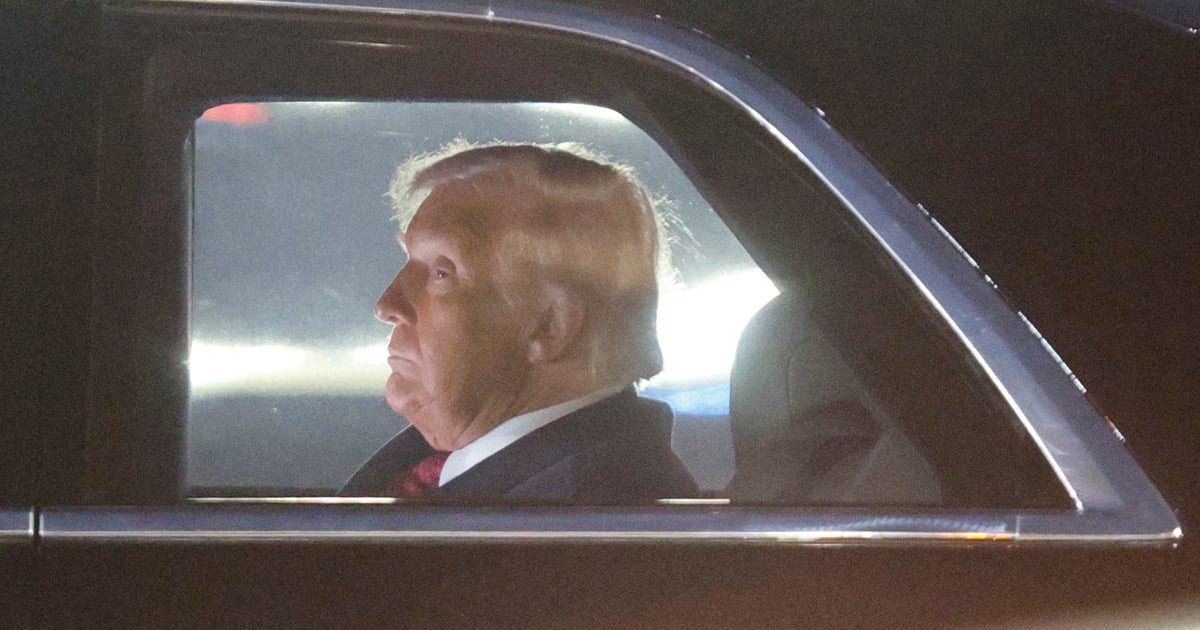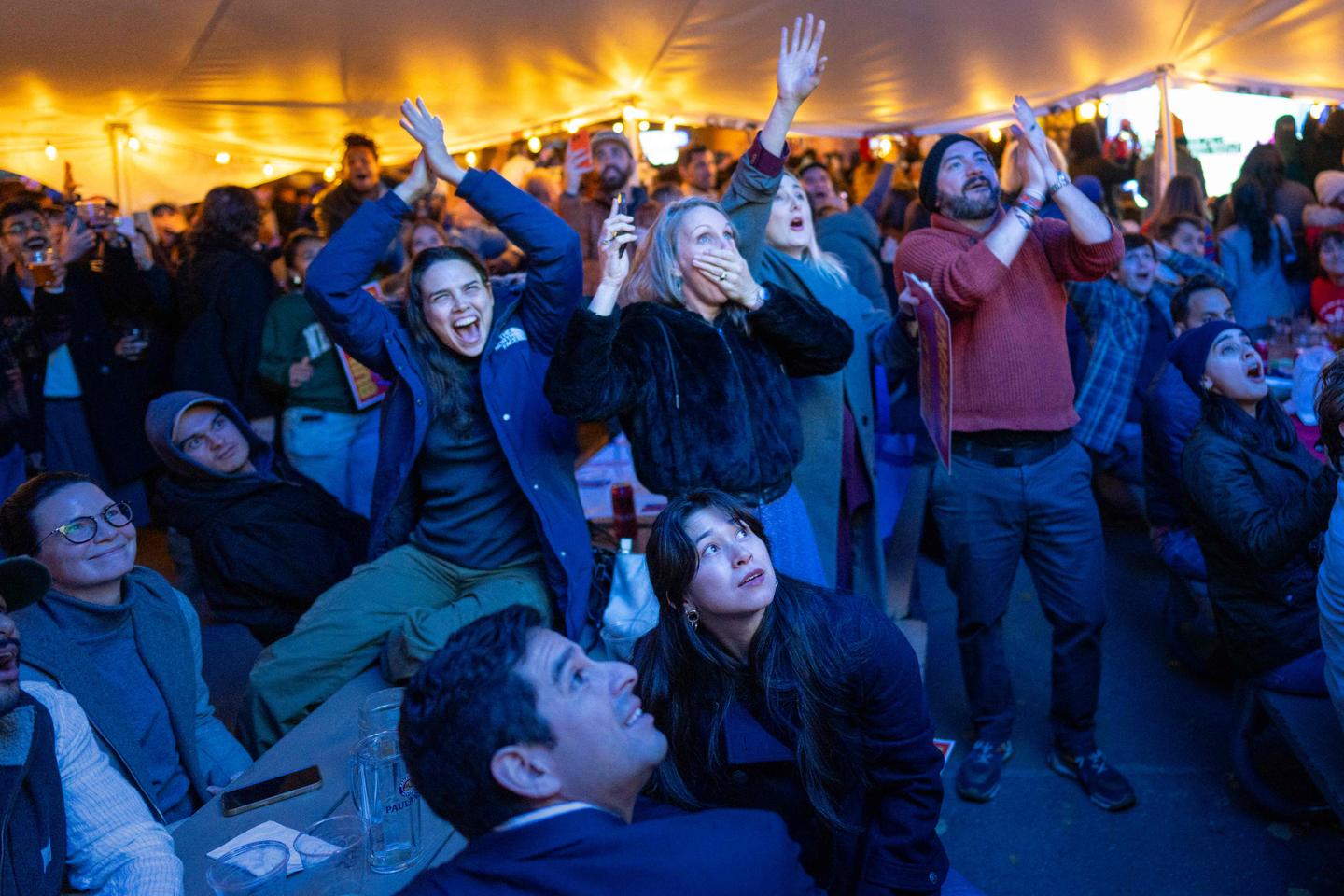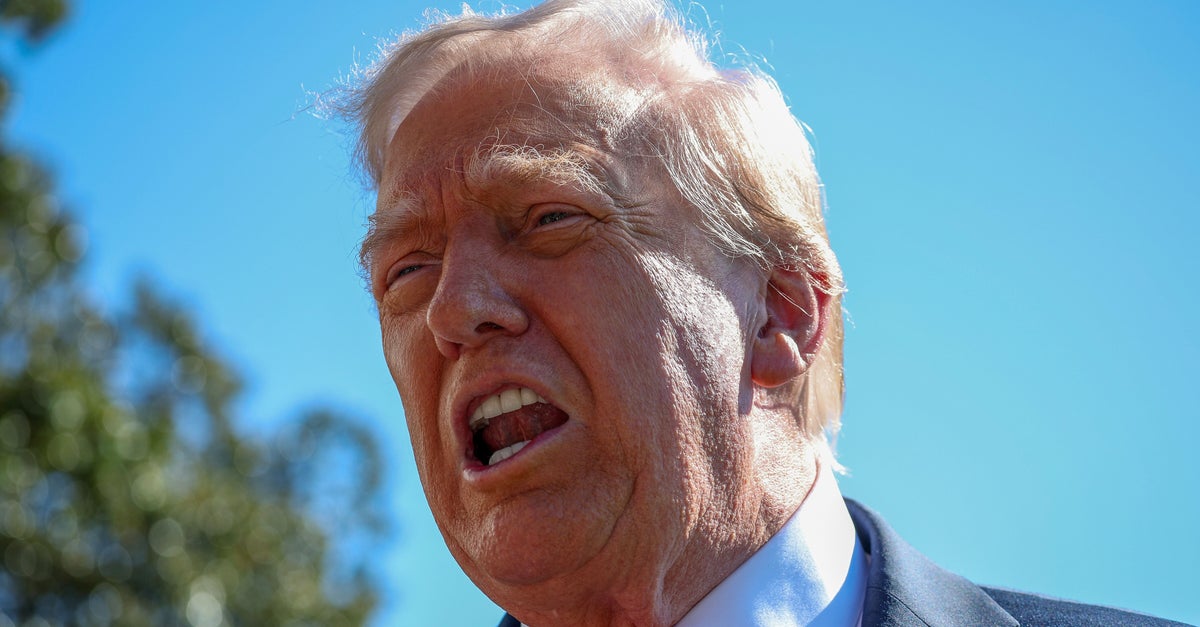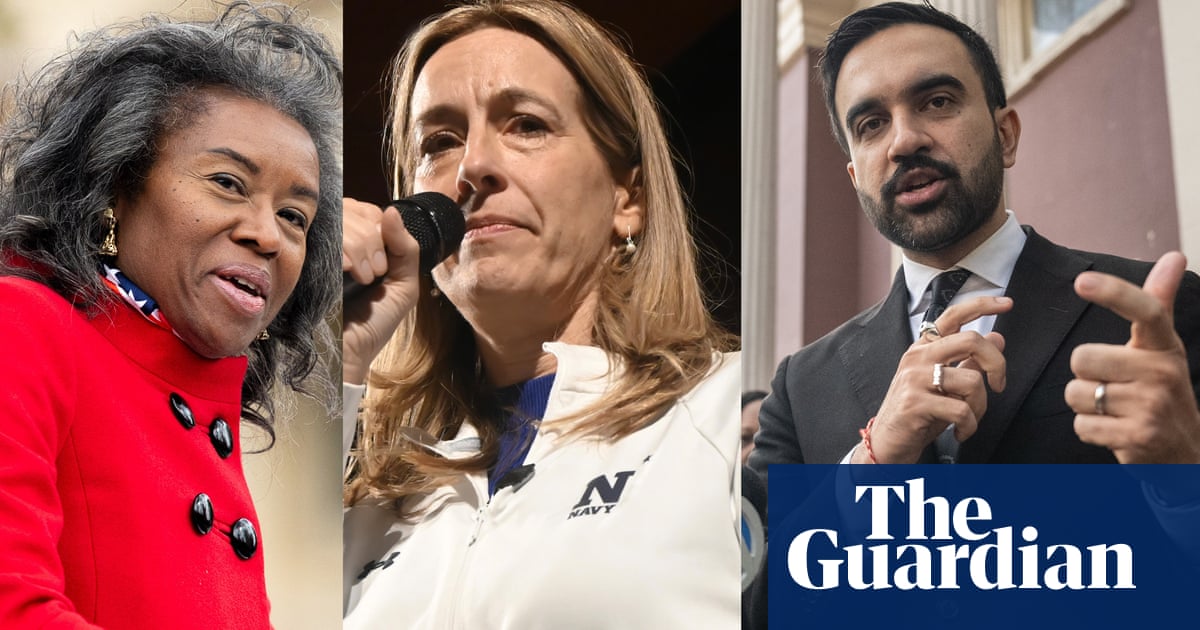
onald Trump had a rough evening on Tuesday, November 4. In every election held in the United States that day, whether for governor in Virginia and New Jersey, mayor of New York, Supreme Court judges in Pennsylvania, or a redistricting referendum in California, the results clearly favored the Democratic Party. The gains the Republicans had made among Latino and African American voters just a year earlier were abruptly erased.
Subscribers only
From California to New York, elections give Democrats a breath of fresh air
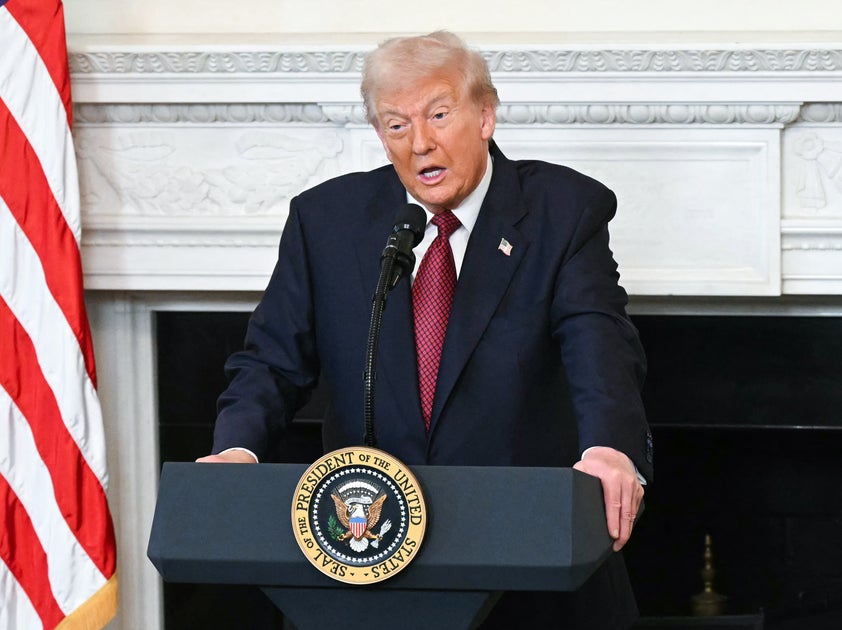
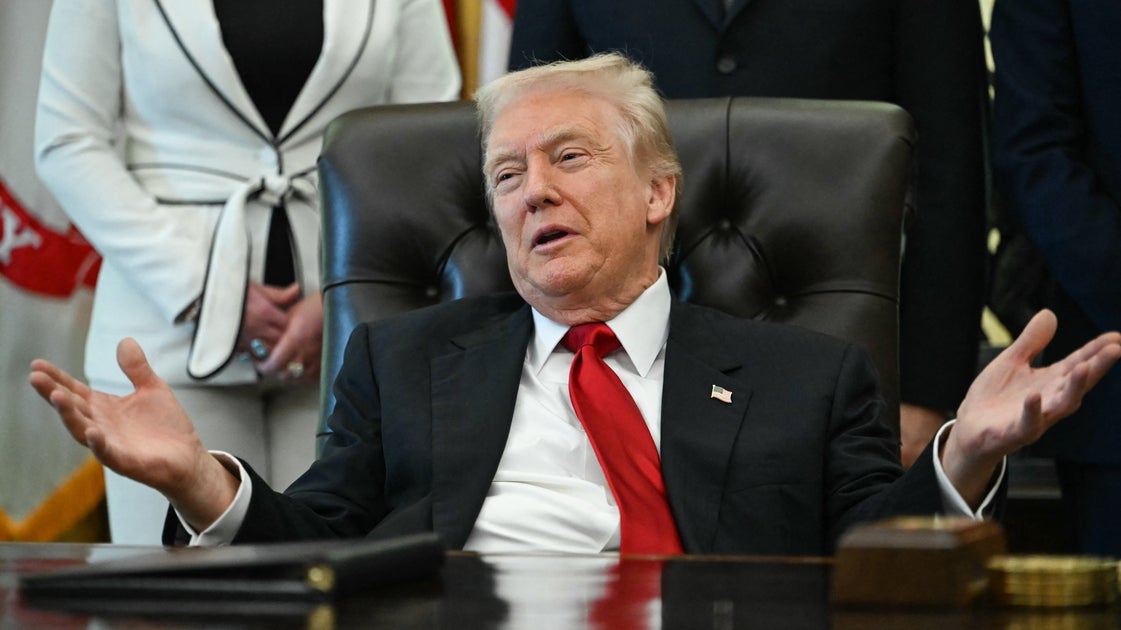
Although Trump's name was not on the ballot – a fact he was quick to point out in an effort to shift blame for the losses onto others – it was his limit-defying approach to governing and the consequences of his decisions that were soundly rejected. With the current federal government shutdown now the longest in US history, Republican candidates were clearly held responsible at the polls, rather than the Democrats, even though the latter had initiated the standoff to defend health insurance against proposed budget cuts.
The following day brought no relief for the US president. On Wednesday, November 5, the Supreme Court justices, who were examining the constitutionality of the tariffs central to his term, did not all appear convinced by the arguments put forth by the legal expert tasked with defending them. The stakes were high: The entire structure would collapse like a house of cards if the country's highest court were to ultimately rule that these tariffs are a tax paid by the consumer, a power reserved exclusively for Congress. The fallout would be devastating for the president's image.