F
or over a decade, the BRICS have taken a series of steps showing their increasing determination to reduce dependence on the dollar-dominated international financial system. The Fortaleza Summit in 2014 marked the beginning of this process with the grouping taking the initiative of setting up financial institutions to meet not only their needs but also of other developing countries. The New Development Bank, the BRICS’ development bank, and the Contingent Reserve Arrangement, their lender of last resort, was the first time developing countries had established financial institutions, until then, the exclusive preserve of advanced countries.
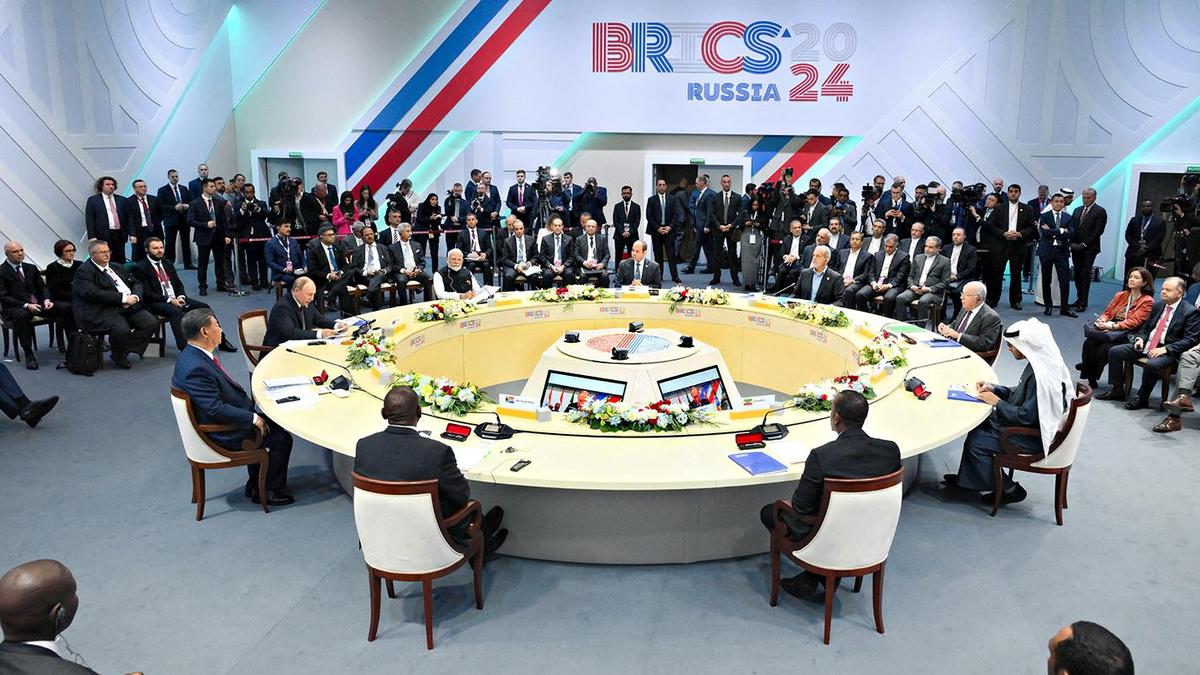
The following year, after the imposition of Western sanctions on Russia for deployment of its troops in Crimea, the BRICS grouping decided to explore the potential of expanding the use of their national currencies in inter se transactions. In 2017, the grouping agreed to communicate closely to enhance currency cooperation, including through currency swap, local currency settlement, and local currency direct investment. At the turn of the decade, the grouping agreed to set up the BRICS Payments Task Force to develop systems to facilitate transactions between member countries. This step seemed to come together at the Kazan Summit in 2024 wherein BRICS leaders underscored the importance of “strengthening of correspondent banking networks within BRICS and enabling settlements in local currencies in line with BRICS Cross-Border Payments Initiative”.