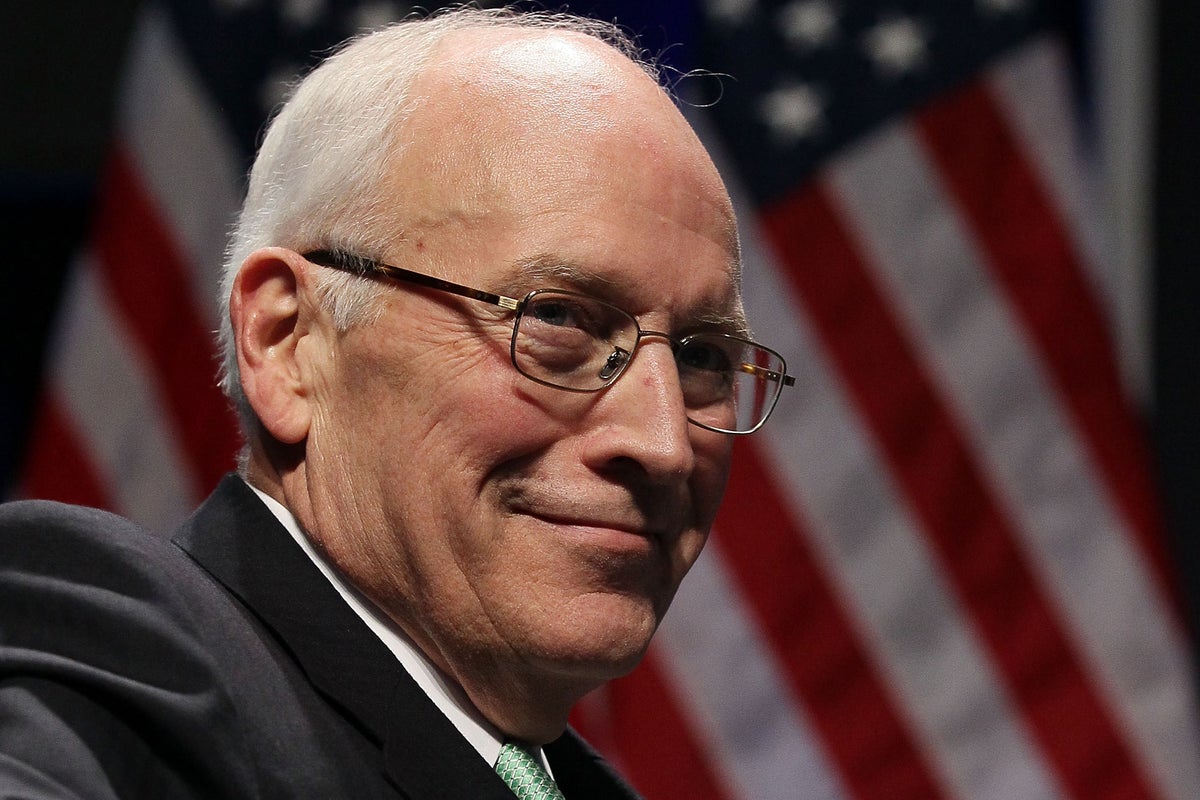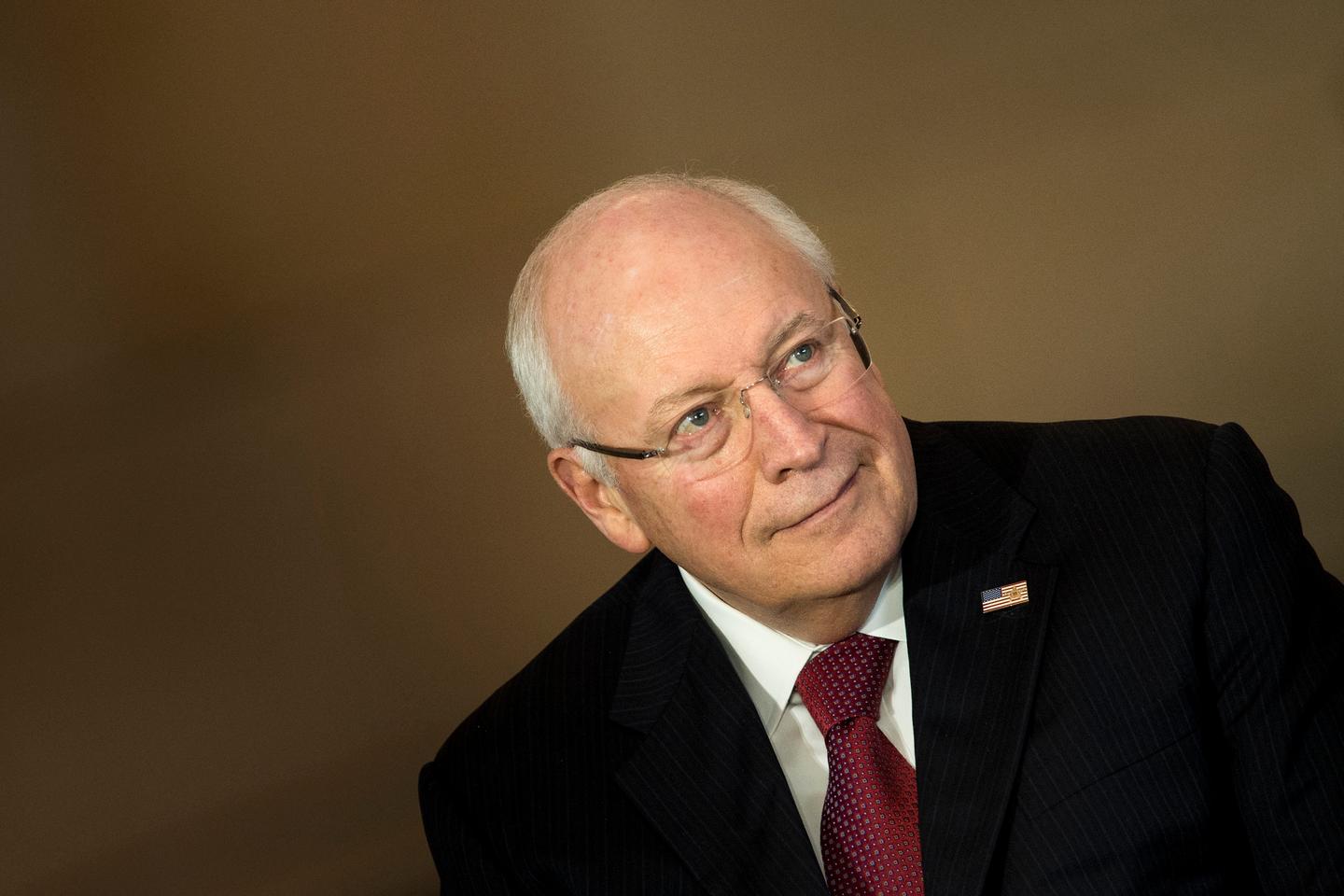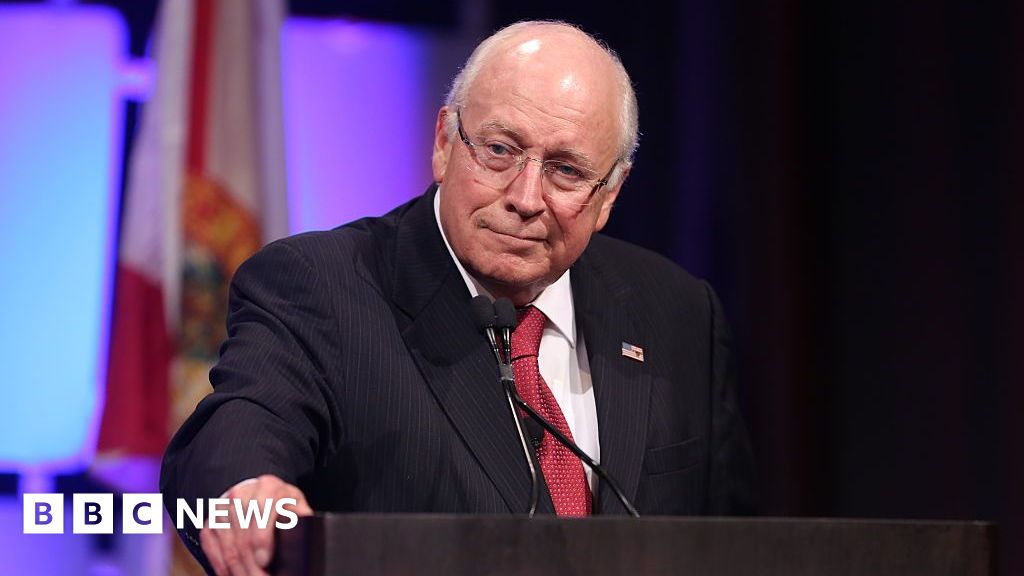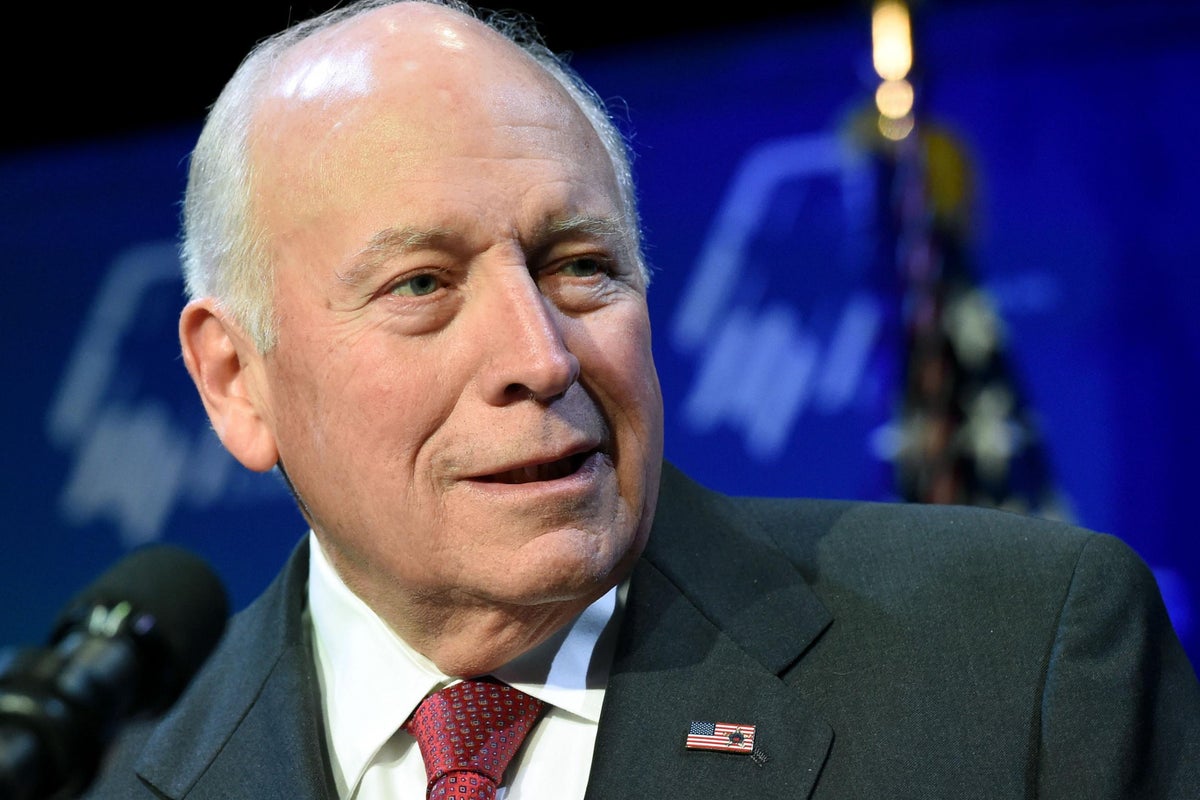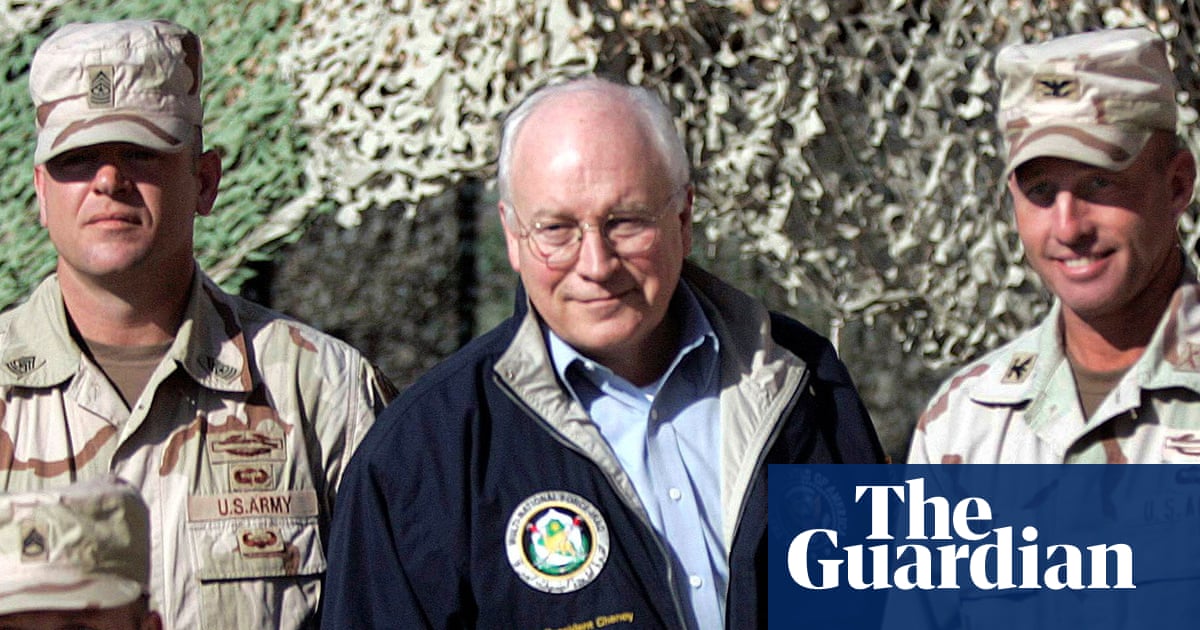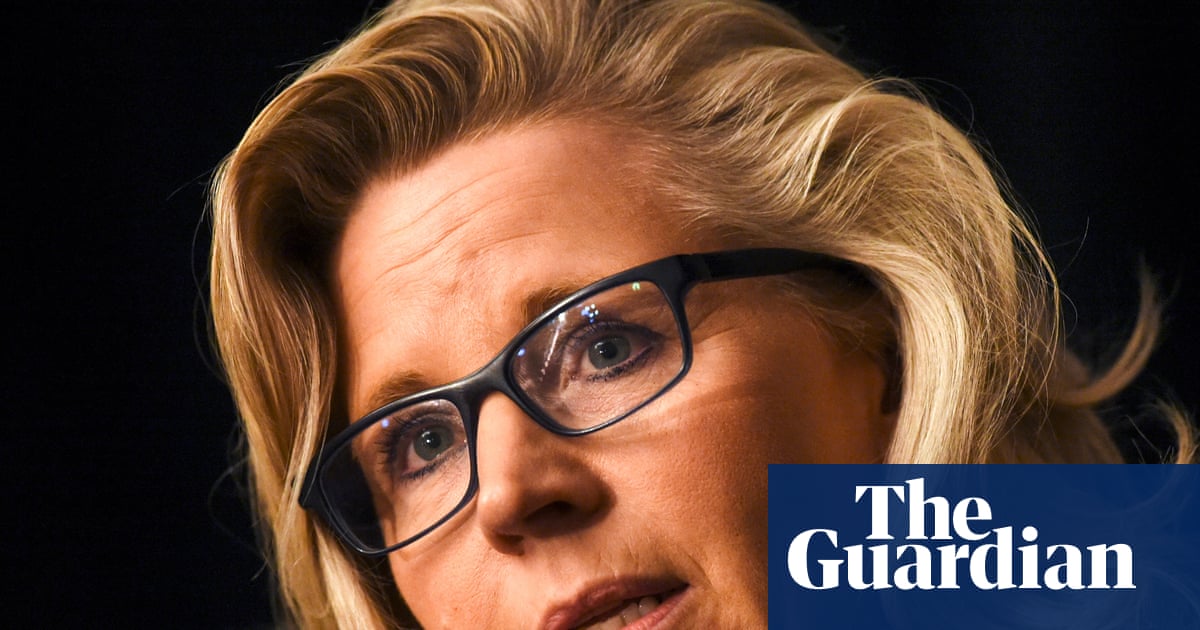
Though their neoconservative vision may seem less relevant since Bush left office, signs of the Cheneys’ influence linger in Trump’s administration
Weeks before one of America’s best-known businessmen, Donald Trump, was sworn in as president on an overcast day in Washington DC, a different politician with a similarly familiar name took her oath of office elsewhere in the Capitol.
Liz Cheney was then both a freshman congresswoman from Wyoming and a stalwart of the neoconservative philosophy espoused by her father Dick Cheney, the former vice-president under George W Bush who died on Monday. Trump had repudiated Bush’s invasion of Iraq in his campaign for president, but the congresswoman nonetheless went on to become an ally in bending Republican lawmakers to his will.
It was only after the January 6 insurrection that Cheney broke with Trump, making what turned out to be a lonely stand against his dominance of Republicans that wound up ending her political career. The then-former president orchestrated her ouster, first from Republican leadership, then from the House of Representatives entirely. Liberals would lionize Cheney for her defiance as an emblem of the “good Republicans” they long hoped would one day expel Trump from the party, even though she never broke with her conservative Republican politics.