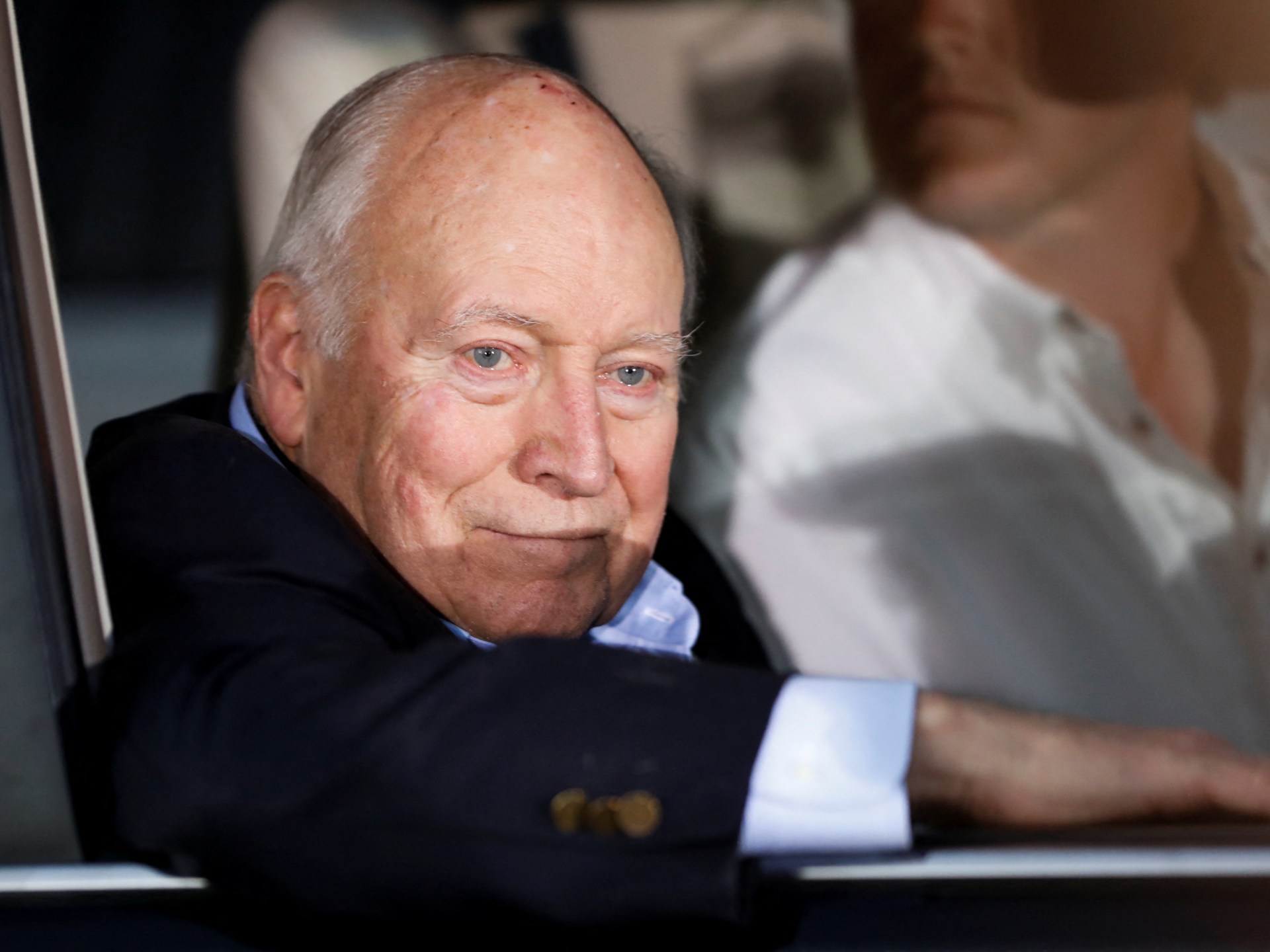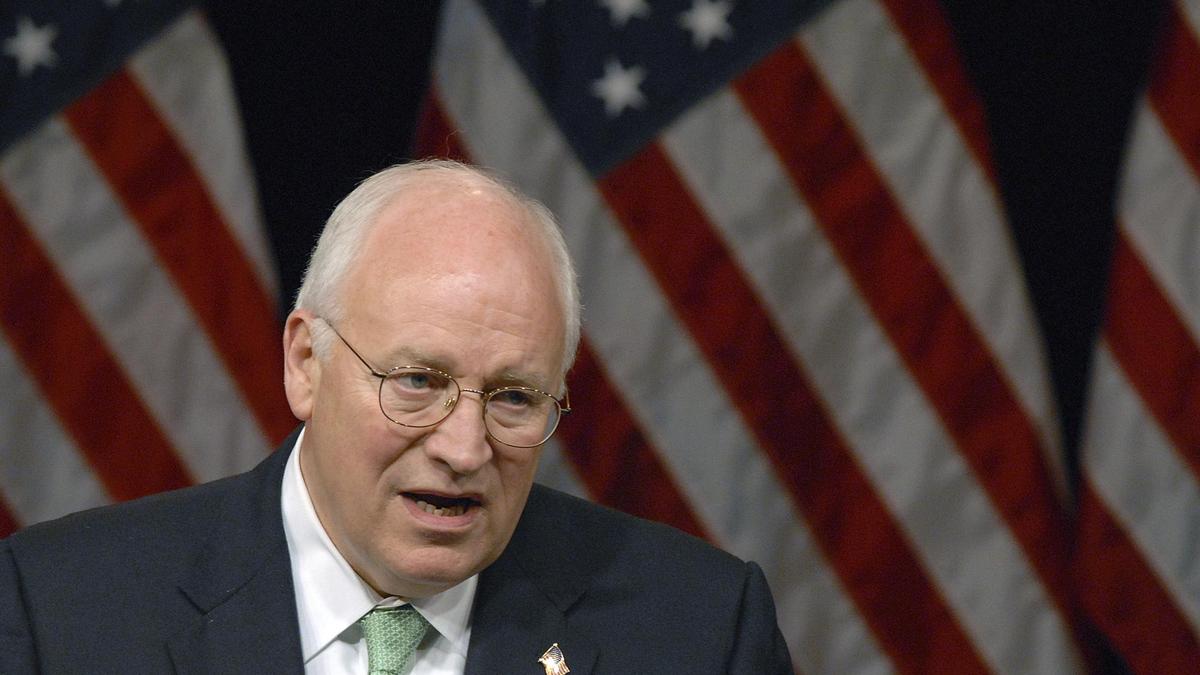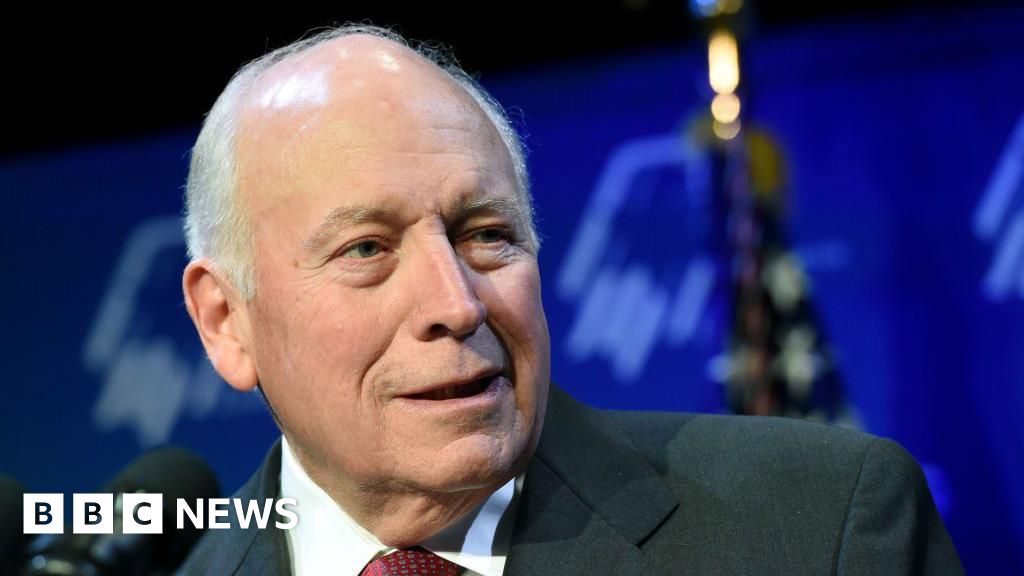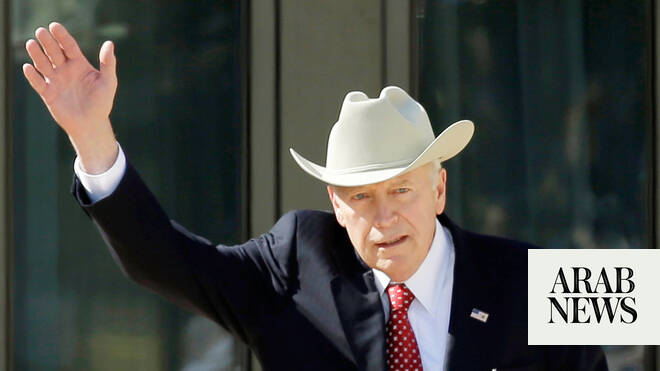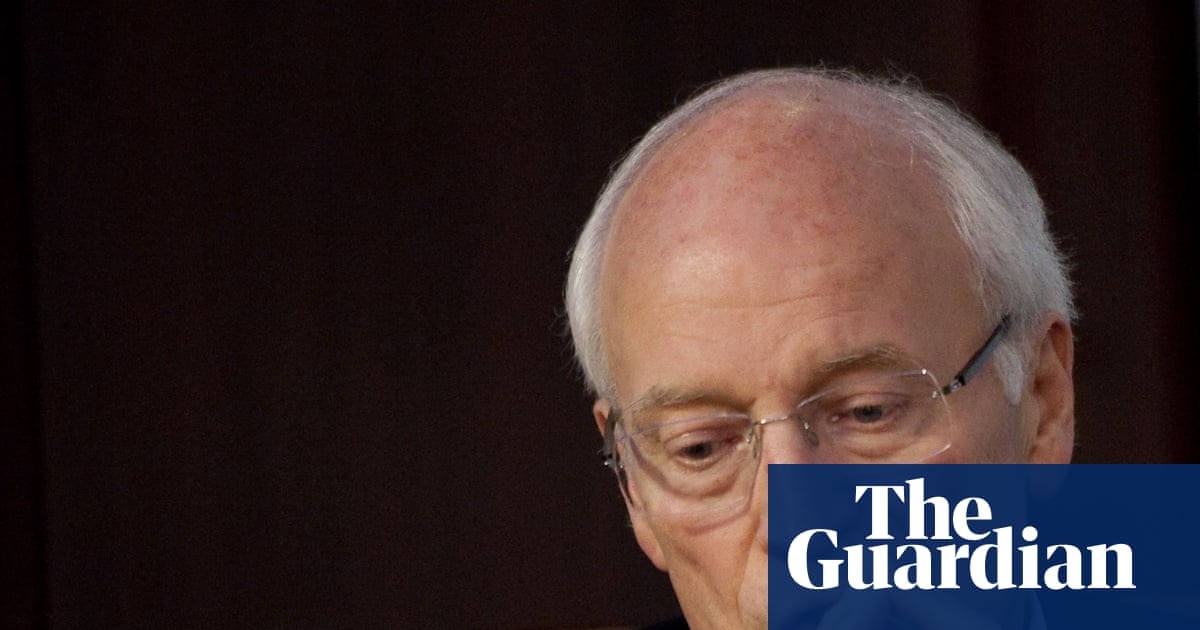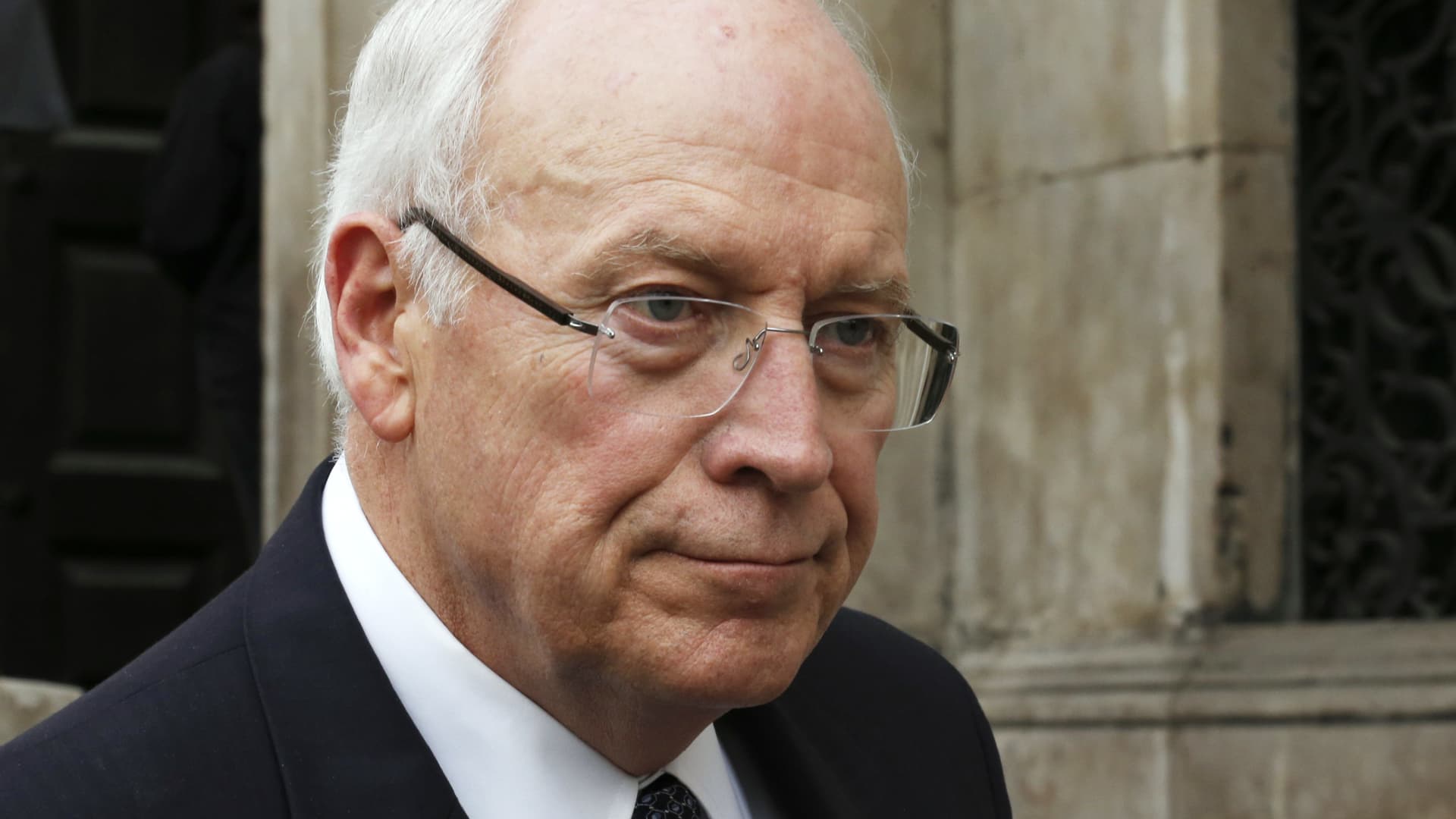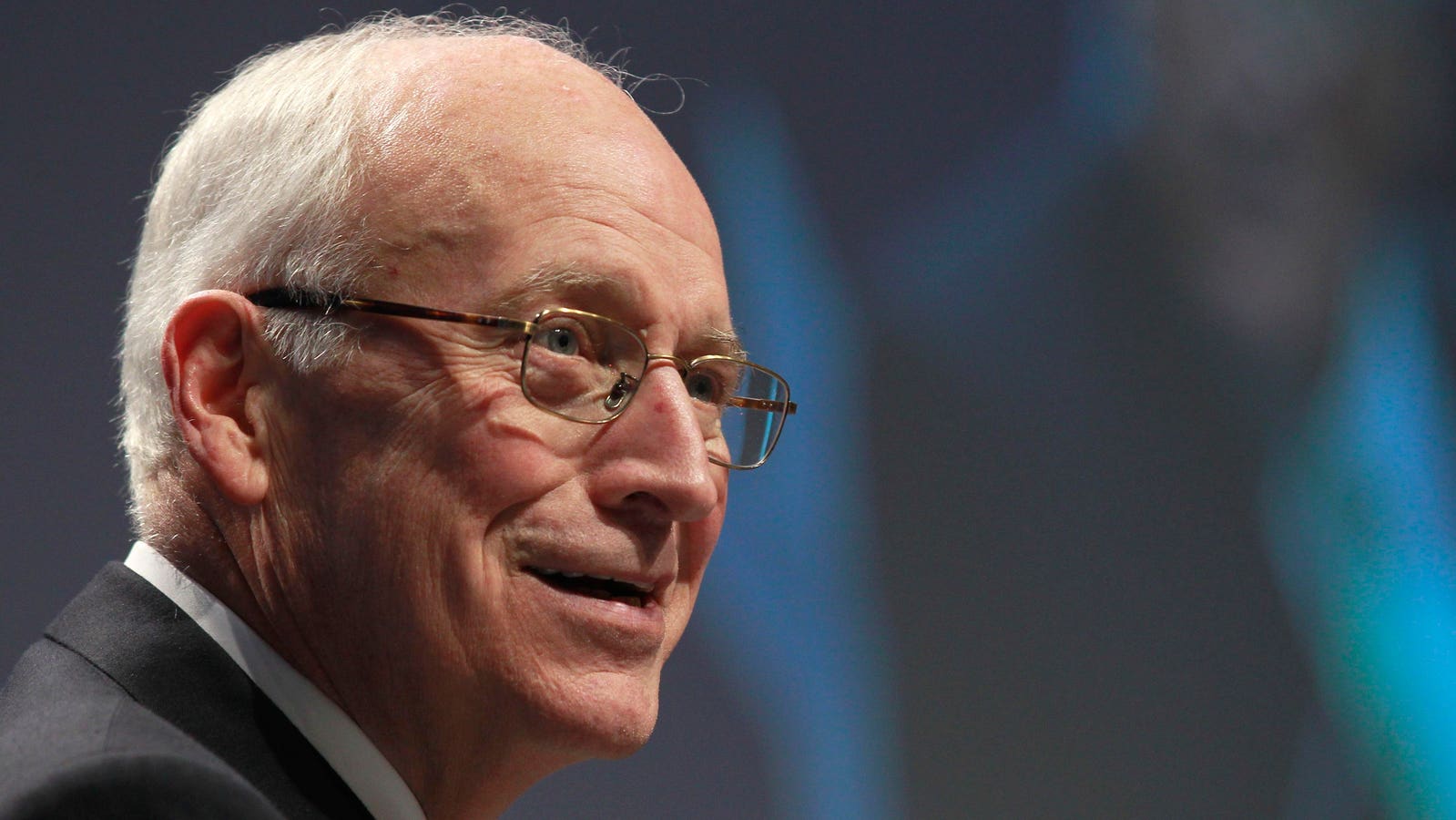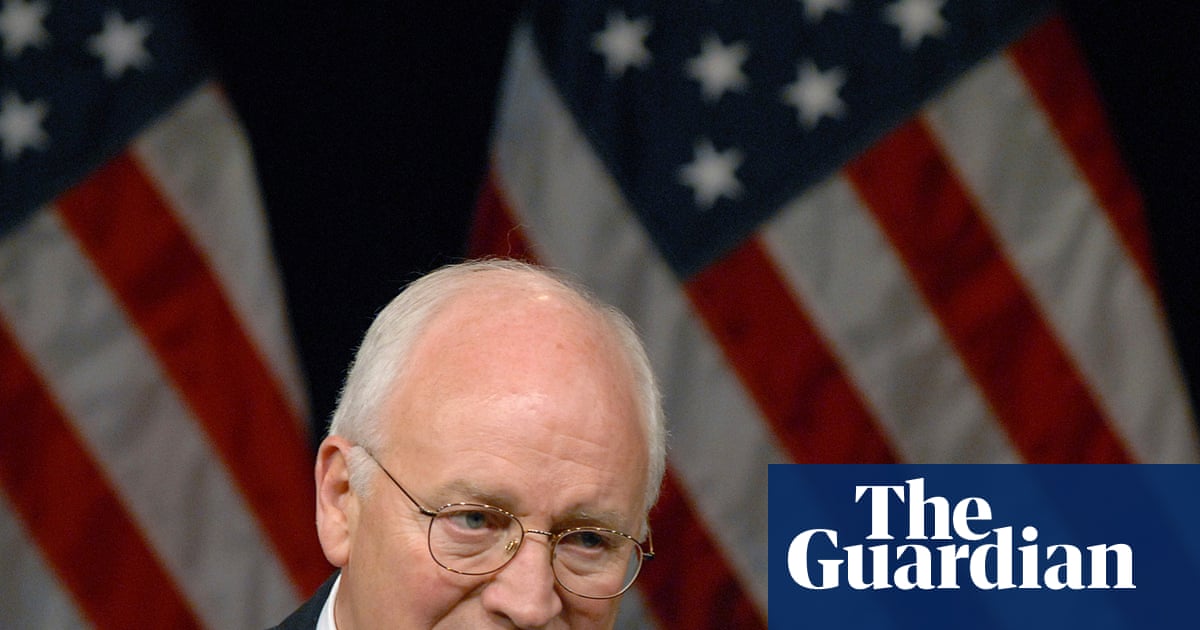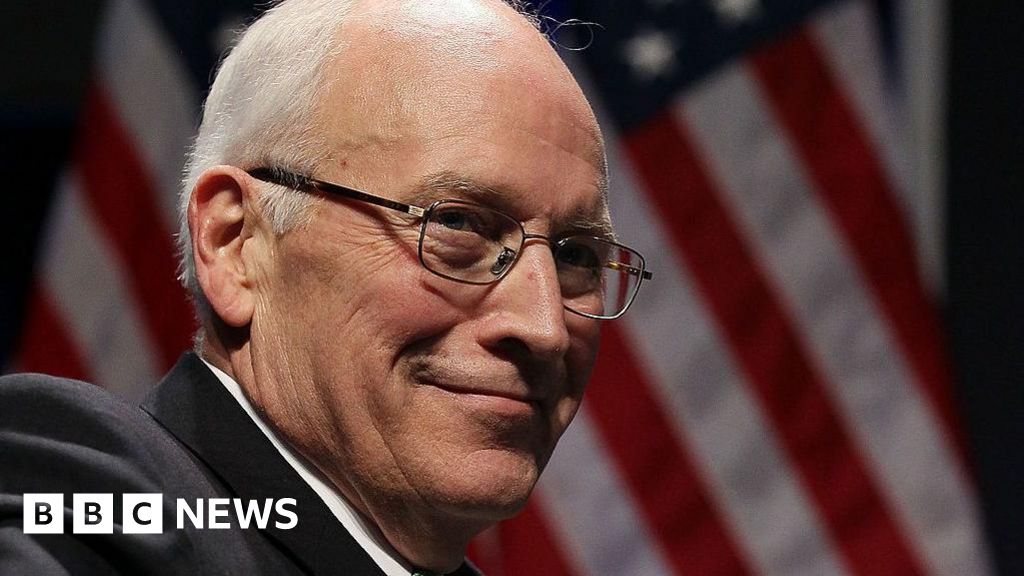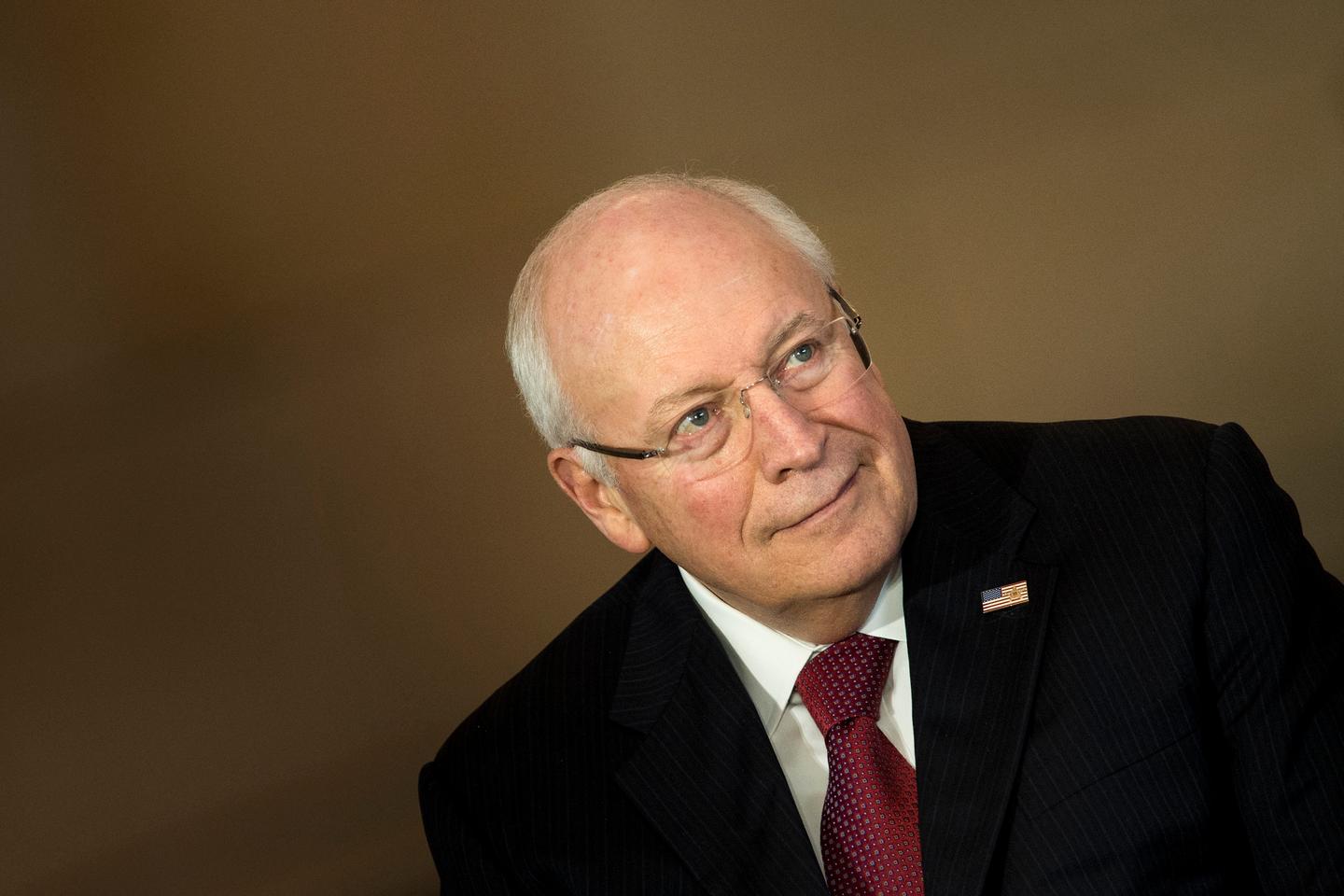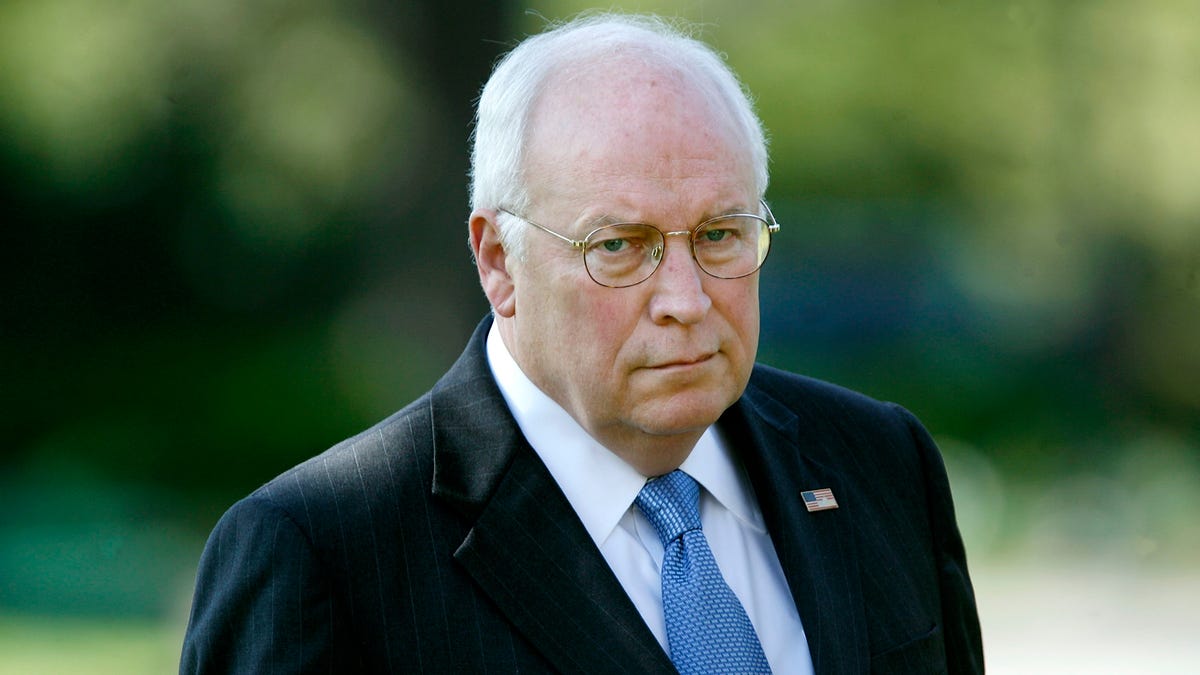
WASHINGTON – He was the most powerful and the most controversial vice president in American history.
Richard Bruce Cheney was a laconic one-time college dropout who found his place in Washington, moving to the capital as a congressional fellow and rising in short order to become White House chief of staff for President Gerald Ford, a Wyoming congressman in the House Republican leadership and wartime secretary of Defense for the elder President George H.W. Bush.
Then, for eight years as vice president for the younger President George W. Bush, Cheney acted as no second-in-command had before — directing the presidential transition, devising policy on energy and leading a concerted administration effort to restore and expand executive authority from what he saw as congressional incursion.
Cheney, 84, died surrounded by family members on the evening of Nov. 3, of complications of pneumonia and cardiac and vascular disease, according to a statement from the Cheney family. It called him "a great and good man who taught his children and grandchildren to love our country, and to live lives of courage, honor, love, kindness, and fly fishing."
More: Former Vice President Dick Cheney, a war hawk who served three GOP presidents, dies