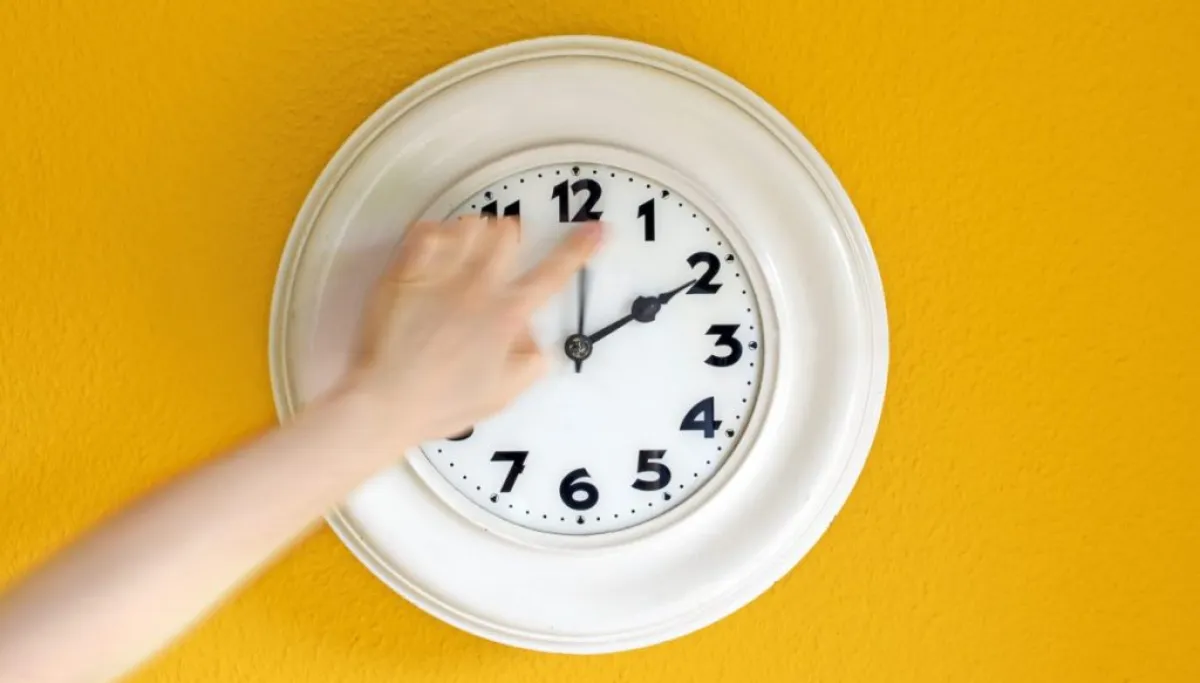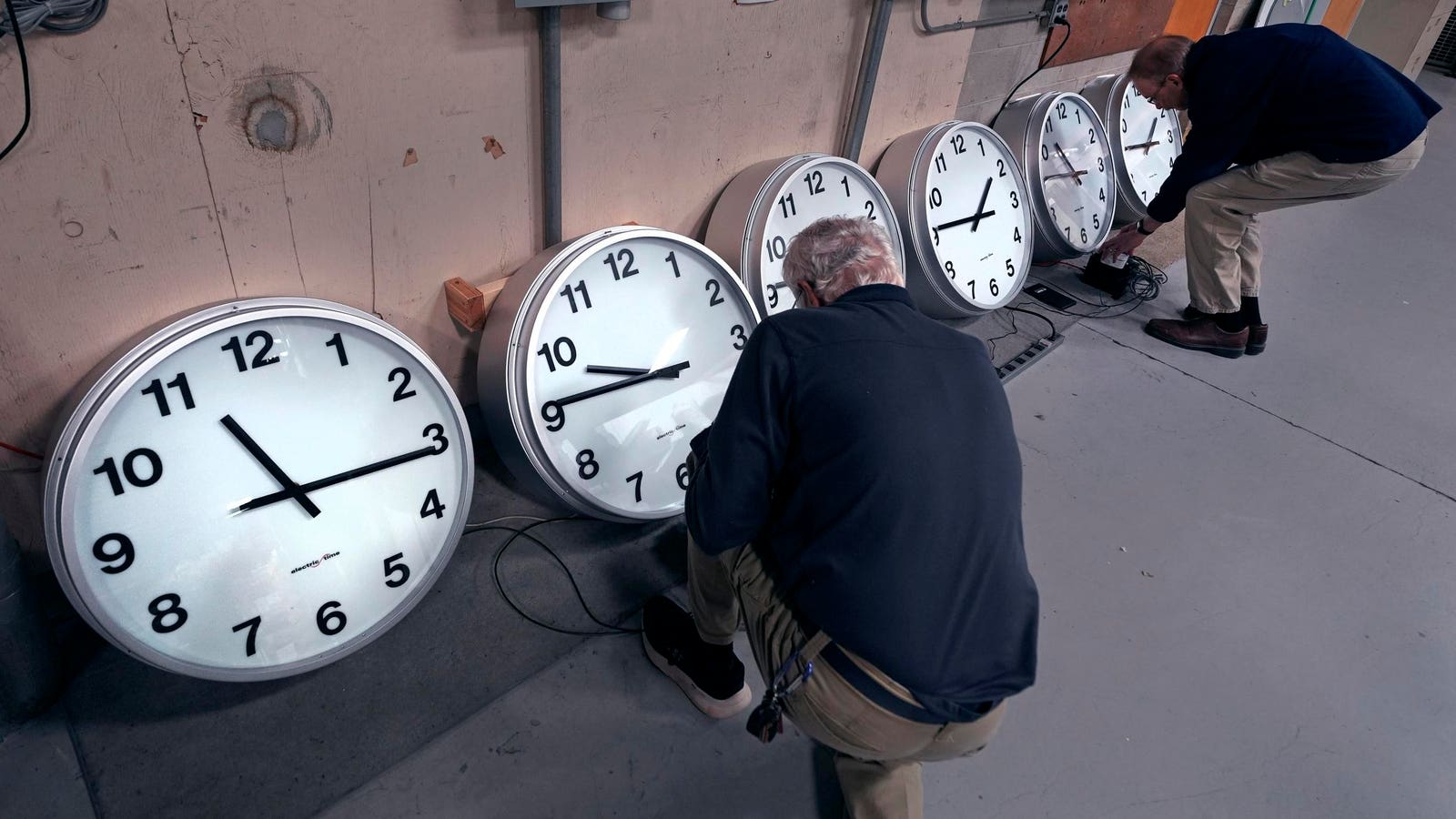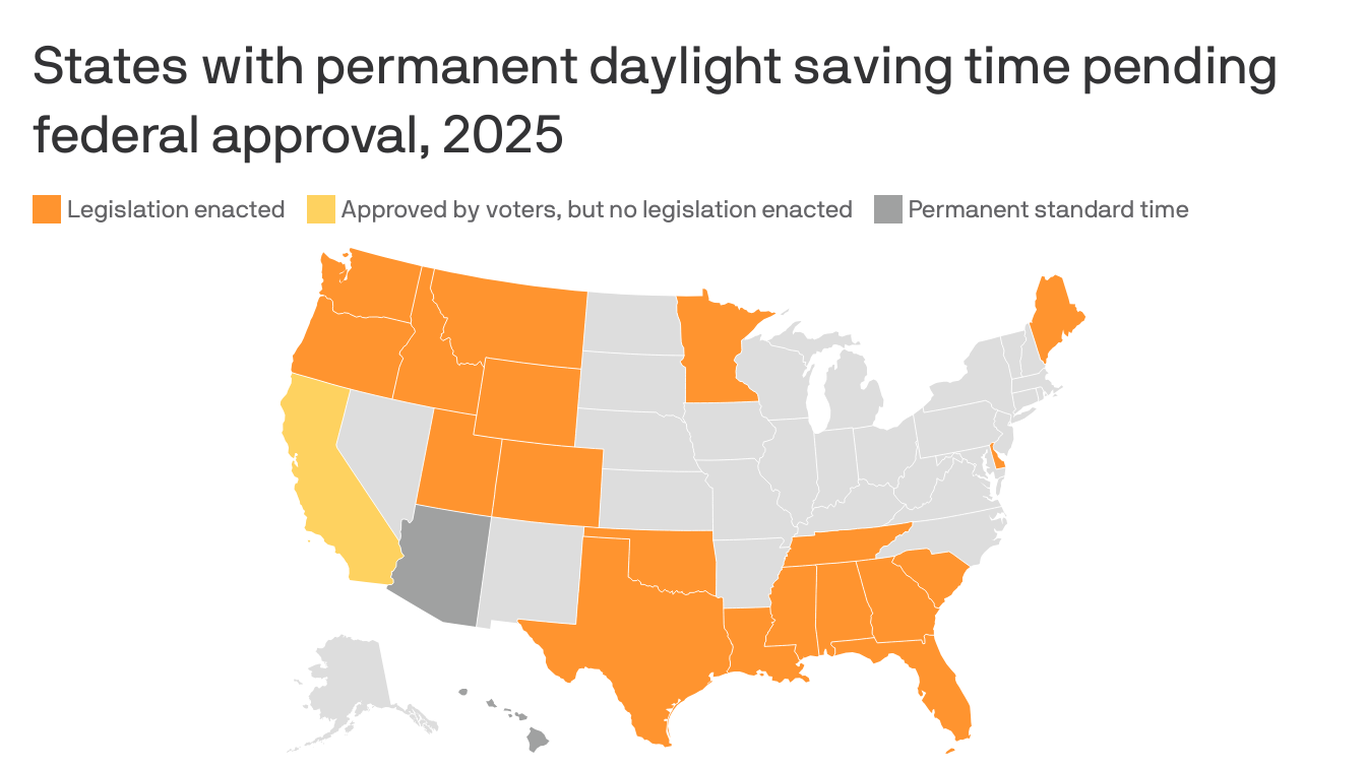
Call me an idealist, but I like to imagine someday my grandchildren will be baffled when I tell them about daylight saving time, and how the clock used to change twice a year. “That’s so wild, Grandma,” they’ll say before switching on their AI neural implants, or whatever other technological horrors will exist by then.Daylight saving time (DST) was first established in Germany during the first world war as an energy-saving measure – more hours of daylight in the evening meant less coal was needed for fires. Other countries including the UK and the US soon followed suit.But why does it still exist? Only about a third of countries practice the biannual time shift, most of them in Europe and North America. And it’s not wildly popular in those countries. A 2025 Gallup poll found that 54% of Americans say they’re ready to scrap the practice, and a 2025 survey by Travelodge found 57% of Brits are ready to get rid of it as well. People are divided on what should take its place, though – in the US, 48% of Americans say they would rather keep permanent standard time, while a 2024 YouGov survey shows 59% of Brits would rather keep permanent summer time, or daylight saving time.For sleep experts, however, there is no question as to which time is preferable.“What matters most to our long-term health is aligning our societal clocks with human biology,” says Dr Natalie Dautovich, senior research fellow at the National Sleep Foundation (NSF), and associate professor at Virginia Commonwealth University. “Standard time best matches our natural circadian rhythms and the sun’s timing.”A number of professional medical organizations, including the NSF, the American Academy of Sleep Medicine (AASM) and the British Sleep Society (BSS) have all advocated for permanent standard time.So as we prepare to “fall back” into standard time, here’s what you need to know about the health effects of our biannual time change.What is daylight saving time?For those who might be blissfully unaware: in the spring, countries that practice daylight saving shift their clocks forward by one hour. The date varies from country to country: in the UK, it’s the last Sunday in March; in the US, it’s the second Sunday in March. This means that everyone loses one hour of precious sleep; if you typically wake up at 7am, for example, waking up the morning after the clock shift will feel like waking up at 6am.Daylight saving time lasts for roughly eight months, until the clocks shift back to standard time in the fall. This occurs on the last Sunday in October in the UK, and the first Sunday in November in the US.When does daylight saving time end in 2025?In the US, DST ends on Sunday 2 November, and starts again on Sunday 8 March 2026.In the UK, DST ended on Sunday 26 October, and starts again on Sunday 29 March 2026.What are the health risks of daylight saving time?“The sun is the potent regulator of our internal clock, [also known as] our circadian rhythm,” says Dr Anita Shelgikar, professor of neurology at the University of Michigan Medical School, and president of the AASM.The brightness of the sun in the morning signals to our bodies that it’s time to wake up and be alert, and the darkness in the evening tells our bodies that it’s time to wind down and go to sleep.During standard time, our internal clocks, the sun and clock time are all more or less aligned. But during DST, our bodies get confused by the mismatch between the environment and our internal clock, Shelgikar explains: the darker mornings make it more difficult to wake up, and brighter evenings make it more difficult to go to sleep.This disruption can have serious health effects, including sleep disturbances and a rise in health issues like heart attacks and strokes, says Dr Pablo Castillo, neurologist and sleep medicine expert at the Mayo Clinic in Jacksonville, Florida.The day after clocks “spring forward” is especially dangerous, he adds: “Both sleep loss and circadian misalignment can lead to nonrestorative sleep, motor vehicle accidents, increased cardiovascular events, and an upsurge in hospital admissions.”Indeed, one 2020 study found that the shift to DST led to a 6% spike in traffic accidents – possibly due to groggy, sleep-deprived drivers.How can one adapt to the time change?Fortunately, as it’s autumn, we’re headed into an easy transition – we get to sleep in for an hour and realign our internal clocks with the sun. “There is no evidence of harm when we go back to standard time,” says Castillo.Come spring, the shift will be more disruptive. But there are some things you can do to make it less painful. Dautovich suggests:
When does daylight saving time end and how do I adapt?
Experts explain how to reset your body clock and why permanent standard time makes sense
1,239 words~6 min read