Fitzwilliam Museum has uncovered student’s work from 1977 that revealed Cambridgeshire location of child’s burial place
An A-level pupil found the lost grave of the Black abolitionist Olaudah Equiano’s daughter, revealing a story of love and solidarity in 18th-century rural England.
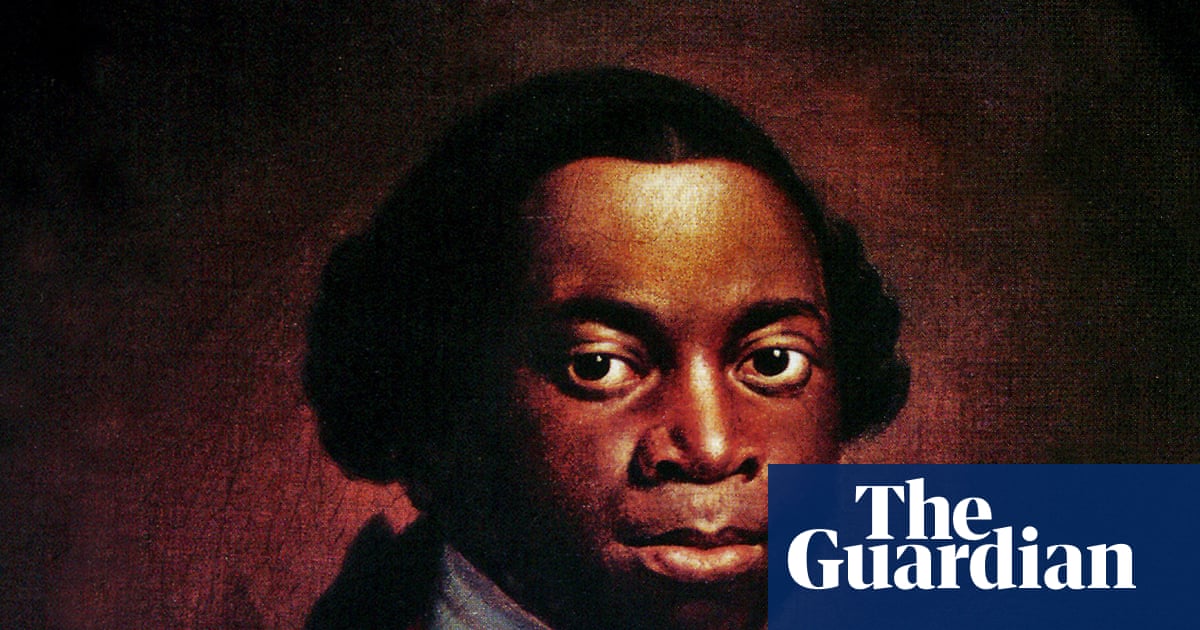
Olaudah Equiano (1745-1797), also known as Gustavus Vassa, escaped enslavement to become a celebrated author and campaigner in Georgian England. His memoir, The Interesting Narrative of the Life of Olaudah Equiano, or Gustavus Vassa, the African, was a bestseller.
His book tour brought him to Cambridgeshire, where he would marry and have two children with Susannah Cullen, an Englishwoman from Ely. They settled in Soham, supported by a local network including abolitionist friends, safe at a time when reactionary “church and king” mobs were targeting reformers.
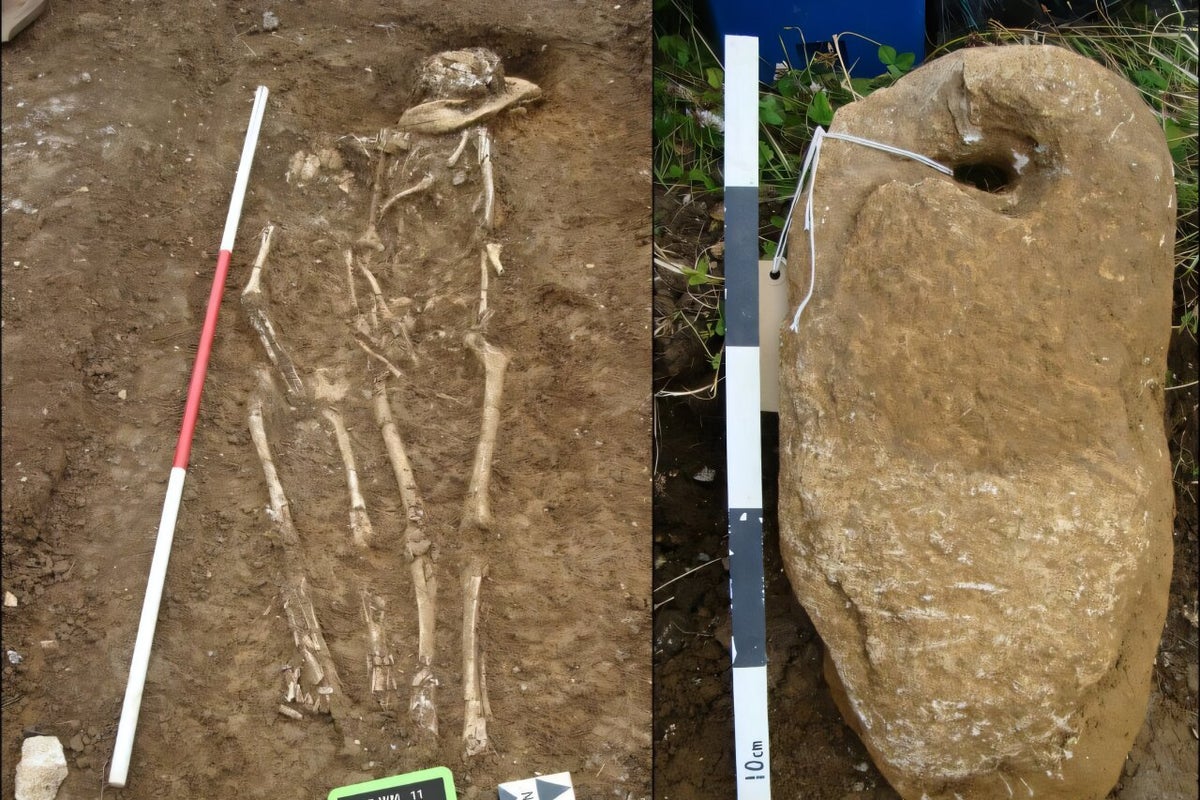
The couple’s first daughter, Anna Maria Vassa, died when she was three and the exact location of her grave was lost to time.