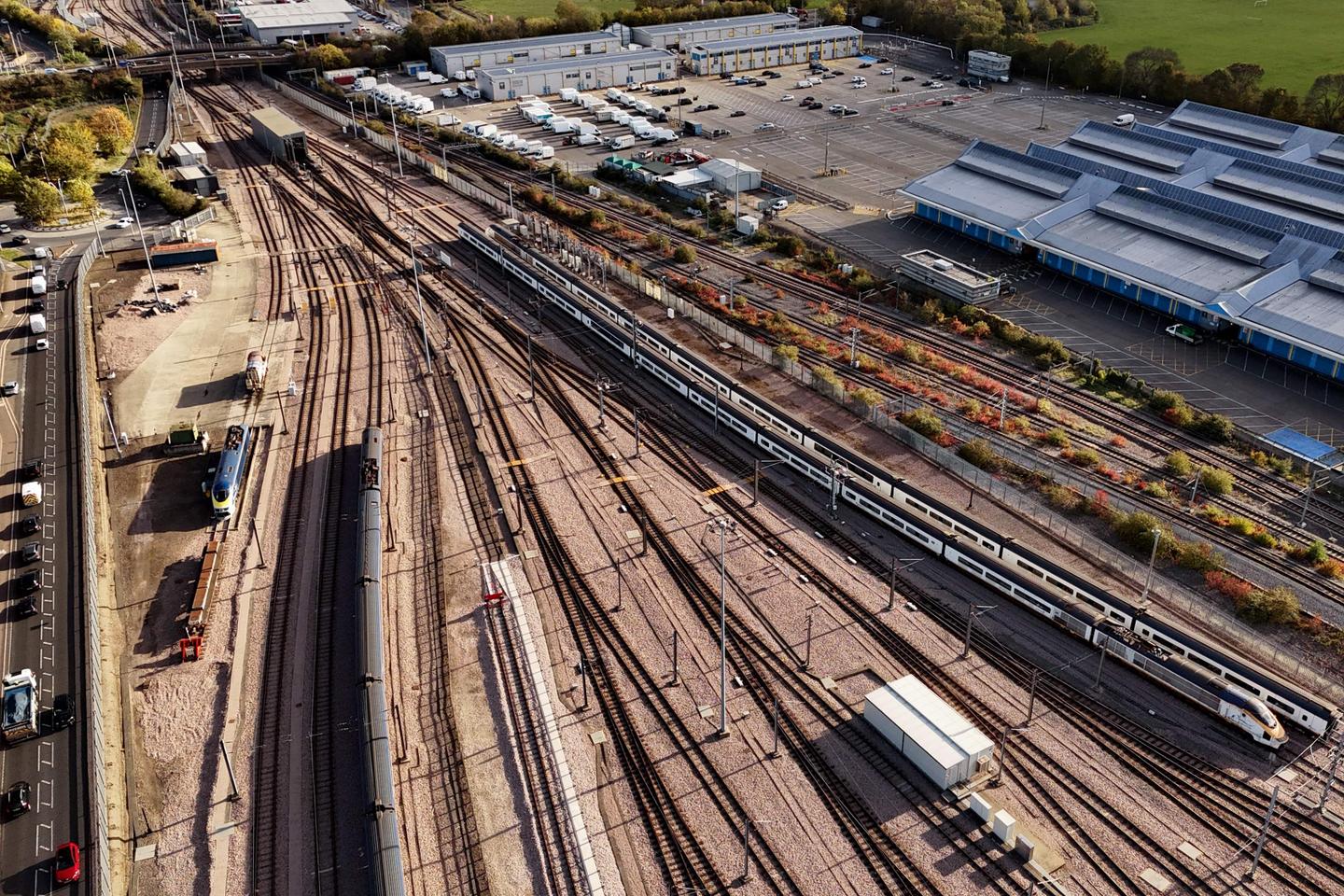
The Temple Mills International rail depot, northeast of London, October 27, 2025. YELIM LEE / AFP
W
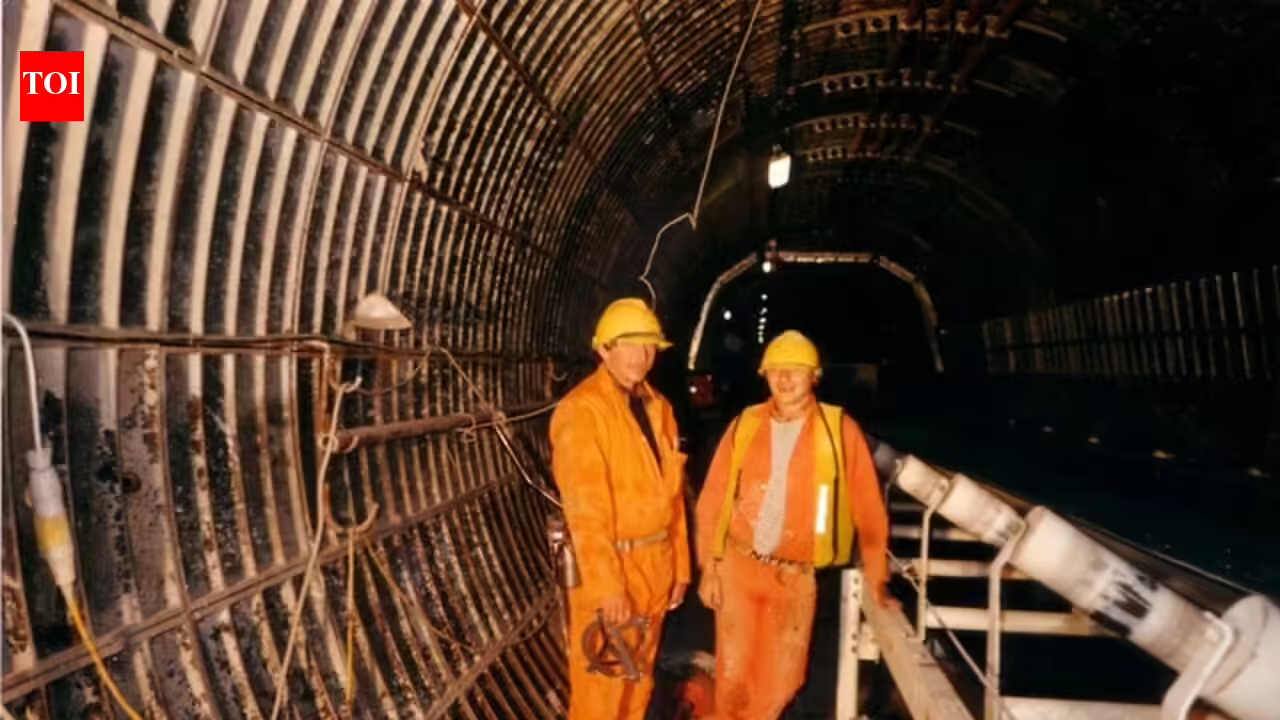
hen it comes to the rail link between France and the United Kingdom, many might have thought that the hardest part was boring the Channel Tunnel. It took six years of intense effort to build this colossal infrastructure. Yet, it took more than thirty years after that before Eurostar, the only operator serving the route, finally faced the prospect of competition. And where was the key to unlocking this de facto monopoly? Apparently, in a London depot.
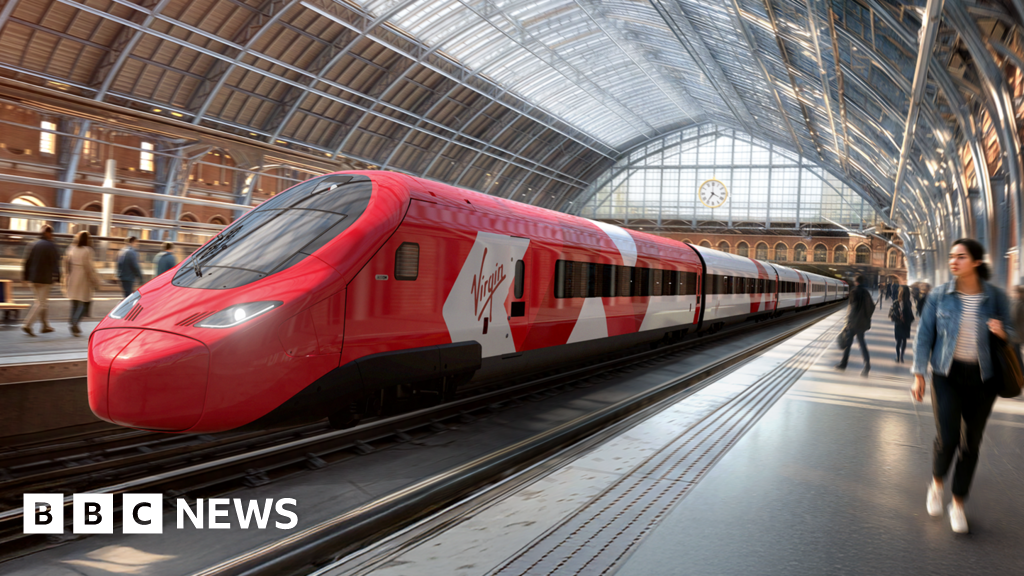
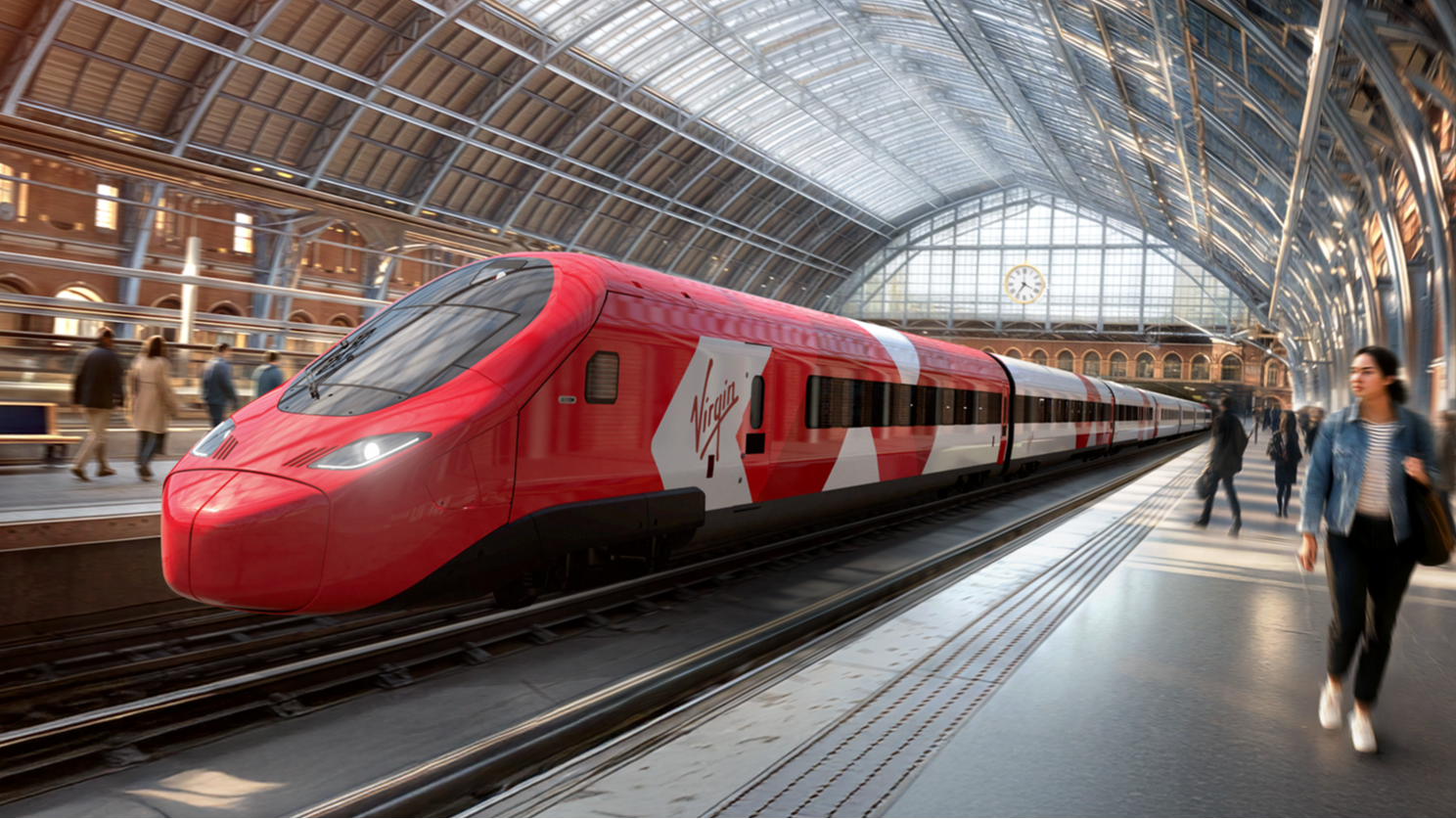
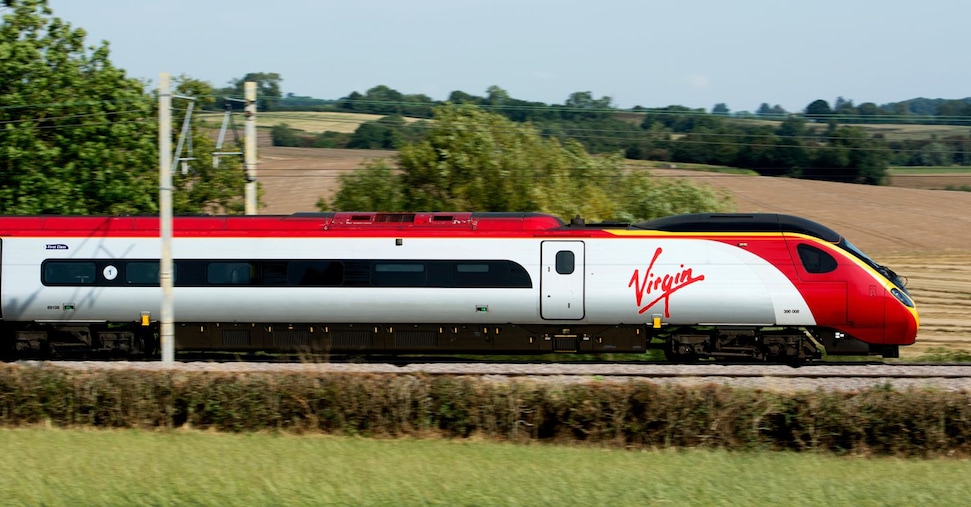
Eurostar passengers were surprised on Thursday, October 30, to find London's St Pancras station decked out in Virgin's colors. Just hours earlier, the British regulator had given preliminary approval for the British operator to compete with Eurostar on the cross-Channel route. Travelers, however, will have to wait at least until 2030 before they can board a Virgin train on the Paris-London or London-Brussels lines.
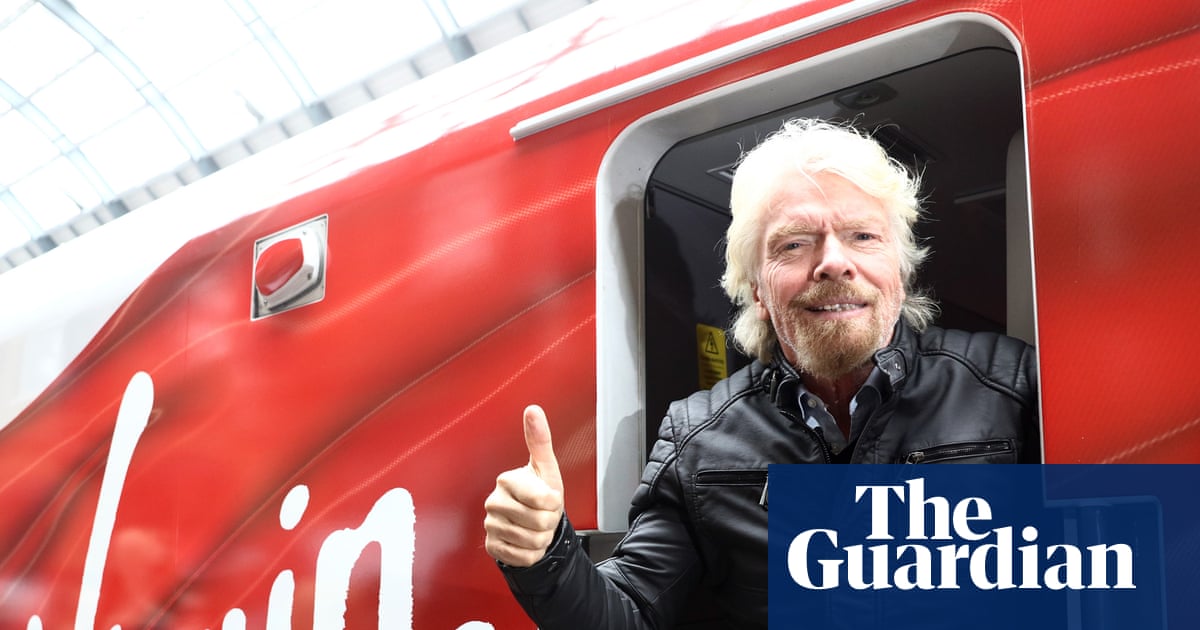
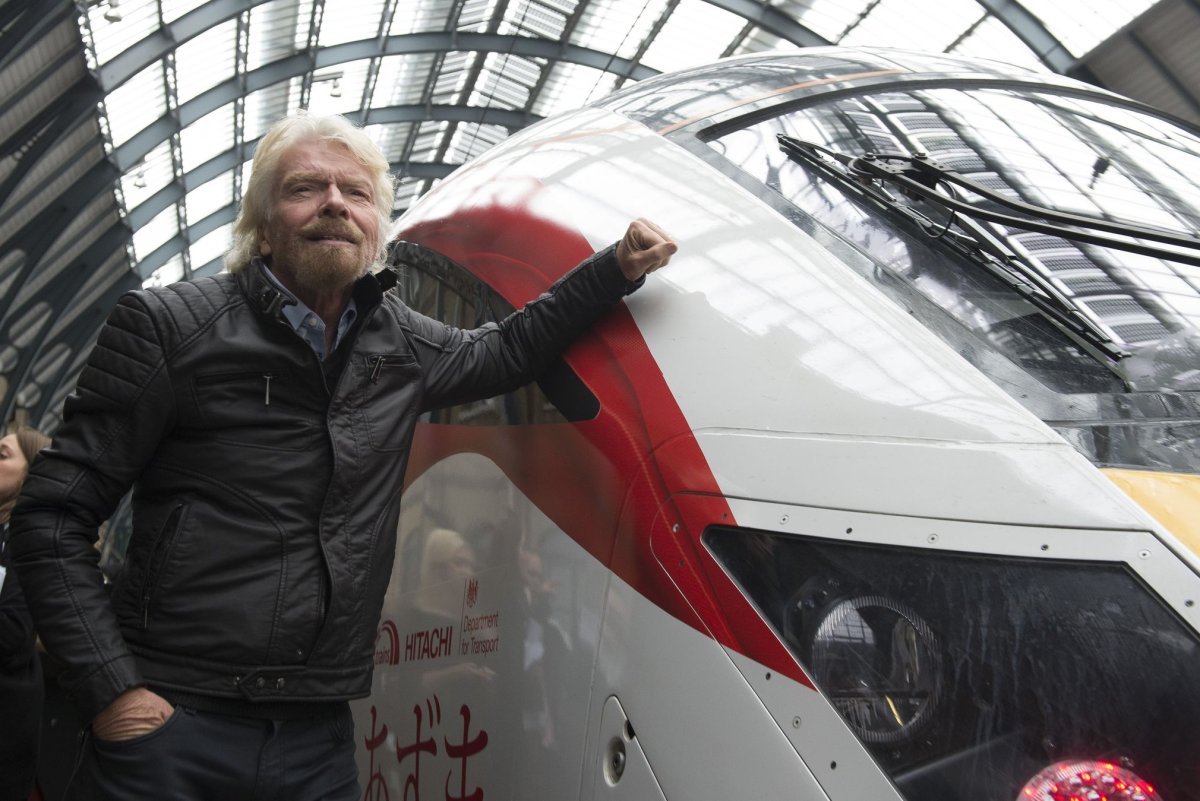
"It's time to end this 30-year monopoly," said British entrepreneur and founder of Virgin Richard Branson. Indeed, the prospect of a new competitor is excellent news for travelers, who may hope to see ticket prices fall in the long run, as well as for low-carbon mobility. Since 1994, Eurostar, which is majority-owned by the SNCF (Société Nationale des Chemins de fer Français, France's national railway company), has been the only train operator carrying passengers through the Channel Tunnel. But unlike the SNCF, Eurostar has never been protected by a regulatory monopoly. The reality was simply that no rival stepped forward.