The world said ‘never again’ after Darfur’s genocide. Yet it stood by as catastrophe loomed
N
o one can claim they did not know what would happen in El Fasher. An 18-month siege had already seen war crimes by the Rapid Support Forces, including the execution of civilians and sexual violence. Warnings of the massacres that would follow when the city in Darfur fell – as it did on Sunday – were widespread.
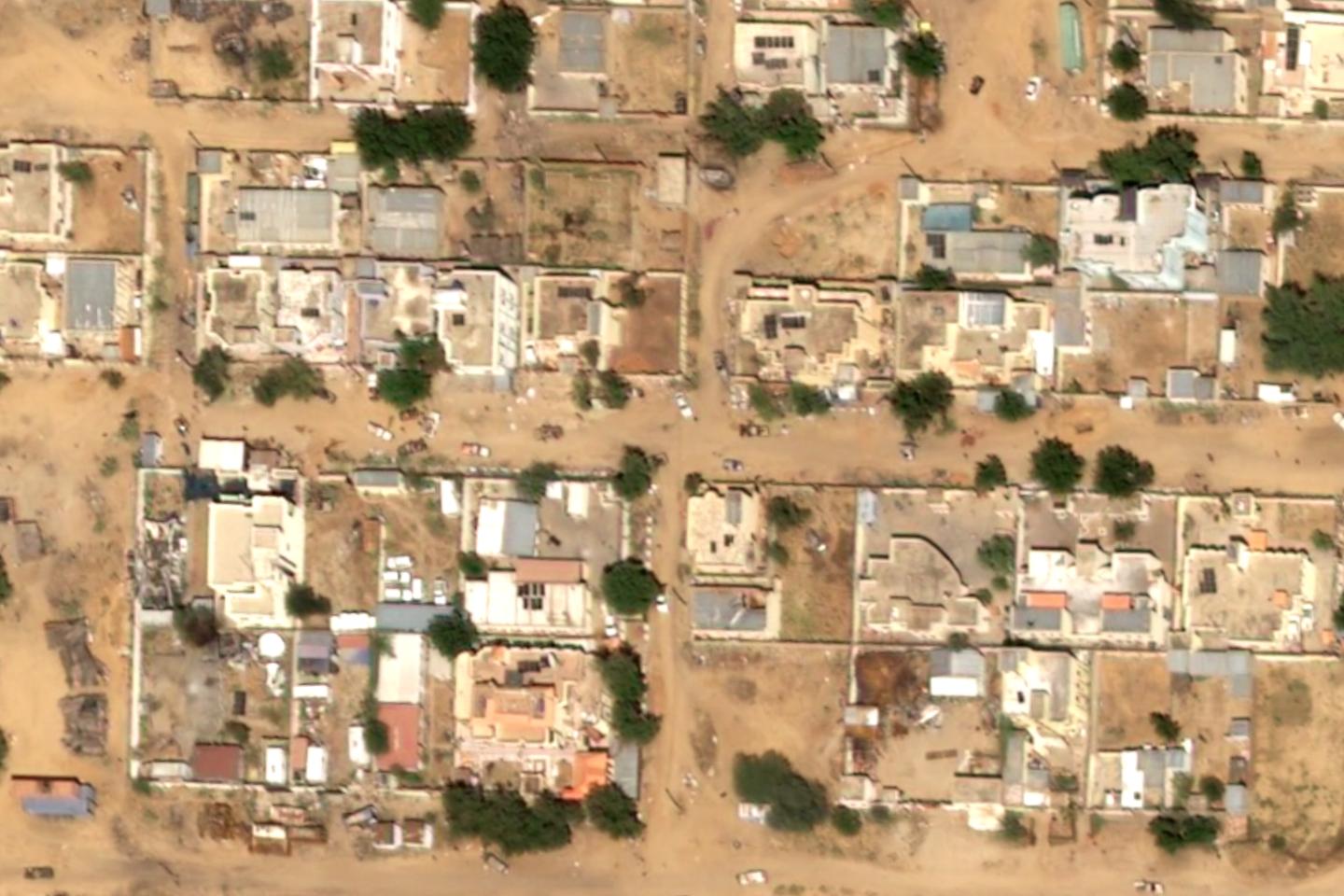
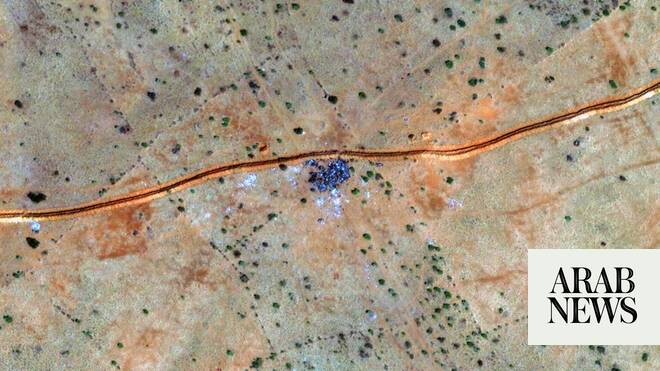
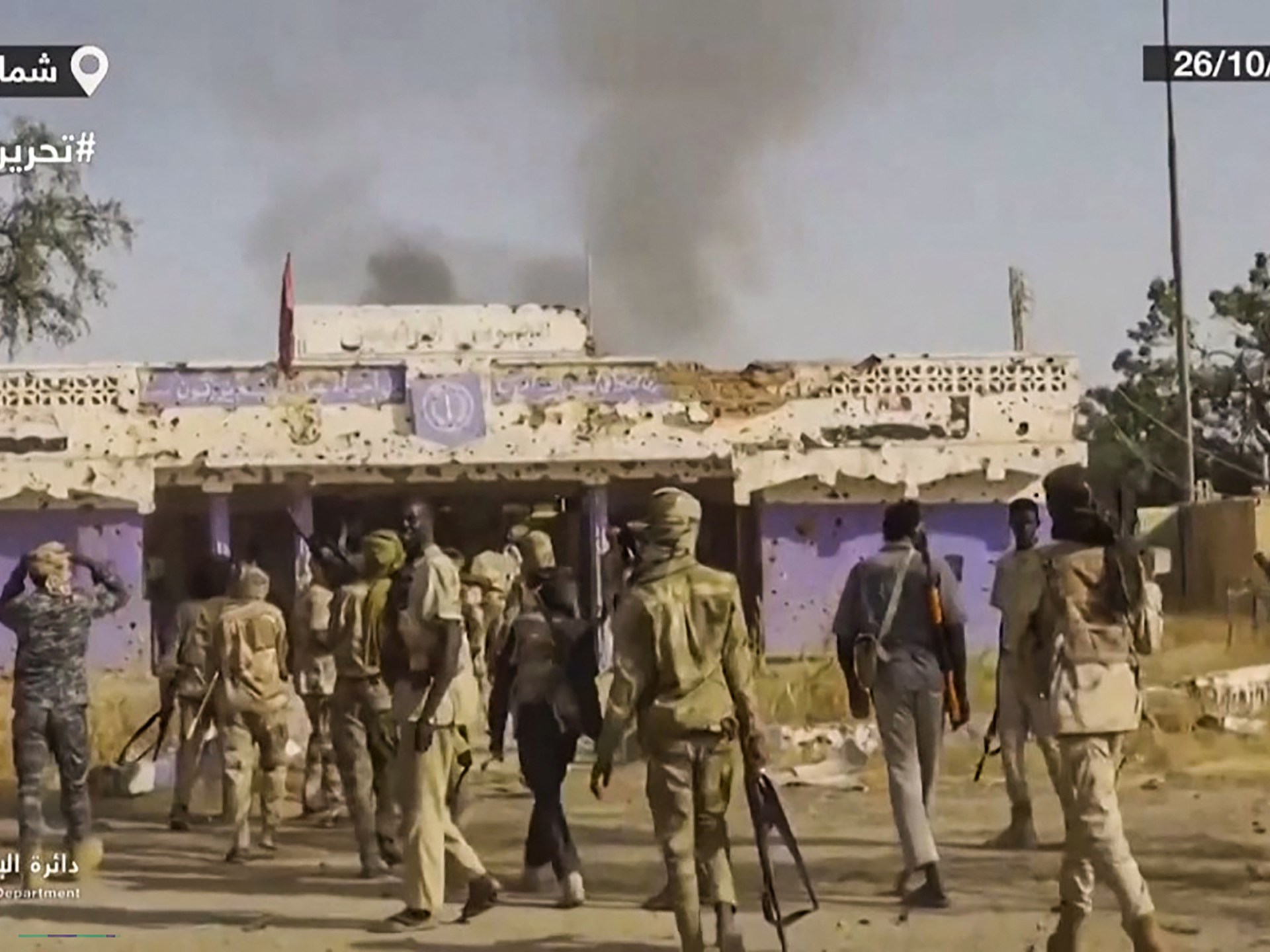
The reality was an even darker hell, in the words of UN officials. The World Health Organization says that the RSF killed 460 people in one hospital. Satellite images appear to capture bloodstains on the ground. Footage showed fighters executing unarmed men. Other captives were taken for ransom. The UN says hundreds of civilians and unarmed fighters were raped or killed while trying to flee the city, with clear evidence of ethnically targeted violence. The horrors continue.
The RSF grew out of the Janjaweed forces, which, unleashed by the Sudanese military government, committed genocide against non-Arab populations in Darfur two decades ago. “Never again,” the world insisted. But it has happened again. No one believes the RSF’s promises to hold fighters accountable are anything more than cosmetic. Meanwhile, the UN response plan for the world’s largest humanitarian crisis is little more than a quarter funded.