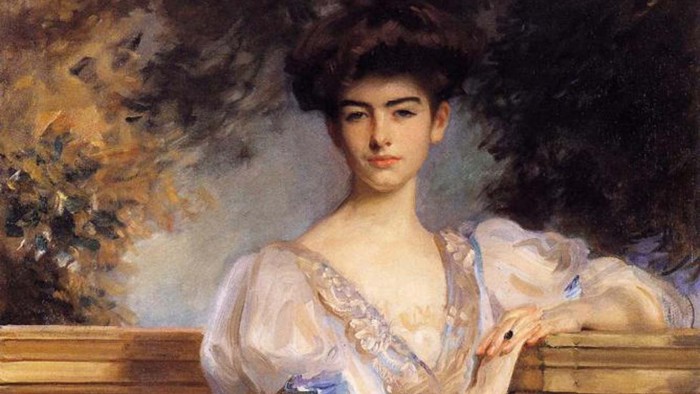
When Gladys Moore Vanderbilt, daughter of railroad tycoon Cornelius Vanderbilt II, married the Austro-Hungarian Count László Széchényi in 1908, she became one of the last dollar princesses, the nickname given to American heiresses who married into the European aristocracy and brought vast wealth with them. Gladys had led a rarefied life, growing up between the Vanderbilt mansion on Fifth Avenue, the largest private house in New York City, and the huge weekend “cottage”, The Breakers, on Rhode Island. Her family was at the centre of a social elite for whom jewels were essential signifiers of power. They amassed a vast collection during the Gilded Age and the belle époque, the years loosely spanning 1880 to 1914. The jewels were often in the French 18th-century revival or the garland style, designed around drapes, swags, ribbon bows or trellises and bought from the great houses of Paris or Tiffany & Co in New York, which was founded in 1837.
Gladys moore Vanderbilt’s daughter Countess Ferdinandine Széchényi in 1966
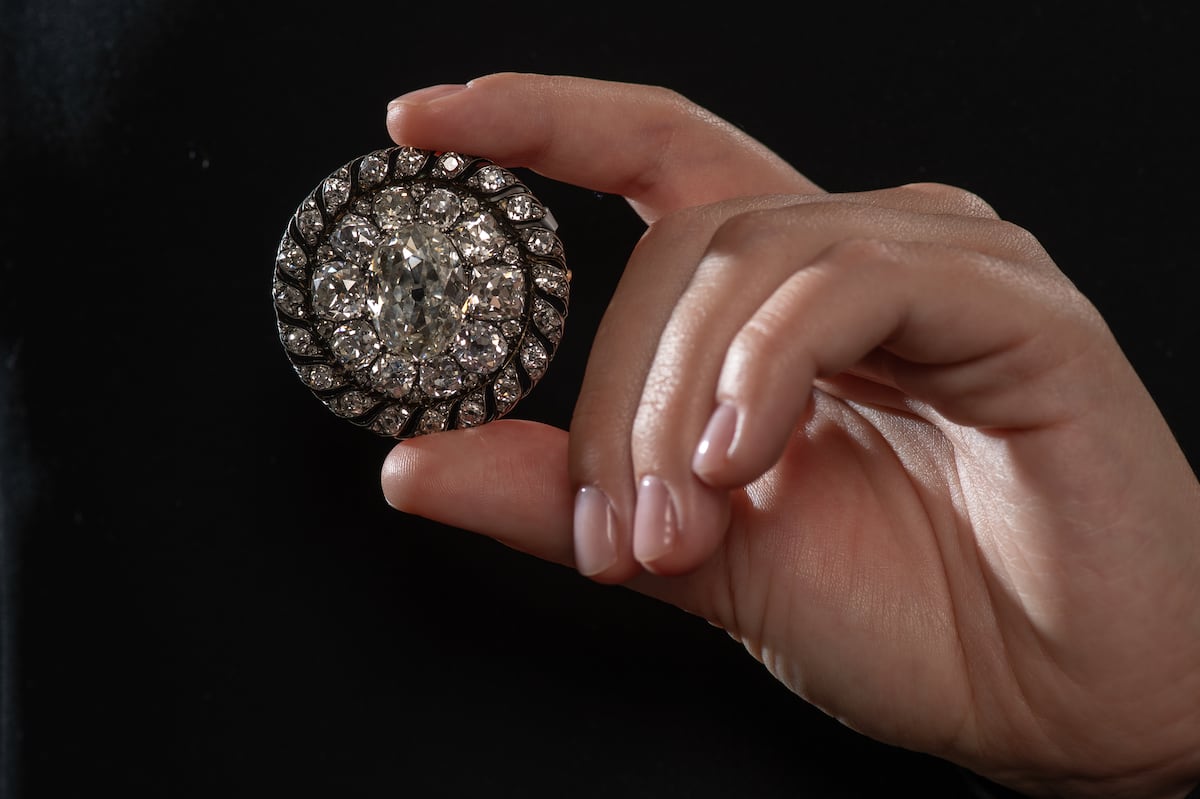
The Vanderbilt sapphire brooch by Tiffany & Co, to be auctioned by Phillips on 10 November
Edwardian opal and diamond brooch, £12,500, sandracronan.com
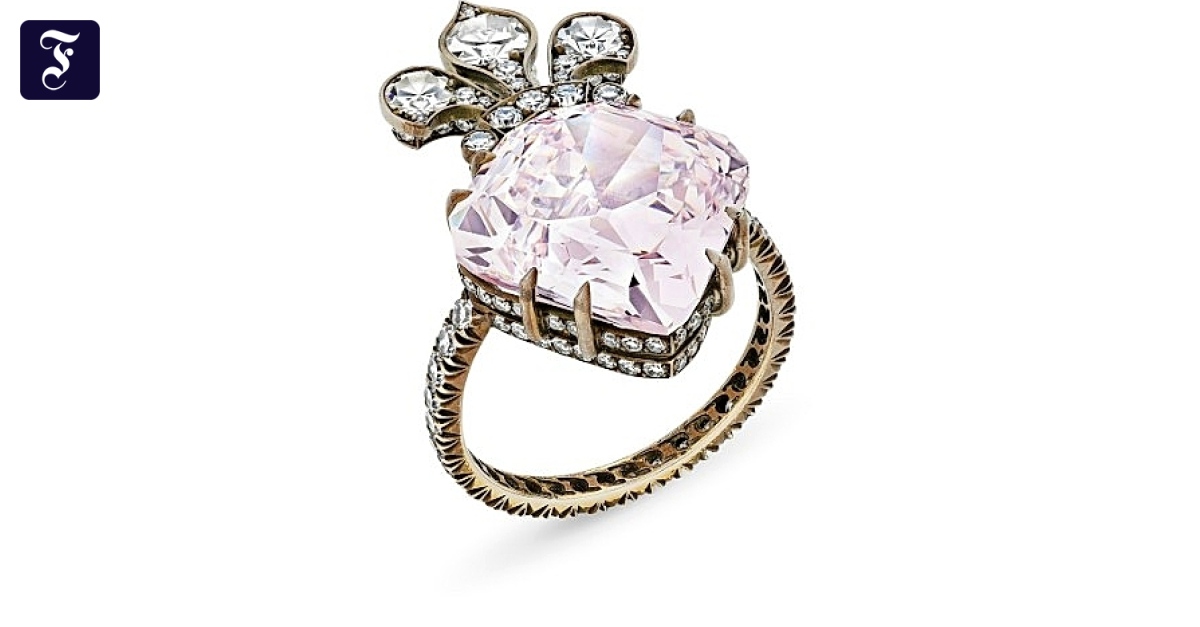
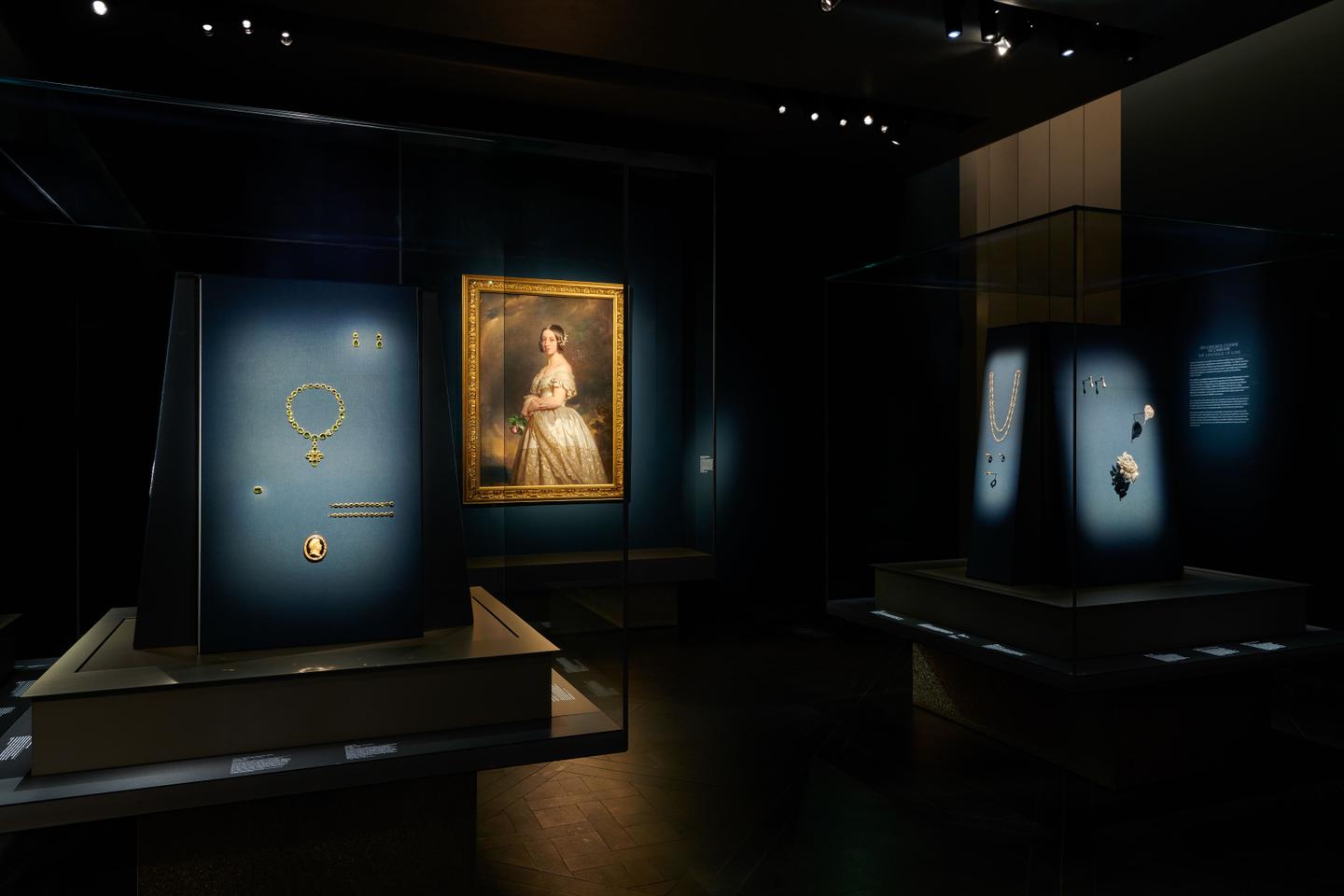
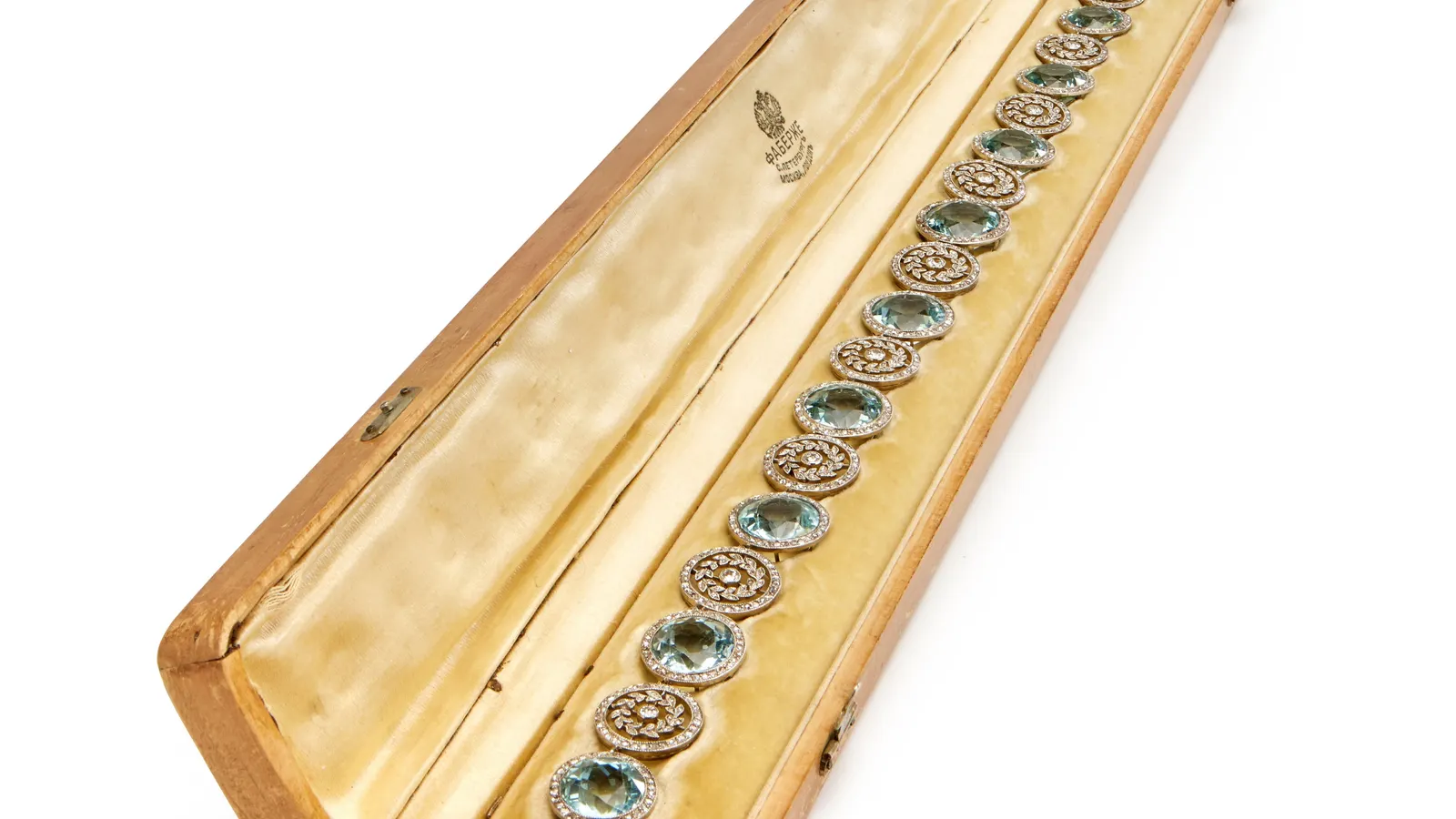
This month, 12 of the Vanderbilt family jewels will be auctioned at Phillips in Geneva. The landmark sale will include creations by Tiffany & Co and Cartier, ranging in date from the 1890s to the late 1930s, and comprising statement brooches, a hair comb, important gems, jewelled purses and personal accessories. All originally belonged to Gladys Moore Vanderbilt. The timing is apposite – the Gilded Age is in the spotlight with the Cartier exhibition at London’s V&A Museum and the eponymous HBO series, which was recently renewed for its fourth season.