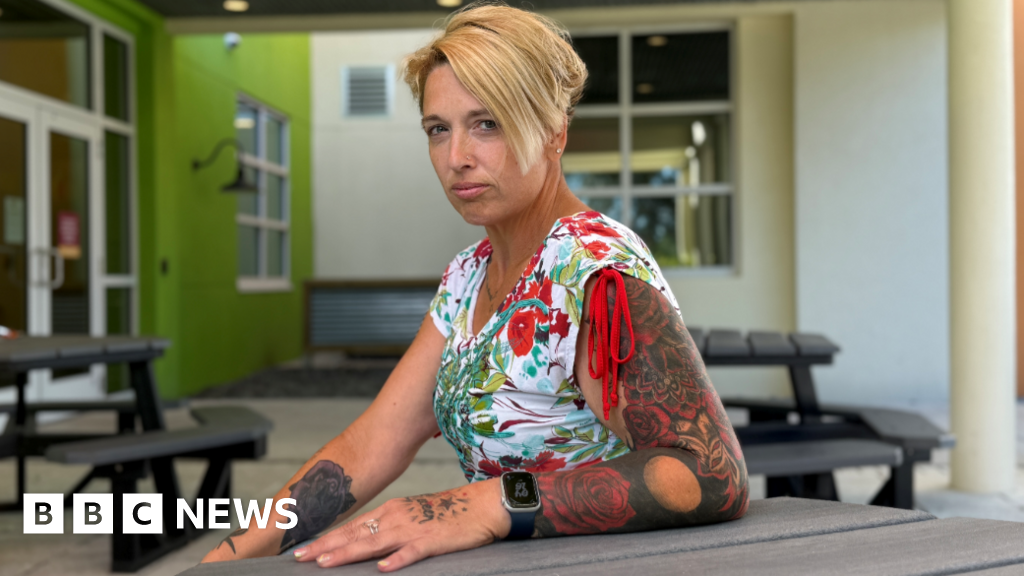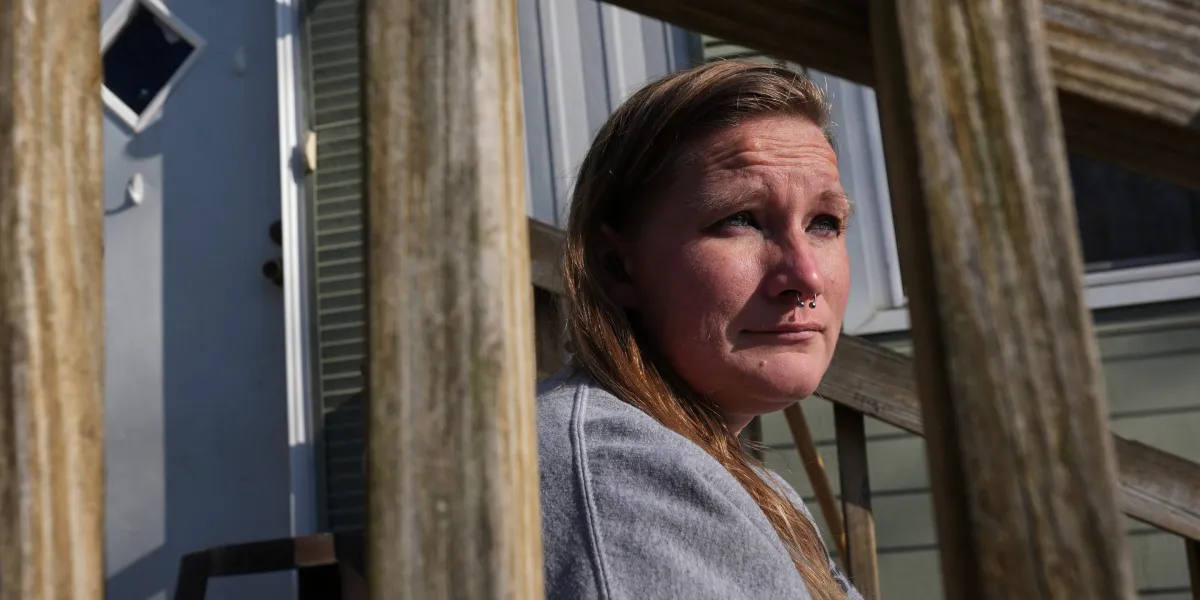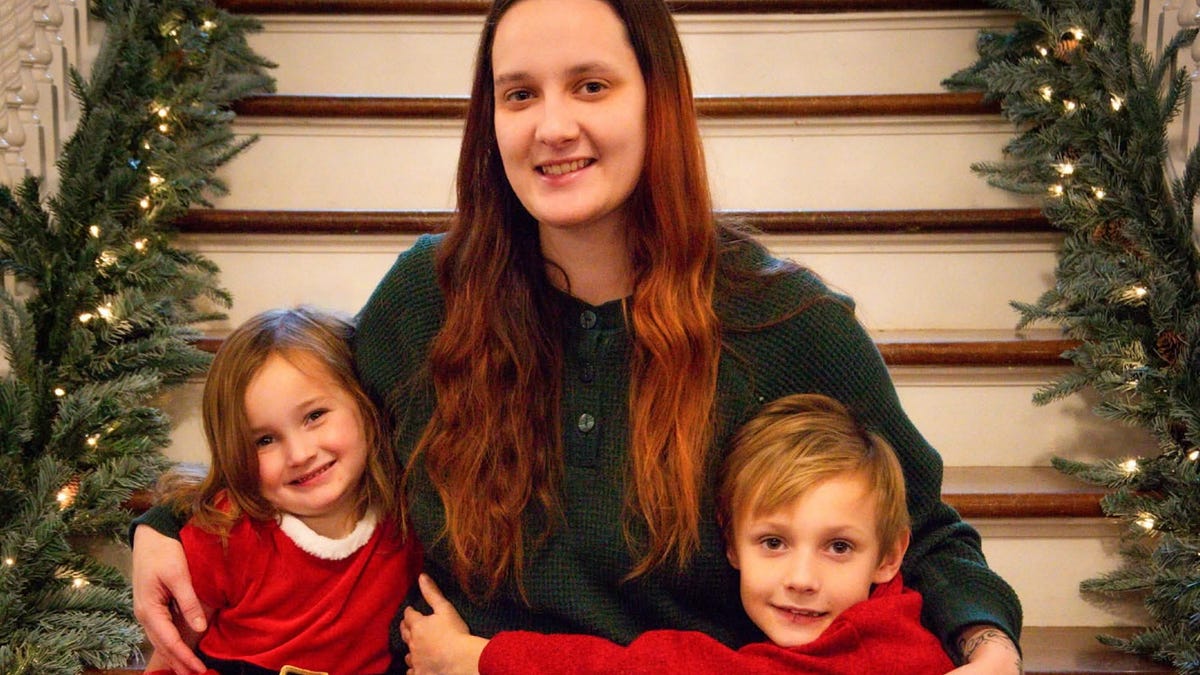
When Ashley Trent picks up the phone at her job as a housing assistance navigator, she often hears someone in a similar situation to her own on the other line. As she helps people in Bloomington, Illinois, without stable housing find somewhere safe to live, the back of her own mind buzzes with thoughts about which bills she will have to skip out on to buy food for her own family next month.
"I'm on the phone with somebody that's in the same boat as I am," she said. "It's not like they're doing so much worse than me. A lot of people work 40 to 50 hours a week and cannot afford a house or cannot afford rent or food."
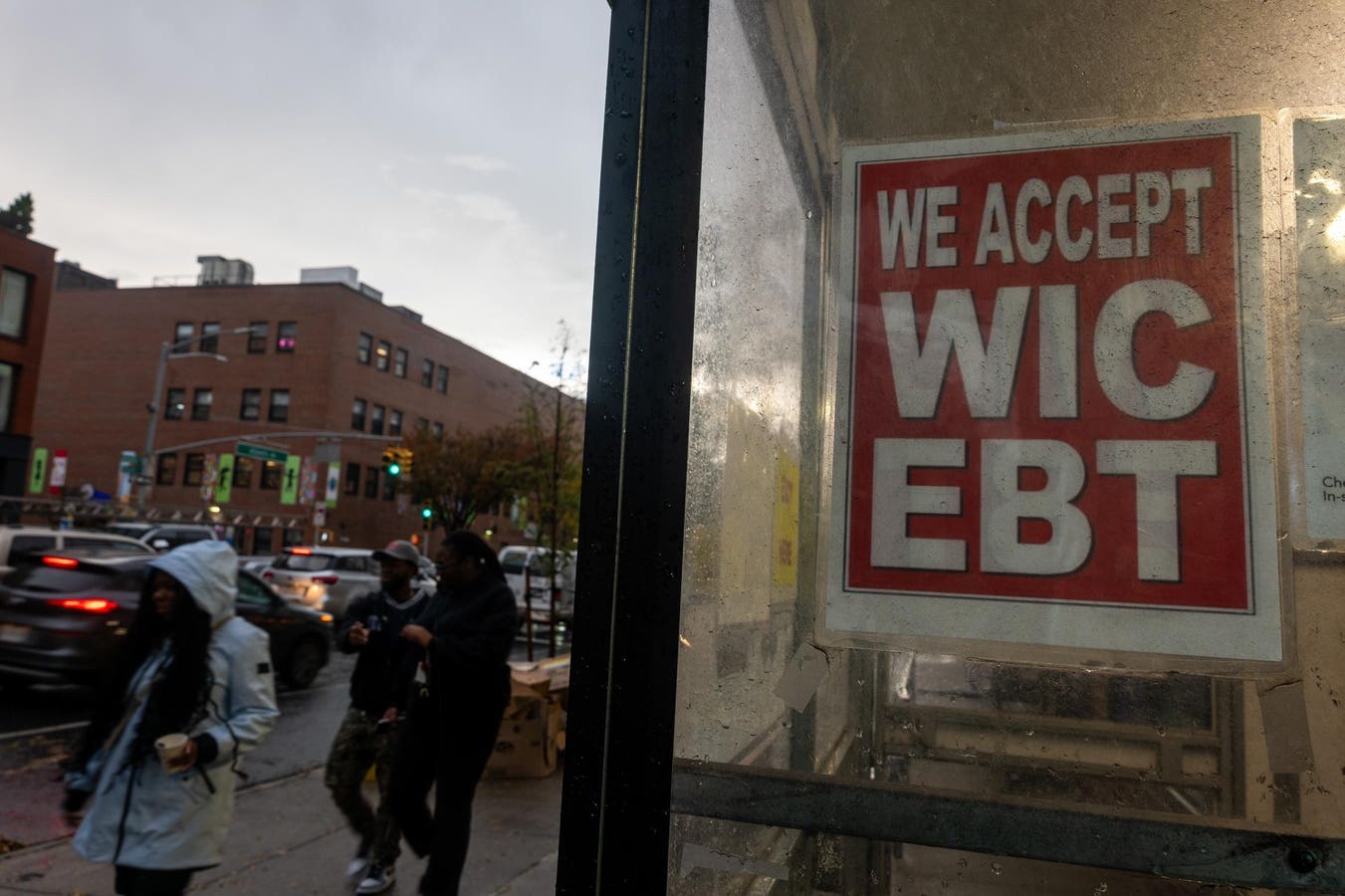
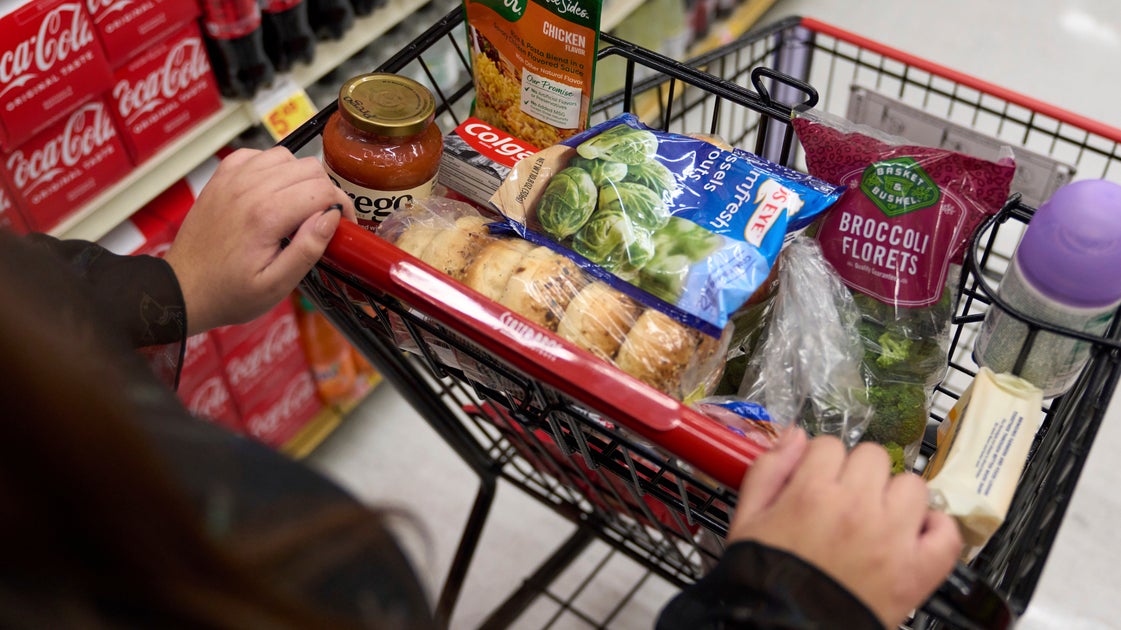
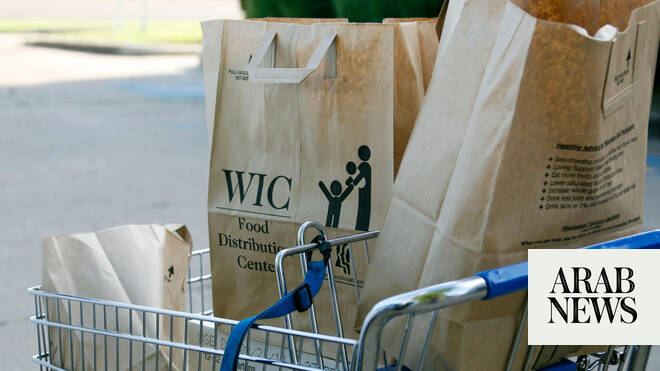
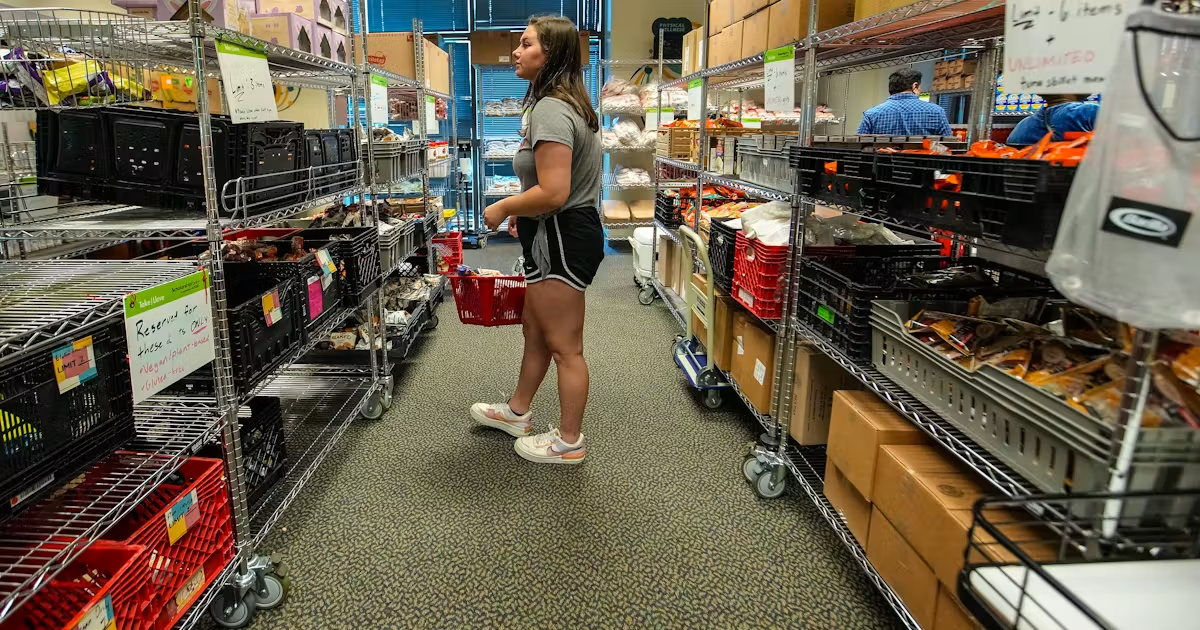
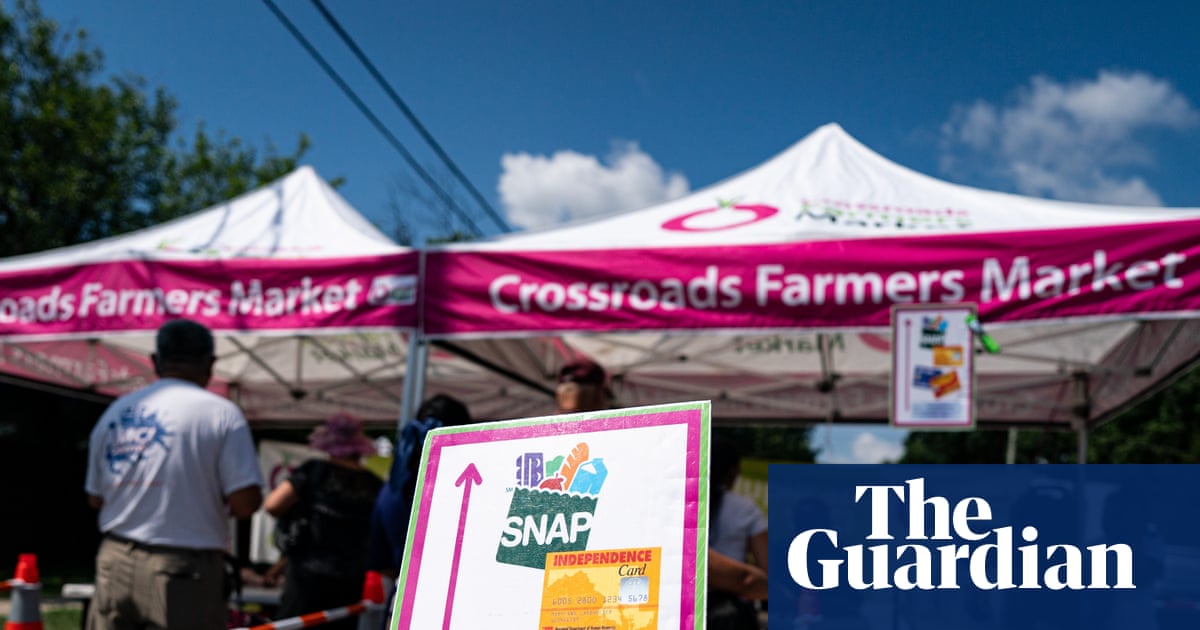
Come Saturday, Nov. 1, when nutritional assistance programs like SNAP and WIC that support more than 47 million Americans a month may be cut off, decisions like those Trent faces could be the reality for millions of Americans – and specifically, thousands of single moms. SNAP, formerly known as food stamps, provides cash cards to low-income families for a limited time to help purchase unprepared foods. Monthly allotments can be a maximum of $588 a month for a family of three. For women with children up to age 5, WIC provides health education, breastfeeding support and food assistance at amounts lower than SNAP.