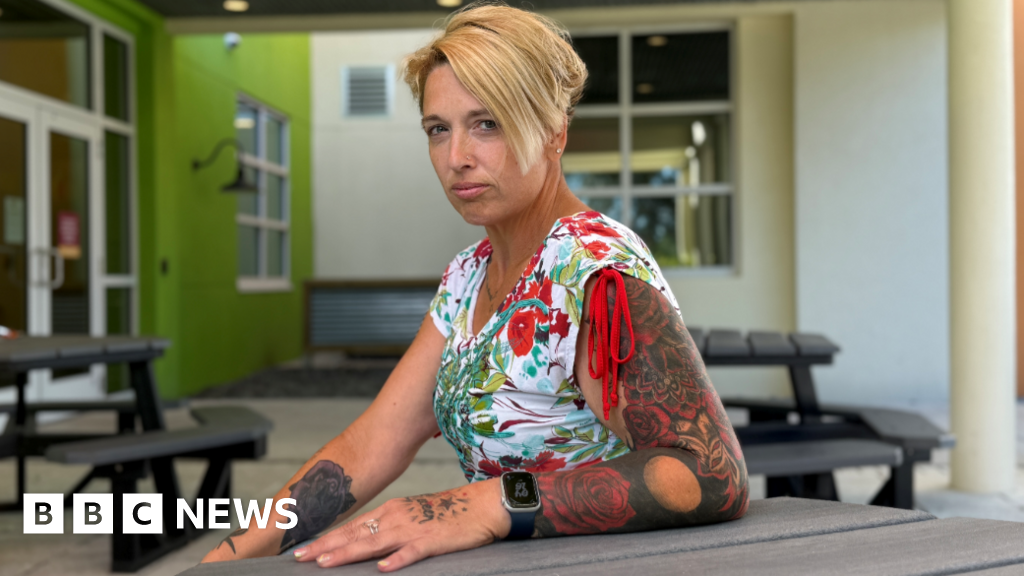
Taylour Grant is trying to keep her four kids from finding out there won't be money for food in a few days.
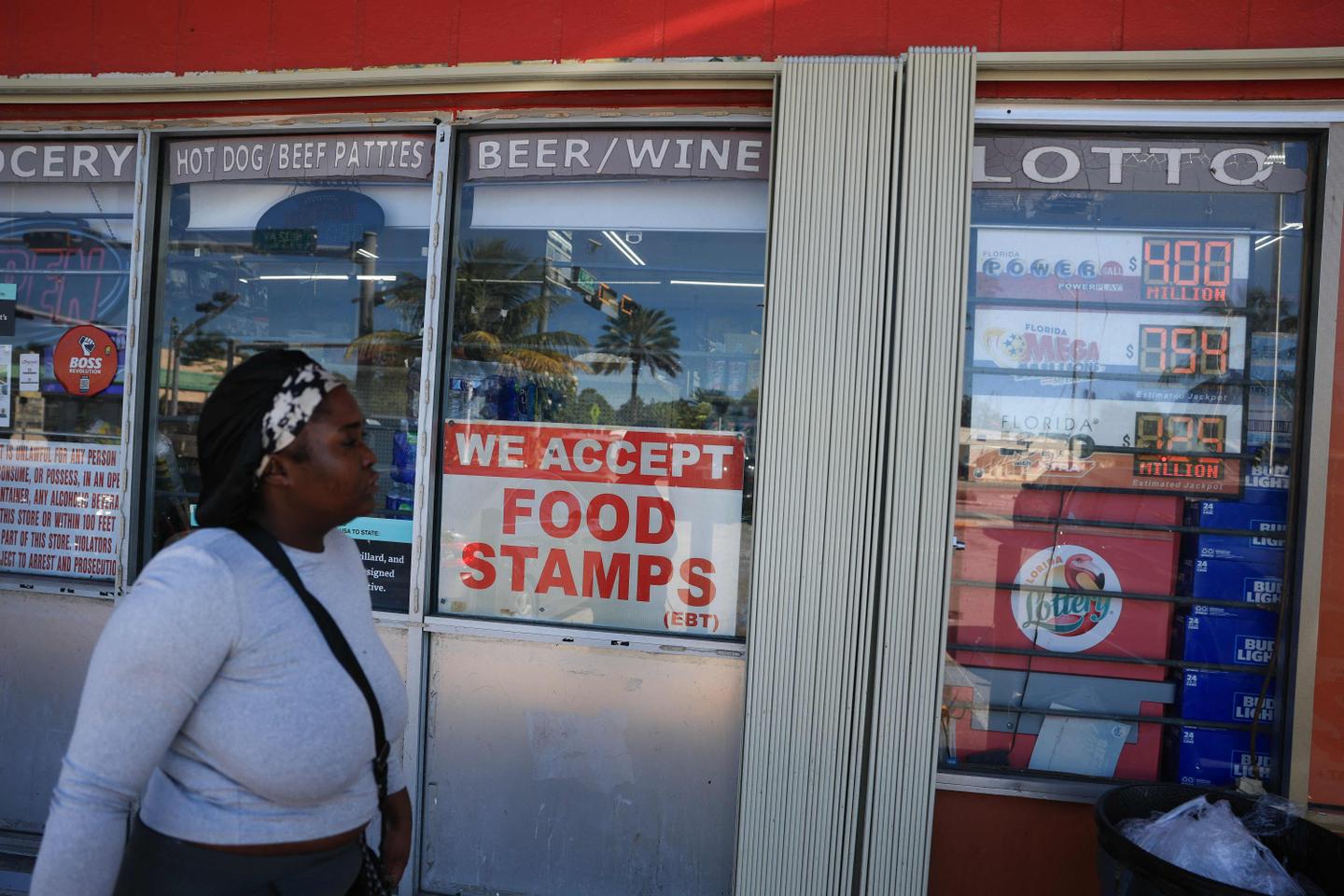
The 29-year-old former medical assistant in Tampa, Florida, hasn't been able to work since May because one of her children, who has autism, needed her full attention. So she doesn't have a cushion to replace the money she's gotten the first of every month through the Supplemental Nutrition Assistance Program (SNAP), commonly known as food stamps.
“I try not to … show what's happening on the forefront because of my kids, but I mean, ultimately, what? What can we do? It is out of our hands,” said Grant, whose oldest is 14 and youngest, just 1. “I haven't been working, things are getting behind. I'm already facing eviction. I have other bills piled up."
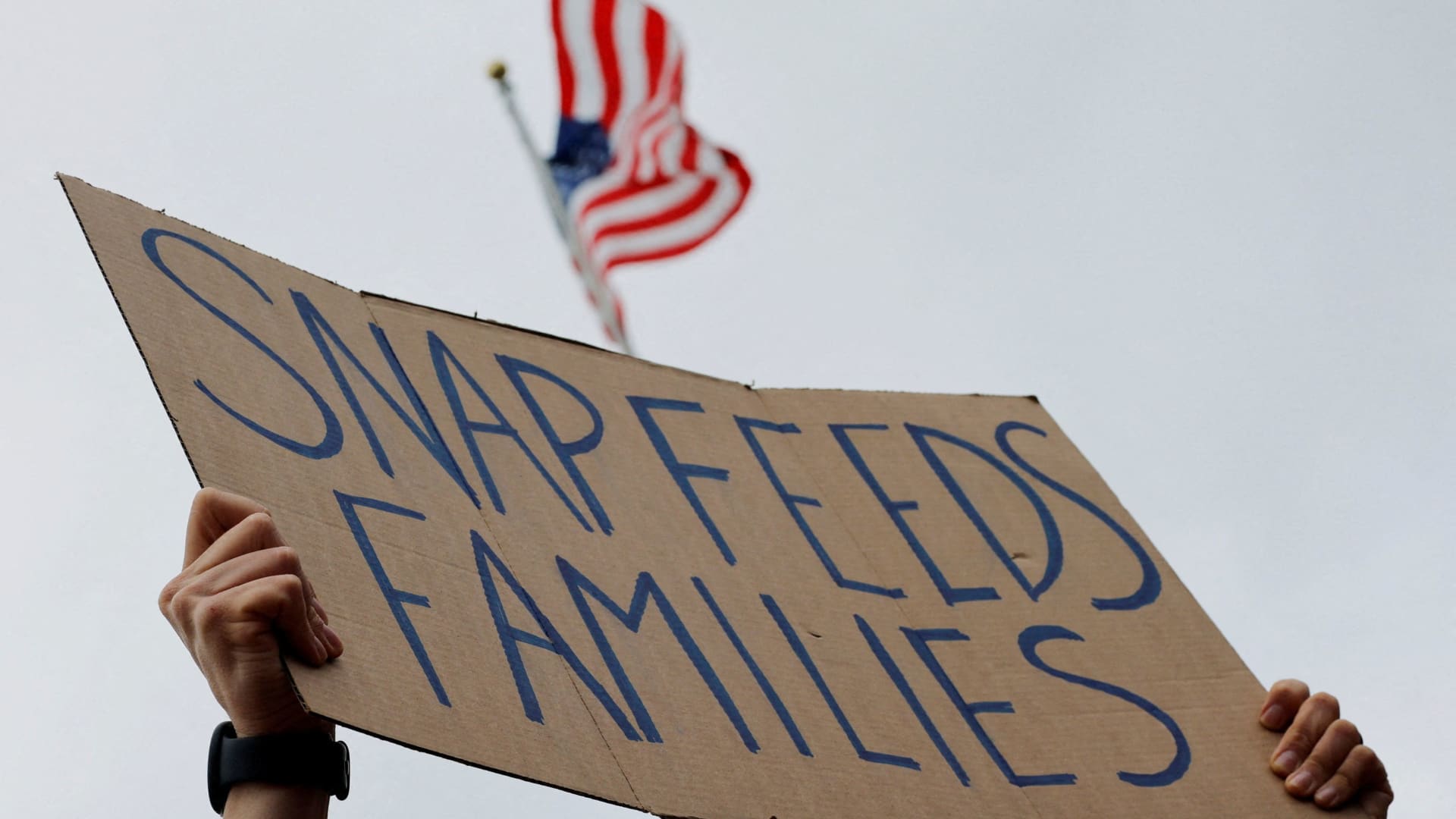
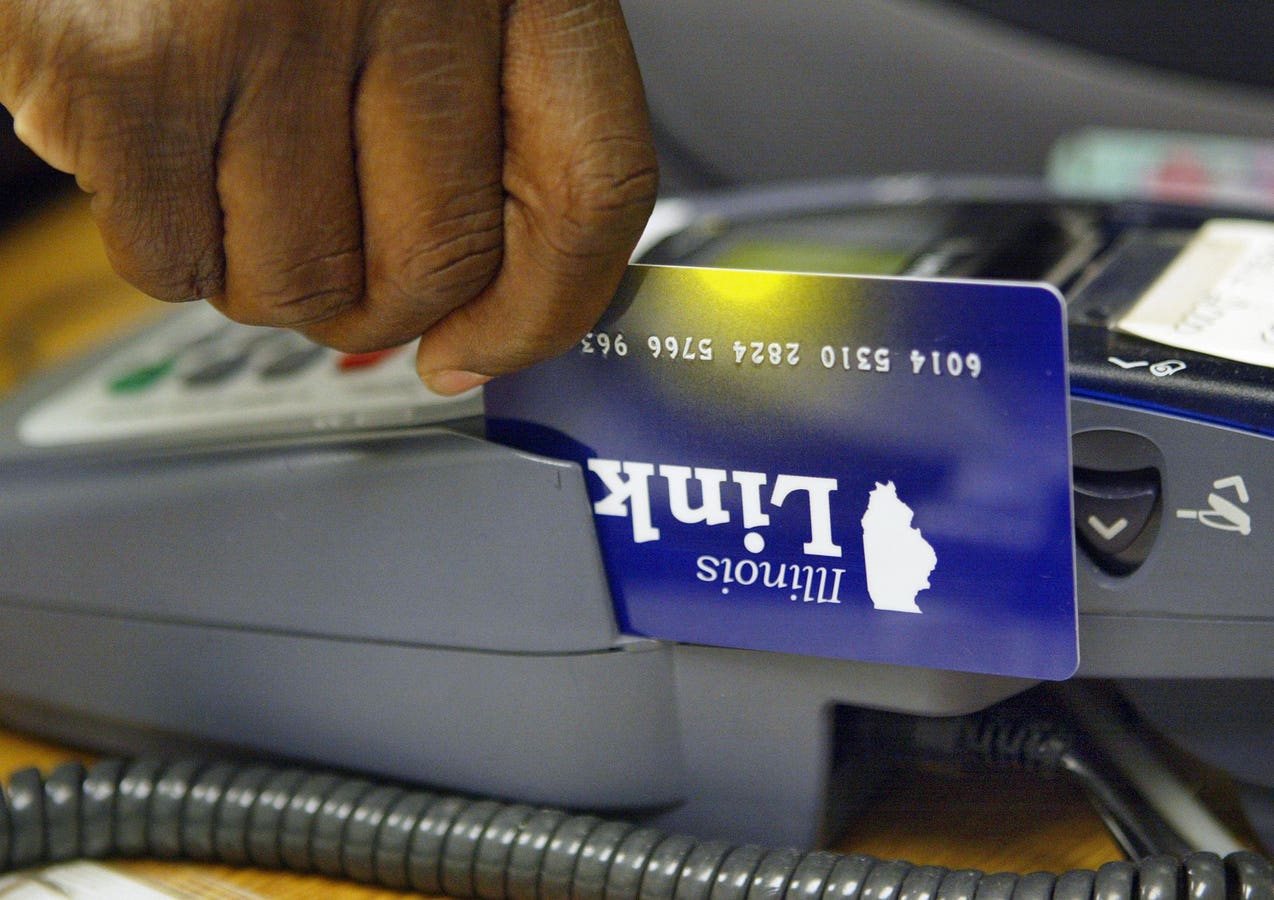
When SNAP benefits don't arrive for Grant and 42 million other Americans on Nov. 1, it will be the first time that food safety net money has been delayed in the program's 60-year history.
“The tap has never been turned off even during a shutdown because everybody up until now, every administration, Republican or Democrat, has understood that feeding Americans is a fundamental responsibility of the federal government,” Oregon State Treasurer Elizabeth Steiner told USA TODAY.