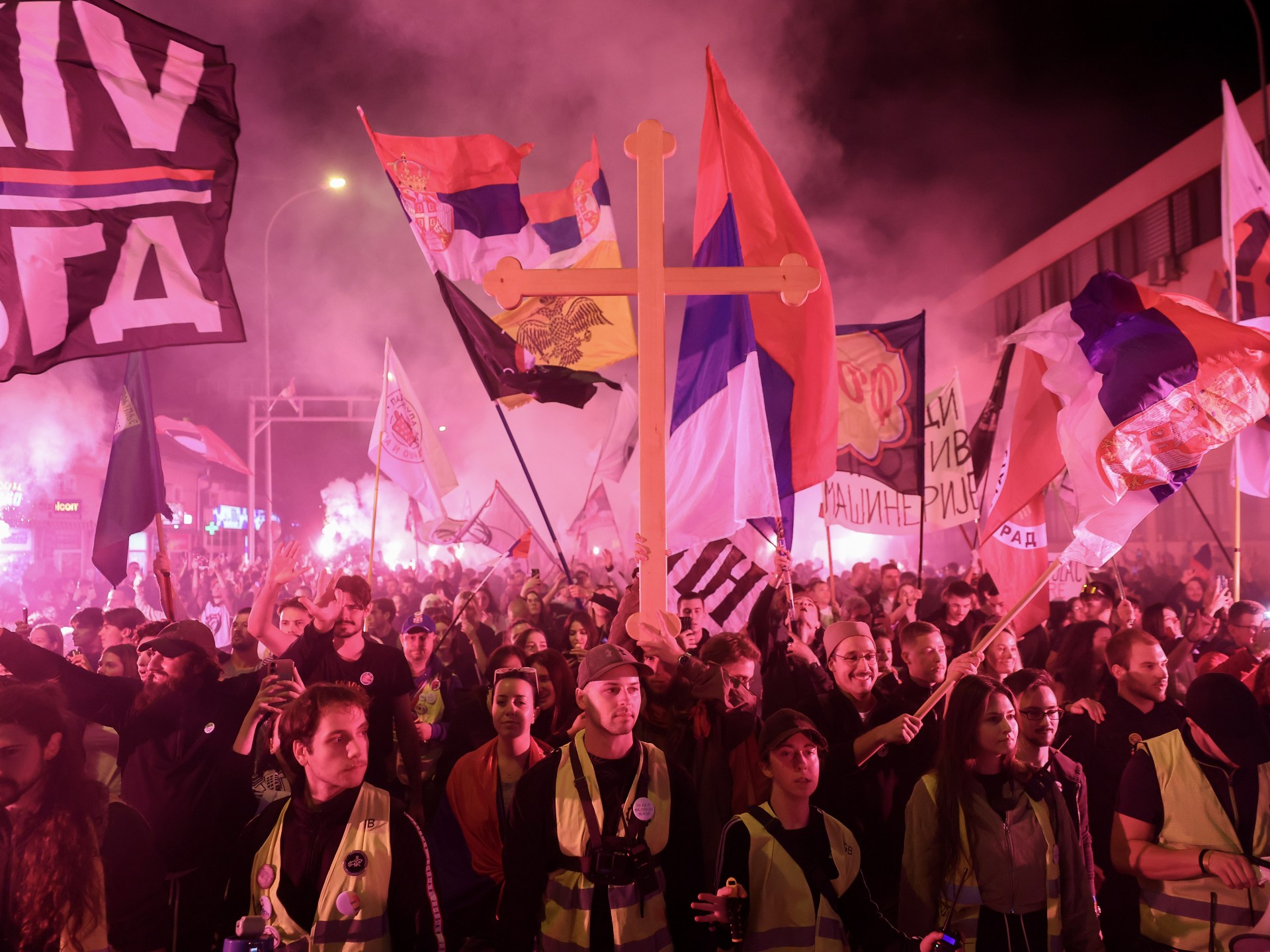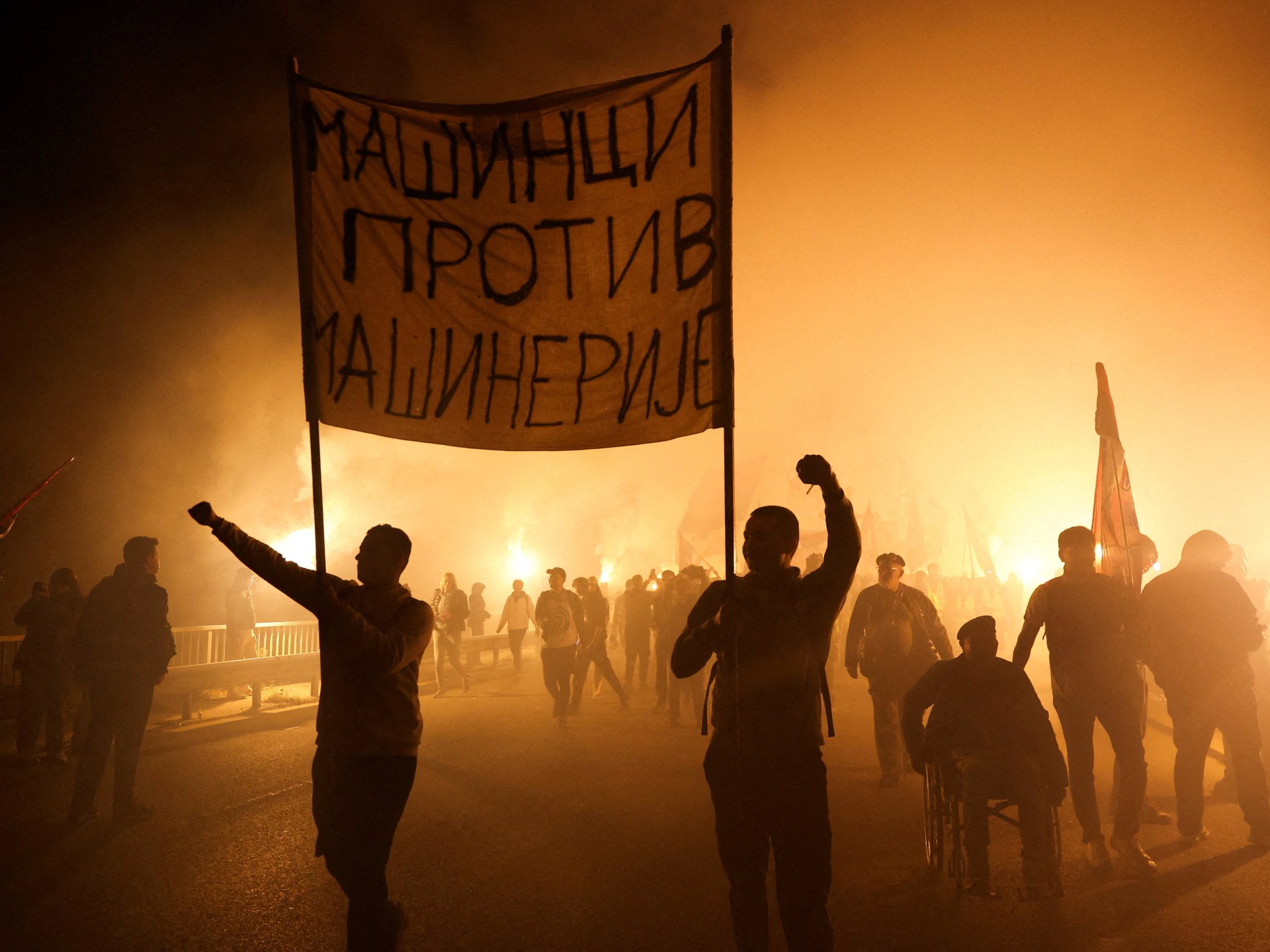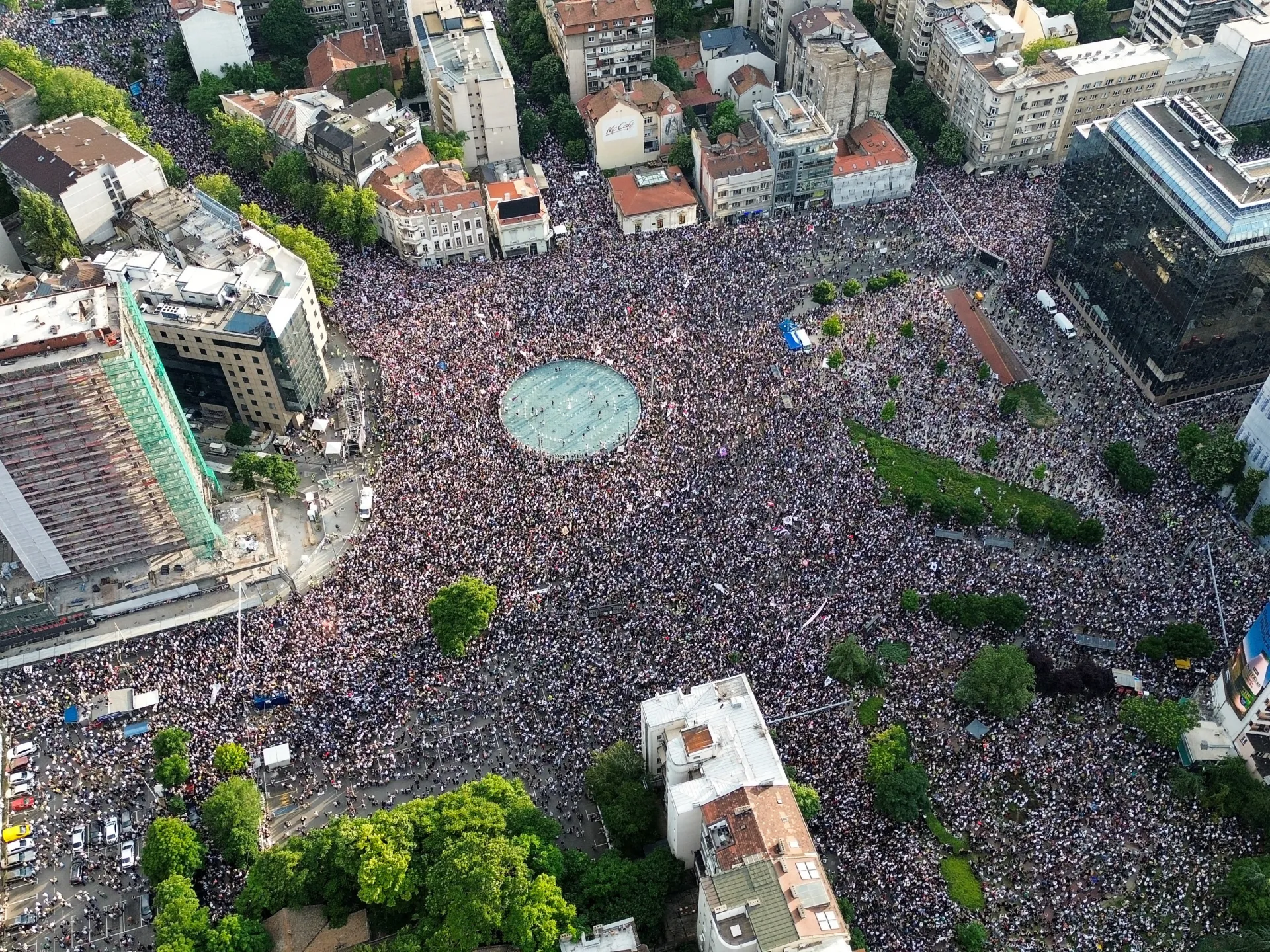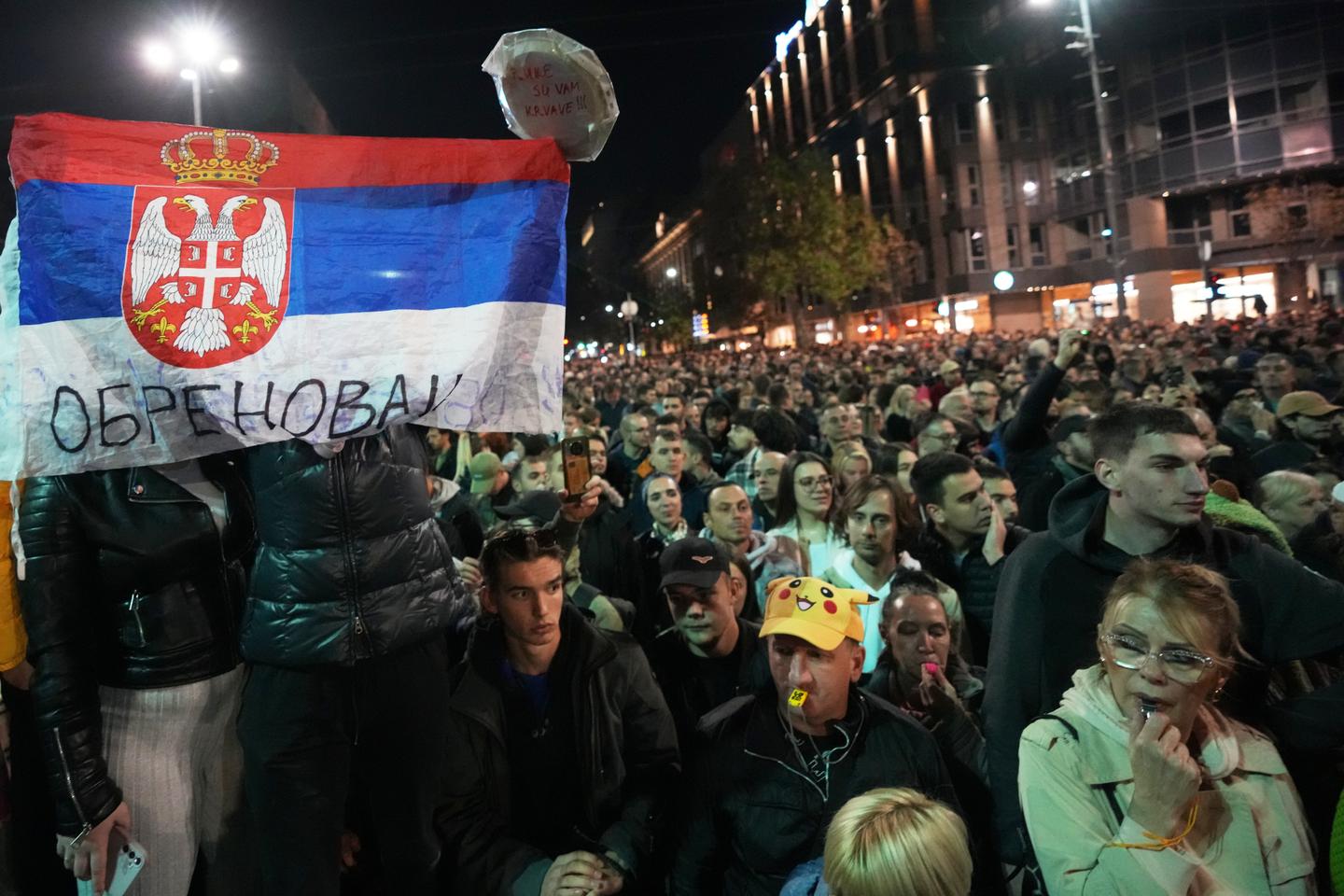
As a radicalised generation presses its calls for political change, a debate has opened up over whether to join battle by the ballot box
M
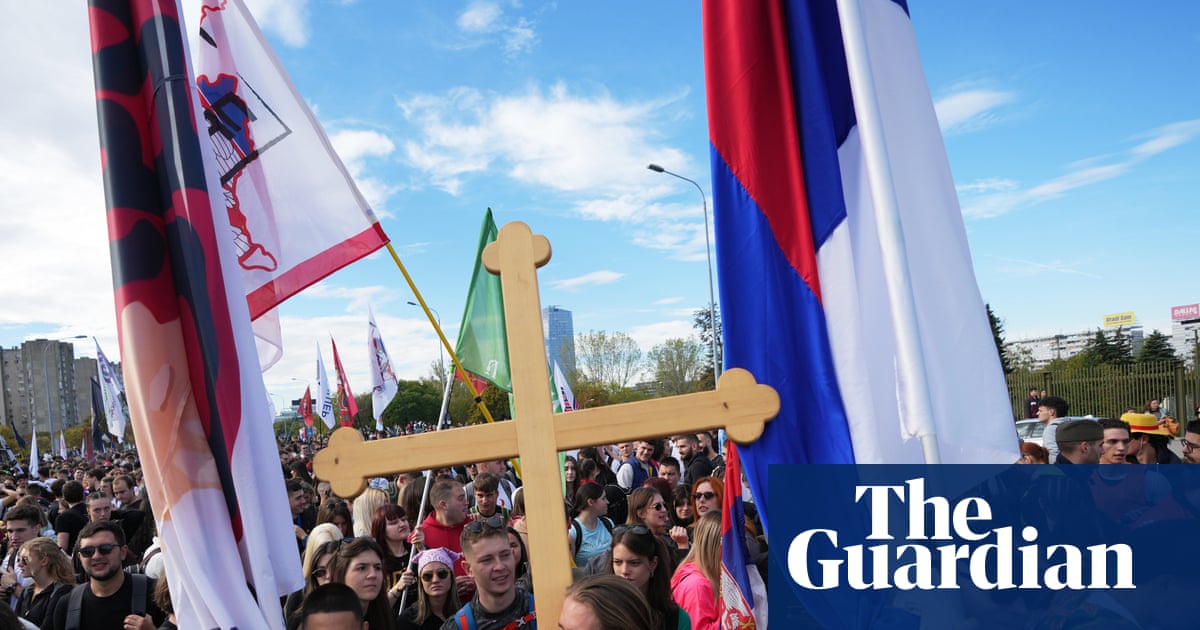
idway through a 16-day, 250-mile (400km) march from Novi Pazar to Novi Sad, Inas Hodžić was still remarkably energetic. Like thousands of other Serbian students, he was making his way to the city which, last autumn, become the scene of national tragedy.
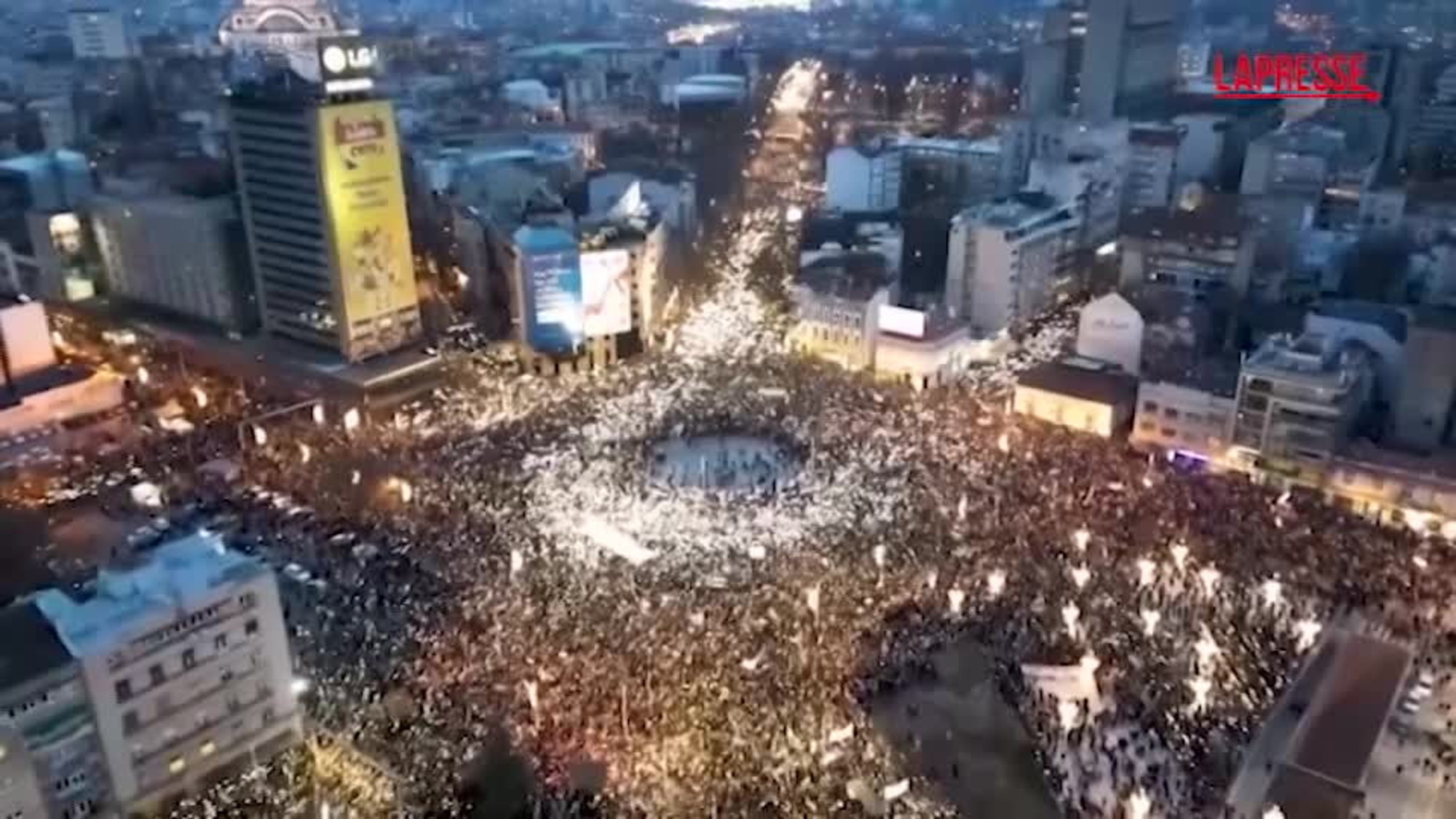
Sixteen people were killed when the newly renovated canopy of Novi Sad’s main railway station collapsed on 1 November 2024, a disaster that critics say exposed much more than faulty construction and sparked Serbia’s largest youth-led protest movement since the fall of Slobodan Milošević.
To begin with, the students’ anger felt generalised, a howl of protest at a political system they saw as corrupt, repressive and to blame for substandard renovation work on the railway station. But, in recent months, a growing number of them have been honing their demands, calling for snap parliamentary elections to usher in a new political class.