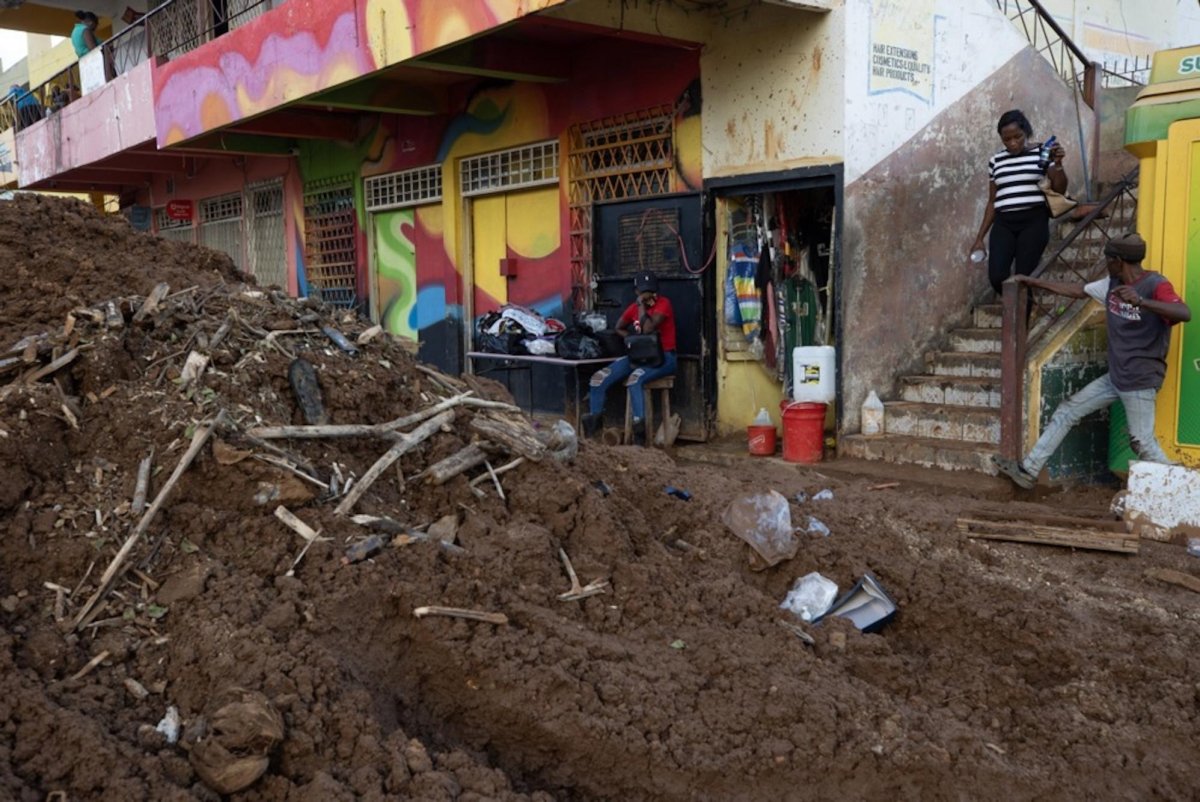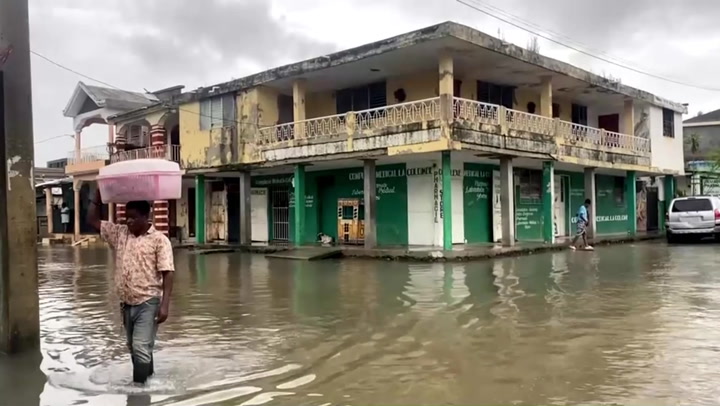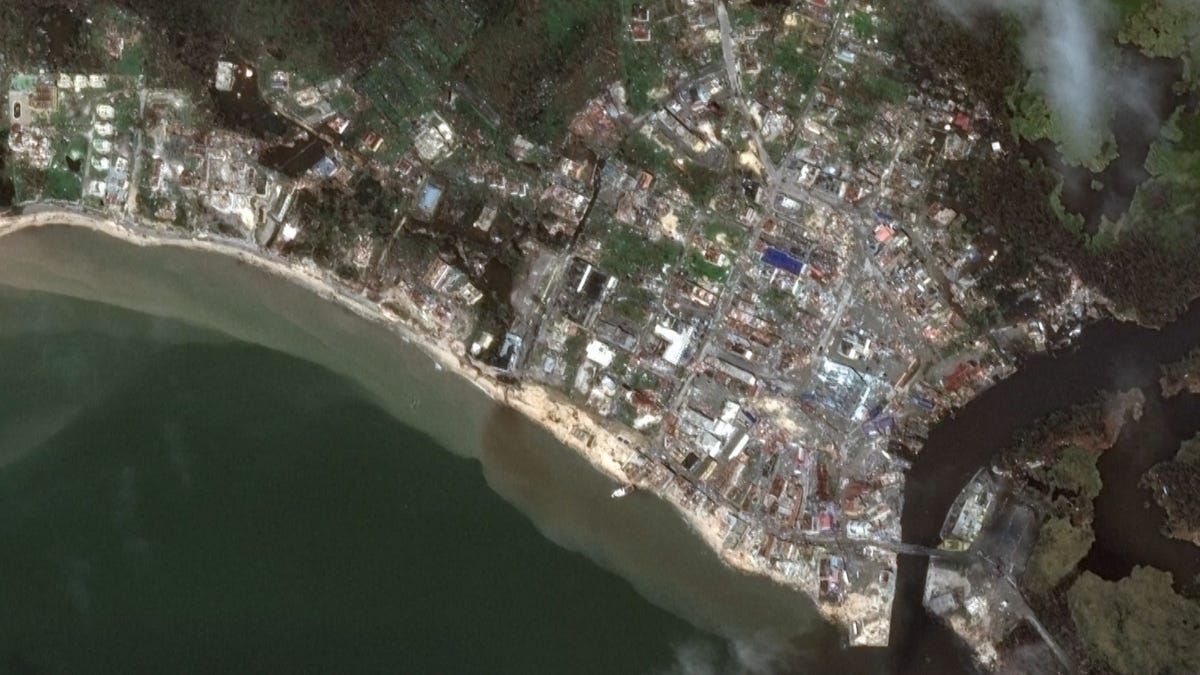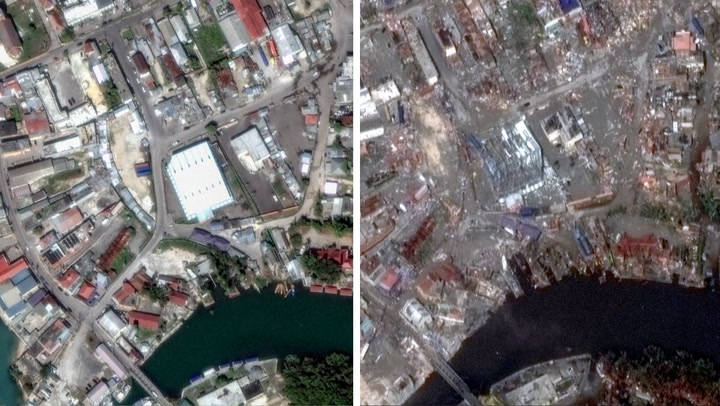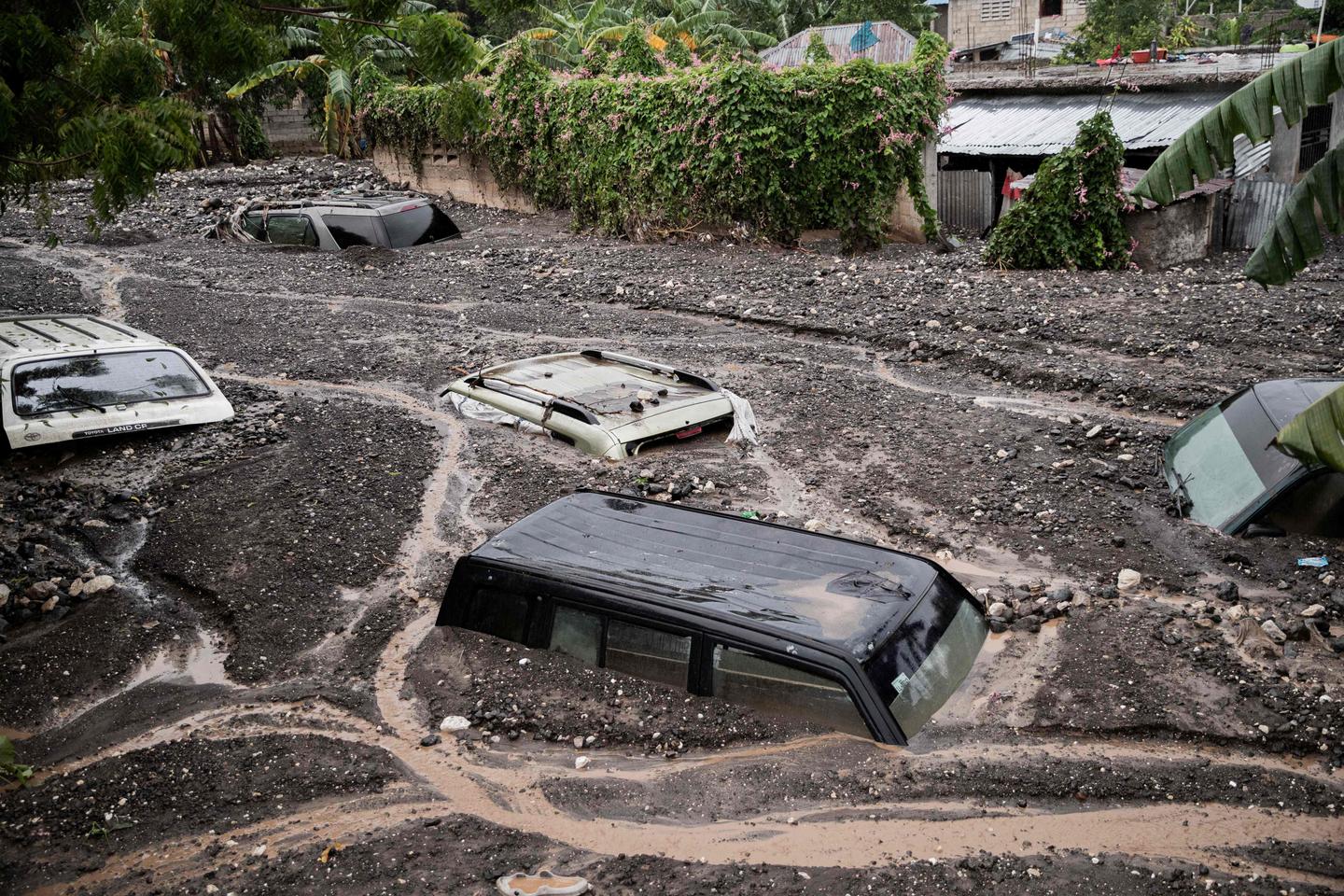
Cars are submerged in mud following Hurricane Melissa in Petit-Goave, 68km southwest of Port-au-Prince, in Haiti, on October 30, 2025. CLARENS SIFFROY / AFP
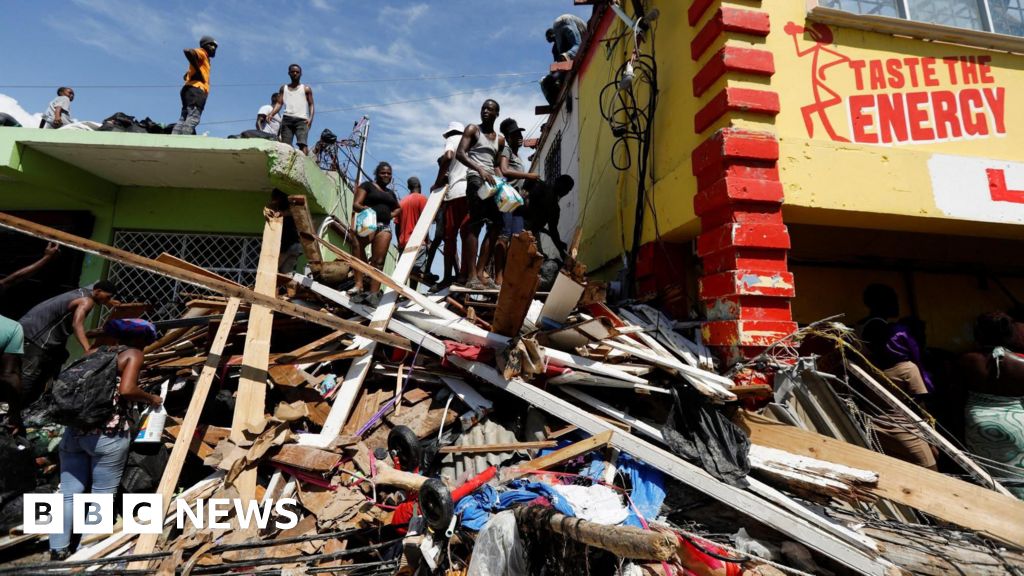
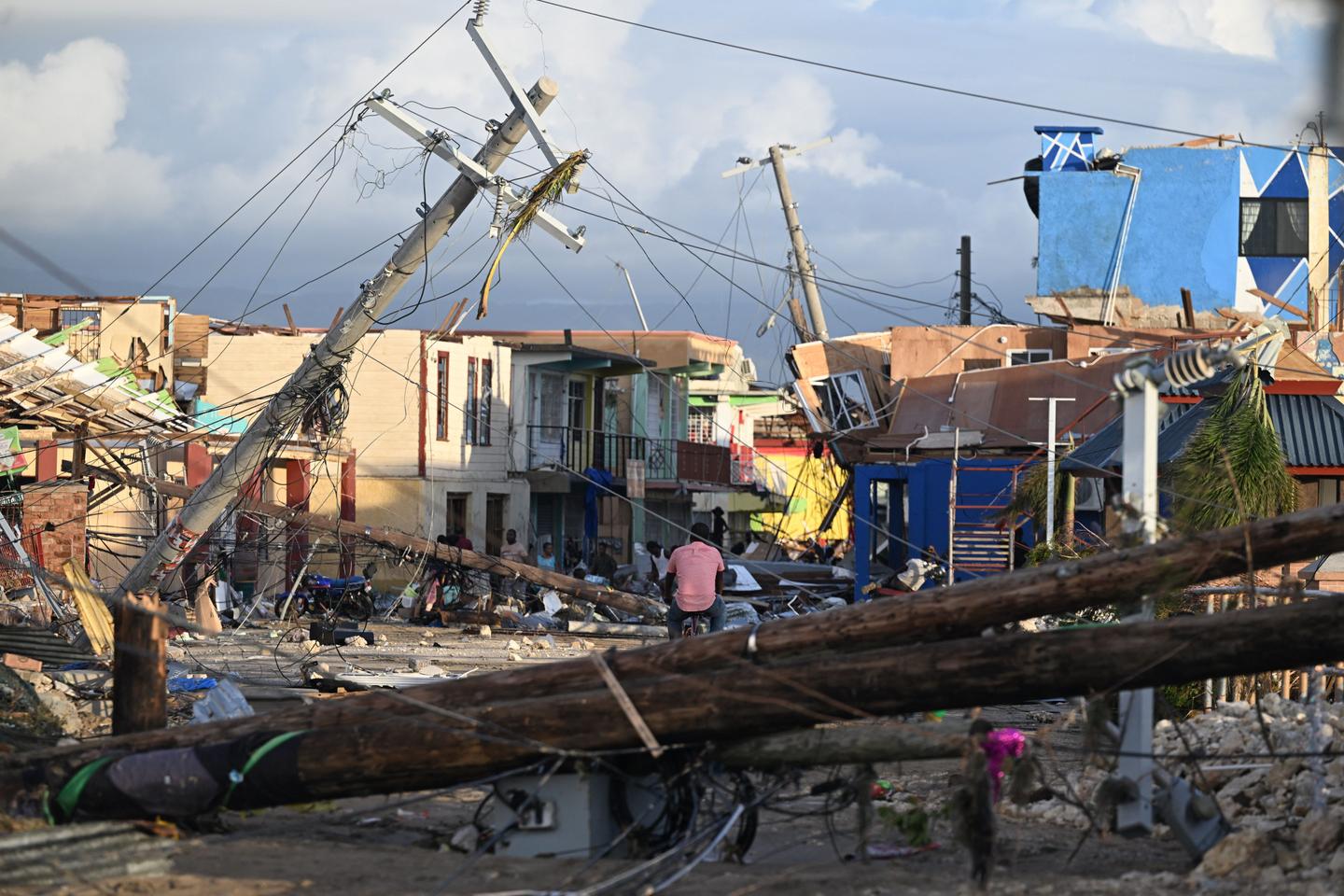
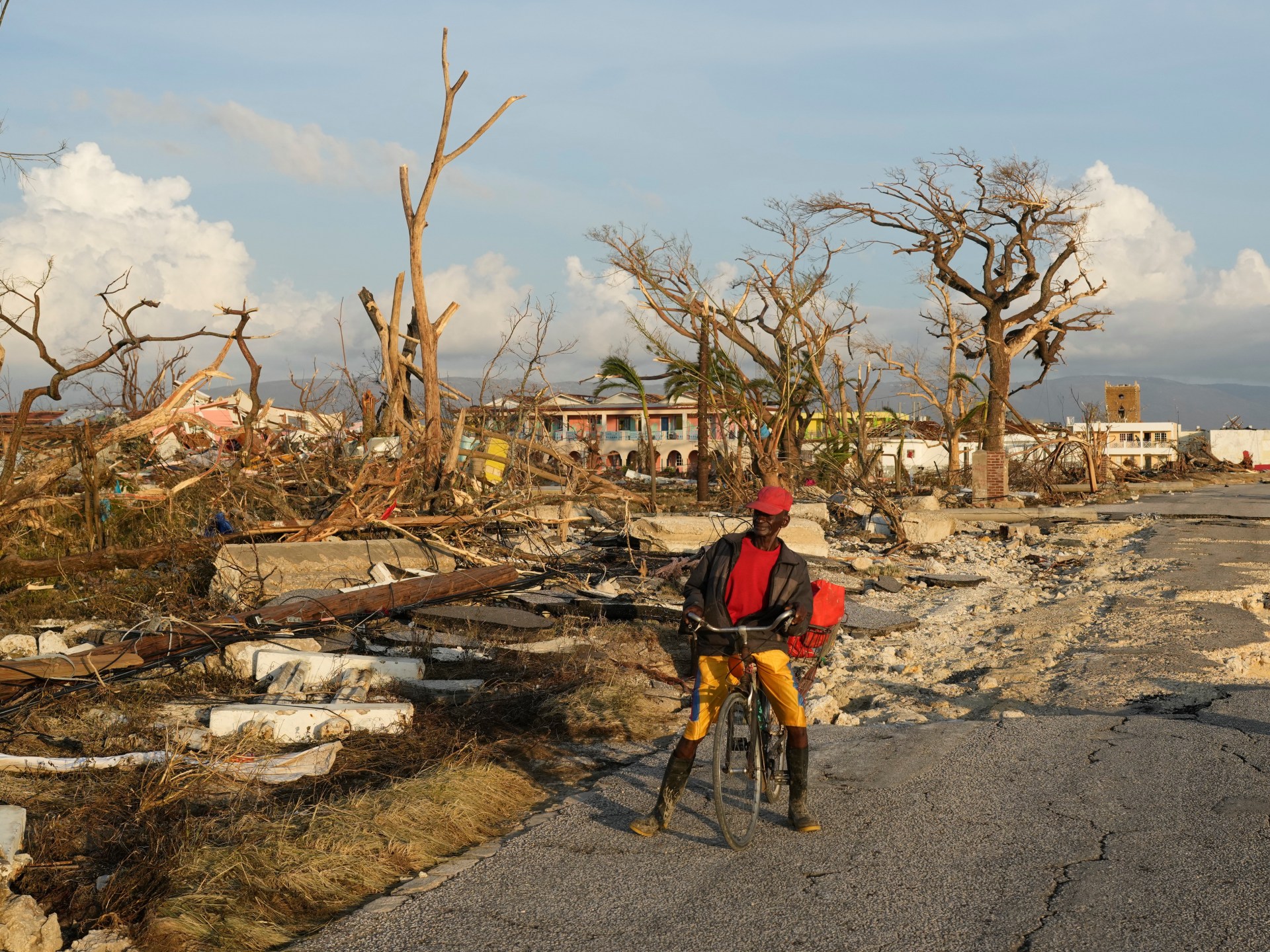
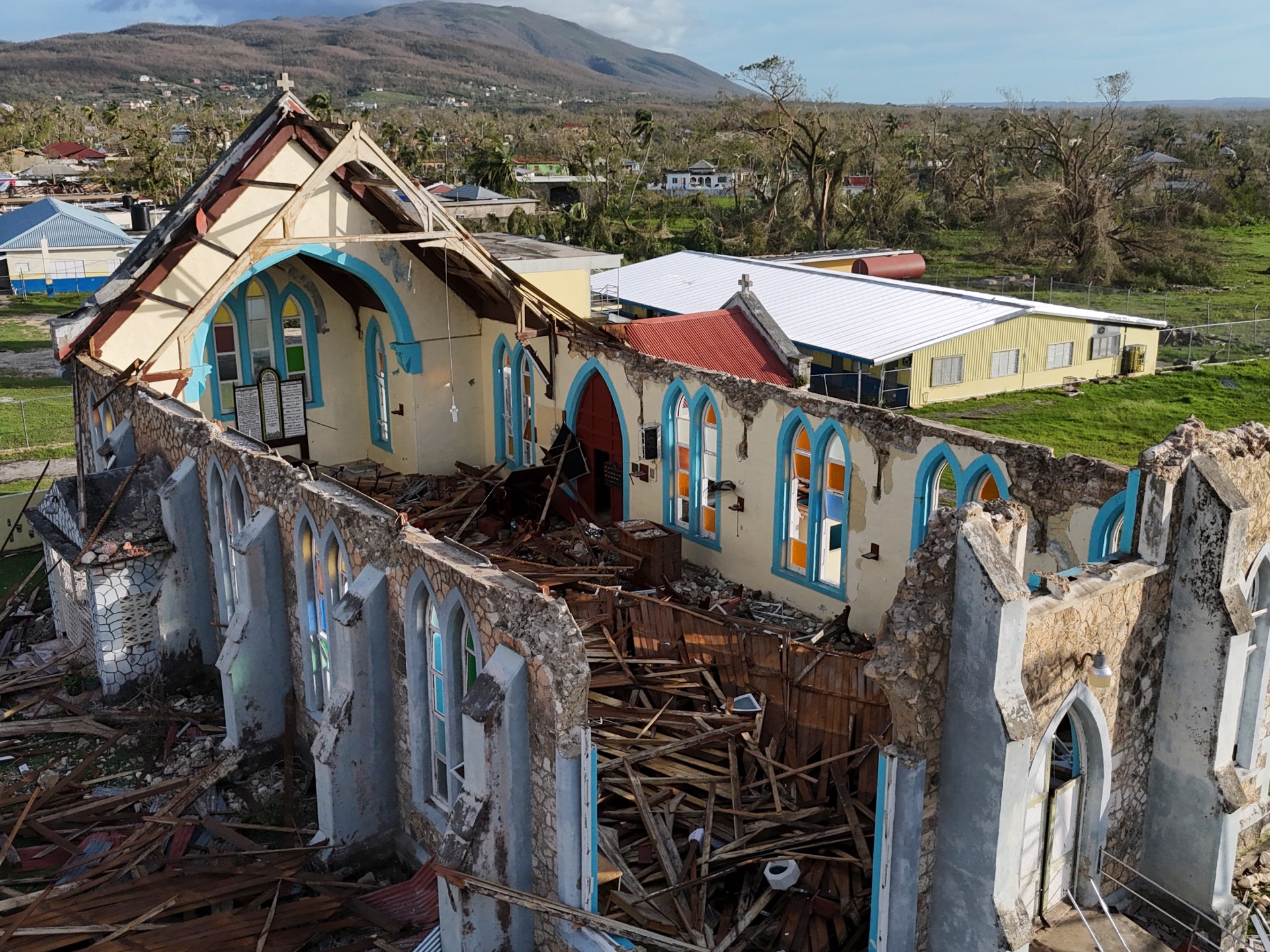
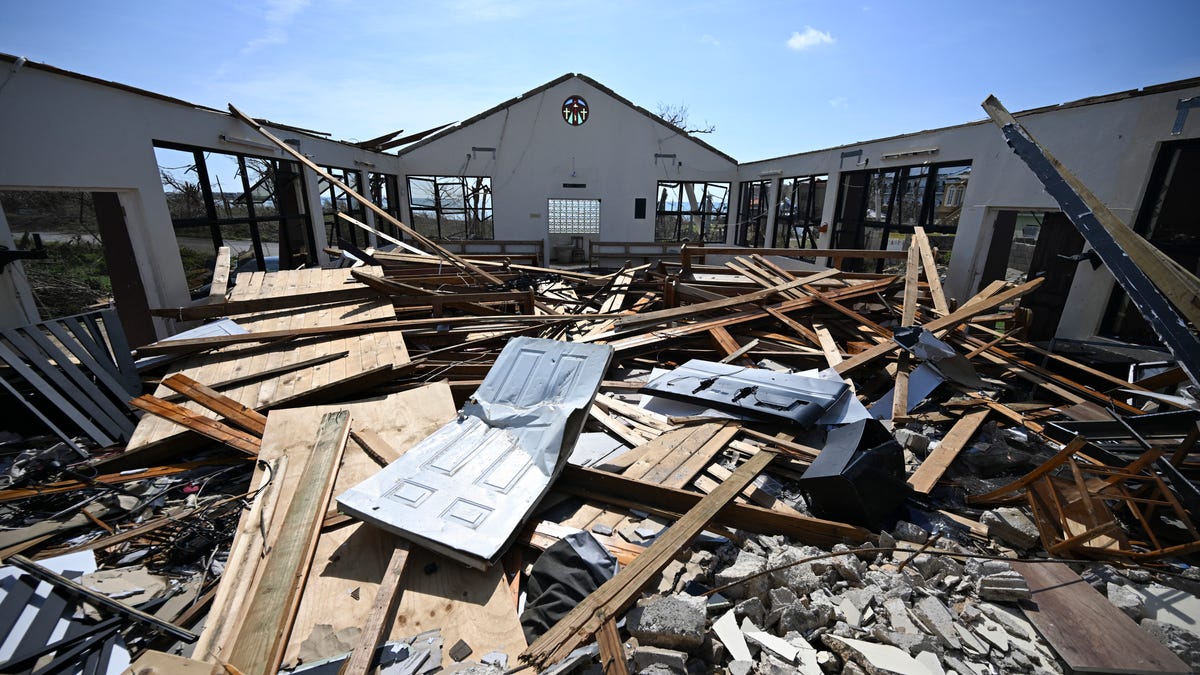
The rumble of large machinery, whine of chain saws and chopping of machetes echoed through communities across the northern Caribbean on Thursday, October 30, as they dug out from the destruction of Hurricane Melissa and surveyed the damage left behind. In Jamaica, government workers and residents began clearing roads in a push to reach dozens of isolated communities in the island's southeast that sustained a direct hit from one of the most powerful Atlantic hurricanes on record. Stunned residents wandered about, some staring at their roofless homes and waterlogged belongings strewn around them.
Subscribers only
Hurricane Melissa has killed more than 30, according to a provisional death toll
Emergency relief flights began landing at Jamaica's main international airport, which reopened late Wednesday, as crews distributed water, medicine and other basic supplies. Helicopters dropped food as they thrummed above communities where the storm flattened homes, wiped out roads and destroyed bridges, cutting them off from assistance. "The entire Jamaica is really broken because of what has happened," Education Minister Dana Morris Dixon said.