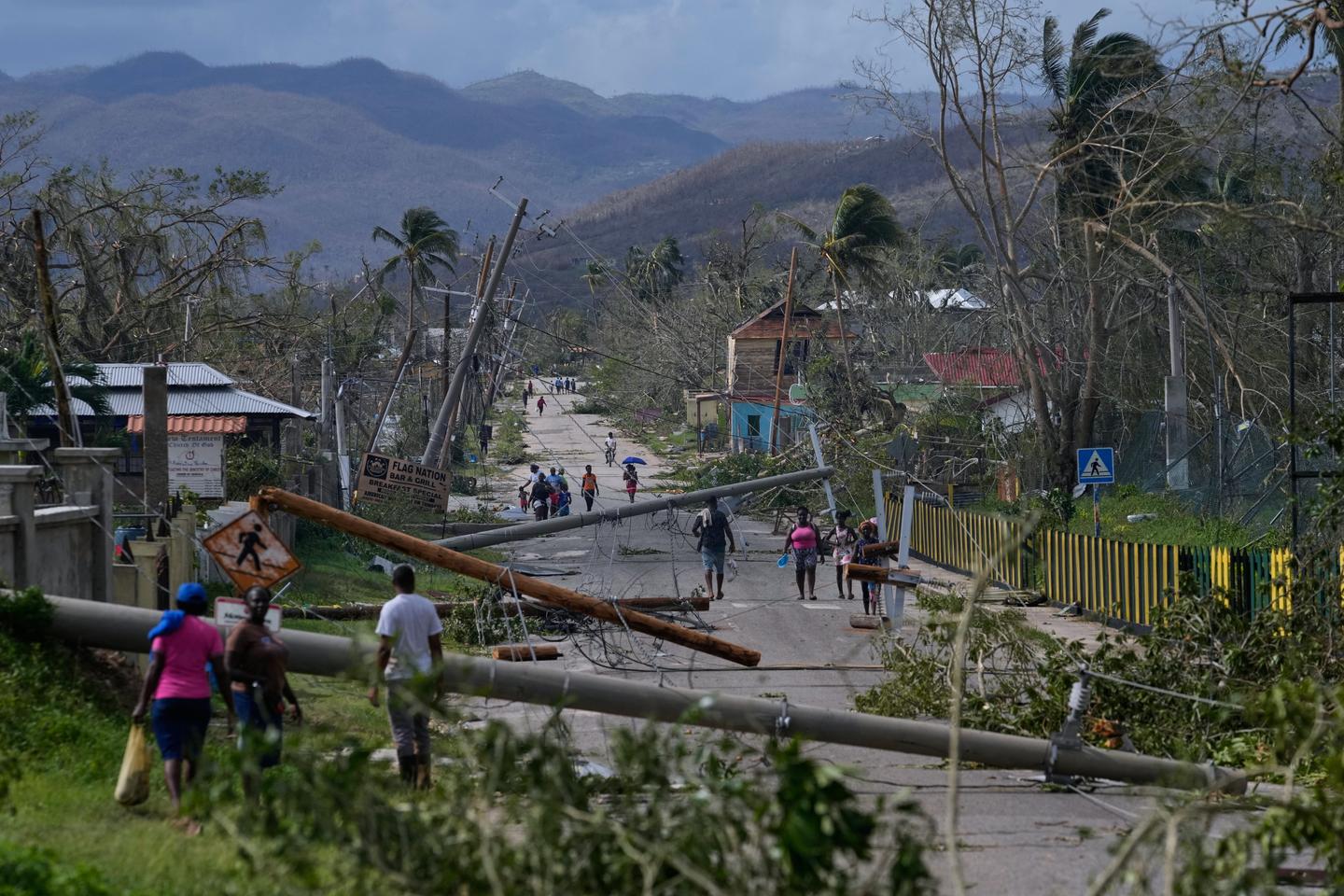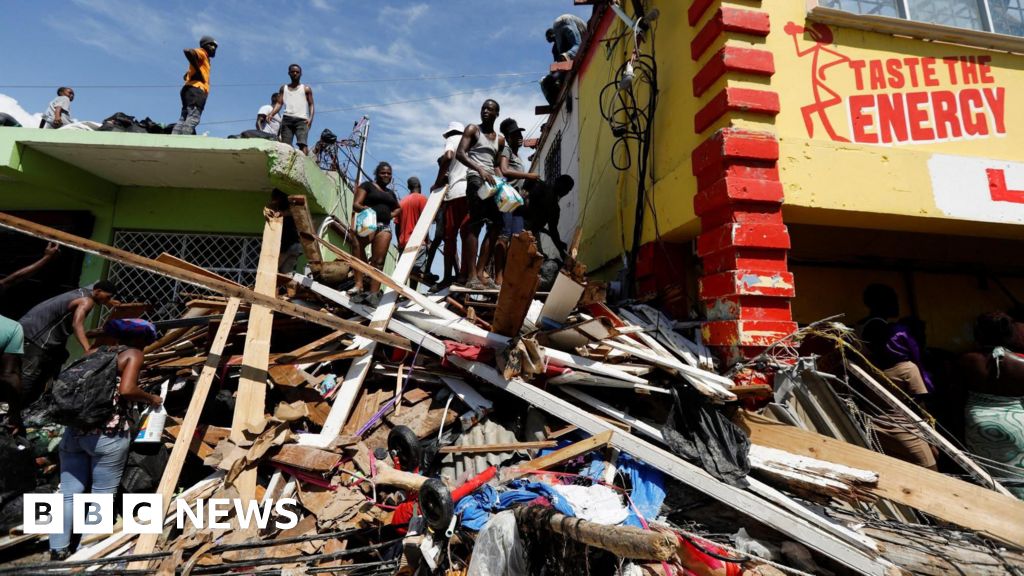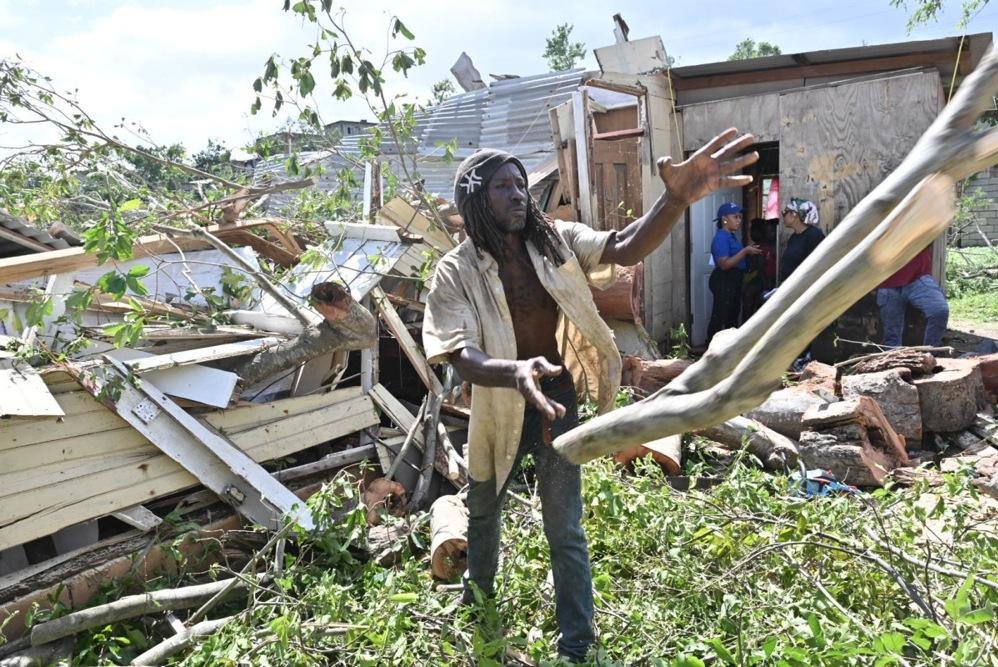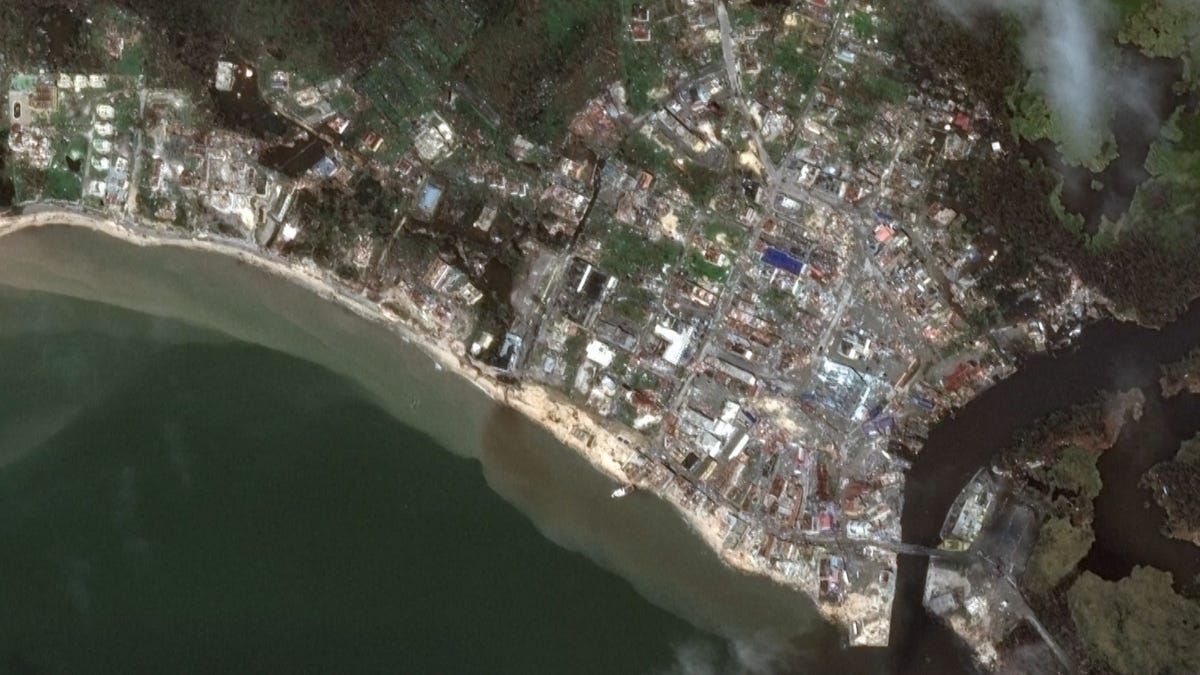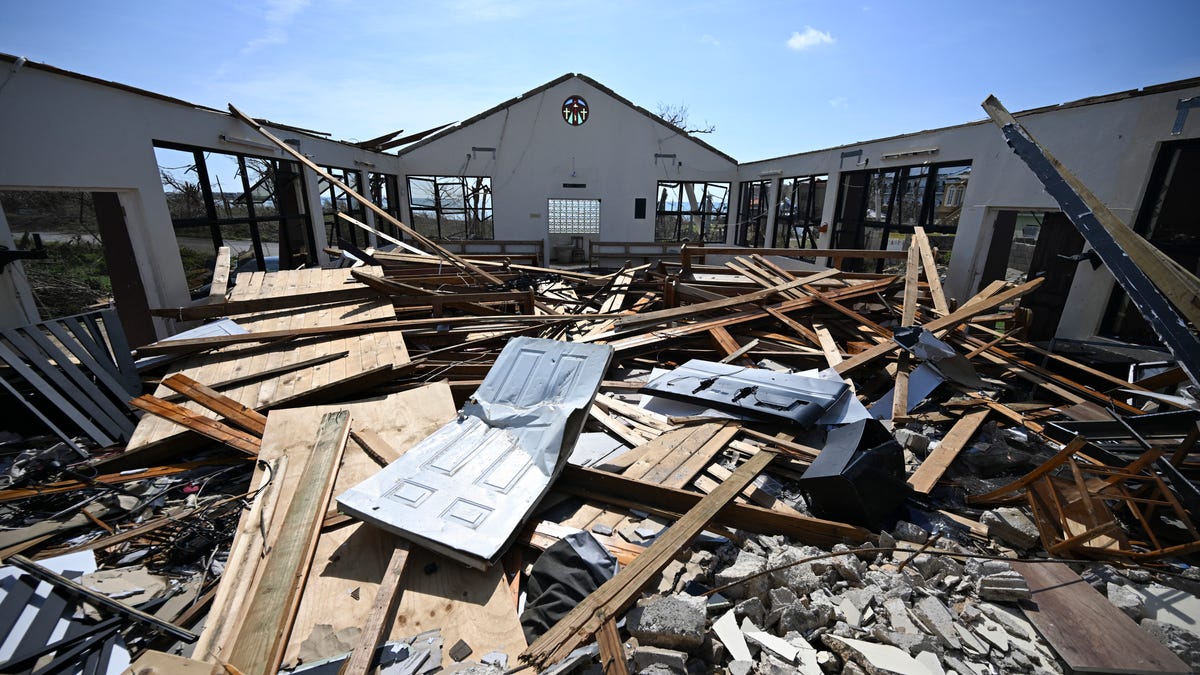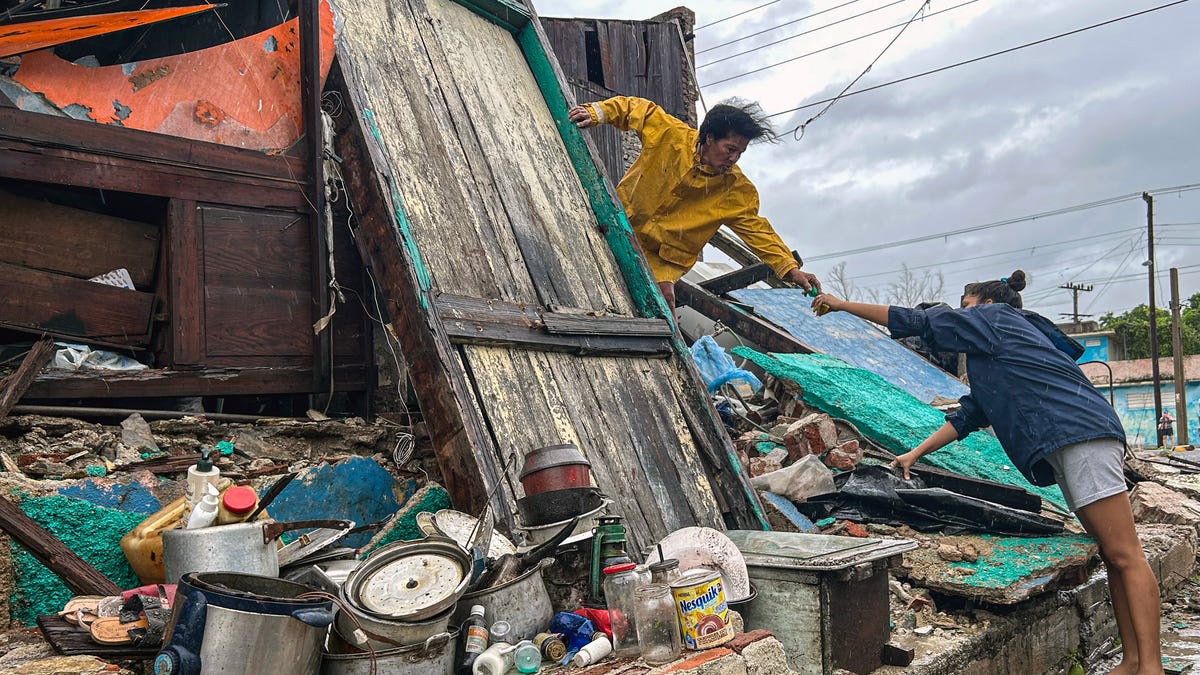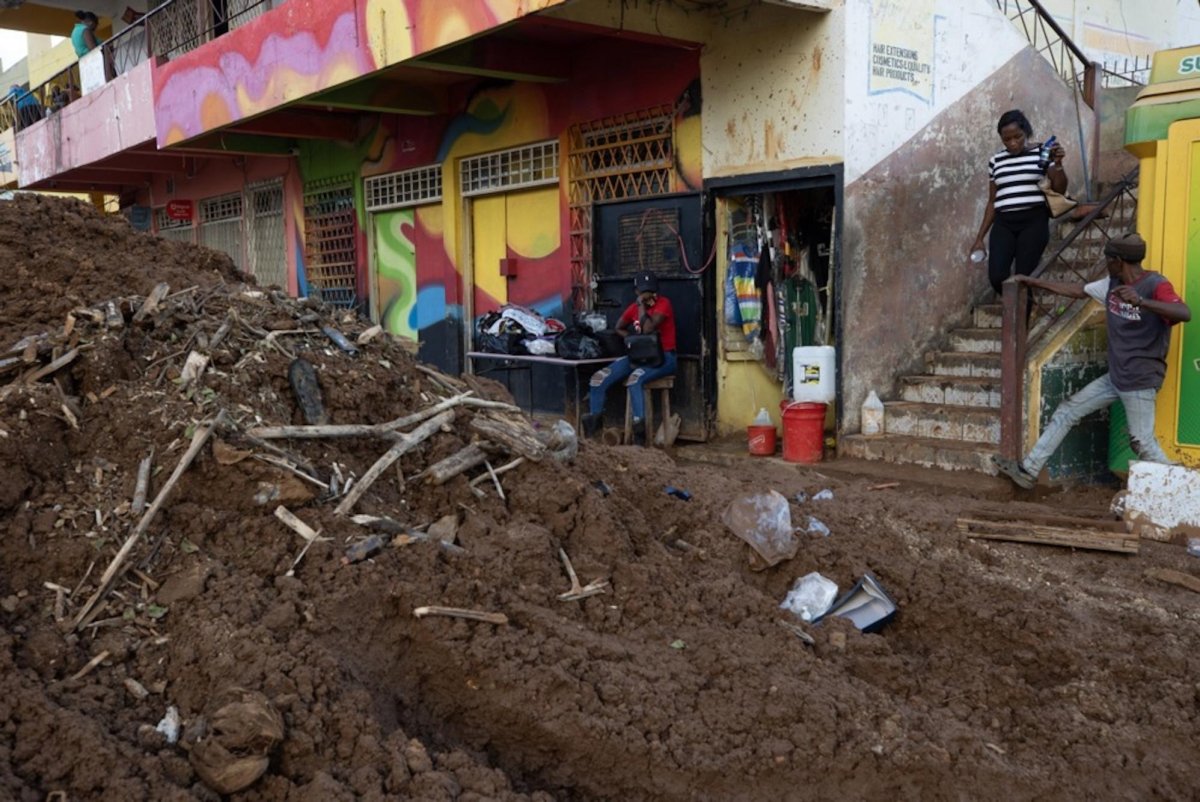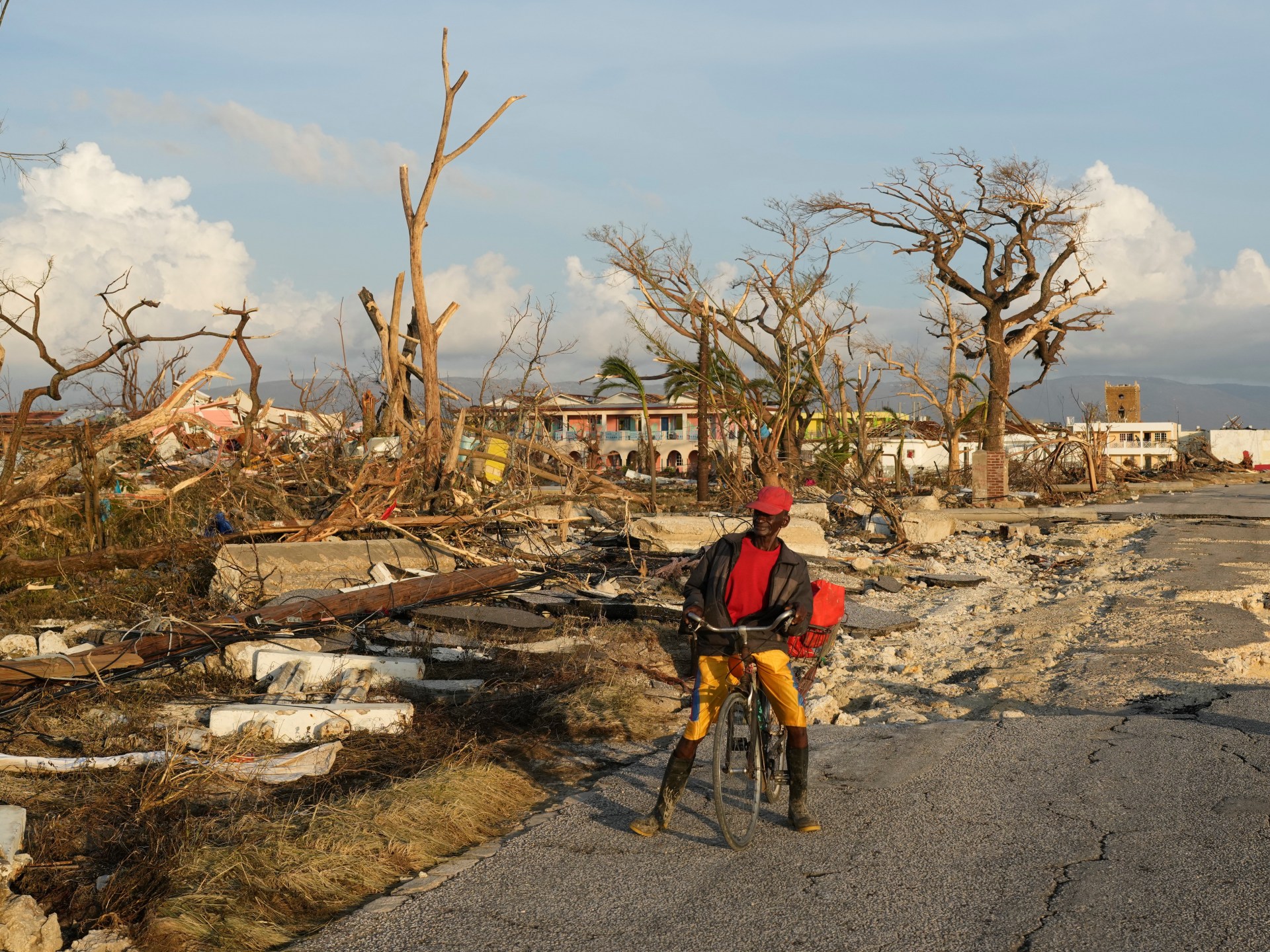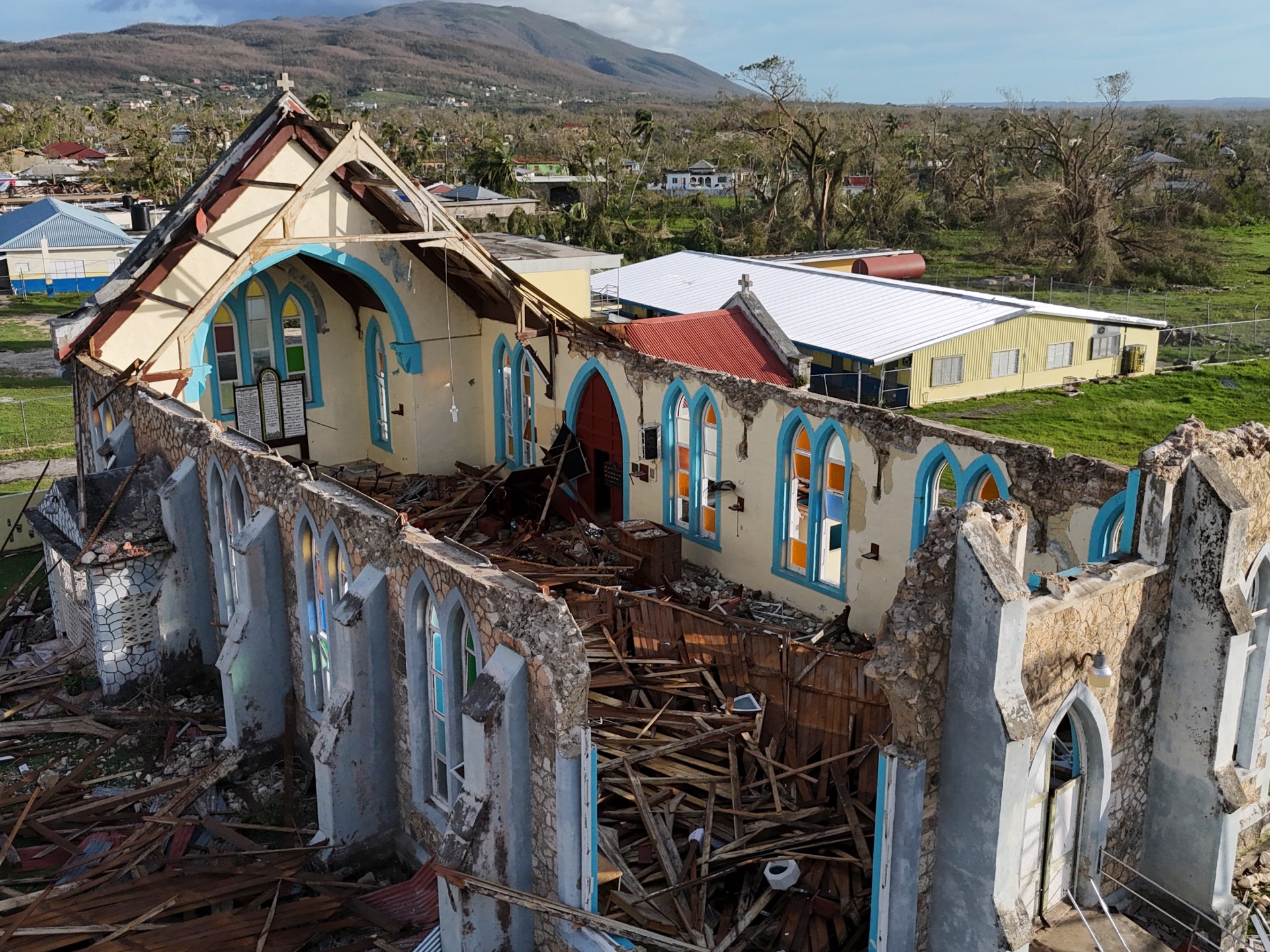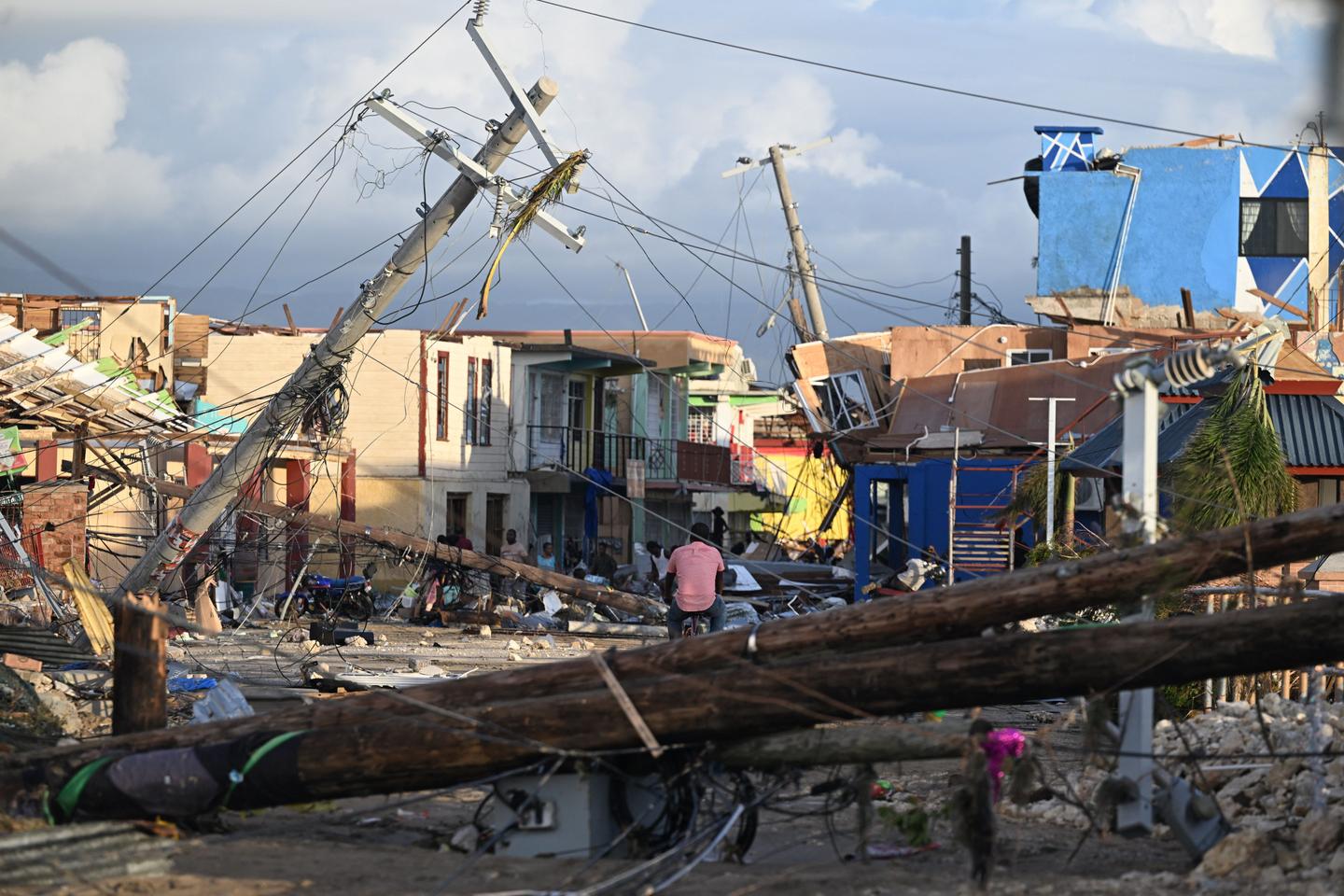
The devastated North Street neighborhood of Black River, Jamaica, after Hurricane Melissa swept through, on October 29, 2025. RICARDO MAKYN/AFP
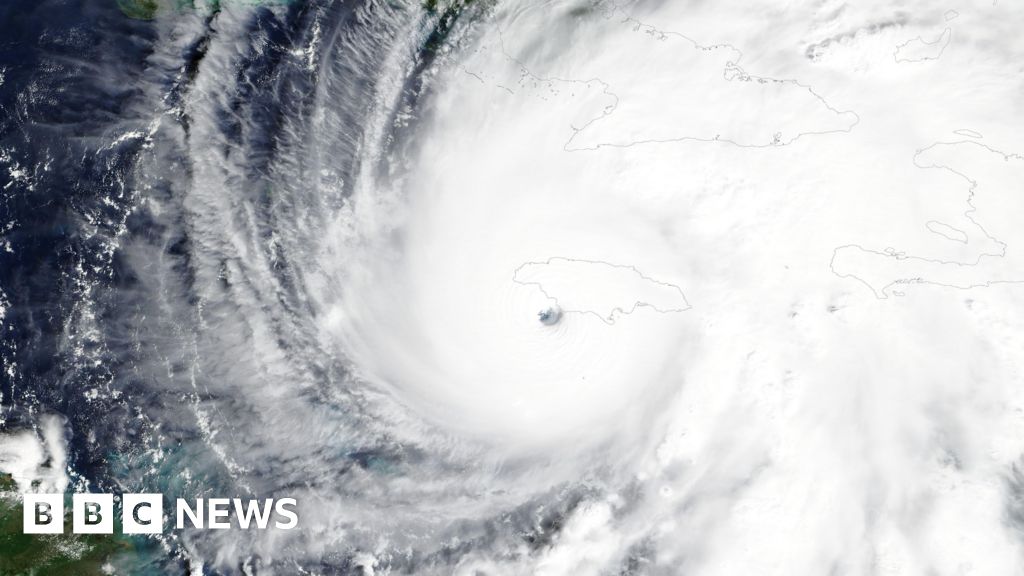
Jamaica, Cuba, the Bahamas and, soon, Bermuda: While Hurricane Melissa is no longer at the unusually powerful level of force it had when it ravaged Jamaica on Tuesday, October 28, the storm has nevertheless continued on its destructive path. After first forming off the coast of the Cape Verde islands on October 13, it has since traveled more than 7,000 kilometers.
With its winds now blowing at "only" 150 km/h around its eye, the storm is still a dangerous phenomenon, bringing heavy rainfall and a storm surge of up to 2 meters as it struck the Bahamian archipelago on Wednesday evening. The National Hurricane Center (NHC) in Miami, Florida, continues to warn of "potentially deadly conditions" in its weather bulletins, which it publishes every three to four hours.
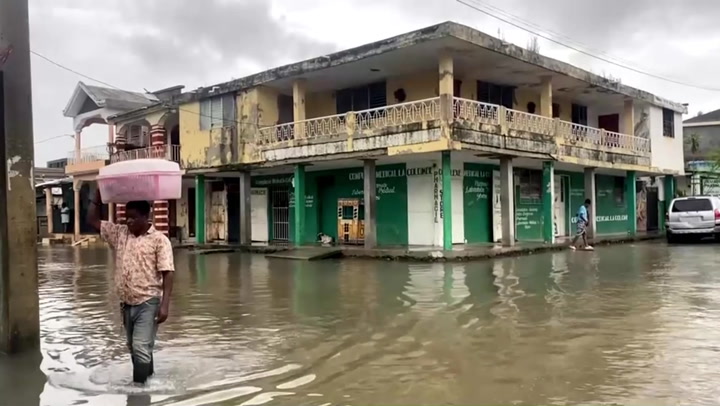
The cyclone has already left more than 30 dead in its wake. The death toll could rise further, as the hardest-hit areas become accessible again. Haiti has recorded the highest number of casualties, due to relentless rain that battered the island for the past week, provoking flooding, even though the eye of the storm, a category 5 hurricane on the Saffir-Simpson scale, had gone around the country. On Wednesday, just before dawn, a river overflowed in Petit-Goâve, in the south, killing at least 20 people, including 10 children, while 10 others are still reported missing, according to Haitian media outlets. The provisional death toll now stands at 24 dead and 18 missing in the country since the storms began.