Israel’s airstrikes have exposed the fragility of Trump’s ‘peace plan’. Without international support, it risks crumbling altogether
I
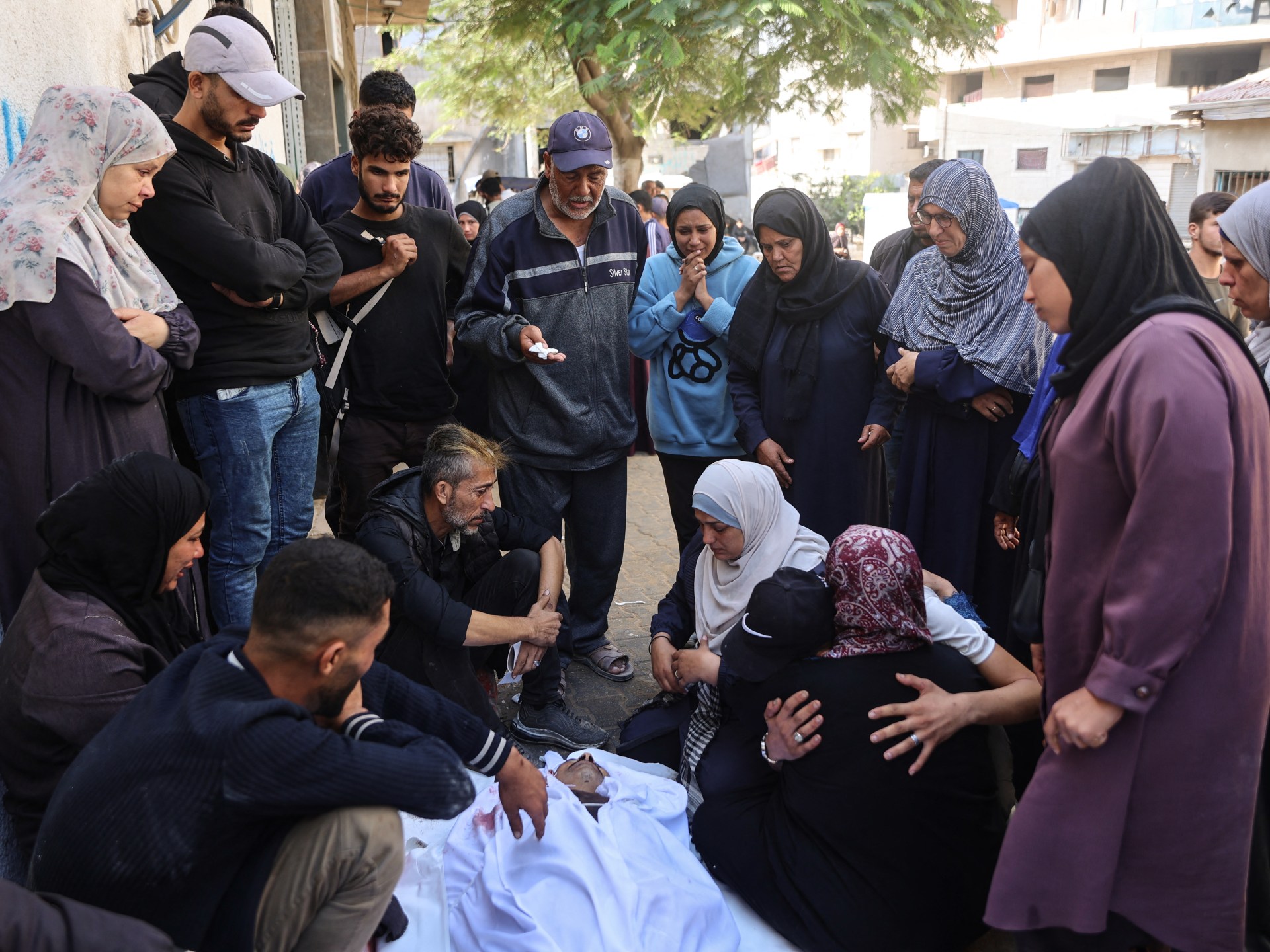
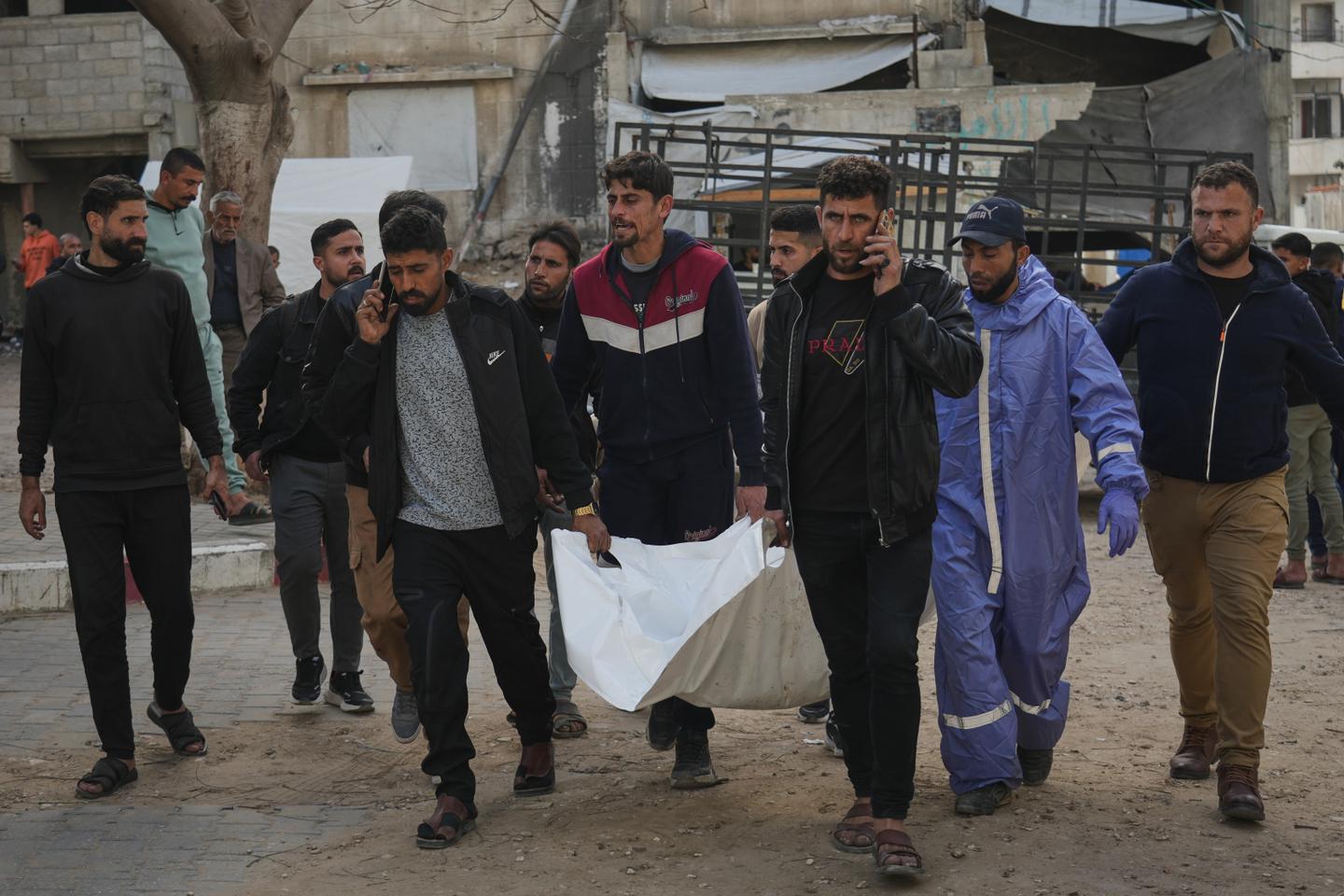
srael’s recent airstrikes in Gaza, which have killed more than 100 people, shows just how fragile this arrangement truly is. This is not the first violation since it came into effect on 10 October, but rather one of many over past weeks – showcasing that without stronger enforcement mechanisms and determined planning this is a ceasefire in name only.
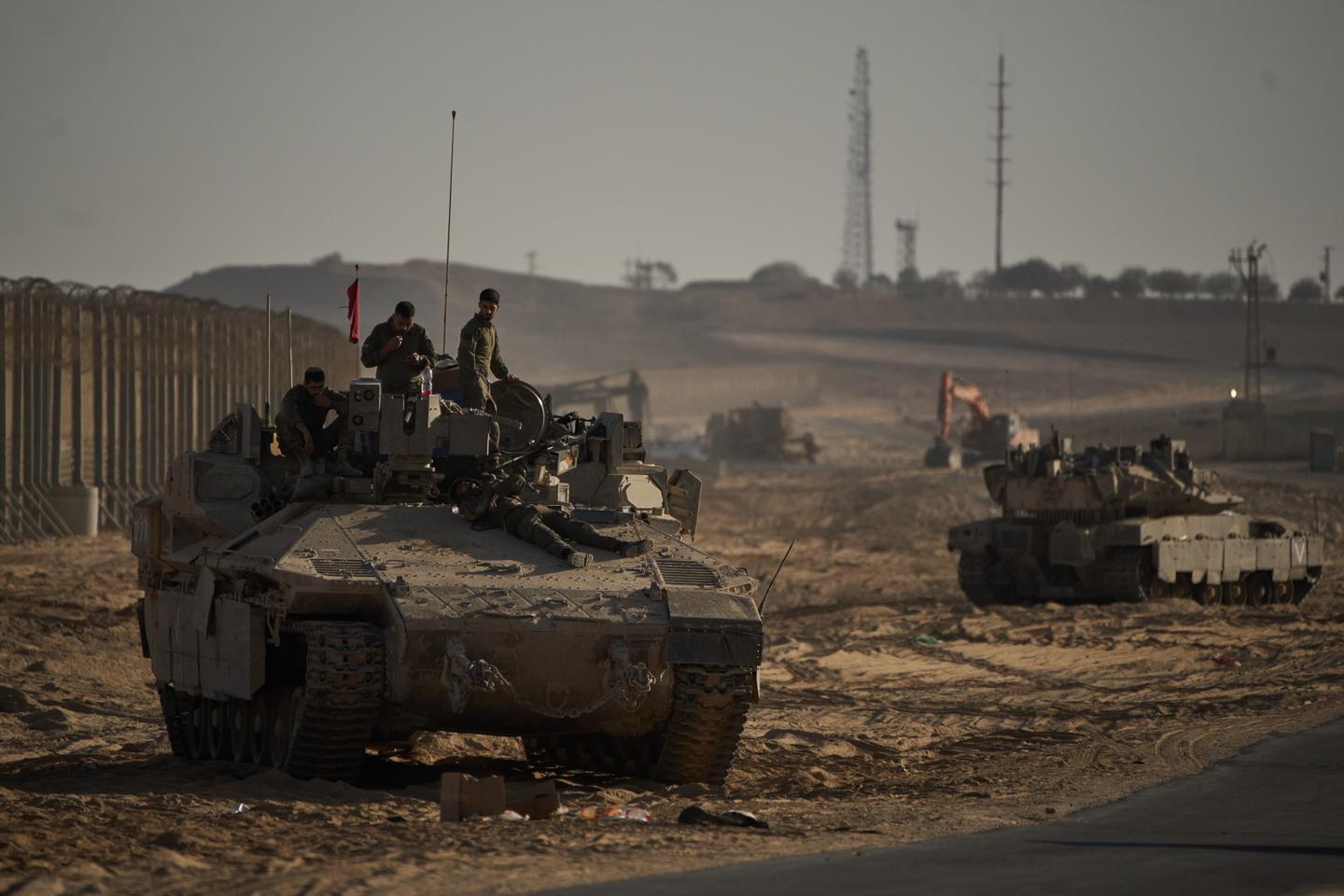
According to Israel, this round of violence resulted from Hamas fire against IDF forces in Rafah, an area still under Israeli control, resulting in the death of an IDF reservist. Hamas has denied involvement. Israel responded with additional strikes on Gaza City and Khan Younis. With each side interpreting violations to suit its own interests, the ceasefire’s vague structure leaves a wide margin for miscalculation and opportunism.
The ceasefire was introduced within the framework of Donald Trump’s 20-point plan for ending the war. Indeed, ending the war has been celebrated as an important step forward that has seen Israeli forces partially pull back, and hostages and prisoners exchanged. However, the main problem is that the plan remains largely undeveloped. It offers no clear timeline, verification process or credible means of enforcement.