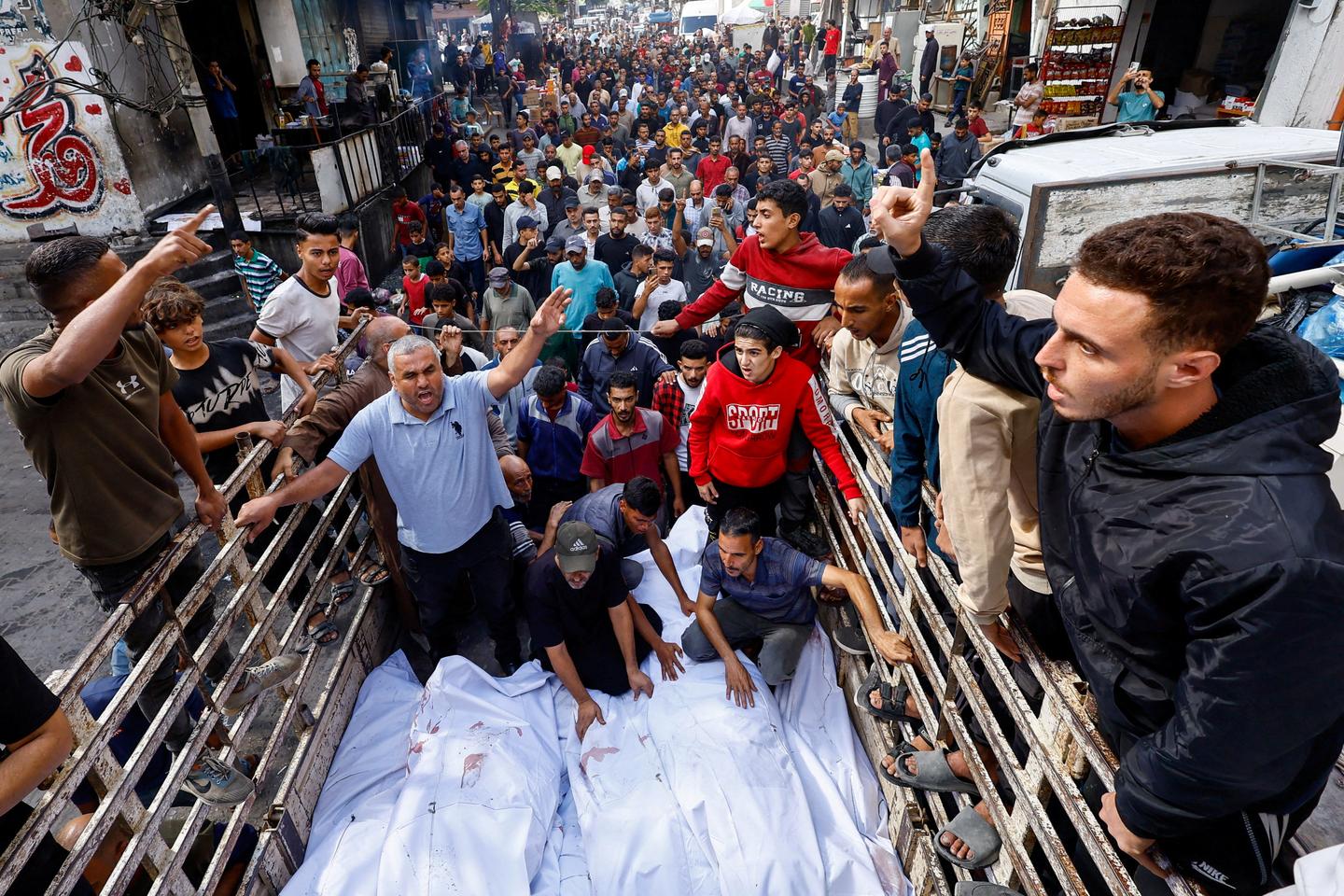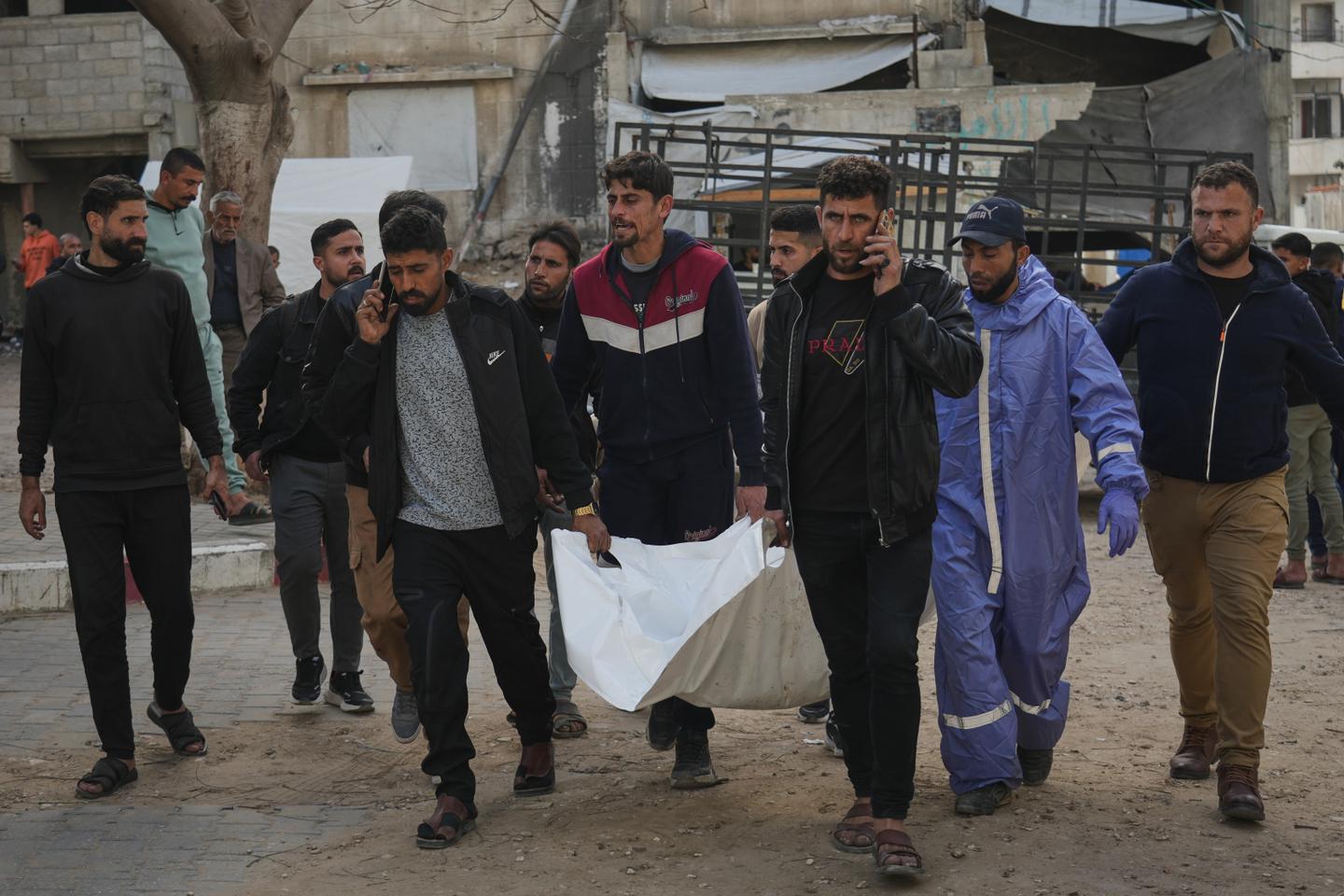
Transport to Al-Shifa Hospital of a Palestinian killed in an Israeli army strike on a police post in Gaza, January 31, 2026. JEHAD ALSHRAFI/AP
It is neither full-scale war nor a true ceasefire. Amos Hochstein, former US envoy for the Middle East under president Joe Biden, described mid-January the situation in Gaza since the implementation of Donald Trump's peace plan on October 10, 2025, as a frozen conflict.
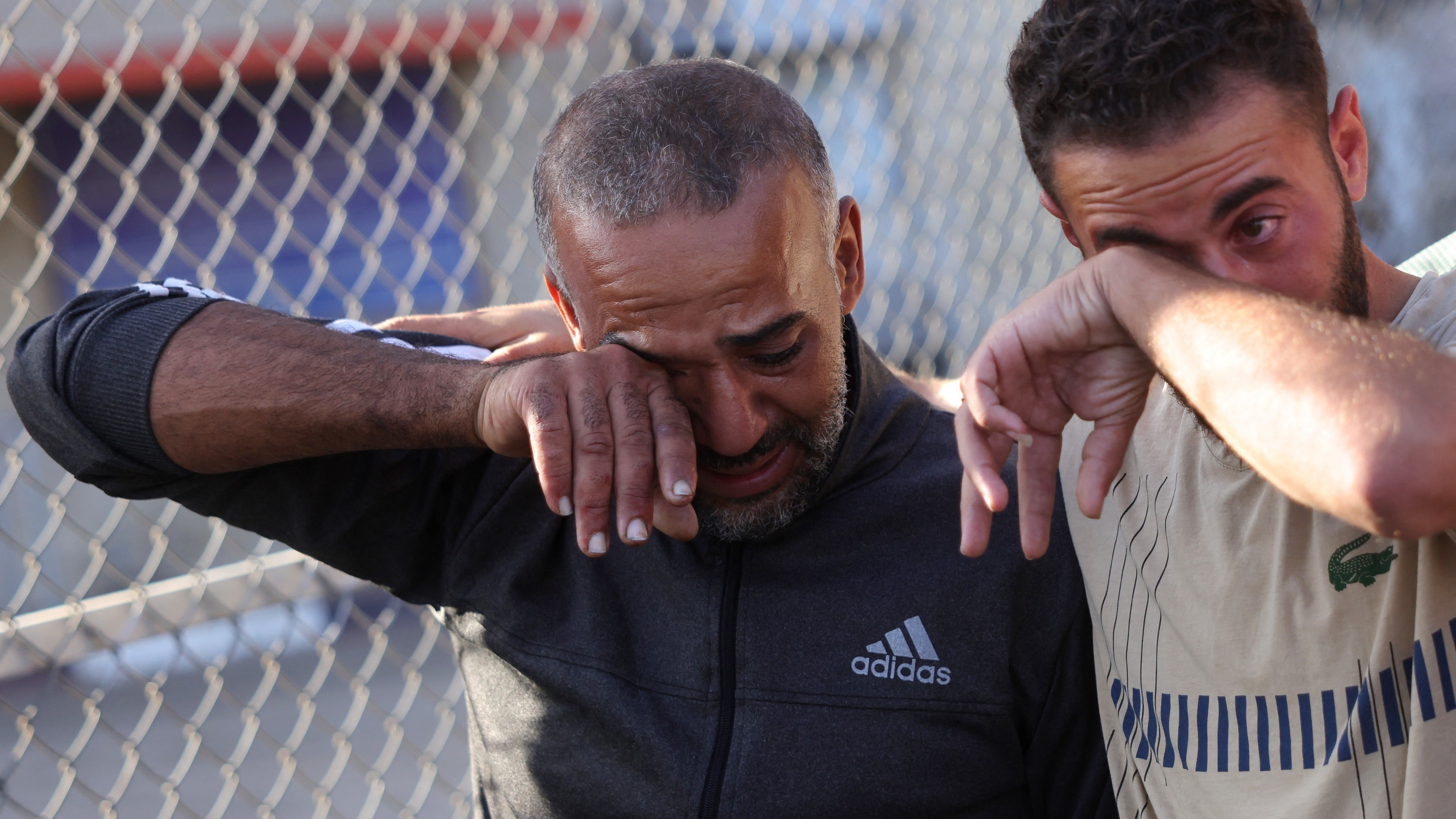
In nearly four months, more than 520 Palestinians have been killed in Israeli airstrikes or gunfire, an average of just over 4.5 deaths per day. Another 1,400 have been wounded, and three Israeli soldiers have been killed. During the two years of war between the Hamas attacks on October 7, 2023 and October 10, 2025, the daily average exceeded 92 deaths, according to figures provided by the Gaza Ministry of Health.
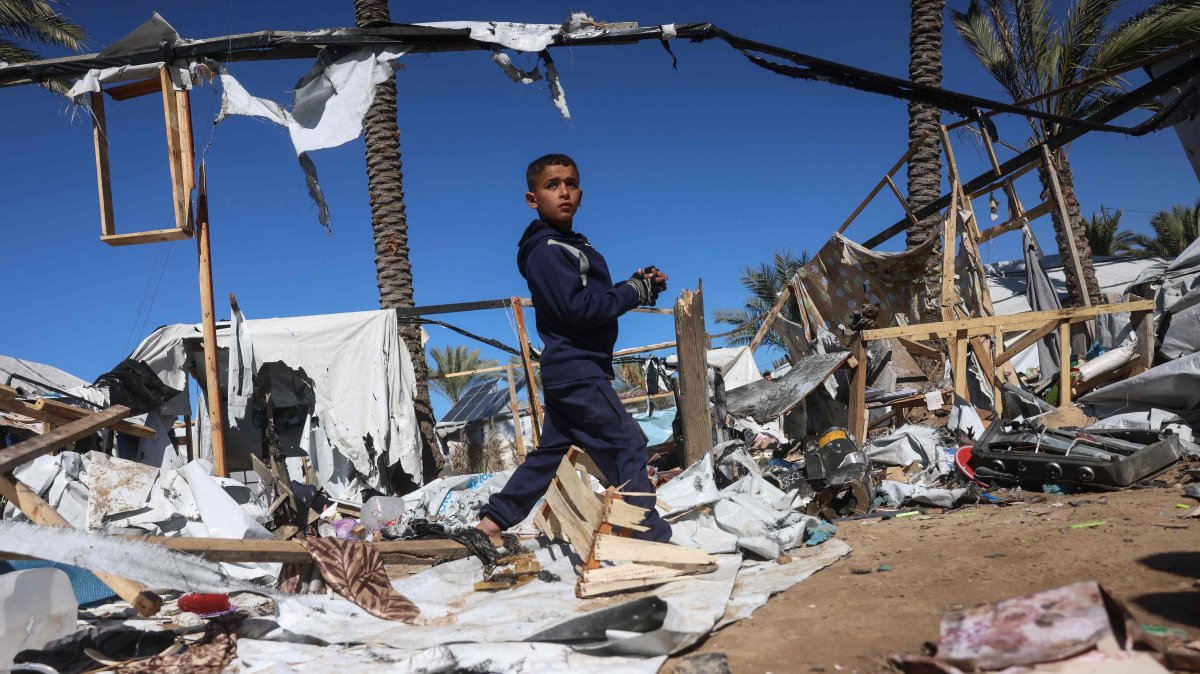
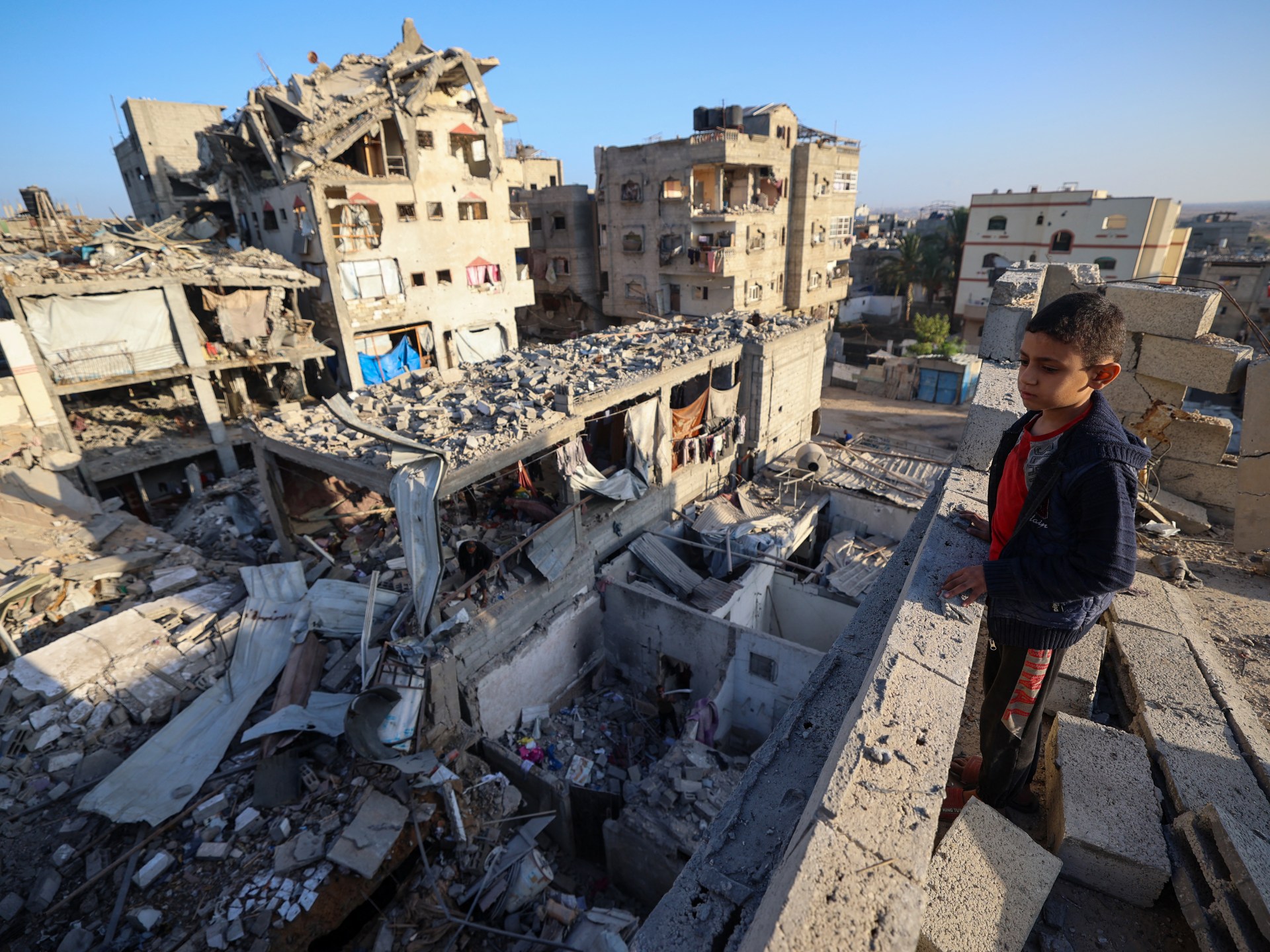
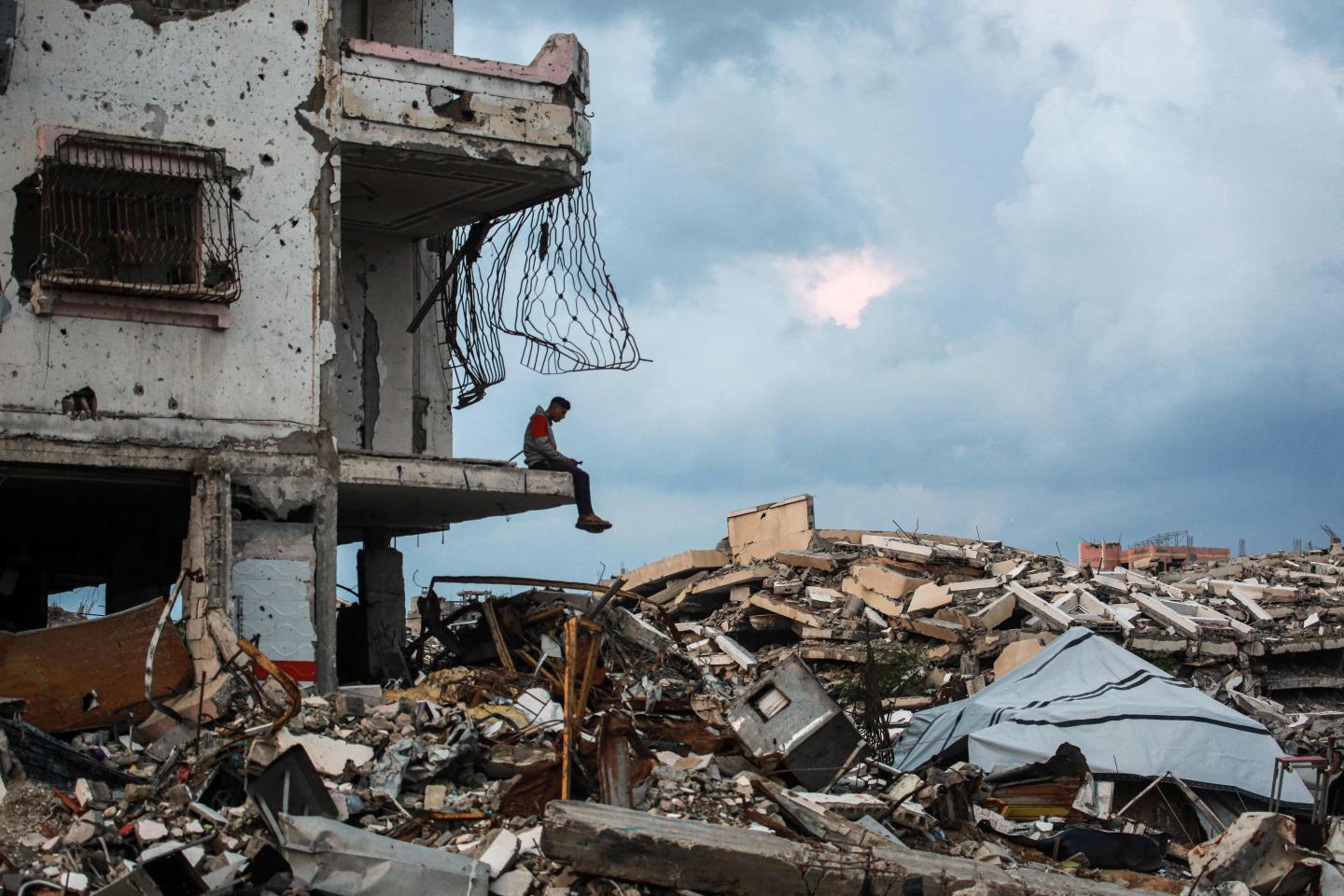
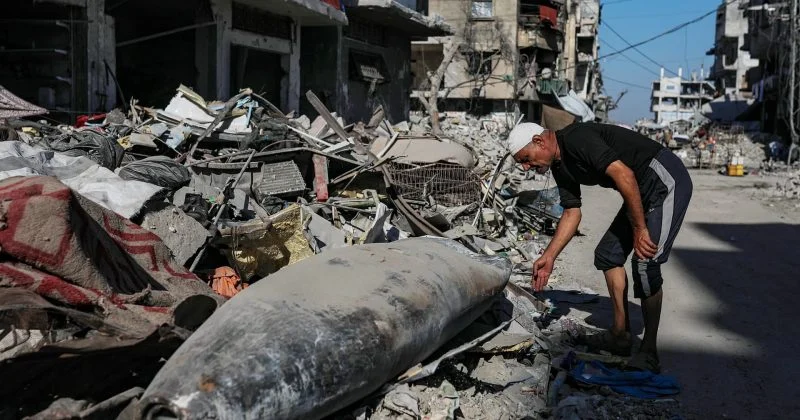
The situation changed with the ceasefire, but remains precarious in the almost entirely destroyed territory. There have been numerous violations of the agreement imposed by Donald Trump, with each side accusing the other of responsibility, even though the nature of the violations, given the number of casualties on each side, is not comparable. A large portion of the incidents and deaths have been linked to the "yellow line," an artificial, arbitrary and supposedly temporary demarcation drawn by Israel through the middle of the enclave. It separates the area under Hamas control from the area occupied by the Israeli army, which represents just over 50% of the territory.