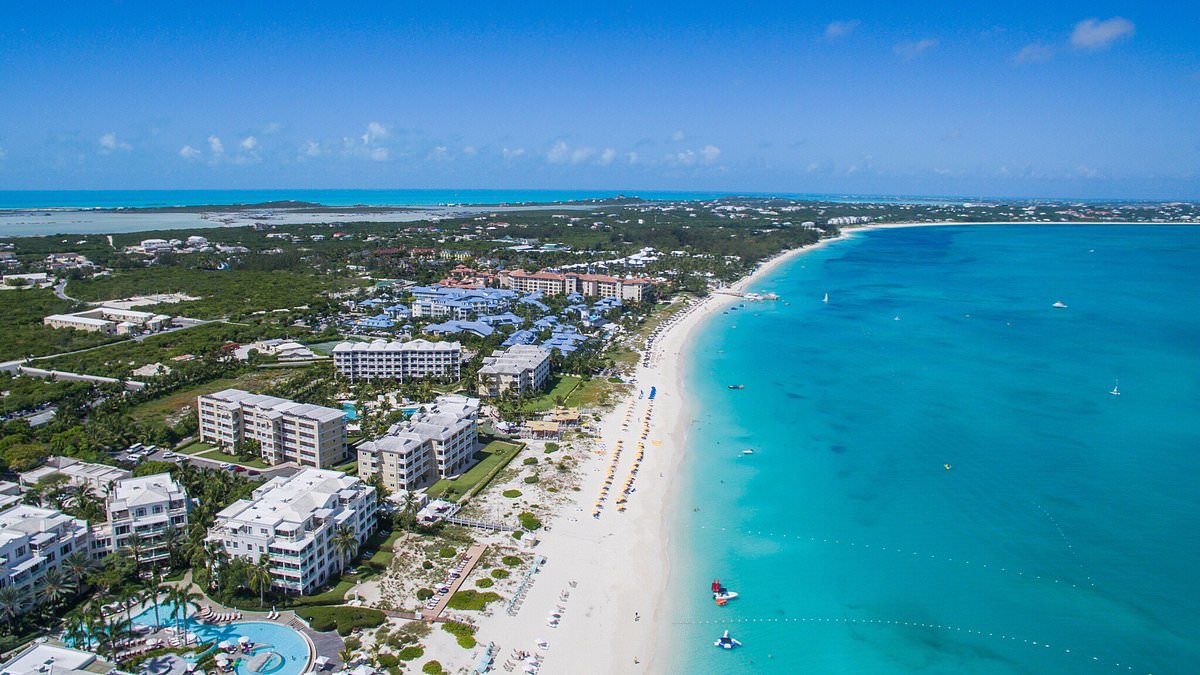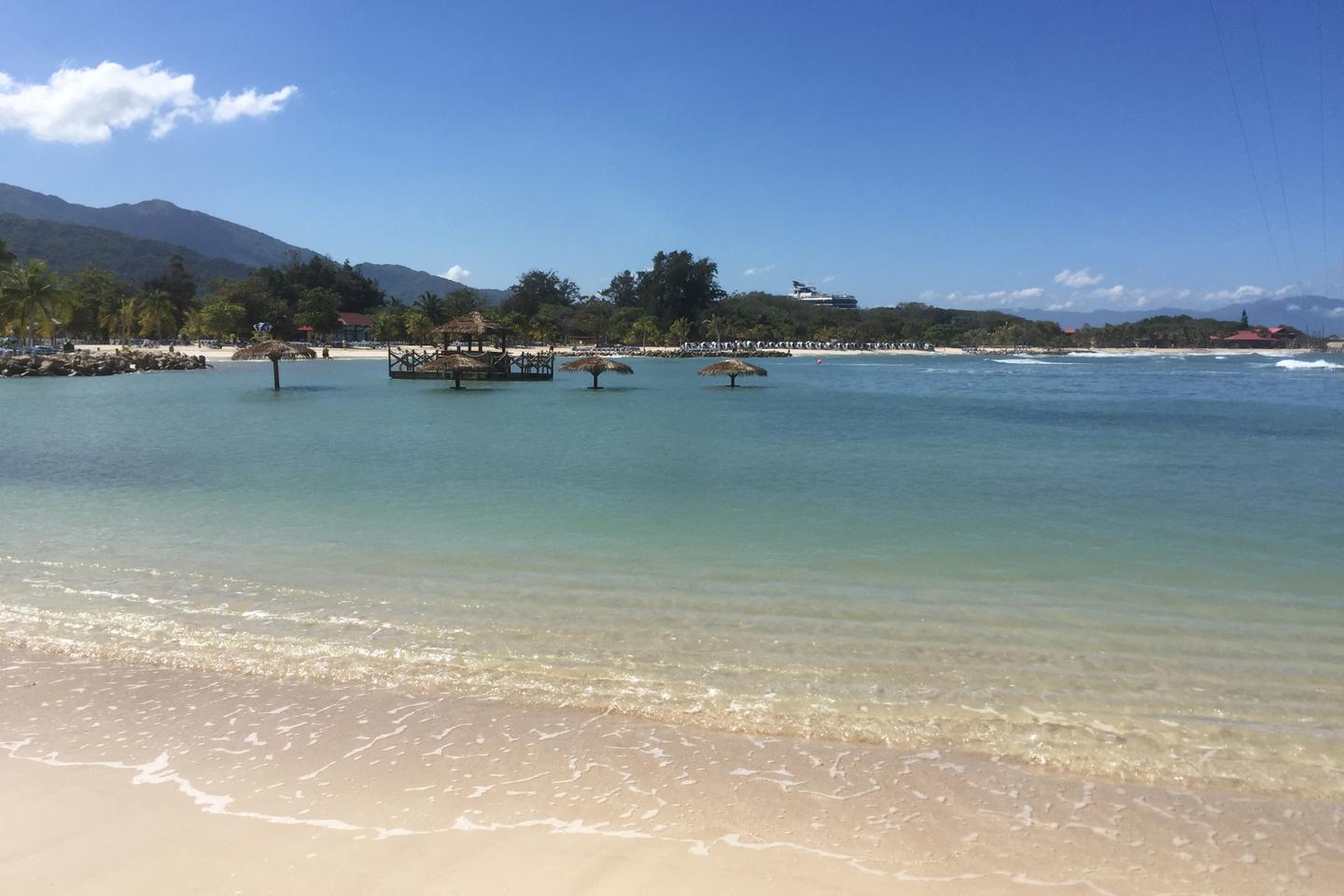
A beach in Labadie, Haiti, January 2019. JAS CHENG/CC BY-SA 4.0
Nestled between a bay with crystal-clear waters and lush "mornes" (hills), the village of Labadie in northern Haiti is a picture-perfect Caribbean postcard. This peaceful, weathered coastal town seems worlds away from the terror reigning in the slums of Port-au-Prince, Haiti's capital, where heavily armed gangs have been spreading devastation for several years.
Yet a sense of melancholy has settled over this seaside village of a few thousand inhabitants. In the emerald lagoon, about 20 brightly colored water taxis – bearing names like Christ-capable, Confiance-en-Dieu ("Confidence in God") and Jezi-konnen ("Jesus knows" in Haitian Creole) – drift idly on the water. "There are no more tourists," grumbled Cassiani Orélis, who has operated a water taxi for 12 years. "It's been six months since cruise ships last came. All we have left is fishing and the occasional odd job to survive," said the 47-year-old father.
Across the bay, the private Labadee tourist resort – its name anglicized to attract American customers – now stands deserted. In April, the US company Royal Caribbean International, which has leased this lush, beach-ringed promontory from the Haitian government since the 1980s, announced it was suspending cruise ship stops at its northern Haiti port until October.